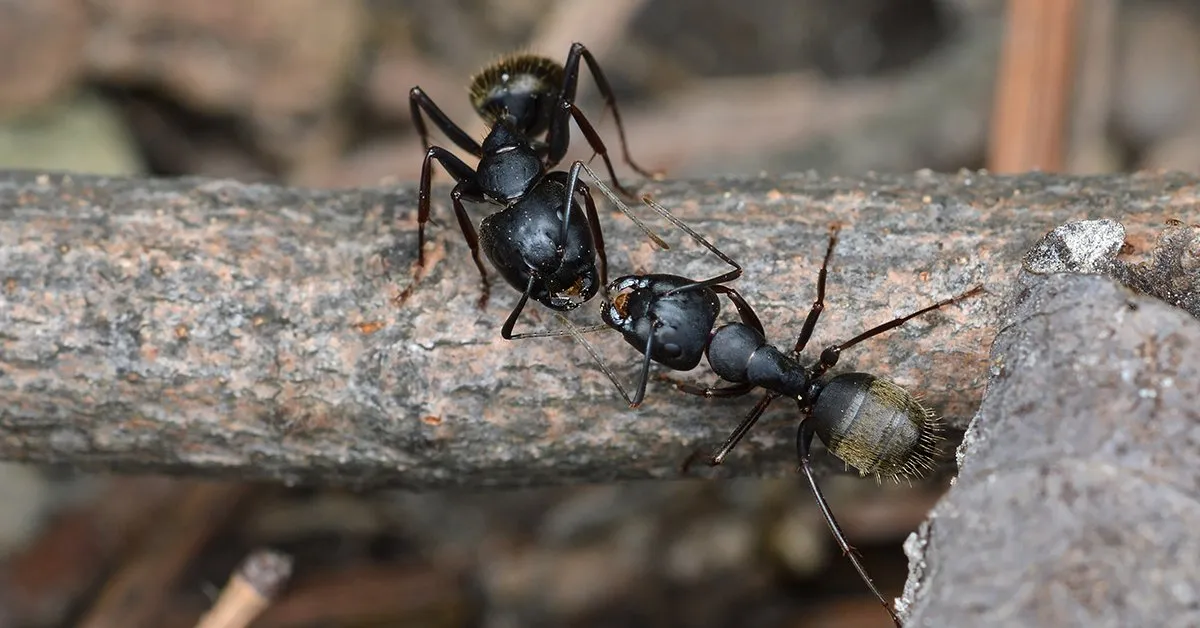
The Ant Threat to Tarantulas in Amsterdam
Keeping a tarantula as a pet in Amsterdam can be a fascinating experience, but it comes with responsibilities. One significant concern for tarantula owners in Amsterdam is the potential threat posed by ants. While tarantulas are formidable predators in their own right, ants can pose a serious danger, especially in certain environments or if preventative measures aren’t taken. This article will delve into the risks ants present to your tarantula, the specific threats, and how you can safeguard your eight-legged friend. Understanding these risks is crucial for ensuring the health and longevity of your tarantula pet in Amsterdam.
Ant Species in Amsterdam
Amsterdam, like many urban areas, is home to various ant species, some of which are more common and problematic than others. Identifying the types of ants present in your home or terrarium environment is the first step toward effective protection. The most frequently encountered species are often drawn by food sources, moisture, and shelter. Knowledge of the prevalent ant species allows for more targeted prevention and control measures. The different species have varying behaviors, nesting preferences, and potential risks, affecting your tarantula.
Common Ant Species and Their Behavior

Some of the most commonly found ant species in Amsterdam are pavement ants, pharaoh ants, and garden ants. Pavement ants often nest under sidewalks and patios and can readily invade homes. Pharaoh ants are smaller and more adept at colonizing in warm indoor environments. Garden ants are often found foraging in gardens and around homes. Each species has distinct nesting habits and foraging patterns, influencing how they might interact with a tarantula enclosure. Understanding these behaviors is key to implementing effective defenses.
Tarantula Vulnerabilities
Tarantulas, despite their impressive size and venom, are not invincible. Several factors make them vulnerable to ant attacks. Their slow movements, delicate exoskeletons, and specific dietary needs are all important considerations. Juvenile tarantulas, in particular, are at higher risk than adults due to their smaller size and less developed defenses. Understanding these vulnerabilities is critical for recognizing and mitigating the risks associated with ant infestations, ensuring your tarantula’s safety.
Tarantula Diet and Habitat
The diet and habitat of your tarantula can influence its vulnerability to ant attacks. Tarantulas are typically fed insects, and any uneaten food left in the enclosure can attract ants. Similarly, a terrarium that isn’t kept clean provides easy access to food and water sources. Proper substrate and environmental conditions are crucial, but they also need to be maintained to prevent them from becoming an attractive habitat for ants. A clean, well-maintained enclosure is the first line of defense against ant infestations, protecting your tarantula from potential dangers.
How Ants Attack Tarantulas

Ants can attack tarantulas directly or indirectly, exploiting vulnerabilities to gain access or gain advantage. Their small size and persistence allow them to infiltrate enclosures. The methods ants use to threaten tarantulas can be quite varied and depend on the ant species and the tarantula’s condition. These include aggressive bites, venomous stings, and the spread of diseases. Understanding how ants attack is essential for crafting effective defensive strategies, ensuring your tarantula remains safe.
Risk 1 Injury from Bites
Ants, particularly those with strong mandibles, can inflict painful bites on tarantulas. While the bites themselves might not always be fatal, they can cause injury, stress, and secondary infections if the tarantula’s exoskeleton is breached. The repeated biting can further weaken the tarantula, making it more susceptible to other dangers. Furthermore, juvenile tarantulas are particularly vulnerable due to their smaller size and thinner exoskeletons.
Risk 2 Venom and Toxicity
Some ant species possess venom that can be toxic or cause allergic reactions in tarantulas. While the effects vary depending on the ant species and the tarantula’s sensitivity, such venom can lead to local inflammation, paralysis, or even death, especially in smaller or weakened tarantulas. This highlights the importance of understanding which ant species are common in Amsterdam and their potential risks. Early detection and intervention are critical.
Risk 3 Spread of Diseases

Ants can act as vectors for various diseases and parasites that could harm tarantulas. They can carry bacteria and fungi from other areas of the enclosure or from the environment, introducing pathogens into the tarantula’s habitat. These pathogens can weaken the tarantula’s immune system, making it more susceptible to infections and illnesses. Strict hygiene practices and regular enclosure maintenance are essential to minimize the risk of disease transmission by ants.
Risk 4 Competition for Resources
Ants may compete with tarantulas for food and water resources within the enclosure. Ants can swarm food items meant for the tarantula, depriving it of essential nutrients. This competition can lead to nutritional deficiencies and weaken the tarantula’s overall health. Moreover, ants can contaminate water sources, making them unsuitable for tarantulas. Carefully managing the tarantula’s food supply and ensuring clean water are necessary preventive measures.
Risk 5 Nest Infestation
Ants can establish nests within the tarantula’s enclosure or burrow into the substrate, disrupting the tarantula’s environment and causing stress. Large ant colonies within the enclosure can overwhelm the tarantula and make it difficult for the tarantula to move around freely. The nests can also lead to the accumulation of waste and unsanitary conditions, which contribute to disease. Regular inspection and prompt action are necessary to eliminate any ant nests discovered in or near the tarantula’s habitat, safeguarding your pet.
Protecting Your Tarantula in Amsterdam

Protecting your tarantula from ants involves a combination of preventative measures and immediate action when an infestation is suspected. This proactive approach will create a safe environment. Regularly inspecting the terrarium and monitoring the surrounding area is important to ensure that any potential issues are caught early. This proactive approach significantly reduces the risk to your tarantula, promoting its health and happiness.
Preventative Measures
Several preventative measures can be implemented to minimize the risk of ant infestations. These include careful cleaning of the enclosure, strategic placement of the terrarium, and the use of barriers. Regularly cleaning the terrarium removes food sources and potential nesting areas. Placing the terrarium away from walls or areas prone to ant activity can reduce the chances of ants finding their way in. Barriers, like sticky tape or specially designed ant traps, can further protect your tarantula.
Creating a Safe Habitat
A safe habitat is essential for tarantula well-being and acts as a barrier against ants. Choosing a terrarium with tight-fitting lids or secure closures is crucial. Ensuring good ventilation while preventing ant entry is also important. The substrate should be carefully chosen, as some materials are more resistant to ant infestation than others. Regular maintenance, including changing the substrate and removing uneaten food, is also necessary to create a habitat inhospitable to ants.
Regular Cleaning

Regular cleaning is one of the most effective measures. Remove all uneaten food promptly. Clean water bowls frequently and monitor the enclosure. Proper cleaning eliminates food sources that attract ants. Consider using a mild, tarantula-safe cleaning solution to disinfect the terrarium. Regular cleaning not only prevents ant infestations but also maintains the overall hygiene of the enclosure and benefits the health of the tarantula.
Treatment and Care if Infested
If you suspect an ant infestation, immediate action is needed. Identifying the type of ant is the first step. Once the species is identified, you can determine the most appropriate treatment. If the infestation is minor, you might be able to remove ants manually. More severe infestations may require more aggressive measures, such as ant traps or professional pest control services. However, make sure any treatment does not harm your tarantula. Always carefully evaluate and apply any treatments to avoid harming your pet.
Identifying an Infestation
Early detection is critical to addressing ant infestations effectively. Regularly inspect the terrarium and the surrounding area for signs of ant activity. Look for small ants, ant trails, or nests. Examine the substrate for any unusual movement. If you find any ants, identify the species and the extent of the infestation. Early detection will help you to implement prompt and effective treatment measures, minimizing the risks to your tarantula.
Effective Treatments and Pest Control

When dealing with an ant infestation, it is important to choose treatments that are effective but safe for your tarantula. Ant baits and traps, placed outside the terrarium, are often a good option. Ensure that any sprays or chemicals are kept well away from the enclosure and the tarantula itself. Professional pest control services may be necessary for severe infestations. Always prioritize the safety of your pet when selecting pest control methods.
Conclusion
In Amsterdam, the potential for ants to threaten tarantulas is a significant concern for any pet owner. Understanding the top risks, the specific ant species, and their behaviors will allow you to prepare the best defensive strategy. By practicing preventative measures, maintaining a clean and safe habitat, and implementing quick and effective treatment when needed, you can protect your tarantula. By being proactive, you can provide a healthy and secure environment for your tarantula, ensuring it thrives in Amsterdam. Always keep your tarantula’s safety as your top priority.