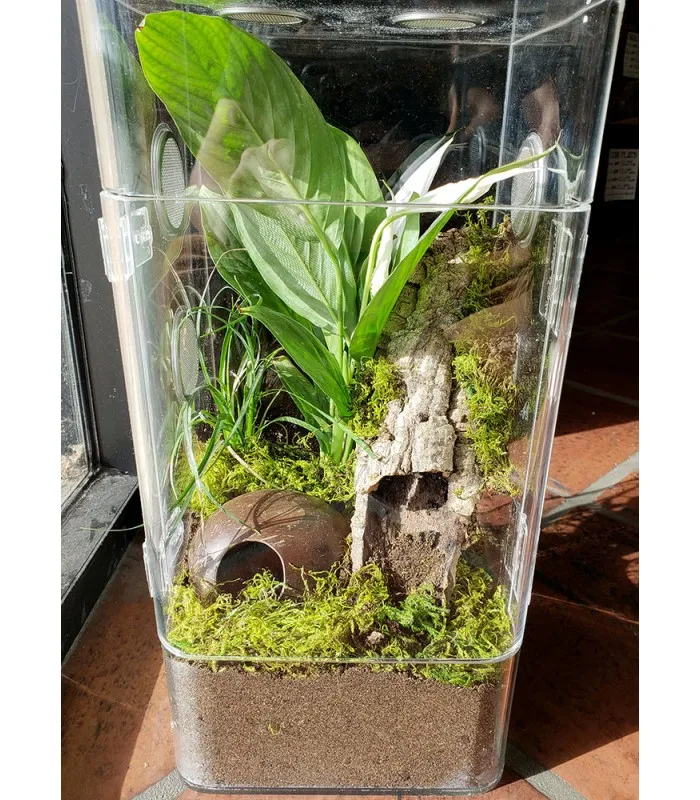
Setting up an arboreal tarantula enclosure correctly is crucial for the health and well-being of your fascinating eight-legged pet. Arboreal tarantulas, those captivating spiders that spend most of their time in trees or elevated areas, have specific needs that must be met to thrive in captivity. This comprehensive guide will walk you through every step of the arboreal tarantula enclosure setup process, ensuring you create a comfortable and enriching habitat for your spider. From choosing the right enclosure to maintaining the ideal humidity and temperature, we’ll cover everything you need to know. Get ready to embark on a journey that will transform you into a knowledgeable tarantula keeper!
Choosing the Right Arboreal Tarantula Enclosure
The first and perhaps most important step in arboreal tarantula enclosure setup is selecting the right housing. The enclosure should be appropriately sized, providing enough space for your tarantula to move around and exhibit its natural behaviors, such as climbing and webbing. A well-chosen enclosure also makes it easier to maintain the necessary environmental conditions. Consider the adult size of the species you are keeping; a juvenile will require a smaller enclosure than a full-grown adult. Also, the enclosure should be secure to prevent escapes and easy to clean. Look for enclosures made from clear materials like acrylic or glass for optimal viewing and easy monitoring of your pet. Remember, the goal is to create a safe and stimulating environment that mimics the spider’s natural habitat.
Enclosure Size Guidelines
Generally, the height of the enclosure is more critical than the floor space for arboreal tarantulas, as they spend most of their time climbing and webbing. As a general rule, the height of the enclosure should be at least twice the tarantula’s leg span. For example, an adult tarantula with a leg span of 6 inches needs an enclosure at least 12 inches tall. The width and depth can be proportional, but they are less critical. Ensure the enclosure provides enough space for the tarantula to molt safely without falling. Overcrowding can stress the tarantula, potentially affecting its health and behavior. As your tarantula grows, you will need to upgrade its enclosure. Always consider the species-specific requirements, as some arboreal species are larger or have more specific needs than others. A properly sized enclosure promotes a healthy and happy tarantula, allowing it to thrive in its captive environment. (Image: tarantula-enclosure-size.webp)
Ventilation and Airflow

Adequate ventilation is essential in an arboreal tarantula enclosure setup to prevent the buildup of harmful mold, mildew, and bacteria. Poor ventilation can lead to respiratory issues and other health problems for your tarantula. The enclosure should have cross-ventilation, which means air can flow in from one side and out from the other. This can be achieved through strategically placed ventilation holes or mesh. Avoid enclosures with poor ventilation, as they can quickly become stagnant and humid, which can be detrimental to your spider. Ensure the ventilation holes are small enough that the tarantula cannot escape. Regular monitoring of the enclosure’s ventilation and airflow will help you maintain a healthy environment for your arboreal tarantula. (Image: ventilation-arboreal-tarantula.webp)
Essential Enclosure Materials
The materials you use inside the enclosure are as crucial as the enclosure itself. The substrate, decorations, and other components should be safe, non-toxic, and conducive to the tarantula’s well-being. Choosing the right materials will help you create a functional and visually appealing habitat. It also affects the enclosure’s ability to retain humidity and provide a comfortable environment for your spider. Make sure all the materials you introduce into the enclosure are clean and free of any harmful chemicals or substances. The materials should also be easy to clean and maintain, so you can keep the enclosure sanitary and prevent the buildup of bacteria or fungi. Always research the specific needs of your tarantula species to make the best material choices.
Substrate Selection
The substrate is the flooring of your tarantula’s enclosure and serves several important functions. It provides a surface for the tarantula to walk on, helps maintain humidity levels, and can act as a burrowing medium for some species. For arboreal tarantulas, the substrate doesn’t need to be very deep, as they don’t typically burrow. However, it should retain moisture to help keep humidity levels at the proper range. Good substrate options include a mix of coco fiber, peat moss, and sphagnum moss. Avoid substrates that are dusty or contain harmful chemicals, as these can irritate your tarantula’s respiratory system. The substrate should be replaced regularly to prevent the buildup of mold, bacteria, and waste products. (Image: tarantula-substrate-options.webp)
Decorating the Enclosure

Decorations enhance the aesthetic appeal of the enclosure and, more importantly, provide enrichment for the tarantula. They provide hiding places, climbing structures, and areas where the tarantula can feel secure. Consider the tarantula’s natural environment when choosing decorations. Adding various elements can mimic its natural habitat and encourage the tarantula to exhibit its natural behaviors. Ensure all decorations are safe and non-toxic; avoid sharp objects or items that could cause injury. Choose decorations that are easy to clean, and be mindful of the space they take up in the enclosure to ensure the tarantula has enough room to move around. The right decorations will make your enclosure a more stimulating and enriching environment for your arboreal tarantula.
Providing Hides and Climbing Structures
Hides are essential for tarantulas as they provide a sense of security and allow the tarantula to retreat when feeling stressed or vulnerable. Arboreal tarantulas appreciate hides that are elevated, such as cork bark flats, hollow logs, or artificial caves attached to the enclosure walls. These structures allow the tarantula to feel safe while still being able to observe its surroundings. Climbing structures like branches, sturdy artificial plants, or driftwood are crucial for arboreal species, as they will utilize these to climb, web, and perch. When selecting climbing structures, ensure they are stable, non-toxic, and provide multiple points for the tarantula to move around. A variety of hiding and climbing options will help your tarantula feel safe and encourage natural behaviors. (Image: tarantula-hide-options.webp)
Adding Live Plants or Artificial Alternatives
Live plants can significantly enhance the enclosure’s humidity levels and provide a more naturalistic environment for your arboreal tarantula. Plants also contribute to the overall aesthetic appeal of the enclosure. If you choose to use live plants, select species that are safe for tarantulas and can thrive in the enclosure’s humidity and lighting conditions. Some suitable options include pothos, snake plants, and small ferns. Artificial plants are a convenient alternative and offer similar aesthetic and functional benefits without requiring special care. Make sure any artificial plants are made of non-toxic materials and can be easily cleaned. A combination of live and artificial plants can create a visually appealing and enriching environment. Remember to rinse new plants before adding them to the enclosure to remove any potential pesticides or chemicals.
Maintaining Proper Humidity and Temperature

Maintaining the correct humidity and temperature levels is critical for the health and survival of your arboreal tarantula. These factors significantly impact the tarantula’s ability to molt, eat, and remain active. Improper conditions can lead to dehydration, respiratory problems, and other health issues. Monitor these parameters regularly and make adjustments as necessary to ensure your tarantula thrives. The ideal range varies depending on the species, so research the specific requirements for your tarantula. Investing in a reliable hygrometer and thermometer will help you accurately monitor these crucial aspects of your tarantula’s environment. Correct humidity and temperature will help ensure a long and healthy life for your pet.
Monitoring Humidity Levels
Humidity levels should be monitored regularly using a hygrometer. The ideal humidity range varies depending on the species of your tarantula, but generally, most arboreal species prefer humidity levels between 60% and 80%. To maintain humidity, mist the enclosure with dechlorinated water, or distilled water if your tap water contains chemicals. The frequency of misting depends on the enclosure’s ventilation and the ambient humidity. Add a water dish to further increase humidity levels, making sure it’s accessible. The substrate also plays a role in maintaining humidity; ensuring it is moist can help create a more humid environment. Observe your tarantula for signs of dehydration or excessive humidity, and adjust your misting schedule accordingly. Remember to avoid over-misting, as this can lead to mold and other issues. (Image: tarantula-water-dish.webp)
Temperature Regulation Techniques
Temperature is another critical environmental factor for your tarantula. The ideal temperature range typically falls between 75°F and 85°F (24°C and 29°C). Use a thermometer to monitor the temperature and adjust it as needed. Avoid placing the enclosure in direct sunlight, which can cause excessive heat buildup. A heat lamp can be used to provide supplemental heat if necessary, but it’s essential to use it safely to prevent burns. It’s best to provide a temperature gradient, allowing your tarantula to choose the area where it is most comfortable. Make sure the enclosure is in a location where the temperature remains relatively stable throughout the day and night. Avoid placing the enclosure near drafts or air conditioning vents, which can cause significant temperature fluctuations. Observe your tarantula for signs of overheating or cold stress, and make the necessary adjustments to maintain the ideal temperature.
Setting Up the Enclosure Step-by-Step

Now that you understand the essential components of an arboreal tarantula enclosure, it’s time to put everything together. The following step-by-step guide will help you create a safe and stimulating environment for your tarantula. By following these instructions carefully, you can ensure that your tarantula thrives. Remember to be patient and take your time. Proper setup is the foundation of successful tarantula keeping. Double-check each step to prevent potential issues. A well-set-up enclosure will create a healthy and enriching habitat for your arboreal tarantula, allowing you to enjoy your pet for many years to come.
Step 1 Substrate Layering
Begin by adding a suitable substrate to the enclosure. As mentioned previously, coco fiber, peat moss, or a mixture of both are good options. Add a layer of about 2-4 inches of substrate, depending on the size of the enclosure and the species of your tarantula. Ensure the substrate is evenly distributed across the bottom. Lightly mist the substrate with water to help retain humidity. Avoid over-saturating the substrate, which can lead to mold growth. Make sure the substrate you choose is non-toxic and free of any chemicals or pesticides. This provides a base for the enclosure’s environment and will help with humidity levels. Proper layering of the substrate is an essential part of creating a comfortable and healthy habitat for your tarantula. (Image: tarantula-substrate-layering.webp)
Step 2 Adding Decorations and Hides
Next, add the decorations and hides. Position the hides and climbing structures to create a stimulating environment for the tarantula. Use cork bark, hollow logs, or artificial caves for hides and branches, sturdy artificial plants, or driftwood for climbing. Position these items strategically to give your tarantula a variety of options for exploring and hiding. Ensure the decorations are secure and won’t topple over, potentially harming the tarantula. Remember to clean and prepare any natural decorations before introducing them into the enclosure. The placement and arrangement of decorations is crucial to creating an environment that will allow your tarantula to exhibit its natural behaviors. Add visual interest to the enclosure and give your tarantula plenty of places to feel safe. (Image: tarantula-climbing-structure.webp)
Step 3 Setting up Water Source

Provide a shallow water dish with fresh, clean water. The water dish should be easily accessible, and the water should be replaced regularly to maintain its cleanliness. A shallow dish is safer and prevents the tarantula from drowning. You can also add water crystals or a water gel for additional hydration and humidity. Place the water dish in a location where the tarantula can easily find it. Keep the water dish clean to avoid the growth of bacteria or algae. The water source is critical for hydration and maintaining the overall health of your arboreal tarantula. Ensure that you provide a constant supply of fresh, clean water for your pet.
Acclimating Your Tarantula to the New Enclosure
Once the enclosure is set up, it’s time to introduce your arboreal tarantula. Gently transfer the tarantula into its new habitat. Allow your tarantula time to acclimate to its new environment, and provide a sense of security. Ensure that the enclosure conditions, such as temperature and humidity, are within the correct range. Observe your tarantula in the first few days for any signs of stress or unusual behavior. Avoid handling the tarantula for the first few days to allow it to settle in. Be patient. It may take a few days or weeks for your tarantula to fully adjust to its new home. Monitoring its behavior and adjusting the environment as needed is key to successful acclimatization. Providing a well-designed and maintained enclosure will help your tarantula thrive.
Setting up an arboreal tarantula enclosure is an investment of time and effort that pays off in the long run. By following these steps, you can create a comfortable, enriching, and safe environment for your spider. A properly set-up enclosure promotes the health and well-being of your tarantula, allowing you to enjoy your fascinating pet for years to come. Remember to always research the specific needs of your tarantula species and adjust the setup accordingly. With the right knowledge and care, you can provide your arboreal tarantula with a happy and fulfilling life.