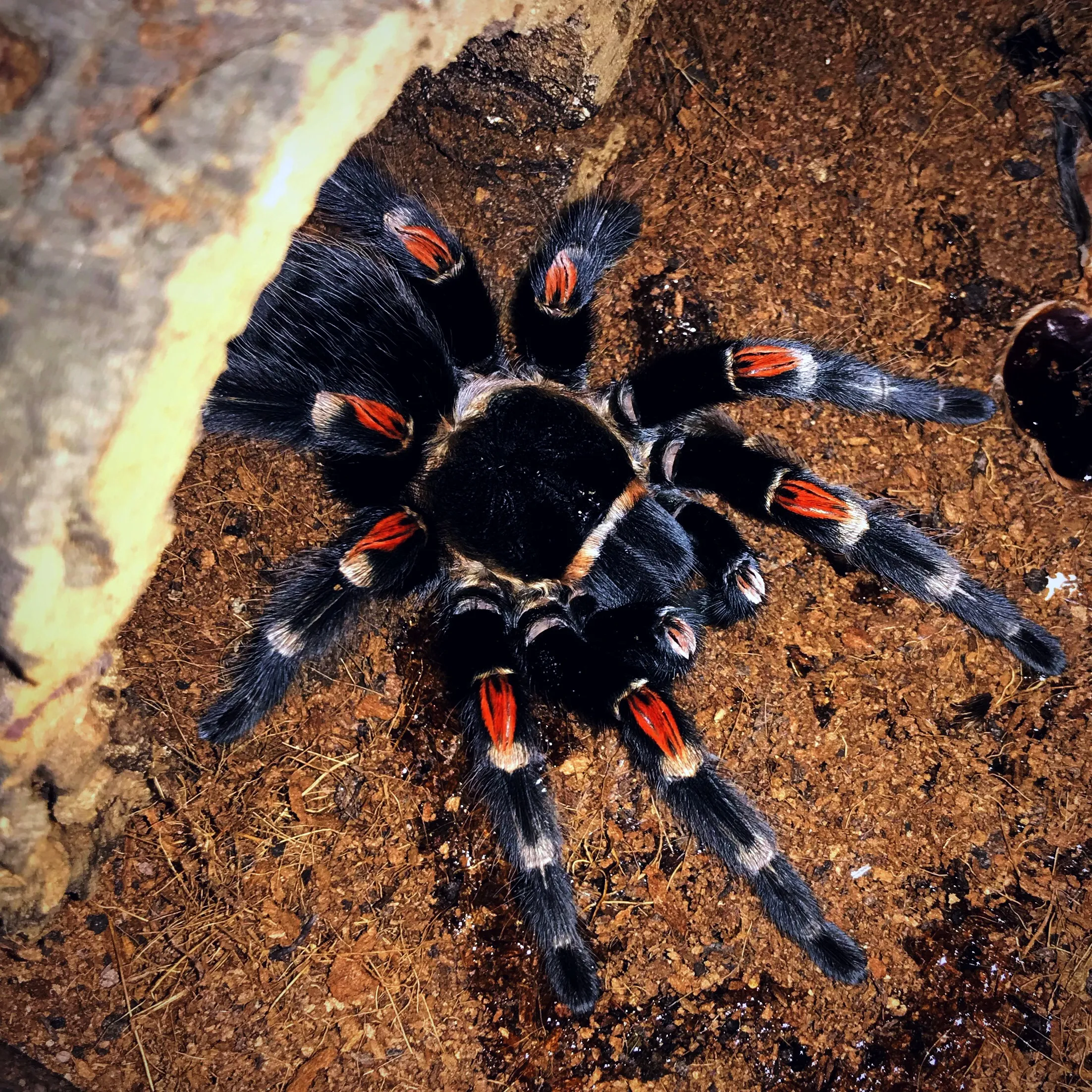
Auratum Tarantula Size Overview
The Auratum tarantula, scientifically known as Brachypelma auratum, is a captivating species that has gained popularity among tarantula enthusiasts. Understanding its size is crucial for providing proper care and ensuring a healthy environment for your pet. This guide delves into the various aspects of the auratum tarantula’s size, from the basics to the factors influencing its growth, offering valuable insights for both novice and experienced keepers. The size of an auratum tarantula is not just a matter of curiosity it is a key indicator of its overall health and well-being. Proper knowledge of this aspect allows you to create optimal living conditions, ensuring your tarantula thrives.
Auratum Tarantula Size: The Basics
Auratum tarantulas, like other tarantula species, exhibit a range of sizes depending on their sex, age, and overall health. They are known for their relatively large size and striking appearance, making them a favorite among collectors. When considering the size of an auratum tarantula, it is essential to know that their dimensions are typically measured by leg span, which is the distance from the tip of one leg to the tip of the opposite leg when the tarantula is fully extended. This measurement provides a more accurate representation of their overall size compared to just body length, as their legs contribute significantly to their impressive appearance. The average size can vary, but it’s important to understand the general range to set expectations and provide the right enclosure.
Auratum Tarantula Male vs Female Size

One of the most interesting aspects of auratum tarantula size is the sexual dimorphism, or the difference in size between males and females. Generally, female auratum tarantulas tend to be larger than males. This size difference becomes more apparent as they mature. Adult female auratum tarantulas can reach a larger leg span, which makes them appear more robust. Male auratum tarantulas, on the other hand, often remain slightly smaller, especially after their final molt. This size difference is a significant factor to consider when determining the sex of your tarantula and creating an appropriate habitat. The female’s larger size also plays a role in her reproductive capacity. The larger size enables them to carry eggs sacs containing a number of offspring.
Factors Influencing Auratum Tarantula Size
Several factors influence the ultimate size of an auratum tarantula. Understanding these factors is crucial for providing optimal care and ensuring your tarantula reaches its full potential. Genetics, diet, and environmental conditions are all key components in the growth and development of an auratum tarantula. By paying attention to these aspects, you can influence the health, longevity, and size of your pet. Creating a balanced and well-considered environment will facilitate optimal growth and help your tarantula thrive, allowing you to appreciate the beauty of this species fully.
Genetics and Auratum Tarantula Size
Genetics play a significant role in determining the maximum size of an auratum tarantula. Like all living organisms, auratum tarantulas inherit genetic traits from their parents, which influence their growth potential. Some genetic lines may inherently produce larger individuals, while others may result in smaller tarantulas. Breeders often select for size when breeding auratum tarantulas, aiming to produce larger specimens. It is important to research the lineage of your tarantula if size is a primary concern for you. The genetic makeup of a tarantula will also determine the speed at which it grows, the number of molts it goes through, and its overall life span. These details are often available from reputable breeders.
Diet and Auratum Tarantula Size

The diet of an auratum tarantula has a direct impact on its size. A well-balanced diet, rich in essential nutrients, supports healthy growth and development. Providing a variety of insects, such as crickets, roaches, and mealworms, ensures that your tarantula receives the necessary proteins and vitamins. Overfeeding, however, can lead to accelerated growth, which might not always be beneficial, potentially shortening the lifespan. The frequency of feeding also plays a role, with younger tarantulas typically requiring more frequent meals than adults. Careful monitoring of food intake and regular adjustment based on the tarantula’s growth stage is crucial. Offering too little or too much food can have significant impacts.
Environmental Conditions and Auratum Tarantula Size
Environmental conditions, including temperature, humidity, and enclosure size, also affect an auratum tarantula’s growth and size. Maintaining the appropriate temperature range promotes healthy metabolism, allowing the tarantula to digest its food efficiently. Humidity levels should be carefully monitored and adjusted to prevent dehydration or mold growth, both of which can hinder growth. The size of the enclosure is important, providing enough space for movement and molting. An enclosure that is too small can restrict growth, while an overly large enclosure may make it challenging for the tarantula to find food. Regular monitoring and adjustment of these conditions will help the tarantula to reach its full potential in size. Also, sufficient ventilation is necessary to maintain air quality and to help prevent the development of unwanted diseases.
Auratum Tarantula Size: Top 5 Facts
Fact 1: Average Size

Adult female auratum tarantulas typically have a leg span ranging from 5 to 6 inches. This makes them a relatively large and impressive species within the tarantula world. This measurement is essential for understanding what kind of habitat is suitable for your pet. Remember that this is only an average, and some specimens may be slightly larger or smaller based on the various factors discussed above. A good understanding of this range will help you gauge the health of your tarantula as it grows and develops.
Fact 2: Size Variation
Size variation within auratum tarantulas is not uncommon, influenced by the factors outlined above. Some individuals may be larger than average, while others might be slightly smaller. This variation highlights the importance of individual observation and careful monitoring of your tarantula’s growth. Genetics, diet, and environmental conditions all play a crucial role in determining where an individual tarantula falls within the size spectrum. Embrace the uniqueness of your tarantula and appreciate its specific traits, no matter its size. This uniqueness adds to the fascination of keeping tarantulas as pets.
Fact 3: Growth Rate
Auratum tarantulas grow at a moderate rate, molting several times during their lives to shed their exoskeletons and grow larger. The frequency of molting decreases as they mature. Young tarantulas molt more often than adults. The growth rate is influenced by various factors, including diet, temperature, and humidity. Providing a balanced diet and optimal environmental conditions will support healthy growth and regular molting. The molting process is a fascinating aspect of tarantula care, and it is essential to provide the right environment during this sensitive period. Avoid disturbing the tarantula during molting, as it is a vulnerable time.
Fact 4: Molting and Size

Molting is crucial to a tarantula’s growth. Each molt allows the tarantula to shed its old exoskeleton and reveal a larger, more vibrant new one. The size increase at each molt varies, but it is a significant step in the tarantula’s development. The frequency of molting decreases as the tarantula ages, and adults typically molt only once a year or even less. During the molting process, tarantulas are vulnerable, and they should not be disturbed. Providing the right environment and avoiding unnecessary stress during this time will help to ensure a successful molt and contribute to the tarantula’s overall health and size. A good indication of a successful molt is the appearance of brighter and more vibrant colors.
Fact 5: Impact of Care
The quality of care provided to an auratum tarantula directly impacts its size and overall health. A well-maintained habitat, a balanced diet, and appropriate environmental conditions all contribute to a thriving tarantula. Neglecting these aspects can result in stunted growth, health issues, and a shorter lifespan. By providing the best possible care, you can ensure that your auratum tarantula reaches its full potential. This commitment includes regular monitoring, timely adjustments, and continuous learning about the specific needs of this species. Proper care will maximize your enjoyment of this amazing creature.
Caring for Your Auratum Tarantula
Proper care is essential for maintaining the health, happiness, and optimal size of your auratum tarantula. Understanding its specific needs and providing a suitable environment are crucial for ensuring its well-being. Regular monitoring, careful observation, and a commitment to learning more about this fascinating species will enable you to provide the best possible care. By investing in your auratum tarantula’s well-being, you can enjoy a long and fulfilling relationship with this amazing creature.
Providing the Right Habitat

The enclosure should be appropriately sized to accommodate the tarantula’s leg span. A secure, escape-proof enclosure is necessary, with proper ventilation to maintain air quality and prevent the buildup of harmful gases. Provide a substrate that mimics its natural environment, such as a mix of coconut fiber, peat moss, and vermiculite, which helps to retain moisture. Include a shallow water dish and hiding places, such as cork bark or artificial plants, to provide security and comfort. The habitat must be easy to clean. Cleanliness is essential for maintaining a healthy environment for your pet.
Feeding Your Tarantula Properly
Feed your auratum tarantula a varied diet of appropriately sized insects. Crickets, roaches, and mealworms are good choices. The frequency of feeding depends on the tarantula’s age and size. Young tarantulas need to be fed more frequently than adults. Remove uneaten food within 24 hours to prevent mold and maintain a clean environment. Always ensure that the insects you are feeding your tarantula are free from pesticides and other harmful chemicals. Monitor your tarantula’s body condition and adjust feeding frequency accordingly. An abdomen that is too thin can be an indicator of needing more food.
Monitoring Growth and Size
Regularly monitor your auratum tarantula’s size and growth. Keep track of molting dates and any significant changes in size. Note the tarantula’s overall health, activity level, and appetite. If you notice any signs of illness or distress, consult with a veterinarian or an experienced tarantula keeper. Proper record-keeping will assist in understanding your tarantula’s growth patterns and in identifying potential problems early on. This will help you adjust your care as needed. Take photos regularly as a visual record of your tarantula’s development. This will give you an easy and effective way to track size and health.