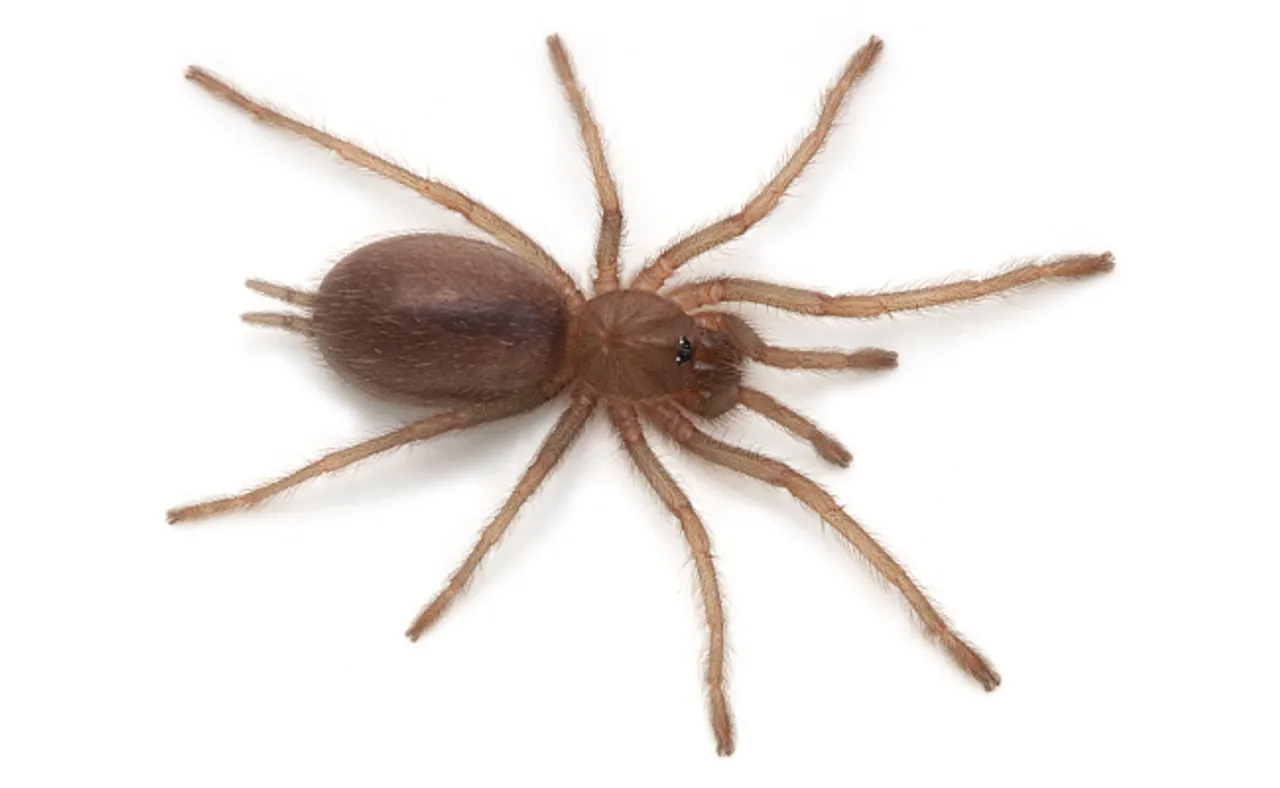
Australia Tarantulas Top 5 Facts You Need to Know
Australia is home to a diverse array of fascinating creatures, and among them, the Australia tarantula holds a special place. These large, hairy spiders, often shrouded in a mix of fear and intrigue, are an integral part of the Australian ecosystem. Understanding these amazing arachnids involves knowing their habitat, identifying them, understanding their behavior, their dietary habits, and the potential risks associated with them. This article unveils the top 5 facts about Australia tarantulas, offering insights into their lives and clarifying some common misconceptions. From their intricate burrows to their varied diets, prepare to delve into the world of these incredible creatures and discover the secrets of the Australia tarantula.
Fact 1 Australia Tarantulas: Habitat and Distribution
Australia tarantulas are not uniformly distributed across the continent they inhabit a variety of habitats. Their presence is largely dictated by factors like climate, food availability, and the suitability of the soil for burrowing. Different species have adapted to different environments, leading to a fascinating distribution pattern. They are most commonly found in warmer regions, including Queensland, New South Wales, and Western Australia. However, it’s not uncommon to find them in other states as well, although their prevalence may vary. The choice of habitat is also influenced by the tarantula’s specific needs, such as the availability of prey and the ability to create a safe burrow.
Where Australia Tarantulas Live
Australia tarantulas typically reside in burrows, which they construct in the ground. These burrows provide shelter from predators, regulate temperature, and offer a safe place to ambush prey. Some tarantulas prefer to live in burrows with silk-lined walls, providing additional protection and stability. The location of these burrows varies depending on the species and the surrounding environment. You might find them in forests, grasslands, or even suburban areas. Their adaptability allows them to thrive in diverse settings, making them a prominent feature in the Australian landscape. The burrow is a crucial part of their life, serving as a home, a hunting ground, and a refuge.
Common Australia Tarantula Habitats
The Australia tarantula’s habitat can range from moist rainforests to drier woodlands. The key elements they seek in a habitat include suitable soil for burrowing, access to a variety of prey, and protection from extreme weather. They frequently occupy areas with dense vegetation, which provides cover and a greater chance of ambushing passing insects and small animals. Habitats are often characterized by their well-drained soil, which allows for efficient burrow construction and prevents flooding. The presence of rocks, logs, and other natural features adds to the habitat’s complexity, providing additional shelter and hiding places. Understanding the specific habitat preferences of different tarantula species is crucial for their conservation and for appreciating their role in the ecosystem.
Fact 2 Australia Tarantulas: Appearance and Identification
Identifying an Australia tarantula can be a fascinating endeavor, offering a glimpse into the diversity of these creatures. Their appearance is a key aspect of their identification, with variations in size, color, and hair patterns playing a significant role in distinguishing between species. Typically, they have a robust, hairy body with eight legs, two pedipalps (used for sensory and manipulation), and two chelicerae (fangs). Body size can vary significantly; some species may have a leg span of up to 22 cm. Coloration ranges from shades of brown and black to more vibrant hues like reddish-brown or even bluish tones. The intricate patterns of hairs and markings on their bodies are unique to each species.
Key Features of Australia Tarantulas

Key features to consider when identifying an Australia tarantula include the size and shape of its body, the length of its legs, and the presence or absence of specific physical characteristics. Look closely at the shape of the carapace (the top part of the cephalothorax), the pattern of hairs, and the overall coloration. The pedipalps are another distinguishing feature, as their size and structure can vary. Examining the chelicerae can also provide clues, as their size and the presence of hairs or other markings are unique to each species. These features, combined with the tarantula’s habitat and behavior, can lead to accurate identification. Observing these key features is a good start for understanding and differentiating these creatures.
How to Identify Different Species
Accurate identification often requires a combination of visual observation and knowledge of the specific species’ characteristics. Field guides and online resources can be invaluable tools, providing detailed descriptions and images of different Australia tarantula species. Look for specific features mentioned in these resources, such as the color of the hairs on the legs, the pattern of markings on the abdomen, and the overall body shape. Taking careful measurements and photographs can also aid in identification, allowing for comparison with documented specimens. When observing, be mindful of the tarantula’s behavior and the environment in which it was found, as these factors can offer additional clues. If you’re unsure, consult with an expert or local wildlife organization.
Fact 3 Australia Tarantulas: Behavior and Temperament
The behavior and temperament of Australia tarantulas can vary greatly depending on the species. Some are known for their docile nature, while others can be more defensive. Understanding their behaviors is essential for anyone who encounters them, whether in the wild or as a pet. Most species are nocturnal, meaning they are most active at night, when they emerge from their burrows to hunt. They are generally ambush predators, waiting for their prey to come close before launching a quick attack. The specific behaviors, such as their burrowing habits, feeding patterns, and defensive mechanisms, vary among species. These behaviors are influenced by their environment, their individual personalities, and their evolutionary adaptations.
Common Behaviors of Australia Tarantulas

Common behaviors include burrowing, hunting, and defensive postures. They spend a significant amount of time constructing and maintaining their burrows, which serve as a safe haven. When hunting, they typically remain motionless, waiting for unsuspecting prey to pass by. When threatened, they may display a defensive posture, rearing up and exposing their fangs. Some species have urticating hairs on their abdomen that they can flick at perceived threats, causing irritation. Their behaviors are a complex combination of instincts, adaptations, and learned responses, all aimed at survival and reproduction. They use their senses to locate and capture prey, avoiding predators.
Understanding Tarantula Temperament
Tarantula temperament varies; some are relatively calm, while others are more likely to bite or exhibit defensive behaviors. Several factors influence their temperament, including their species, age, and environment. Young tarantulas are often more defensive than adults, as they are more vulnerable. If you encounter one, it’s important to respect its space and avoid sudden movements or loud noises. Understanding their potential reactions can help prevent conflict and ensure your safety. It’s essential to remember that these spiders are wild animals, and their behavior should be observed with caution and respect.
Fact 4 Australia Tarantulas: Diet and Feeding
Australia tarantulas are carnivorous predators, and their diet primarily consists of insects and other invertebrates. Their diet is varied, and they will consume whatever prey is available. The size of their prey depends on the size and age of the tarantula; smaller tarantulas eat smaller insects, and larger tarantulas can take down larger prey. They use their fangs to inject venom, which immobilizes the prey and begins the digestive process. Their feeding habits and preferences can vary across different species, so it’s important to understand the specific needs of the tarantula.
What Do Australia Tarantulas Eat

The main components of an Australia tarantula’s diet include insects like crickets, cockroaches, beetles, and grasshoppers. They also eat other invertebrates, such as earthworms, spiders, and even small vertebrates like small lizards or mice. They are opportunistic hunters, and their diet will change depending on the availability of prey in their habitat. Young tarantulas often start with smaller insects, such as fruit flies, and gradually transition to larger prey as they grow. Providing a varied diet ensures they get all the nutrients they need to survive. A well-balanced diet is crucial for their growth, health, and overall well-being.
Feeding Frequency and Methods
The frequency of feeding depends on the age and size of the tarantula. Young tarantulas need to eat more frequently, often every few days, while adults can eat less often, sometimes only once a week or even less. The best method is to offer food that is appropriate in size for the tarantula and let it hunt. It is important to remove any uneaten prey after a day or two to prevent it from stressing the tarantula. The tarantula’s appetite and feeding habits can be affected by a variety of factors, including temperature, humidity, and stress levels. Always ensure a supply of fresh water, as they need it for hydration and survival.
Fact 5 Australia Tarantulas: Bites and Safety
While Australia tarantulas are venomous, their bites are rarely life-threatening to humans. The venom is not as potent as that of some other spiders, and the primary effects are usually localized pain, swelling, and redness at the bite site. However, it’s essential to treat any bite seriously and seek medical attention if symptoms worsen or if you experience any allergic reactions. It’s crucial to understand that tarantulas generally do not bite unless provoked or threatened. Avoiding any interaction with them and respecting their space will minimize the chances of a bite.
Are Australia Tarantula Bites Dangerous

Australia tarantula bites are generally not considered highly dangerous to humans. The venom is not as potent as that of some other venomous spiders, such as the funnel-web spider. The effects of a tarantula bite usually include local pain, swelling, redness, and itching at the bite site. In rare cases, some people may experience more severe symptoms, such as muscle cramps, nausea, or dizziness. The severity of the reaction can vary depending on the individual’s sensitivity and the amount of venom injected. If you are bitten by an Australia tarantula, it is always advisable to seek medical advice and monitor the symptoms.
First Aid for Tarantula Bites
If you are bitten by an Australia tarantula, the first step is to stay calm and try to identify the spider, if possible. Wash the bite area with soap and water to prevent infection. Apply a cold compress to reduce swelling and pain. Keep the affected limb elevated to minimize swelling. Seek medical attention immediately, especially if you experience severe symptoms such as difficulty breathing, chest pain, or an allergic reaction. Even if the symptoms are mild, it is always best to consult with a healthcare professional. They can provide appropriate treatment and advise on how to manage any complications. Follow any medical advice provided by a health professional.