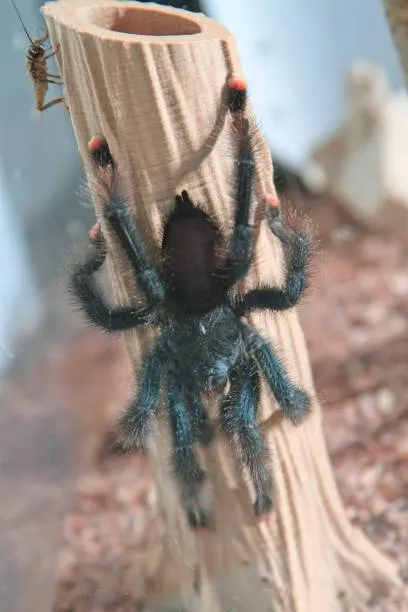
What is a Baby Pink Toe Tarantula?
The Baby Pink Toe Tarantula (Avicularia avicularia) is a fascinating and beautiful arboreal tarantula, known for its striking appearance and relatively docile temperament. Native to the rainforests of South America, these arachnids are popular among tarantula enthusiasts. Their name comes from the pinkish hues on the tips of their feet, which become more vibrant as they mature. Unlike many terrestrial tarantulas that live on the ground, the Baby Pink Toe Tarantula spends most of its time in trees, making them a unique and captivating pet. These tarantulas are relatively small compared to some other species, typically reaching a leg span of around 5-6 inches. Their care is generally considered moderate, making them a good choice for intermediate keepers who have some experience with tarantulas. Understanding their natural habitat and behaviors is essential for providing the best possible care and ensuring their health and well-being.
Appearance and Characteristics
Baby Pink Toe Tarantulas are instantly recognizable due to their vibrant colors and unique features. The most distinguishing characteristic is, of course, the pink coloration on the tips of their feet, which contrasts beautifully with the rest of their body. Their carapace, or the top part of their body, is typically a dark green or black color, and their abdomen is covered with hairs that can range in shades of brown or black. They possess a graceful, slender build compared to many other tarantula species. Their arboreal nature is also evident in their anatomy; they have strong claws on their feet that help them grip branches and climb with ease. Juvenile tarantulas often have more muted colors, with the pink toes becoming more pronounced as they molt and grow. Adult females are generally larger and more robust than males. The overall aesthetic appeal of the Baby Pink Toe Tarantula makes them a visually stunning addition to any collection, providing a captivating display of nature’s beauty.
Where to Find a Baby Pink Toe Tarantula For Sale

If you’re looking to buy a Baby Pink Toe Tarantula for sale, the first step is finding a reputable source. There are several avenues you can explore, including specialized pet stores, online retailers, and private breeders. Specialized reptile and exotic pet stores are a good starting point, as they often have experienced staff who can offer advice and support. Online retailers can provide a broader selection, but it’s crucial to check reviews and ensure they offer a live arrival guarantee. Local reptile shows and expos are excellent places to meet breeders and view tarantulas in person before making a purchase. These events often allow you to interact with experienced keepers and obtain valuable information about the care of tarantulas. When searching for a Baby Pink Toe Tarantula for sale, always prioritize the health and well-being of the tarantula and verify the seller’s reputation for ethical practices. It is also important to check local and state laws regarding the ownership of exotic pets.
Finding a Reputable Breeder
Finding a reputable breeder is crucial to ensuring you acquire a healthy Baby Pink Toe Tarantula. A good breeder will prioritize the health and well-being of their tarantulas, offering transparent information about their breeding practices and the tarantulas’ lineage. Look for breeders who are knowledgeable and passionate about tarantulas, and who can answer your questions thoroughly. Check for reviews or testimonials from other buyers to gauge the breeder’s reputation. A reputable breeder will be able to provide information about the tarantula’s age, feeding habits, and any health issues. They should also be willing to offer advice and support after the sale. Avoid breeders who seem evasive or unwilling to provide information about their tarantulas. Always inquire about the tarantula’s origin and ensure that the breeder adheres to ethical breeding practices, prioritizing the health and welfare of their animals over profit. A healthy tarantula from a responsible breeder is more likely to thrive and become a rewarding pet.
What to Look for When Buying
When buying a Baby Pink Toe Tarantula, several factors will indicate its health and overall well-being. Look for an active tarantula that is alert and responsive to its environment. The tarantula should have a plump abdomen, indicating it is well-fed, not shriveled or too thin. Check for any signs of injury, such as missing legs or damaged fangs. The tarantula’s overall appearance should be clean, and its colors should be vibrant. Avoid tarantulas that appear lethargic, have difficulty moving, or show any signs of parasites. Make sure that the tarantula’s enclosure is clean, with appropriate substrate and ventilation. Ask the seller about the tarantula’s feeding schedule and if it has molted recently. A healthy tarantula will have a strong feeding response and be in good condition. Before purchasing, always ask to see the tarantula eat to gauge its appetite and overall health. Buying a healthy tarantula from a reputable source is a critical first step towards successfully keeping a Baby Pink Toe Tarantula.
Baby Pink Toe Tarantula Care

Enclosure and Habitat
Setting up the right enclosure is fundamental to the care of a Baby Pink Toe Tarantula. They thrive in a vertically oriented enclosure because they are arboreal. A suitable enclosure size for an adult tarantula is typically a 10-gallon terrarium or a similar-sized enclosure. The enclosure should be well-ventilated, with a screen top to prevent escape and allow for air circulation. Substrate is essential for providing a comfortable environment and aiding in humidity regulation. A mixture of coconut fiber, peat moss, and sphagnum moss is suitable for Baby Pink Toe Tarantulas. Provide plenty of climbing opportunities, such as cork bark, branches, and artificial plants, to mimic their natural habitat. The enclosure should also include a shallow water dish that is readily accessible, ensuring the tarantula has a constant water supply. Maintaining the correct humidity levels is crucial; a humidity level between 70-80% is optimal, which can be achieved by misting the enclosure regularly. The temperature should be kept between 75-85°F (24-29°C). Consistent and appropriate habitat care will encourage healthy growth and behavior in your Baby Pink Toe Tarantula.
Feeding and Diet
The diet of a Baby Pink Toe Tarantula primarily consists of live insects. Crickets, roaches, and mealworms are excellent choices for feeding, providing essential nutrients and promoting natural hunting behaviors. The frequency of feeding varies depending on the tarantula’s age and size. Spiderlings should be fed several times a week, while adults can be fed every one to two weeks. It is important to vary the diet to ensure your tarantula receives a range of nutrients. Before feeding, it is a good practice to dust insects with a calcium and vitamin supplement to enhance their nutritional value. Always ensure the prey is smaller than the tarantula’s body size, as larger prey can pose a risk. Remove uneaten food within 24 hours to prevent stress and mites. Ensure the tarantula always has access to clean water for hydration, providing essential sustenance. Observe the tarantula’s feeding habits closely, and adjust the diet and frequency as needed to ensure it maintains a healthy weight and exhibits normal growth.
Handling and Temperament

Baby Pink Toe Tarantulas are known for their relatively docile temperament, which makes them somewhat handleable, although handling is generally discouraged unless absolutely necessary. Their arboreal nature often leads them to be skittish, and they can jump if they feel threatened. If handling is necessary, do so with caution, gently guiding the tarantula onto your hand rather than grabbing at it. Always handle the tarantula over a soft surface, such as a bed or carpet, to minimize the risk of injury in case of a fall. Be mindful of the tarantula’s movements and body language; if it appears agitated or defensive, gently place it back in its enclosure. Always wash your hands thoroughly before and after handling, as tarantulas can be sensitive to chemicals and oils on your skin. Handling can stress the tarantula, and frequent handling is not recommended. The best way to appreciate your Baby Pink Toe Tarantula is to observe its behavior in its enclosure, allowing it to live a natural life with minimal human interaction, which ensures their well-being.
Health and Lifespan
Common Health Issues
Baby Pink Toe Tarantulas, like all tarantulas, can be susceptible to certain health issues. One common issue is mites, which can infest the tarantula’s exoskeleton and cause irritation. Good hygiene and proper substrate maintenance can help prevent this. Another potential concern is dehydration, especially in environments with low humidity. Always provide access to fresh water, and maintain the proper humidity levels. The most common health issue is injuries related to falls, which can be avoided by providing a suitable enclosure with appropriate climbing structures. Respiratory infections can also occur, often stemming from poor ventilation or damp conditions. Watch for signs of illness such as lethargy, lack of appetite, or unusual behavior. If you notice any of these signs, consult an experienced tarantula keeper or a veterinarian familiar with exotic animals. Preventative care, including a clean environment and appropriate humidity levels, will significantly contribute to the health and longevity of your Baby Pink Toe Tarantula.
Lifespan and Growth

The lifespan of a Baby Pink Toe Tarantula varies, but females typically live longer than males. Females can live for 10-12 years, while males often live for 3-5 years. Their growth rate is primarily determined by factors such as feeding frequency, temperature, and humidity. Young tarantulas molt frequently as they grow, shedding their exoskeletons to accommodate their increasing size. Molting is a vulnerable time for tarantulas, and it’s important to keep the enclosure undisturbed during this process. After a molt, the tarantula’s exoskeleton will be soft, so avoid handling it for a few days until it hardens. Overfeeding can accelerate growth, but it can also shorten the tarantula’s lifespan. Maintain a balanced diet to encourage healthy growth and development. Proper care, including a suitable enclosure and appropriate environmental conditions, will increase the likelihood of the tarantula reaching its full lifespan. Regular observation and monitoring of the tarantula’s growth and molting cycles is crucial to ensuring their health and well-being.
Baby Pink Toe Tarantula Cost
Factors Influencing Price
The price of a Baby Pink Toe Tarantula can vary depending on several factors. The breeder’s reputation and the tarantula’s lineage can significantly affect the price; tarantulas from reputable breeders often command a higher price. The age and size of the tarantula also play a crucial role; younger spiderlings are typically less expensive than adults. The color and quality of the tarantula’s appearance can also influence the price, with exceptionally colored specimens sometimes selling for more. Availability in your area also influences the price; a more common species will be cheaper. Other expenses to consider, include the cost of the enclosure, substrate, and other supplies, which will add to the overall initial investment. Do your research to understand the average costs in your area. Ensure that you are purchasing from a responsible source who prioritizes the health and well-being of their tarantulas. This ensures you get a healthy tarantula and support ethical practices in the exotic pet industry.
Cost of Ownership

The cost of owning a Baby Pink Toe Tarantula extends beyond the initial purchase price. You need to consider ongoing expenses to provide for your tarantula’s needs. The cost of the enclosure and all of the necessary equipment, such as heating, lighting, and humidity control systems, is something to account for. Substrate changes need to be regularly maintained. The biggest ongoing expense is the cost of feeding the tarantula with live insects. Other ongoing costs include, but are not limited to, replacement of any equipment that breaks, as well as any necessary veterinary care. Properly budgeting for these expenses will help you ensure you can provide the best possible care for your tarantula. Setting aside funds for potential health emergencies can also provide peace of mind. Regular maintenance and responsible budgeting will help keep the cost of ownership manageable, allowing you to enjoy the company of your Baby Pink Toe Tarantula for years to come.
Why Choose a Baby Pink Toe Tarantula?
Benefits of Owning One
Owning a Baby Pink Toe Tarantula offers several benefits for the right person. They are relatively low-maintenance pets, requiring less daily care than many other pets. They don’t require walking, and their feeding schedule is infrequent, which is great for busy people. Baby Pink Toe Tarantulas are fascinating creatures, and observing their behaviors can be quite rewarding. They are also relatively quiet pets, making them suitable for apartments or smaller living spaces. They are beautiful, their vibrant colors and unique appearance are captivating to watch. They are also a good option if you have allergies to common pets, such as cats or dogs. Owning a Baby Pink Toe Tarantula provides a unique opportunity to learn about and appreciate these amazing creatures, fostering a deeper understanding of the natural world. They are an excellent choice for anyone looking for a unique and captivating pet.
Tips for New Owners

For new Baby Pink Toe Tarantula owners, there are a few important tips to keep in mind. Research is key before bringing a tarantula home. Learn about their specific needs, including enclosure setup, diet, and environmental requirements. Start with a spiderling, which will be less expensive and easier to manage, so you can gain some experience. Always handle the tarantula with caution and avoid handling it unless necessary. Maintain a clean and appropriate enclosure, ensuring the right humidity and temperature. Don’t be alarmed if your tarantula spends a lot of time hiding, they are naturally shy creatures. Regularly observe your tarantula for any signs of illness or stress, and seek guidance from experienced keepers or a veterinarian if you notice any problems. Provide a varied diet of appropriate prey, and avoid overfeeding. By following these tips, you can create a thriving and rewarding environment for your Baby Pink Toe Tarantula, ensuring that you and your pet have a positive experience.