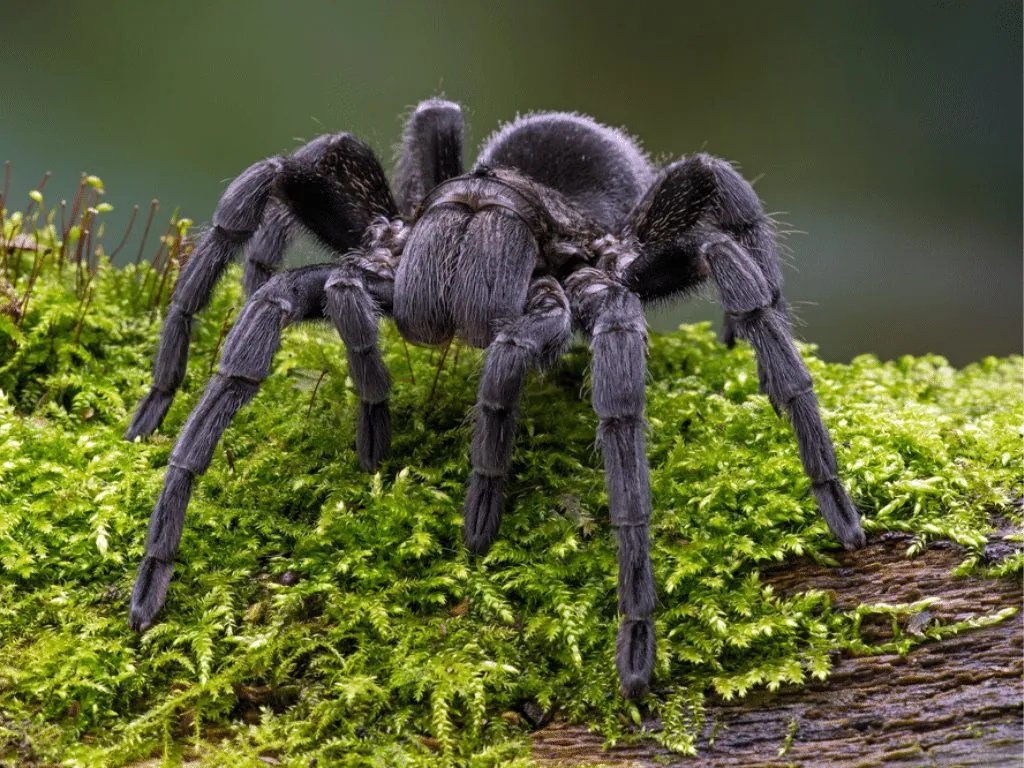
Baby Tarantula Black Care Guide
Bringing a baby tarantula black into your home is an exciting experience, but it also comes with responsibilities. These fascinating creatures require specific care to thrive. This guide will provide you with the essential information you need to successfully care for your baby tarantula black, covering everything from choosing the right species to maintaining a healthy environment. With proper care, your baby tarantula black can live a long and fulfilling life. Understanding their needs and providing for them is key to your tarantula’s well-being and your enjoyment of this unique pet. This guide covers the most important aspects of baby tarantula black care to make sure you are prepared and have all the knowledge needed.
Choosing the Right Baby Tarantula Black
The first step in caring for a baby tarantula black is choosing the right one. There are many species of tarantulas, and each has different care requirements and temperaments. Researching different species and understanding their specific needs is crucial. Some species are more docile and better suited for beginners, while others may be more defensive or require a higher level of care. When selecting a baby tarantula black, consider its size, lifespan, and the level of care you can realistically provide. Ensure you are prepared for the commitment and have the resources to meet the tarantula’s long-term needs. Choosing the right species is the foundation of successful tarantula ownership, setting you and your pet up for success.
Considerations for Buying Baby Tarantula Black

Before purchasing a baby tarantula black, consider where you will obtain it. Reputable breeders and pet stores are the best sources, as they often provide healthy specimens and can offer valuable advice. Avoid buying from sources that seem unprofessional or lack information about the tarantula’s origin and care. Ask about the tarantula’s feeding history and any health concerns. If possible, observe the tarantula’s behavior before purchasing it. Look for a tarantula that is active, alert, and appears healthy. Avoid tarantulas that appear lethargic, emaciated, or show signs of illness. Remember to research the species you are interested in to ensure it suits your lifestyle and experience level. Always prioritize the health and well-being of the tarantula when making your choice.
Species Selection
Selecting the right species is important. Some of the popular and beginner-friendly black tarantula species include the Grammostola pulchra, known for its docile nature. Research the specific needs of the species you choose, including its preferred temperature, humidity, and diet. Different species have different temperaments, so it’s important to choose one that matches your experience level. For example, the Brachypelma hamorii, another common species, is known for being relatively calm and easy to handle. Make sure to have the proper enclosure and supplies ready before bringing your baby tarantula black home. Understanding the specific requirements of your chosen species will greatly increase your chances of providing a comfortable and healthy environment for your pet.
Housing Your Baby Tarantula Black
The habitat is another essential aspect of caring for your baby tarantula black. A proper setup will provide your tarantula with a comfortable and safe environment where it can thrive. The enclosure should be large enough for the tarantula to move around comfortably but not so large that it feels overwhelmed. The habitat should also provide the necessary environmental conditions, such as proper temperature and humidity, to ensure the tarantula’s health and well-being. A well-designed habitat will also make it easier for you to observe your tarantula and provide the care it needs. Preparing the enclosure before introducing your new pet ensures a smooth transition and minimizes stress for the tarantula.
Terrarium Size and Setup

The size of the terrarium depends on the size of the baby tarantula black, and its adult size. A good rule of thumb is to provide an enclosure that is at least twice the tarantula’s leg span in width and length, and about the same height. For a baby tarantula, a smaller enclosure is often preferred to help it feel secure. Make sure the enclosure has a secure lid to prevent escapes. The setup should include substrate, such as coconut fiber or peat moss, to provide a burrowing surface and help maintain humidity. Add a hide, such as a piece of cork bark or a plastic hide, for the tarantula to feel safe. Provide a shallow water dish and ensure that it is always filled with fresh water. The right terrarium size and setup provide a secure and comfortable environment for your tarantula to grow and thrive. The type of enclosure will vary depending on the species and its natural behaviors, but providing a safe and appropriate space is essential.
Substrate and Decor
Substrate is a crucial component of your baby tarantula black’s habitat. It serves as a bedding material, helps to regulate humidity, and provides a surface for burrowing. Good choices for substrate include coconut fiber, peat moss, and a mix of these. Avoid substrates that are chemically treated or that could be harmful if ingested. The depth of the substrate should be sufficient to allow the tarantula to burrow if it is a terrestrial species. Decorate the enclosure with items that provide hiding places and enrichment, such as cork bark, artificial plants, and rocks. Ensure that any decorations are secured and do not pose a risk of injury to the tarantula. The substrate and decor should create a naturalistic and comfortable environment that meets the tarantula’s specific needs, promoting its physical and psychological well-being.
Temperature and Humidity Control
Maintaining the correct temperature and humidity is vital for your baby tarantula black’s health. Most tarantulas thrive in temperatures between 75-85°F (24-29°C). Use a thermometer to monitor the temperature in the enclosure and a heater, if necessary, to maintain the desired temperature range. Humidity levels vary depending on the species, but generally, a humidity level of 60-70% is suitable for many. Use a hygrometer to measure the humidity levels. You can increase humidity by misting the enclosure with water or by providing a larger water dish. Ensure proper ventilation to prevent mold growth. Temperature and humidity are essential for the tarantula’s health and molting process. Proper temperature and humidity management create a stable environment and contribute to the tarantula’s overall well-being, helping it to thrive.
Feeding Your Baby Tarantula Black

Feeding your baby tarantula black is another important aspect of its care. Tarantulas are carnivores and require a diet of insects. The type of insects and the feeding frequency will depend on the age and species of the tarantula. Providing a balanced diet of the appropriate size and type of prey will help your tarantula grow and thrive. Always ensure that the prey insects are healthy and free from pesticides. Remove any uneaten food from the enclosure to prevent mold growth. The right feeding approach contributes to your tarantula’s health and longevity. Feeding is a key element in keeping your tarantula healthy and happy, supporting its development and energy needs.
What to Feed
The main diet for a baby tarantula black consists of insects. Crickets, mealworms, and small roaches are common choices. The size of the insects should be appropriate for the size of the tarantula; the prey should generally be no larger than the tarantula’s abdomen. For very small baby tarantulas, fruit flies or pinhead crickets may be more suitable. Before feeding, you may want to gut-load the insects by feeding them nutritious foods, such as vegetables or commercial insect food. This helps ensure that your tarantula receives essential nutrients. Make sure any insects you feed are pesticide-free. Choose insects that are easy to obtain and care for, ensuring you can consistently provide a suitable food source for your pet. A balanced diet supports growth and the overall health of your tarantula.
Feeding Frequency
The feeding frequency for a baby tarantula black depends on its age and growth rate. Young tarantulas, which are actively growing, may need to be fed two to three times a week. As the tarantula matures, you can reduce the feeding frequency to once a week or even less. Observe your tarantula’s abdomen to determine if it is well-fed; a plump abdomen indicates it has eaten recently. Avoid overfeeding, as this can lead to health problems. Remove any uneaten prey within 24 hours to prevent stress and reduce the risk of mites. Feeding frequency is influenced by factors like species and growth stage. Regular monitoring and adjustments to the feeding schedule will help maintain your tarantula’s health and prevent overfeeding. It is essential to understand your tarantula’s specific needs and adjust the feeding schedule accordingly.
Watering Your Baby Tarantula Black

Providing fresh water is essential for your baby tarantula black. Tarantulas need access to water to stay hydrated and to aid in molting. Clean water should be available at all times. Proper hydration is critical for their health and molting process. Ensuring your tarantula has access to clean water is a basic, yet essential, component of tarantula care and overall well-being. Make sure the water source is appropriate for the size of the tarantula, and change the water regularly to prevent bacteria growth. Providing a proper water source contributes to its overall health and helps it thrive.
Providing Fresh Water
Provide a shallow water dish that is accessible to your baby tarantula black, the dish should be appropriately sized to prevent the tarantula from falling in and drowning. Ensure that the water dish is always filled with fresh, clean water. You can use tap water, but it’s best to let it sit out for 24 hours to allow chlorine to evaporate or use bottled water. Change the water in the dish at least once a week, or more often if it becomes soiled. Regularly cleaning and refilling the water dish guarantees that your tarantula always has access to fresh and safe drinking water. Keeping the water clean and readily available is a fundamental aspect of caring for your pet. It also contributes to the enclosure’s overall hygiene.
Misting
Misting the enclosure can help maintain the humidity levels, especially for species that require higher humidity. Use a spray bottle filled with clean water and mist the enclosure once or twice a week, depending on the humidity needs of your tarantula’s species. Avoid misting the tarantula directly, as this can stress it. Monitor the humidity levels with a hygrometer and adjust your misting schedule accordingly. If the substrate is consistently wet, reduce misting frequency and provide more ventilation. Misting can be a helpful technique for providing moisture and maintaining the ideal humidity for your tarantula. Make sure not to over-mist, which can lead to health problems. Misting is a valuable tool in humidity control, supporting the health and well-being of your pet.
Handling and Safety

Handling a baby tarantula black should be done with care and caution. While some tarantulas are more docile than others, all have the potential to bite, and their venom can cause a painful reaction. Consider the species’ temperament before handling. Handling should be minimized and only done when necessary, such as for health checks or moving the tarantula. When handling your tarantula, always be gentle and move slowly to avoid startling it. It is crucial to understand and respect the tarantula’s potential defensiveness. Always prioritize your safety and the tarantula’s well-being when interacting with your pet. Handling is best avoided unless absolutely necessary to reduce any potential risks and to maintain the comfort of the tarantula.
When to Handle
Limit handling of your baby tarantula black. Handle only when necessary, such as when cleaning the enclosure or during a health check. Even if your tarantula is docile, unexpected movements can startle it, which may lead to a bite or the tarantula dropping. If you need to handle your tarantula, do so gently, preferably in a controlled environment. Allow the tarantula to walk onto your hand rather than picking it up. Always support the tarantula’s body and avoid sudden movements. If the tarantula shows signs of stress, such as raising its front legs or flicking its setae (hairs), gently place it back in its enclosure. Be aware of the tarantula’s comfort to avoid stress.
Avoiding Bites
To avoid bites from your baby tarantula black, always handle it carefully and be aware of its body language. Tarantulas can bite as a defense mechanism if they feel threatened. Never put your fingers in front of its fangs. Before handling, wash your hands to remove any scents that might agitate the tarantula. Avoid handling a tarantula when it is molting or immediately after molting, as it is more vulnerable. If a tarantula bites you, it can be painful and cause localized swelling. If bitten, remain calm, and clean the bite area with soap and water. Watch for any allergic reactions. Remember, prevention is key. Understanding tarantula behavior and taking appropriate precautions can significantly reduce the risk of bites.
Common Health Issues

Like all pets, baby tarantulas black can experience health issues. Understanding the common problems and their causes is crucial for providing appropriate care. Many health issues in tarantulas are related to improper care, such as incorrect temperature or humidity, poor diet, or unsanitary living conditions. Regular monitoring of your tarantula’s behavior, appearance, and environment can help you catch any problems early and prevent them from becoming serious. The most important thing to ensure is to take care of your pet.
Moulting
Moulting is a natural process where tarantulas shed their exoskeleton to grow. Before moulting, the tarantula may stop eating, become lethargic, and its abdomen may appear darker. During molting, the tarantula will lie on its back. Do not disturb the tarantula while it is molting; this is a vulnerable time. After moulting, the tarantula’s exoskeleton is soft. It may take several days for the tarantula to regain its full strength. Provide it with a water source and do not feed it until its fangs have hardened. Proper humidity is also crucial for the molting process. The tarantula will go through this process several times as it matures. Understanding the molting process and providing the right care ensures a healthy and successful molt.
Parasites and Diseases
While tarantulas are generally hardy creatures, they can be susceptible to parasites and diseases. Mites are a common problem. They are often caused by unsanitary conditions. Prevention involves maintaining a clean enclosure and removing uneaten food. Other diseases can be caused by bacterial or fungal infections. Early detection and treatment are important. If you notice any unusual symptoms, such as lethargy, loss of appetite, or unusual behaviors, consult an experienced tarantula keeper or a veterinarian. Providing a clean and healthy environment will greatly minimize the risk of parasites and diseases and contribute to your tarantula’s overall health and well-being. Observing your tarantula closely is key to detecting and dealing with any health issues.
Conclusion
Caring for a baby tarantula black is a rewarding experience. By following this guide and providing the right environment, feeding, and care, you can ensure that your tarantula thrives and lives a long, healthy life. Remember to research your specific species, provide a suitable habitat, and handle your tarantula with care. Be patient and observant, and enjoy the unique experience of owning these fascinating creatures. With the knowledge and dedication, you can provide your baby tarantula black with everything it needs to thrive and become a cherished pet. The key to success is always to keep learning and to prioritize your tarantula’s well-being.