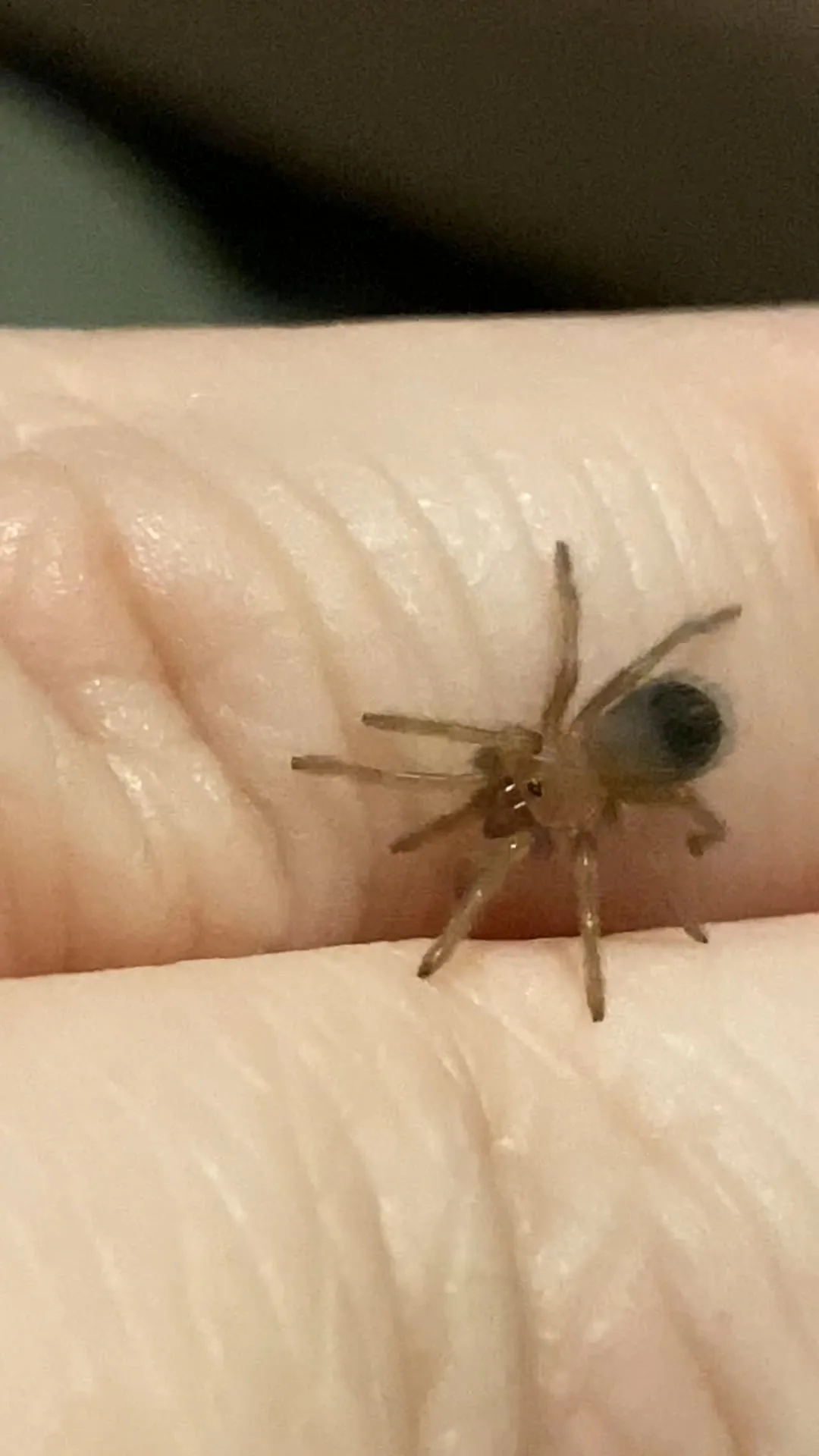
Baby tarantulas, those captivating miniature arachnids, possess a fascinating behavior — web-making. Understanding the intricacies of their web is crucial for providing proper care and ensuring their well-being. This guide delves into the world of baby tarantula webs, offering insights into their purpose, construction, and how to properly care for these tiny architects.
Understanding Baby Tarantula Web
Baby tarantula webs are not just random strands; they are meticulously crafted structures serving multiple vital functions. These webs are an essential part of their survival, and the way they construct and use them provides valuable insights into their overall health and behavior. The web’s characteristics can tell you much about your baby tarantula.
Why Baby Tarantulas Web
Baby tarantulas web for several essential reasons, and the understanding of each function is important for effective care. From protection to hunting, and sensing their environment, the web plays a central role in their lives. The way a baby tarantula webs also changes as they develop and grow.
Webbing for Protection

One primary reason for webbing is protection. Baby tarantulas are vulnerable to predators in the wild, and their webs provide a defensive barrier. The web acts as a tripwire, alerting the tarantula to potential threats. It also helps the tarantula to maintain a safe and secure micro-environment, shielding it from the elements and potential dangers. This is why an enclosure that mimics their natural environment is so important.
Webbing for Hunting
Webs are also integral to the hunting process. Baby tarantulas use their webs to create a sort of trap, especially for smaller prey. The sticky strands ensnare insects and other small invertebrates, allowing the tarantula to secure a meal. The web’s design and construction are often adapted to suit the tarantula’s hunting style and the type of prey it targets.
Top 5 Tips for Baby Tarantula Web Care
Proper care for your baby tarantula’s web is a significant part of providing a healthy and thriving environment. By following these guidelines, you can ensure your tarantula’s web serves its purpose and contributes to its overall well-being. This involves providing the correct environment, understanding the importance of the substrate, how to monitor its activity, providing the correct food, and how to keep the enclosure clean.
Tip 1 Provide the Right Environment

The enclosure should mimic the tarantula’s natural habitat as closely as possible. This includes appropriate temperature, humidity, and ventilation. The environment directly impacts the web’s quality and functionality. A poorly maintained environment can lead to a degraded web, which affects the tarantula’s health and hunting ability. Proper environmental conditions are essential for web health.
Temperature and Humidity Control
Maintaining the correct temperature and humidity levels is critical. Use a thermometer and hygrometer to monitor these levels regularly. Misting the enclosure can help maintain the proper humidity for many species. Ventilation is also important to prevent mold growth. Proper temperature and humidity will ensure the web remains functional and the tarantula stays healthy.
Tip 2 Substrate Selection
The substrate, the material at the bottom of the enclosure, is another vital component of web care. A good substrate will allow the tarantula to create a stable and effective web. Substrate selection must meet the needs of the tarantula, it must be safe and non-toxic. This will also help the tarantula web to stay healthy and effective.
Choosing the Right Substrate

Popular substrate choices include coconut fiber, peat moss, and vermiculite. These materials are absorbent, retain moisture, and allow the tarantula to burrow and web. Avoid substrates that are dusty or contain chemicals, which can harm the tarantula and its web. The substrate quality will directly affect the quality of the web.
Tip 3 Monitoring Web Activity
Observing the tarantula’s web activity provides insights into its health and behavior. A healthy tarantula typically maintains a clean and functional web. Changes in web construction, such as excessive webbing, unusual patterns, or a lack of web, can indicate problems. A poorly maintained web could indicate a sick tarantula. Regular observations are essential for providing the best care.
Interpreting Web Patterns
A tarantula that webs excessively might be stressed or preparing to molt. Conversely, a lack of webbing could indicate poor health or unsuitable environmental conditions. Look for any unusual web patterns. By understanding what is normal for your tarantula, you can identify potential problems. These signs can help you catch possible issues early.
Tip 4 Proper Feeding

The diet affects a tarantula’s overall health, which influences its web. Providing the right prey in the correct amounts ensures your tarantula has the energy to maintain its web. A well-fed tarantula will produce a more robust web. Regular feeding helps support web construction and overall well-being. A healthy diet results in a better web.
Feeding Habits and Web Influence
Observe how your tarantula interacts with its web during feeding. Does it quickly retreat to its burrow with the prey? Does it use the web to capture or secure its food? A healthy tarantula will usually integrate its web into its feeding routine. Always ensure the prey items are the correct size for your tarantula to avoid stressing your pet.
Tip 5 Cleaning and Maintenance
Cleaning and maintaining the enclosure is essential for preventing web contamination and maintaining a healthy environment. Regular cleaning helps remove uneaten prey, feces, and other debris that can degrade the web and promote the growth of harmful microorganisms. A clean enclosure provides an environment where the web can thrive. Regular maintenance is critical.
Web Cleaning Schedule

A good cleaning schedule involves spot cleaning to remove uneaten food and fecal matter and a full enclosure cleaning every few months. Use appropriate tools and methods to avoid damaging the web. Be careful not to disturb the tarantula during cleaning. Maintain a clean enclosure to support a healthy web.
Common Problems and Solutions
Even with proper care, problems can arise with a baby tarantula’s web. Understanding these issues and how to address them is essential for ensuring your pet’s health. From damage to contamination, these common problems can be easily addressed. Early detection and proactive management can help prevent these issues and ensure a healthy web.
Web Damage and Repair
Web damage can occur due to various factors, including physical damage from the tarantula or external disturbances. If the web is damaged, assess the extent of the damage. In many cases, the tarantula will repair its web on its own. If the damage is significant, you may need to adjust the enclosure setup or provide a more secure environment. Carefully inspect the web to identify and address any damage.
Preventing Web Contamination

Web contamination can result from uneaten prey, mold, or other pollutants. Regularly remove uneaten food, ensure proper ventilation, and maintain appropriate humidity levels to prevent contamination. If contamination occurs, clean the affected areas and consider replacing the substrate if necessary. Proactive steps will prevent the contamination of the web.
In conclusion, the baby tarantula web is a complex and vital structure that plays an integral role in a tarantula’s life. By understanding the purpose of the web, following these five tips, and addressing common problems, you can provide a nurturing and healthy environment for your baby tarantula. This care will ensure your pet can thrive and enjoy a long and healthy life. Taking care of your tarantula’s web will contribute to the overall well-being of your pet.