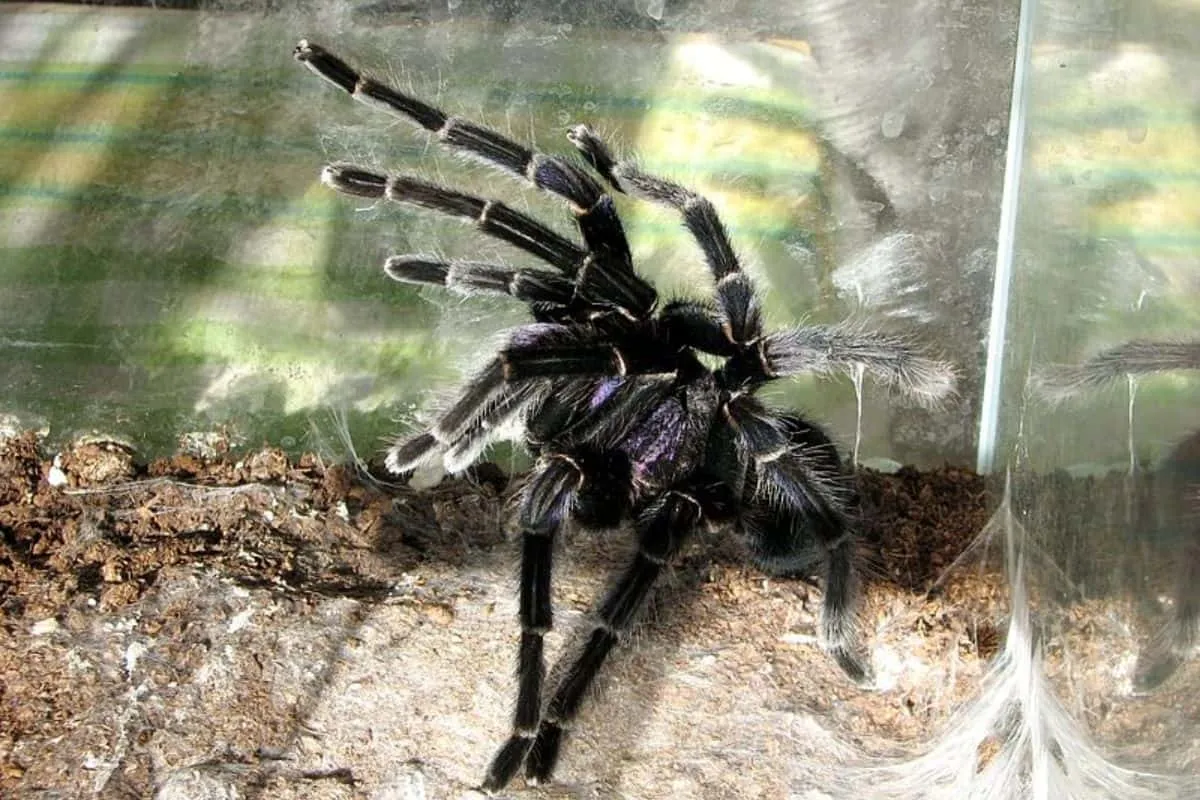
Understanding Tarantula Enclosure Needs
Creating the ideal tarantula enclosure is crucial for the health and well-being of your eight-legged friend. A well-designed habitat mimics the tarantula’s natural environment, providing everything it needs to thrive. This includes appropriate space, substrate, temperature, humidity, and opportunities to exhibit natural behaviors like burrowing and web-spinning. Before you even consider getting a tarantula, researching their specific needs is essential. Different species have different requirements, so what works for one tarantula may not be suitable for another. This guide will provide you with the essential knowledge to create a safe and enriching enclosure for your tarantula, ensuring it lives a long and happy life. Failing to provide the right setup can lead to stress, health issues, and even premature death for your pet.
Size Matters Choosing the Right Enclosure
Choosing the right size of enclosure is fundamental to your tarantula’s well-being. An enclosure that is too small can restrict movement and lead to stress, while one that is excessively large can make it difficult for the tarantula to find food and feel secure. The size of the enclosure should primarily be based on the tarantula’s leg span. It’s generally recommended that the enclosure be at least two to three times the tarantula’s leg span in width and length. Height is also important, especially for arboreal (tree-dwelling) species, as they need room to climb and create webs. Proper sizing not only benefits the tarantula but also makes maintenance easier. A well-proportioned enclosure allows for better temperature and humidity regulation, making it a healthier environment overall. Consider the species of tarantula, their adult size, and whether they are terrestrial or arboreal when selecting an enclosure.
Enclosure Size Guidelines

To ensure that the tarantula has enough room to thrive, use this guideline. For slings (juvenile tarantulas) a small deli cup or a similarly sized container may be sufficient until they grow. For terrestrial species, a general rule of thumb is to provide an enclosure that is at least three times the leg span in width and length. For arboreal species, height is important, so choose an enclosure that is taller than it is wide, allowing for climbing and web-building. As the tarantula grows, you’ll need to upgrade the enclosure accordingly. This may involve moving the tarantula to a larger enclosure several times during its life. Always observe your tarantula’s behavior; if it seems stressed, unable to move freely, or has difficulty hunting, it may be time to upgrade to a larger enclosure. Remember to account for the adult size of the species when planning the enclosure.
Material Selection for Your Tarantula Enclosure
The material of your tarantula enclosure has a significant impact on its functionality, maintenance, and aesthetic appeal. The two most common materials for tarantula enclosures are glass and acrylic, each with its own set of advantages and disadvantages. Other materials, such as plastic, can also be used, but they often lack the transparency and durability of glass or acrylic. The choice of material often depends on personal preference, budget, and the specific needs of the tarantula species. Regardless of the material chosen, it’s essential to ensure that the enclosure is secure, well-ventilated, and easy to clean. Selecting the right material helps in creating a long-lasting and suitable habitat for your tarantula.
Glass Enclosures Pros and Cons
Glass enclosures are a popular choice due to their high transparency, which allows for excellent viewing of your tarantula. Glass is also scratch-resistant and easy to clean, making it a durable and low-maintenance option. Another advantage is the ability to maintain stable temperature and humidity levels due to the material’s insulating properties. However, glass enclosures are typically heavier than acrylic ones, which can make them harder to move and handle. They can also be more fragile and prone to breakage if dropped. Furthermore, glass enclosures can be more expensive than their acrylic counterparts. When using glass, it’s critical to ensure secure ventilation, as glass does not breathe. Consider the size and species of the tarantula, the enclosure’s location, and your personal preferences when deciding between glass and acrylic.
Acrylic Enclosures Pros and Cons

Acrylic enclosures offer several benefits over glass, including being lightweight and more resistant to shattering, which makes them a safer option. Acrylic has good insulating properties, helping to maintain stable temperatures and humidity within the enclosure. Many hobbyists prefer acrylic due to its higher clarity and better viewing angles than glass. Acrylic enclosures are also available in a variety of shapes and sizes, providing more design flexibility. However, acrylic can be more prone to scratching than glass, and can be affected by certain cleaning agents and solvents. The cost of acrylic enclosures can be comparable to or slightly higher than glass. It’s crucial to use appropriate cleaning methods and avoid abrasive materials to prevent scratching. Evaluate the pros and cons carefully, based on your specific needs and budget.
Ventilation Requirements for Tarantula Enclosures
Proper ventilation is a non-negotiable aspect of a healthy tarantula enclosure. Good ventilation ensures that fresh air circulates throughout the enclosure, which prevents the buildup of harmful gases and reduces the risk of mold and mildew growth. Adequate airflow also helps regulate humidity levels, preventing excessive moisture that can be detrimental to the tarantula’s health. The design of the ventilation system should be tailored to the tarantula species; some species thrive in drier environments, while others need higher humidity. The number and size of ventilation holes, as well as their placement, are key factors. Proper ventilation is crucial for maintaining a healthy and comfortable habitat for your tarantula.
Why Ventilation is Critical
Ventilation plays a vital role in maintaining a healthy environment for your tarantula. The buildup of ammonia and carbon dioxide from the tarantula’s waste can be toxic, and poor ventilation can lead to respiratory problems. High humidity combined with poor airflow creates an ideal environment for mold and bacteria to thrive, which can be extremely dangerous to the tarantula. Proper ventilation helps regulate humidity levels, preventing the substrate from becoming excessively damp, and promotes a balanced ecosystem within the enclosure. A well-ventilated enclosure also ensures that the tarantula’s environment is fresh and clean, which is vital to the long-term health and well-being of the pet. The correct ventilation will reduce the risk of disease and improve the tarantula’s quality of life.
How to Ensure Proper Ventilation

There are several ways to ensure proper ventilation. The most common method involves creating a cross-flow of air, with ventilation holes on opposite sides of the enclosure. These holes can be located on the sides, top, or a combination of both. The number and size of the holes will depend on the enclosure size and the species of tarantula. Avoid placing ventilation holes directly above the substrate, as this can cause the enclosure to dry out too quickly. Consider using a mesh top for additional ventilation, ensuring the mesh is secure and has small enough openings to prevent escape. Regularly monitor the humidity levels and adjust the ventilation as needed to maintain the ideal environment for your tarantula. The right balance of ventilation helps prevent moisture buildup and the growth of harmful organisms.
Substrate Selection & Setup
Substrate is the material that forms the floor of the enclosure, and it serves several important functions, including providing a surface for the tarantula to walk on, burrow in, and create its web. It also helps to maintain humidity levels, and it acts as a buffer against temperature fluctuations. The choice of substrate should be based on the tarantula’s natural habitat, as well as its specific needs. Different tarantula species have different preferences and requirements. The ideal substrate should be non-toxic, absorbent, and easy to clean. Correctly setting up the substrate can greatly influence the health and comfort of the tarantula. A well-chosen and properly maintained substrate contributes to a thriving and secure environment for your pet.
Ideal Substrate Types
Several substrate options are available, each with its own benefits and drawbacks. Coco fiber is a popular choice due to its excellent moisture-retention properties and natural look. Sphagnum moss can also be used to increase humidity and create hiding spots. Other options include peat moss, vermiculite, and a combination of substrates to suit specific needs. Avoid using substrates that are toxic or that can harbor mites or other pests. The best substrate type will depend on the species of tarantula and its environmental needs. It is important to research your specific tarantula species to determine the most suitable substrate for its enclosure. Combining different substrates is also a popular practice, which allows for a more naturalistic setup that mimics the tarantula’s native environment.
Substrate Depth and Humidity

The depth of the substrate depends on the tarantula’s species and whether it is a burrowing species. For burrowing species, a substrate depth of several inches is recommended to allow them to dig and create their burrows. For non-burrowing species, a depth of 1-2 inches is usually sufficient. Maintaining the correct humidity level is crucial for the tarantula’s health. You can achieve this by lightly misting the substrate with water, ensuring that the substrate is damp but not waterlogged. Regular monitoring of humidity is important; use a hygrometer to measure humidity. Avoid excessive humidity, which can lead to mold and fungal growth. The proper combination of substrate type, depth, and humidity will ensure the long-term well-being of your tarantula.
Essential Decor and Hiding Places
Providing the right decor and hiding places is essential to the psychological well-being of your tarantula. In the wild, tarantulas spend most of their time hidden away, away from predators, and conserving energy. Offering a safe and secure environment helps reduce stress and allows the tarantula to feel comfortable in its enclosure. Decor enhances the aesthetic appeal of the enclosure and also provides enrichment, encouraging natural behaviors like burrowing, web-spinning, and exploring. The types of decor and hiding places will vary depending on the tarantula species and its specific needs. Creating a naturalistic environment will greatly contribute to the tarantula’s overall health and quality of life.
Providing Hiding Spots
Hiding spots are essential for tarantulas, as they offer a secure retreat where the tarantula can feel safe. Providing a hide allows the tarantula to regulate its stress levels and feel secure in its environment. There are several options for providing hides, including cork bark, half logs, artificial plants, and commercially available hides. The hide should be appropriately sized for the tarantula, allowing it to enter and exit comfortably. It should also be placed in a location where the tarantula can easily access it. Changing hiding places can also bring stimulation. Consider the size of your tarantula and its species-specific behaviors when choosing hiding spots. The hide should allow your tarantula to retreat and feel protected.
Water and Feeding Dishes

Water and feeding dishes are essential components of a tarantula enclosure. A shallow water dish should be provided at all times, ensuring that the tarantula has access to fresh, clean water. The dish should be shallow enough to prevent the tarantula from drowning, especially for slings and smaller species. Feeding dishes, while not always necessary, can help prevent uneaten prey from hiding in the substrate. When providing a feeding dish, choose one that is easy to clean and prevents the prey from escaping. The placement of both water and feeding dishes is important. Place the water dish in a location that is easily accessible to the tarantula. Ensure that the water dish is cleaned regularly to prevent the buildup of bacteria. The feeding dish should be placed where the tarantula can easily find its food. Adequate water and food, properly presented, are critical for the tarantula’s health.
Maintaining Temperature and Humidity
Maintaining the correct temperature and humidity levels is crucial for the health and well-being of your tarantula. Tarantulas are ectothermic animals, meaning they rely on external sources to regulate their body temperature. Temperature and humidity requirements vary depending on the species, so research the specific needs of your tarantula. Providing the right environment helps to ensure that the tarantula can properly digest its food, molt successfully, and remain active and healthy. Regularly monitoring and adjusting the temperature and humidity is essential, using appropriate equipment and techniques to create a stable environment. This will contribute to the overall quality of life and longevity of your tarantula.
Heating Options for Tarantulas
Several options are available for providing heat, including heat lamps, heat pads, and ceramic heat emitters. Heat lamps are suitable for arboreal species, while heat pads are often used for terrestrial species. When using heat sources, it’s important to monitor the temperature closely and avoid overheating, which can be fatal to the tarantula. A thermometer is crucial to accurately measure the temperature within the enclosure. Heat pads should be placed on the side of the enclosure or underneath, but never directly under the substrate, as this can cause hotspots. The use of a thermostat can help regulate the temperature and prevent overheating. Providing a thermal gradient, with a warm side and a cooler side, allows the tarantula to regulate its body temperature effectively. The right heating setup ensures that your tarantula is comfortable and active.
Monitoring Humidity Levels

Monitoring humidity is as important as monitoring temperature. Using a hygrometer, which is a device that measures humidity, is essential to ensure that the humidity level is within the ideal range for your tarantula’s species. The humidity level can be adjusted by misting the enclosure with water, providing a water dish, or adjusting the ventilation. Humidity levels should be checked regularly, and adjusted as needed, to keep the tarantula comfortable and prevent problems such as dehydration or mold growth. The enclosure’s substrate choice plays a significant role in maintaining humidity. Proper monitoring and adjustment of humidity will create the right environment for a healthy, thriving tarantula. Always research the ideal humidity range for your specific tarantula species to ensure the best possible care.
Enclosure Security Preventing Escapes
Tarantulas are masters of escape, and a secure enclosure is essential to prevent them from wandering away. Escaped tarantulas can pose a safety risk, and can be challenging to find. Ensuring the enclosure is secure starts with the choice of enclosure and includes regular checks and maintenance. Preventing escapes is crucial for the safety of both the tarantula and anyone else living in the house. There are several steps to take to ensure that the enclosure is escape-proof, and to provide peace of mind. Take these measures to safeguard your pet, and protect yourself and your family.
Securing the Lid
The lid of the enclosure is the most critical part of the enclosure’s security. Ensure that the lid fits snugly and securely. If the enclosure has a sliding lid, it should have a locking mechanism to prevent it from being pushed open. For enclosures with hinged lids, use secure latches or clips to keep the lid closed. Regularly check the lid and locking mechanisms to ensure they are functioning correctly. Be especially cautious during feeding or maintenance, when the lid is most likely to be opened. Never leave the enclosure unattended while the lid is open, as this is the most common time for escapes to occur. Securing the lid is the most important step in preventing tarantulas from escaping. Always double-check the lid after any activity involving the enclosure.
Regular Enclosure Maintenance
Regular maintenance is critical for maintaining a healthy environment and preventing potential health issues. Cleaning and maintaining the enclosure involves several steps, including removing uneaten food, cleaning the water dish, and removing any waste. Regularly inspecting the enclosure for signs of mold or other problems is also important. Proper and consistent maintenance reduces the risk of disease and promotes the overall well-being of the tarantula. A clean and well-maintained enclosure contributes to the tarantula’s long-term health and happiness, ensuring that the tarantula lives a fulfilling life. Establish a regular cleaning schedule and stick to it to minimize effort and maximize effectiveness.
Cleaning and Substrate Changes
Cleaning the enclosure involves spot-cleaning the enclosure regularly, removing any uneaten prey or waste. The water dish should be cleaned and refilled with fresh water on a regular basis. Full substrate changes should be done as needed, usually every few months or when the substrate becomes soiled or compacted. When performing a substrate change, remove the tarantula to a temporary holding container. Thoroughly clean and disinfect the enclosure before adding fresh substrate. When cleaning, use non-toxic cleaning agents. Avoid using harsh chemicals that could harm the tarantula. Always rinse the enclosure thoroughly after cleaning to ensure that no cleaning products remain. Maintaining a clean enclosure is vital for the long-term health of your tarantula.