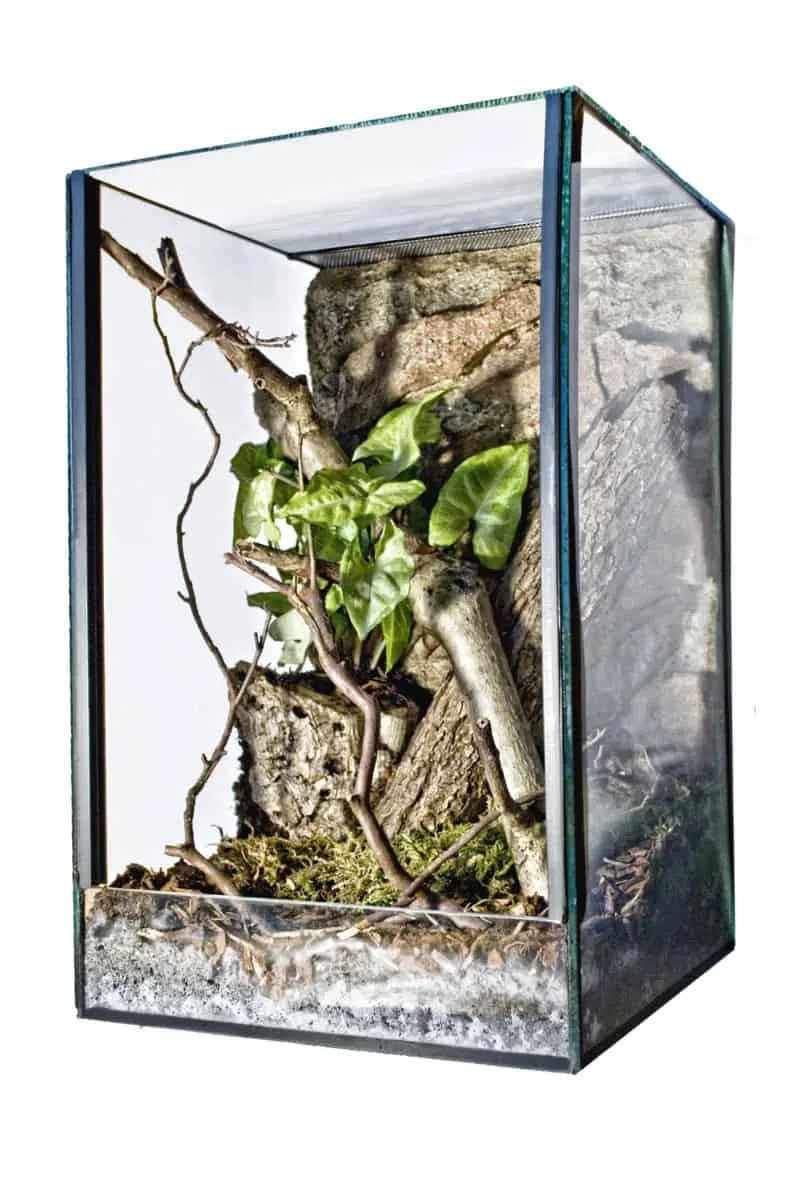
What Makes a Good Tarantula Enclosure?
Choosing the best tarantula enclosure is crucial for the health, happiness, and longevity of your eight-legged pet. A well-designed enclosure provides the necessary environment for your tarantula to thrive, mimicking its natural habitat and fulfilling its basic needs. The ideal enclosure balances functionality, safety, and aesthetic appeal, ensuring both the spider’s well-being and the owner’s peace of mind. Several factors contribute to a good tarantula enclosure, including appropriate size and dimensions, effective ventilation, suitable substrate, and robust security features. Ignoring these elements can lead to stress, health problems, and even escape, highlighting the importance of a well-considered enclosure.
Size and Dimensions
The size of the enclosure is paramount. It should be large enough for the tarantula to move around comfortably, allowing for natural behaviors such as burrowing, web-spinning, and hunting. Generally, the enclosure’s width should be at least twice the tarantula’s leg span, with adequate height to allow for substrate depth and arboreal species to climb. Overly large enclosures can be challenging for young tarantulas to find food, while too small enclosures restrict movement and lead to stress. Consider the species’ adult size when selecting an enclosure to avoid having to upgrade frequently. Vertical space is essential for arboreal species like the Pinktoe tarantula, while terrestrial species require more floor space for foraging and burrowing. Proper sizing contributes significantly to a healthy and content tarantula.
Ventilation

Adequate ventilation is another critical aspect of a good tarantula enclosure. Proper airflow prevents the buildup of humidity and stale air, reducing the risk of mold, bacterial growth, and respiratory problems. Enclosures should have ventilation holes or mesh panels to allow for continuous air circulation. The number and placement of ventilation points should be considered, ensuring sufficient airflow without causing excessive dryness, which can also be detrimental. The design of the ventilation system is crucial, with some enclosures featuring ventilation on the sides, top, or both. Ensure the ventilation system is secure to prevent escapes and is appropriately sized for the enclosure volume. Effective ventilation is a key element in maintaining a healthy and thriving environment for your tarantula.
Substrate
The substrate serves as the tarantula’s living surface and plays a vital role in maintaining appropriate humidity levels. The best substrates are those that can retain moisture and allow the tarantula to burrow if it is a terrestrial species. Popular choices include a mix of coco fiber, peat moss, and vermiculite. The depth of the substrate should be sufficient to allow for natural burrowing behavior, typically ranging from 4 to 8 inches, depending on the tarantula species. Avoid substrates that are toxic or contain sharp particles that could injure your tarantula. Regular monitoring of the substrate is essential; it should be kept slightly moist but not waterlogged to prevent mold growth and promote a healthy environment. The correct substrate is essential for the tarantula’s comfort, safety, and overall well-being.
Security Features
Tarantulas are escape artists, so the enclosure’s security is a non-negotiable feature. The enclosure must have a secure lid or door that cannot be easily opened by the tarantula. The locking mechanism should be robust, and the lid should fit snugly to prevent any gaps where the tarantula could squeeze through. Consider a lid that is clipped or locked, avoiding any sliding doors that may not seal properly. If the enclosure has any ventilation holes or mesh, ensure that the holes are small enough to prevent escape. Regularly inspect the enclosure for any signs of wear and tear, and replace it immediately if the security is compromised. A secure enclosure protects both your tarantula from external threats and your home from a potential escapee.
Top 7 Tarantula Enclosures in Greece

Finding the perfect tarantula enclosure in Greece requires a blend of research and awareness of available local options. The following list compiles 7 top picks, considering factors such as availability, quality of materials, ease of use, and customer reviews. Keep in mind that availability may vary, so checking with local pet stores or online retailers is recommended before making a final decision. Each enclosure offers unique features, catering to various tarantula species and owner preferences, ensuring that you will find a suitable option for your needs.
Enclosure 1
Enclosure 1 stands out for its exceptional design and durability. It is constructed from high-quality acrylic, providing a clear view of the tarantula while being resistant to damage. Its dimensions are suitable for a variety of terrestrial species. The secure lid is easy to operate, and the enclosure includes well-designed ventilation to ensure proper airflow.
Features of Enclosure 1
- Durable acrylic construction
- Secure locking mechanism
- Optimal ventilation system
- Easy to clean design
Enclosure 2

Enclosure 2 is another great option. It is particularly well-suited for arboreal species. The enclosure’s vertical design provides ample space for climbing, mimicking the natural habitat of arboreal tarantulas. It is made from durable glass with a screen top that allows for excellent ventilation.
Features of Enclosure 2
- Tall vertical design
- Screen top for ventilation
- Secure locking system
- Suitable for arboreal species
Enclosure 3
Enclosure 3 is an ideal choice for beginners. It features a simple yet effective design that prioritizes ease of use and maintenance. The enclosure is made from durable plastic and offers excellent visibility and secure ventilation.
Features of Enclosure 3

- User-friendly design
- Good ventilation
- Easy to clean
- Durable plastic construction
Enclosure 4
Enclosure 4 excels in its customization options. It includes adjustable features such as substrate depth control and multiple ventilation points, giving owners flexibility. The enclosure also includes a built-in thermometer and hygrometer.
Features of Enclosure 4
- Customizable features
- Built-in thermometer/hygrometer
- Adjustable ventilation
- Durable and secure
Enclosure 5

Enclosure 5 offers a unique aesthetic design. It is made of high-quality glass with a sleek, modern look, perfect for displaying your tarantula. Its construction prioritizes durability and ease of maintenance, making it a solid choice for any tarantula owner.
Features of Enclosure 5
- Sleek, modern design
- High-quality glass
- Durable and secure
- Easy to clean
Enclosure 6
Enclosure 6 is designed for optimal humidity control, crucial for many tarantula species. The enclosure incorporates a well-sealed design to maintain humidity levels and includes a clear view for easy monitoring.
Features of Enclosure 6

- Optimal humidity control
- Well-sealed design
- Clear view
- Easy to maintain
Enclosure 7
Enclosure 7 is an excellent option for those on a budget. This enclosure strikes a balance between affordability and essential features. The enclosure features sturdy plastic construction with good ventilation and a secure locking mechanism.
Features of Enclosure 7
- Budget-friendly
- Sturdy plastic construction
- Secure locking mechanism
- Good ventilation
How to Choose the Right Enclosure for Your Tarantula
Selecting the right tarantula enclosure involves several considerations that ensure the comfort and well-being of your pet. The decision-making process should be tailored to the specific needs of your tarantula species, your budget, and your personal preferences. Evaluating these factors carefully will lead you to an enclosure that not only suits your tarantula’s needs but also complements your lifestyle.
Consider Your Tarantula Species
The most critical factor in choosing an enclosure is your tarantula species. Different species have different habitat requirements. Terrestrial tarantulas, for instance, need more floor space and a deeper substrate for burrowing, while arboreal species require height and vertical space. Research your tarantula’s specific needs, including its preferred temperature, humidity, and ventilation requirements. Some species are more sensitive to humidity fluctuations, necessitating enclosures with better moisture control. Knowing the adult size of your tarantula is also critical to prevent the need for frequent enclosure upgrades. Observing the natural behaviors of your tarantula, such as burrowing, climbing, and webbing, can provide further insights into the ideal enclosure setup. Choosing the right enclosure based on the species’ specific needs is crucial for their health and happiness.
Research Local Suppliers
In Greece, the availability of tarantula enclosures can vary. Thorough research into local pet stores and online retailers is important. Check online forums and social media groups for recommendations on reputable suppliers in Greece. Read customer reviews and compare prices and product selections among different vendors. Consider the materials and construction quality of the enclosures available. Some local suppliers may offer specialized enclosures or accessories that meet specific needs. Building relationships with local experts can provide valuable insights and support. Before making a purchase, check the supplier’s return policies and warranty options. Researching local suppliers will help you find the best enclosure for your tarantula’s needs.
Budgeting for Your Enclosure
Setting a budget for your tarantula enclosure is an essential step in the selection process. The cost of an enclosure can vary greatly depending on the materials, size, and features. Decide on a price range before you begin shopping, and stick to it. Prioritize the essential features based on your tarantula’s needs. A basic, well-designed enclosure may be sufficient for certain species, while others may require more specialized setups. Consider the long-term costs, such as substrate replacement and potential upgrades. Comparing prices from different suppliers can help you get the best value for your money. It’s possible to find high-quality, secure enclosures within a reasonable budget. Setting a budget will help you narrow down your choices and make a responsible decision.
Maintaining Your Tarantula Enclosure
Maintaining your tarantula enclosure is essential for your pet’s well-being and longevity. Regular cleaning, monitoring of environmental conditions, and appropriate feeding practices are critical components of tarantula care. A clean and well-maintained enclosure provides the optimal environment for your tarantula to thrive. Proper maintenance not only keeps your tarantula healthy but also helps prevent unpleasant odors and ensures your pet is as comfortable as possible.
Cleaning and Hygiene
Regular cleaning is vital for maintaining a healthy enclosure. Spot clean the enclosure weekly, removing any uneaten food, molted exoskeletons, and fecal matter. Replace the substrate every few months or as needed, depending on the species and the size of the enclosure. Completely sanitize the enclosure periodically, using a reptile-safe disinfectant. When cleaning, remove the tarantula to a temporary, secure container. Wash all surfaces thoroughly and rinse with water. Proper hygiene reduces the risk of bacterial and fungal growth, creating a safer environment for your tarantula. Cleanliness also contributes to controlling odors and improving the overall aesthetics of the enclosure.
Temperature and Humidity
Maintaining the correct temperature and humidity levels is critical for your tarantula’s health. Research your tarantula species’ specific needs, as different species have varying requirements. Monitor the temperature using a thermometer and the humidity using a hygrometer. Adjust the heating and humidity levels as needed, using heating pads, misters, or humidifiers. Avoid placing the enclosure in direct sunlight or near heat sources. Ensure that the enclosure has good ventilation to prevent excessive humidity. Provide a shallow water dish for your tarantula to drink from, and refill it regularly. Regularly monitor the environmental conditions within the enclosure and take necessary action to prevent any issues. Maintaining optimal temperature and humidity is essential for the tarantula’s comfort, health, and molting process.
Conclusion
Choosing the best tarantula enclosure in Greece involves careful consideration of various factors. From the basic requirements of a good enclosure to selecting the right model for your species, understanding the essentials ensures the health and happiness of your pet. Remember that size, ventilation, substrate, and security are paramount for creating a suitable habitat. By exploring the top enclosure options available in Greece and following the maintenance tips, you can create a thriving environment for your tarantula. With the right enclosure, you will not only provide a safe and comfortable home for your eight-legged friend but also enhance your enjoyment of this fascinating hobby.