Understanding Tarantula Enclosures for KS2
Welcome to the ultimate guide to tarantula enclosures tailored for KS2 students! This guide will help you understand everything you need to know about setting up a safe, comfortable, and enriching habitat for your pet tarantula. Tarantulas are fascinating creatures, and providing the right environment is crucial for their well-being. This includes the proper size, materials, ventilation, substrate, and decorations. We’ll cover all these aspects step by step, making it easy for KS2 students to grasp the essentials. Proper tarantula care is not just about having a pet; it’s about learning responsibility, observation skills, and an appreciation for the natural world.
Why is the Right Enclosure Important
The enclosure is the tarantula’s entire world. A well-designed enclosure provides the necessary conditions for your tarantula to thrive. It regulates temperature and humidity, allows for proper ventilation, and offers a safe space for the spider to eat, drink, and feel secure. Without the right environment, a tarantula can experience stress, which can lead to health issues. A cramped or poorly maintained enclosure can also lead to molting problems. The right enclosure also offers a great opportunity to observe your tarantula’s behavior, providing valuable insights into its needs and habits. It’s important to learn the best practices to keep your tarantula healthy and happy.
Factors to Consider for KS2 Students
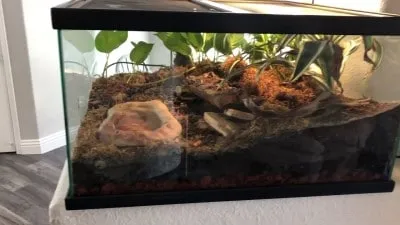
When choosing an enclosure, KS2 students should consider several key factors. Safety is paramount; the enclosure must be escape-proof to prevent the tarantula from wandering. Easy access for feeding, watering, and cleaning is also important. The enclosure should be easy to clean and maintain, with clear visibility so you can observe your tarantula. The enclosure’s size should match the tarantula’s size. The type of substrate is also essential as it helps to maintain humidity levels. Decorating the enclosure provides enrichment for the tarantula. Make sure that you are considering all of these factors before setting up the enclosure, to ensure that your tarantula is living in a safe and healthy environment.
Size Matters Choosing the Right Enclosure
The size of the enclosure depends on the tarantula’s size. A good rule of thumb is to provide an enclosure that is at least twice the tarantula’s leg span in width and length. Height is also important, especially for arboreal (tree-dwelling) tarantulas, which need space to climb. A smaller enclosure is suitable for a young tarantula, while larger enclosures are necessary as the tarantula grows. The enclosure should provide enough space for the tarantula to move around comfortably and to create a burrow or hide. Before you choose the size, research the species and its growth rate. This will help you to make the best choice when buying the enclosure.
Choosing the Right Enclosure Material
The material of the enclosure is a critical aspect. The two most popular choices are glass and acrylic. Each has its own pros and cons. The best material is one that is easy to clean, provides good visibility, and allows for proper ventilation. The material should also be durable and safe for the tarantula. Avoiding materials that can be toxic or that have sharp edges is important. The material will also have an impact on the heat retention, so be sure to consider that before making the final choice. Knowing the pros and cons of each material will help you make an informed decision.
Glass Enclosures

Glass enclosures are common. They are usually readily available and provide excellent visibility, allowing for great observation of the tarantula. They are also relatively easy to clean. However, glass enclosures can be heavy and may not retain heat as well as other materials. It’s essential to ensure the glass is thick enough to withstand the tarantula’s burrowing and climbing activities. You need to be careful when handling a glass enclosure because it can break if dropped or knocked over. Glass enclosures are often the go-to choice for many tarantula keepers due to their advantages of good visibility and ease of cleaning.
Acrylic Enclosures
Acrylic enclosures are a popular choice because they are lightweight and offer great visibility. They also retain heat better than glass enclosures. Acrylic is less prone to breaking, making it safer. They are usually clearer than glass enclosures. However, acrylic enclosures can scratch more easily than glass, and they might cost a bit more. Ensure that you choose high-quality acrylic to avoid warping over time. They are an excellent option for KS2 students because of their durability and ease of use. Acrylic is also safer than glass. It will offer better heat retention for the enclosure.
Ventilation Needs for Your Tarantula
Proper ventilation is vital to prevent the buildup of excess humidity and the growth of mold and bacteria. Ventilation also helps to maintain a healthy environment for your tarantula. Ventilation ensures that fresh air circulates through the enclosure. Ensure the enclosure has enough holes or mesh panels to allow air to flow. The amount of ventilation needed depends on the species of tarantula and the humidity requirements. Too little ventilation can lead to health problems, and too much can dry out the enclosure. The right ventilation is essential to ensure the comfort and health of your tarantula.
Types of Ventilation Systems

There are several types of ventilation systems. Cross-ventilation is a common design, which has vents on opposite sides of the enclosure. This setup allows air to flow through the enclosure. Top ventilation, where vents are located on the lid, is another option. Many enclosures combine both types of ventilation for optimal airflow. The choice of ventilation system often depends on the enclosure’s design. The best ventilation is one that maintains the right humidity and temperature while preventing the enclosure from becoming stuffy. Be sure to monitor the enclosure to determine whether you have the right type of ventilation.
Substrate Selection for KS2 Tarantulas
The substrate is the material that covers the bottom of the enclosure and provides a surface for the tarantula to walk on, burrow in, and create its home. It is also critical for maintaining humidity levels. The right substrate depends on the species of tarantula. It needs to be non-toxic, and it should not contain any harmful chemicals or be abrasive to the tarantula’s skin. The substrate should also be easy to clean and replace. Regularly changing the substrate is important to maintain a healthy environment. The type of substrate that you choose will impact the tarantula’s wellbeing.
Choosing the Right Substrate
Common substrates include coconut fiber, peat moss, vermiculite, and potting soil. Coconut fiber is popular because it holds moisture well and is readily available. Peat moss is another good choice but should be rinsed to remove any chemicals. Vermiculite can also retain moisture. The correct substrate choice will ensure the tarantula is comfortable and healthy. You can also use a mix of materials to get the best results. It is essential to research your tarantula species and choose the best substrate. The proper selection helps the tarantula to create a naturalistic environment.
Benefits of Proper Substrate

A good substrate helps to regulate humidity levels. It allows the tarantula to burrow and feel secure. The substrate also provides a natural environment, which enriches the tarantula. You can also use the substrate for cleanup, making it easier to maintain the enclosure. It helps to maintain a healthy environment, which minimizes health issues. Proper substrate will also help the tarantula with molting, which is a vital process for them. Using the right substrate is a critical part of the tarantula’s health and well-being.
Decorating Your Tarantula Enclosure
Decorating the enclosure provides enrichment and makes the tarantula feel more secure. Decorations provide places to hide, climb, and explore. This can improve your tarantula’s mental and physical health. You can add elements that mimic the tarantula’s natural environment. Decorations also enhance the aesthetic appeal of the enclosure, making it more interesting to observe. The goal is to create a stimulating environment that allows the tarantula to behave naturally. The decorations give it a sense of security and provide interest.
Essential Decorations
Essential decorations include hides, such as cork bark or half logs. These provide a safe space for the tarantula to retreat and feel secure. You can also add plants (either live or artificial), branches, and rocks. Ensure that any decorations are clean and non-toxic. Avoid anything that can have sharp edges or can trap the tarantula. Choose decorations that mimic the tarantula’s natural environment. The decorations need to be appropriate for the species of the tarantula. The right decorations can significantly boost the tarantula’s well-being.
Adding Hides and Enrichment

Hides are crucial for the tarantula to feel safe. Provide at least one hide, and consider adding more. Enrichment items, such as climbing branches or artificial plants, can add interest and encourage natural behaviors. Ensure that the enrichment items are clean and don’t pose any risks. You can rearrange the decorations periodically to stimulate the tarantula and prevent boredom. Make sure to incorporate the enrichment items, allowing your tarantula to express its natural behaviors. Remember, a happy tarantula is one that feels secure and has opportunities for exploration and activity.
Maintaining Humidity and Temperature
Controlling humidity and temperature is critical to the tarantula’s health. Humidity and temperature levels vary by species, so researching your tarantula’s needs is essential. Proper humidity helps with molting, while the right temperature aids in digestion. Maintaining a suitable environment is also essential for the tarantula’s overall well-being. Using a thermometer and hygrometer to monitor these levels is essential. You should make sure the enclosure is getting the right level of heat and humidity to ensure your tarantula is safe and healthy.
Monitoring Humidity Levels
Use a hygrometer to measure the humidity levels inside the enclosure. Mist the enclosure with water to increase humidity. The frequency of misting depends on the species and the enclosure’s ventilation. Ensure that you don’t oversaturate the substrate, which can lead to mold. You can also increase humidity by providing a water dish. Proper humidity is key to a tarantula’s health, especially during molting. Monitoring the humidity will ensure you are providing the right conditions for your tarantula. The right humidity level can help keep your tarantula healthy and safe.
Maintaining Optimal Temperature

Use a thermometer to monitor the temperature in the enclosure. Most tarantulas thrive at temperatures between 75°F and 85°F (24°C to 29°C). Provide a heat source if needed, such as a heat mat. Never place the heat source directly under the enclosure. Place the heat mat on the side or back of the enclosure to avoid overheating. Make sure you maintain a consistent temperature to avoid stress on the tarantula. The right temperature is crucial for the tarantula’s health and digestion. Proper temperature levels can also help the tarantula thrive.
Feeding and Watering in the Enclosure
Proper feeding and watering are crucial for the tarantula’s health. Provide a clean water dish filled with fresh water at all times. Feed your tarantula appropriate-sized insects, such as crickets or mealworms. The feeding schedule depends on the tarantula’s age and species. It is important to remove uneaten food within 24 hours to prevent the growth of mold and mites. Fresh water and a good diet are essential to keep the tarantula happy and healthy. Knowing the right schedule and quantities will help keep your tarantula safe and healthy.
Feeding Your Tarantula
Feed your tarantula insects that are appropriate for their size, such as crickets, roaches, or mealworms. The frequency of feeding depends on the tarantula’s age, species, and the phase of its life cycle. Young tarantulas need to eat more often than adults. Ensure that the insects are from a reputable source and free from pesticides. You can offer food every day or every other day for young tarantulas. Adult tarantulas can eat once or twice a week. Make sure that you are also removing the uneaten food to ensure the health and safety of your tarantula.
Watering Your Tarantula
Always provide a clean water dish. The size of the water dish should be appropriate for the size of the tarantula. It’s important to keep the water fresh and clean. Refill the water dish regularly, usually every day or every other day. Ensure the water dish is shallow enough to prevent drowning. Providing fresh water ensures the tarantula stays hydrated. Water is essential for the tarantula to survive. The water dish should always be clean and accessible to the tarantula. Providing the right amount of water will help to keep your tarantula safe and healthy.
Cleaning and Maintenance
Regular cleaning and maintenance are crucial to maintaining a healthy environment and prevent the growth of mold and pests. Develop a cleaning schedule and stick to it. Spot-clean the enclosure regularly, removing any uneaten food or waste. The cleaning schedule will ensure that you are providing a safe environment. The right cleaning supplies and schedule will keep your tarantula safe and healthy. Regular maintenance will help extend the lifespan of the enclosure as well.
Regular Cleaning Schedule
Spot-clean the enclosure every week, removing any uneaten food or waste. Change the substrate every few months. The frequency depends on the substrate type and the tarantula’s size. Clean the water dish and replace the water daily. Sanitize the enclosure thoroughly every few months. Use a reptile-safe cleaner, and avoid using harsh chemicals. Clean the enclosure in stages to prevent the tarantula from escaping. A regular cleaning schedule will help ensure the enclosure is clean and safe. Cleanliness also prevents any issues from arising, ensuring your tarantula’s safety.
Dealing with Mold and Pests
Inspect the enclosure regularly for signs of mold or pests, such as mites. If you find mold, remove the affected substrate and clean the enclosure thoroughly. Increase ventilation to prevent mold growth. If you notice pests, you can try to remove them manually. Also, research the best ways to eliminate mites and prevent future infestations. Maintaining a healthy environment can help prevent these issues. Make sure to act promptly when you see issues arising. Dealing with issues is essential to maintain the health of your tarantula.
Common Mistakes to Avoid
There are several common mistakes that KS2 students and beginners can make when setting up and maintaining a tarantula enclosure. Using an enclosure that’s too small is one of the most common issues. Overfeeding can also lead to health problems. Failure to provide adequate ventilation, or not maintaining proper humidity and temperature levels, can create issues as well. The enclosure needs to be escape-proof, because it can cause the tarantula to be in danger. Always research your tarantula’s species-specific needs. Avoiding these common mistakes will help ensure your tarantula’s well-being.
By following this guide, KS2 students can provide their tarantulas with the best possible environment. Remember, providing the right enclosure is one of the most important steps in ensuring the health and happiness of your tarantula. Happy tarantula keeping!