Introduction
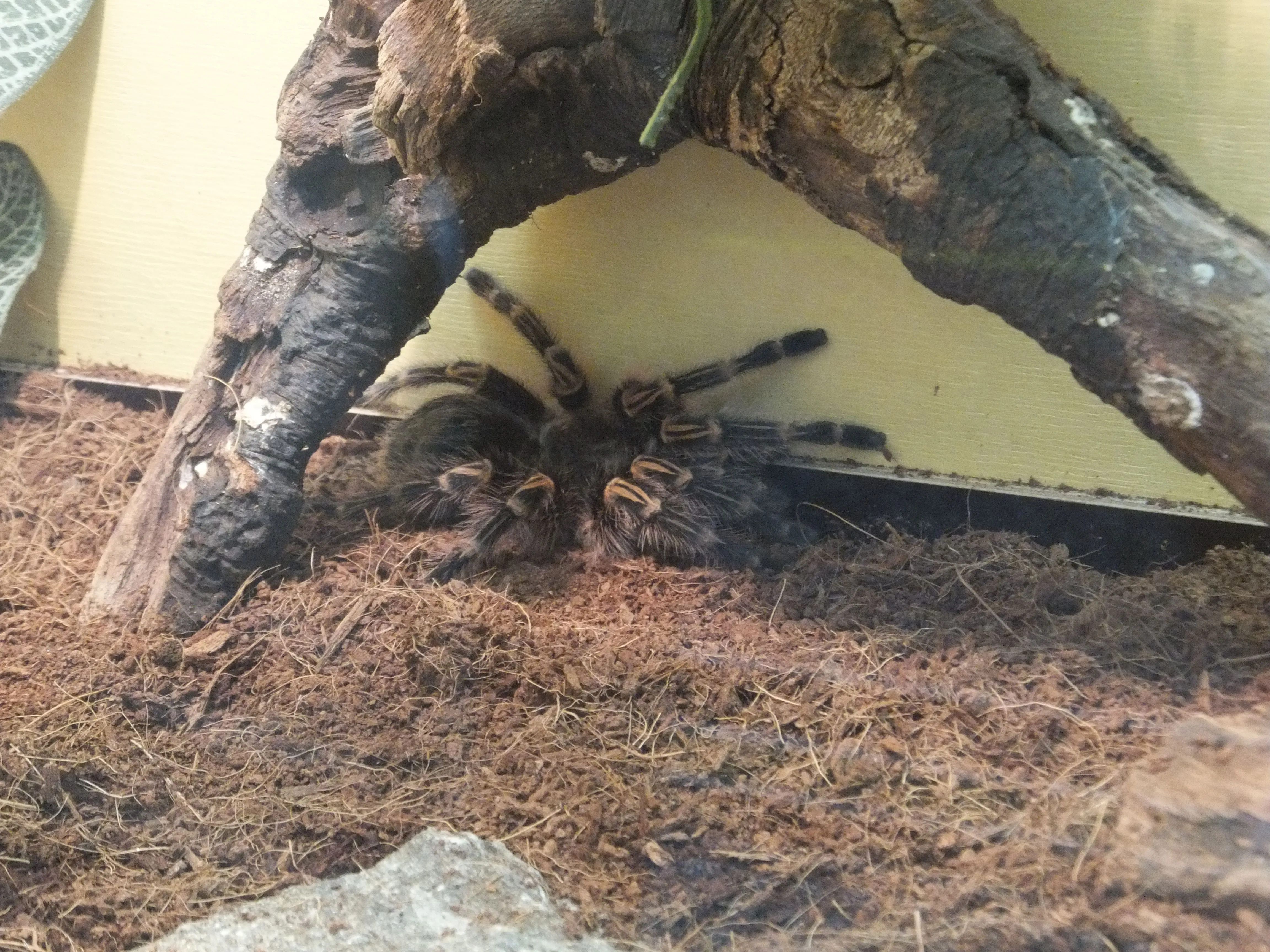
Considering a unique pet? Tarantulas, with their captivating appearance and relatively low-maintenance care, have become increasingly popular among pet enthusiasts. These fascinating arachnids offer a rewarding experience for those willing to learn about their needs and behaviors. This guide explores the best tarantulas for pets, highlighting species known for their docile temperaments, manageable care requirements, and overall suitability for both novice and experienced keepers. Whether you are a first-time spider owner or looking to expand your collection, understanding these amazing choices is the first step toward a successful and fulfilling pet-keeping journey. Get ready to discover the world of tarantulas and find the perfect eight-legged companion for you.
Why Choose a Tarantula as a Pet
Tarantulas offer several advantages as pets. Their relatively low maintenance needs, compared to many other animals, are a major draw. They don’t require daily walks or extensive socialization, making them ideal for individuals with busy lifestyles or those living in smaller spaces. Moreover, tarantulas are generally quiet and odorless, eliminating concerns about noise or unpleasant smells. The unique personalities and behaviors of tarantulas can be incredibly captivating to observe. From their meticulous molting process to their hunting strategies, these creatures provide a constant source of wonder. Furthermore, tarantulas can live for many years, offering a long-term companionship that few other pets can match. Owning a tarantula can also be an educational experience, fostering an appreciation for nature and the fascinating world of arachnids.
Low Maintenance Companions

One of the most appealing aspects of owning a tarantula is the low level of required maintenance. Unlike dogs or cats, tarantulas do not need to be walked, bathed, or groomed regularly. Their primary needs include a suitable enclosure, a proper temperature and humidity environment, and a regular feeding schedule. Cleaning the enclosure is also relatively simple, involving the removal of uneaten food and occasional substrate changes. Tarantulas also don’t require constant attention. They are generally solitary creatures, content to spend most of their time in their enclosures. This independence makes them a great pet choice for people with hectic schedules, who want to enjoy the joy of pet ownership without the constant demands of other animals. The simplicity of their care makes tarantulas an accessible pet option for people who are new to the world of pet keeping.
Best Tarantula for a Pet Top 7 Amazing Choices
Choosing the right tarantula is crucial for a successful pet-keeping experience. Here are seven amazing tarantula species, each with unique characteristics that make them ideal for different keepers. These species have been selected based on their temperament, care requirements, and overall suitability as pets. These choices represent the best options available for novice and experienced keepers alike, providing a diverse range of characteristics and the most enriching potential pet ownership experience.
1 Chilean Rose Hair Tarantula
The Chilean Rose Hair Tarantula (Grammostola rosea) is often recommended as a beginner-friendly species. Known for their docile temperament, they are typically slow-moving and less likely to bite or flick urticating hairs when disturbed. Their calm nature makes them easier to handle and observe. They are also relatively hardy and can tolerate a range of conditions, making them less demanding in terms of precise environmental control. The Chilean Rose is a good beginner choice because of their forgiving care needs and calm disposition. Their lifespan can be quite long, with females living for up to 20 years, providing a long-term companionship opportunity for the owner. This species is a popular and reliable choice for those new to tarantula keeping.
Temperament and Care for Chilean Rose Hair Tarantulas

Chilean Rose Hair Tarantulas are known for their gentle temperament. While individual personalities can vary, they are generally calm and rarely aggressive. They are also not known to be fast movers and usually do not present a threat. Caring for these tarantulas involves providing a moderately sized enclosure with a substrate of coco fiber or peat moss, a water dish, and a hide. Maintaining a temperature between 70-80°F (21-27°C) and moderate humidity levels is essential. Feeding consists of insects such as crickets, mealworms, or roaches, offered once or twice a week, depending on the tarantula’s size and appetite. Handling should be kept to a minimum, as it can stress the tarantula, but if done carefully, these tarantulas are often docile and non-aggressive.
2 Mexican Red Knee Tarantula
The Mexican Red Knee Tarantula (Brachypelma hamorii) is another popular choice, famous for its striking appearance and relatively docile nature. Their striking coloration, featuring vibrant red-orange bands on their legs, adds to their appeal, making them a visually stunning pet. Their calm temperament and slower movement also contribute to their popularity. They are generally more tolerant of handling than some other species, provided care is taken. Their overall hardiness and ease of care make them suitable for novice keepers, though potential owners should be aware of their urticating hairs, which they can flick as a defense mechanism. The Mexican Red Knee is a captivating and rewarding choice, providing a striking visual display and an engaging pet experience.
Mexican Red Knee Tarantula Habitat
Creating a suitable habitat for a Mexican Red Knee Tarantula involves providing a well-ventilated enclosure with a substrate of coco fiber or a similar material to retain humidity. A hide, such as a cork bark or a half-log, is crucial for security and to allow the tarantula to feel safe. Maintain a temperature of 70-80°F (21-27°C) and moderate humidity, achieved by lightly misting the enclosure periodically. A shallow water dish should always be available for drinking. Feeding the Mexican Red Knee typically involves offering insects such as crickets and roaches, two or three times a week for adults, and more frequently for juveniles. The enclosure size should be appropriate for the tarantula’s size, with juveniles requiring smaller spaces to feel secure and adults needing larger setups.
3 Brazilian Black Tarantula

The Brazilian Black Tarantula (Grammostola pulchra) is a beautiful, all-black species that is known for its docile temperament. They are generally very calm and do not have a tendency to bite, making them a good choice for beginners, although their care still requires attention to detail. Their black coloration is a striking feature, and they move slowly, which adds to their appeal. While not as readily available as other species, they are worth considering for those seeking a calm and attractive tarantula. Brazilian Blacks have a relatively long lifespan, especially females, offering a long-term commitment to their owners.
Brazilian Black Tarantula Care Guide
Caring for a Brazilian Black Tarantula involves providing a straightforward setup. A moderately sized enclosure with a substrate of coco fiber or a similar moisture-retaining material is ideal. A hide, such as a cork bark or cave, should be provided to allow the tarantula to feel safe and secure. Maintain a temperature between 70-80°F (21-27°C) and a moderate humidity level, achieved by misting the enclosure occasionally. Fresh water should always be available in a shallow dish. Feeding the Brazilian Black Tarantula typically involves insects such as crickets and roaches. It is best to feed adult tarantulas a few times a week. Juvenile tarantulas may need to be fed more frequently as they grow. Handling should be done with caution, as with any tarantula, and only when necessary.
4 Pinktoe Tarantula
Pinktoe Tarantulas, from the Avicularia genus, offer a unique combination of beauty and arboreal behavior. These spiders are known for their pink toe pads and often vibrant coloration. They are generally docile but can be skittish and prone to bolting, which means they may try to escape their enclosure if startled. Their care differs from terrestrial tarantulas, requiring a vertically oriented enclosure to accommodate their tree-dwelling habits. They are generally considered to be more advanced beginner tarantulas, as their care needs some special attention. Their beauty and distinctive behavior make them a rewarding choice for those ready to provide the right environment.
Pinktoe Tarantula Enclosure Setup

Setting up an enclosure for a Pinktoe Tarantula requires a vertically oriented tank with plenty of ventilation. A substrate of coco fiber or a similar material is recommended, and should cover the bottom of the enclosure. Provide plenty of climbing opportunities, such as cork bark, branches, and artificial plants. Maintaining a temperature between 75-85°F (24-29°C) and higher humidity levels is crucial, achieved through regular misting. A shallow water dish should be available, and the enclosure should be misted regularly. Pinktoe Tarantulas eat insects such as crickets and roaches. Juveniles should be fed more often. Care must be taken when handling, as they are quicker than terrestrial tarantulas and are more prone to escape attempts.
5 Gooty Sapphire Ornamental Tarantula
The Gooty Sapphire Ornamental Tarantula (Poecilotheria metallica) is a stunning species, known for its striking blue and yellow coloration. This arboreal species is more suitable for experienced keepers due to its potent venom and nervous disposition. They are fast, and possess a more defensive posture, so they are generally not recommended for beginners. Their vibrant appearance and unique behavior make them a highly sought-after species. Their care requirements are specific and require a more advanced understanding of tarantula husbandry. It is essential to research their needs before acquiring one. These spiders offer a unique challenge and reward for experienced keepers.
Gooty Sapphire Ornamental Tarantula Feeding
Feeding a Gooty Sapphire Ornamental Tarantula requires providing a varied diet of insects appropriate for their size. Crickets, roaches, and other feeder insects are suitable. Feeding frequency depends on the age and size of the tarantula, with juveniles requiring more frequent meals. Ensure that uneaten food is removed from the enclosure to prevent mold and mite infestations. Always provide access to fresh water in a shallow dish. Monitor the tarantula’s abdomen, as this can indicate when it’s time to feed. Regular feeding and providing a nutritious diet are important for the health and well-being of this species.
6 Trinidad Olive Tarantula

The Trinidad Olive Tarantula (Holothele incei) is a smaller, terrestrial species known for its olive-green coloration and relatively docile nature. This tarantula offers a unique appearance and is more manageable in terms of space. They are generally more tolerant of handling than many other species. They are a good choice for those who prefer a less intimidating size. They are also relatively hardy. Their manageable size and gentle temperament make them a good choice for those new to tarantula keeping. Careful research and preparation are crucial for providing the best care.
Trinidad Olive Tarantula Characteristics
The Trinidad Olive Tarantula is typically smaller than many other species, making them ideal for keepers with limited space. They have a distinct olive-green coloration, which contrasts attractively with the substrate. Their temperament is generally docile, though, like any tarantula, they can become defensive if threatened. They prefer a terrestrial setup with a substrate of coco fiber or peat moss and a hide for security. Temperature and humidity requirements are moderate, similar to other beginner-friendly species. They are relatively low maintenance and can be fed a variety of insects. Their manageable size and gentle nature make them a good choice for beginners, but proper research is recommended.
7 Curly Hair Tarantula
The Curly Hair Tarantula (Tliltocatl albopilosus) is known for its distinctive appearance, featuring curly hairs on its body. This species is generally docile and well-suited for beginners. Their calm nature and hardiness make them a reliable choice, while their unique appearance adds visual interest. They are a good choice for those looking for a friendly and fascinating pet. They are relatively low maintenance and easy to care for. The Curly Hair is a great option for those entering the world of tarantula keeping, providing a rewarding and relatively uncomplicated pet experience.
Curly Hair Tarantula Behavior and Handling

Curly Hair Tarantulas are known for their docile and calm nature, making them relatively easy to handle. However, handling should still be done with care and minimal disturbance to the tarantula. Their temperament can vary, so it is important to observe the individual spider. They are not typically aggressive, and their slow movement allows keepers to observe them without feeling threatened. Providing a proper enclosure, with a substrate of coco fiber or peat moss, and a hide is vital for their well-being. The Curly Hair Tarantula’s behavior is generally predictable, which makes them a good choice for beginners. Always practice caution and respect the tarantula’s boundaries.
Conclusion
Choosing the best tarantula for a pet involves considering factors such as temperament, care requirements, and personal preferences. The seven species highlighted in this guide provide a diverse range of options for different keepers. From the gentle Chilean Rose Hair to the striking Mexican Red Knee and the unique Pinktoe Tarantula, there’s a tarantula to suit various experience levels and tastes. By researching and understanding the needs of these amazing arachnids, you can provide a fulfilling and rewarding pet-keeping experience. With proper care, your chosen tarantula can become a fascinating and long-lived companion. Remember to always prioritize the tarantula’s well-being and create an environment that meets its specific needs.