Best Tarantula for Beginners Top 5 Easy Choices
Venturing into the world of exotic pets can be incredibly rewarding, and tarantulas offer a unique and fascinating experience. For beginners, the prospect of owning a tarantula might seem daunting, but with the right species and care, it can be a surprisingly manageable and enjoyable hobby. This guide focuses on the best tarantulas for beginners, highlighting species that are known for their docile temperaments, easy care requirements, and overall suitability for those new to the hobby. Owning a tarantula is a big commitment, but with the right information and preparation, anyone can enjoy the rewarding experience of keeping these amazing creatures.
Why Tarantulas are Great Beginner Pets
Tarantulas are excellent pets for beginners due to several factors. Firstly, they are relatively low-maintenance. Unlike cats or dogs, they don’t require daily walks, playtime, or constant interaction. Their primary needs involve a suitable habitat, regular feeding, and occasional water. Secondly, tarantulas are fascinating creatures to observe. Their unique behaviors, molting process, and diverse appearances provide endless opportunities for learning and appreciation. Finally, many beginner-friendly tarantula species possess a docile temperament, making them less likely to bite or exhibit defensive behaviors. This combination of low maintenance, captivating behavior, and manageable temperament makes them ideal for those new to the world of exotic pets.
Low Maintenance and Fascinating

The low-maintenance aspect of tarantula care is a significant draw for beginners. Their primary needs, such as housing, feeding, and watering, are straightforward and can be easily managed with a basic understanding of their requirements. This simplicity allows owners to enjoy their pet without the constant demands of more high-maintenance animals. Beyond the practicalities, tarantulas offer a fascinating window into the natural world. Observing their feeding habits, watching them molt, and witnessing their unique behaviors provides a captivating and educational experience. The combination of ease of care and engaging behavior makes them a perfect pet for anyone looking to explore the exotic pet world without a huge time commitment.
Understanding Tarantula Temperament
Understanding tarantula temperament is crucial for a positive pet-owning experience. While all tarantulas are venomous, most beginner-friendly species are not aggressive and are less prone to biting. However, they can exhibit defensive behaviors, such as flicking urticating hairs, which can cause skin irritation. Researching the specific temperament of a species is essential before acquiring a tarantula. Factors such as the tarantula’s age, origin, and overall health can also influence its behavior. It’s essential to approach handling with caution and to prioritize the tarantula’s well-being and comfort. With proper research and a respectful approach, you can enjoy a safe and rewarding relationship with your tarantula.
Choosing the Right Species
Choosing the right tarantula species is the most critical step for a beginner. Selecting a docile, hardy, and relatively slow-moving species is highly recommended. Research is key; look for species known for their gentle nature and ease of care. Consider factors such as the tarantula’s size, lifespan, and specific habitat needs. Don’t be swayed by appearance alone; prioritize temperament and care requirements. Reputable breeders and online resources can provide valuable insights into the best species for beginners. Focusing on the most suitable species from the beginning will set you and your tarantula up for a successful and enjoyable journey together.
Top 5 Easy Tarantula Choices for Beginners

1. The Chilean Rose Hair Tarantula
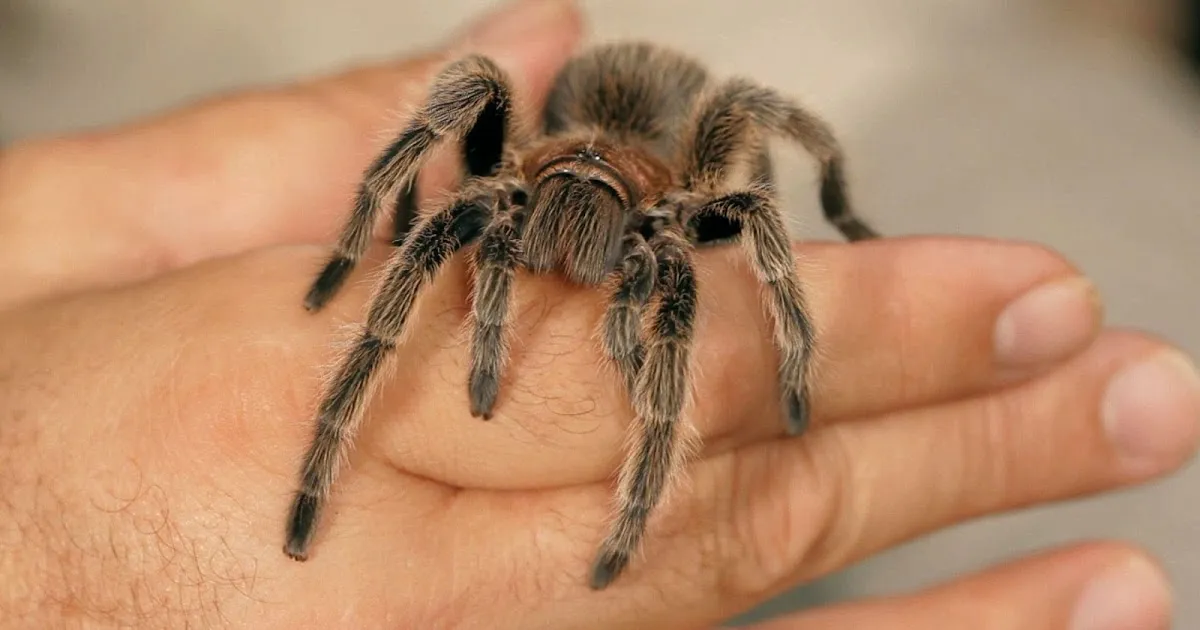
The Chilean Rose Hair tarantula, also known as the Rose Hair, is one of the most popular beginner tarantulas, and for good reason. These tarantulas are known for their docile temperament and relatively easy care requirements. They are typically slow-moving, making them less likely to bite or exhibit defensive behaviors. Their lifespan is also relatively long, with females living up to 20 years or more, offering a lasting companionship opportunity. Their availability and affordability also make them an attractive option for beginners. The Chilean Rose Hair’s calm nature and manageable needs make it an excellent choice for first-time tarantula keepers.
Appearance and Characteristics
Chilean Rose Hair tarantulas have a distinct appearance. They are generally brown or tan in color, with reddish hairs on their abdomen, giving them the “rose hair” name. They are of moderate size, with females typically reaching a leg span of 5–6 inches. They are terrestrial spiders, meaning they live on the ground, and are relatively slow-moving, which adds to their appeal as a beginner-friendly species. Their appearance is attractive but not overly intimidating, further contributing to their suitability for new owners.
Care and Habitat Requirements

Caring for a Chilean Rose Hair is straightforward. They require a terrarium with a substrate of coconut fiber or peat moss, a shallow water dish, and a hide, such as a piece of cork bark. Temperature and humidity should be moderate, and they can thrive at room temperature with occasional misting to maintain proper humidity levels. Feeding involves offering appropriately sized insects, such as crickets or mealworms, once or twice a week. Routine maintenance includes removing uneaten food and changing the water regularly. This simple care routine makes them manageable for beginners.
2. The Pinktoe Tarantula
Pinktoe tarantulas, particularly the Antilles Pinktoe, are another great choice for beginners. They are known for their arboreal lifestyle, beautiful coloration, and relatively docile temperament. They offer a different experience compared to terrestrial tarantulas, requiring a taller enclosure to accommodate their climbing habits. Their unique appearance and manageable care make them a favorite for those looking for an interesting and aesthetically pleasing beginner species.
Appearance and Characteristics
Pinktoe tarantulas are easily recognized by their vibrant colors. They typically have a dark body with metallic green or bronze coloration, and their namesake pink feet. Their size is moderate, with a leg span around 5 inches. They are arboreal, meaning they live in trees or other elevated areas, which influences their habitat requirements. Their beauty and unique habits make them a wonderful addition to any beginner’s collection.
Care and Habitat Requirements

Pinktoe tarantulas require a taller enclosure, with substrate to hold humidity, along with plenty of branches or decorations for climbing. A water dish and a hide are essential. They prefer higher humidity levels than the Rose Hair, so regular misting is often necessary. Feeding involves similar insects to the Rose Hair, with appropriate sizing and frequency. The habitat requirements are slightly more specific, making them a bit more challenging, but their beauty and personality make them rewarding for the dedicated beginner.
3. The Curly Hair Tarantula
The Curly Hair tarantula is another excellent choice for beginners. They are known for their unique appearance, with a coat of curly, dark brown hairs. Their docile temperament and manageable care requirements make them a good choice. They are a hardy species and readily available in the pet trade. Their gentle nature and interesting appearance contribute to their appeal as beginner pets.
Appearance and Characteristics
The Curly Hair tarantula is easily identified by its characteristic curly hairs, which give it a distinctive appearance. They are typically a dark brown color and have a moderate size, reaching a leg span of about 5–6 inches. They are terrestrial spiders, similar to the Chilean Rose Hair, making their care relatively easy. Their unique look adds visual interest, making them a popular choice.
Care and Habitat Requirements

Caring for a Curly Hair tarantula is similar to the Chilean Rose Hair. They need a terrarium with a substrate of coconut fiber or peat moss, a shallow water dish, and a hide. They prefer moderate temperatures and humidity levels. Feeding involves appropriately sized insects, once or twice a week. They are relatively adaptable and can tolerate some variation in their environment, making them easier to care for than some other species.
4. The Arizona Blonde Tarantula
The Arizona Blonde tarantula, also known as the Desert Blonde, is a robust and beautiful species that is well-suited for beginners. They are known for their golden coloration and relatively docile temperament. They have some specific environmental needs due to their desert origins, but their overall hardiness and visual appeal make them a great option for those looking for a more interesting choice.
Appearance and Characteristics
The Arizona Blonde tarantula is characterized by its stunning golden color. They have a moderate size, with a leg span of up to 6 inches. They are terrestrial spiders, and their appearance is quite striking, adding to their appeal as a pet. Their appearance is unique compared to other beginner species, making them an interesting choice for any pet enthusiast.
Care and Habitat Requirements

Arizona Blondes thrive in a terrarium with a substrate of coconut fiber or sand mix. They require a shallow water dish and a hide. Unlike some other species, they prefer a drier environment, so misting should be done sparingly. They are fed the same insects as other species, but ensuring the correct humidity and temperature is crucial for their well-being.
5. The Mexican Red Knee Tarantula
The Mexican Red Knee tarantula is one of the most iconic and popular tarantulas, and it’s a great choice for beginners. The vibrant red markings on their legs are striking, and their relatively docile temperament makes them a popular pet. The Red Knee is also relatively easy to care for, making it a great choice for beginners. Their beautiful appearance and manageable care routine make them a sought-after pet.
Appearance and Characteristics
The Mexican Red Knee tarantula is well known for its striking red and black markings on its legs. They have a moderate size, with a leg span of up to 6 inches. They are terrestrial spiders, and their striking appearance is a key factor in their popularity. They are an impressive sight for any beginner owner.
Care and Habitat Requirements

The Mexican Red Knee requires a terrarium with a substrate of coconut fiber or peat moss, a shallow water dish, and a hide. Moderate temperatures and humidity levels are ideal. They can be handled very carefully when necessary, but handling should be kept to a minimum as these animals are easily stressed. Feeding consists of crickets, mealworms, or other insects, usually once or twice a week. Their beauty and ease of care make them a great option.
Essential Care Tips for Beginner Tarantulas
Setting Up the Perfect Habitat
Setting up the perfect habitat is fundamental to tarantula care. The enclosure should be appropriate for the species’ size, with enough floor space for terrestrial species or height for arboreal ones. The substrate should be selected based on the tarantula’s needs – coconut fiber or peat moss are common choices. A water dish, which must be regularly refilled with clean water, is essential for hydration. Adding a hide, such as a piece of cork bark or a commercially available hide, provides a safe space for the tarantula. Maintaining the correct temperature and humidity levels, specific to the species, is vital for their well-being. Providing the ideal habitat is crucial to your tarantula’s health and happiness.
Feeding and Watering Your Tarantula
Feeding and watering are two key aspects of tarantula care. Tarantulas are carnivorous and typically eat insects, such as crickets, mealworms, or roaches. The frequency of feeding depends on the tarantula’s age and size, but generally, young tarantulas are fed more often than adults. Uneaten food should be removed from the enclosure after a day to prevent mold. Fresh, clean water should always be available in a shallow dish. Overfeeding should be avoided, and you should observe your tarantula’s feeding habits. A healthy tarantula will usually have a good appetite, while a loss of appetite can be a sign of stress or illness.
Handling and Safety
Handling tarantulas should be done with caution, even with docile species. While some tarantulas can be handled, it should be done at your discretion and with care. Always wash your hands before and after handling, and avoid handling if you have any cuts or wounds. Handling should be kept to a minimum, as it can be stressful for the tarantula. If handling is necessary, do it close to the ground to prevent injury from a fall. Be aware of the tarantula’s behavior, and if it shows signs of stress or defensiveness, such as raising its front legs or flicking hairs, it should be returned to its enclosure immediately. Always prioritize the safety and well-being of your pet.
Common Mistakes to Avoid
Avoiding common mistakes is key to ensuring a positive experience. Overfeeding is a mistake, as it can lead to obesity and other health problems. Providing an enclosure that is too small or too large can also cause issues. Failure to maintain the correct temperature and humidity levels can stress the tarantula and lead to health issues. Handling the tarantula too often or without sufficient care is also risky. Neglecting the need for fresh water and a clean environment can also contribute to problems. Careful research, diligent care, and following established best practices will help you avoid these common pitfalls, which will allow you to enjoy your pet for years to come.