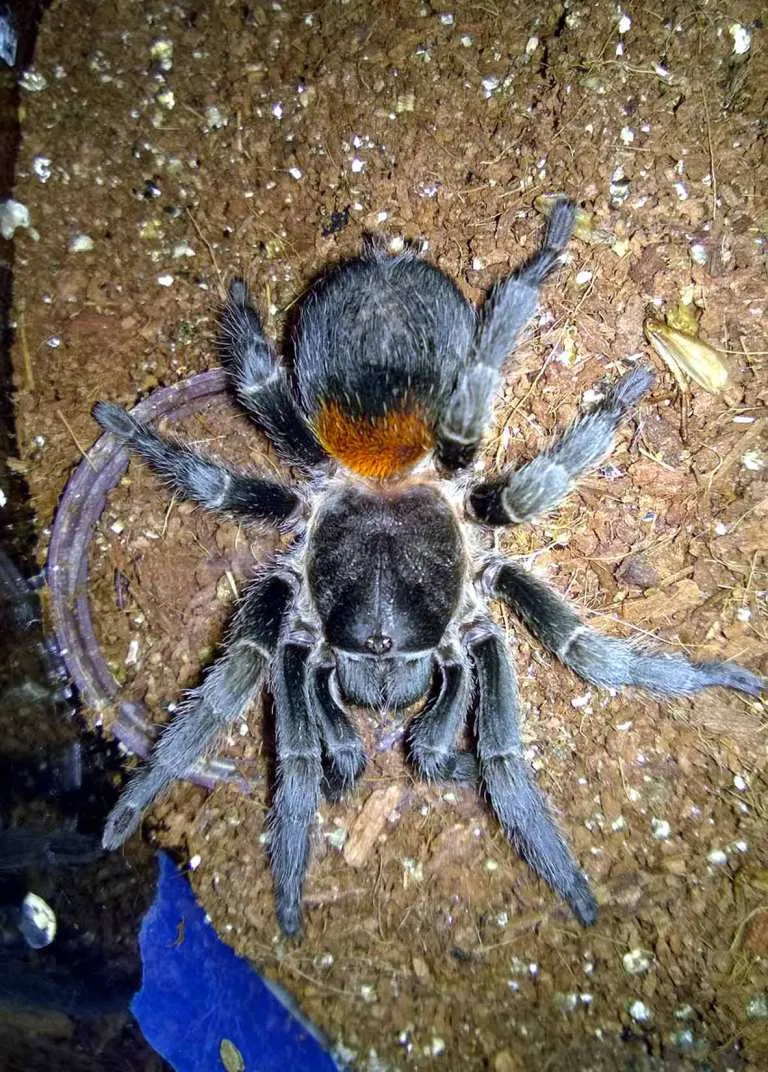
Choosing the Best Tarantula for Starters
Venturing into the world of exotic pets can be an exciting experience, and tarantulas often top the list for many aspiring pet owners. Their unique appearance, relatively low maintenance, and fascinating behaviors make them an appealing choice. However, choosing the right tarantula is crucial for a positive and rewarding experience. This guide aims to help beginners navigate the world of tarantulas, providing essential information to select the best species for their first pet. We’ll explore the reasons why tarantulas make great starter pets and highlight five easy picks suitable for beginners. Remember, responsible pet ownership is key. Before bringing any tarantula home, ensure you have the knowledge and resources to provide proper care.
Why Tarantulas Make Great Starter Pets
Tarantulas offer several advantages that make them ideal pets for beginners. Unlike many other exotic pets, tarantulas are relatively low-maintenance. They don’t require daily walks, extensive socialization, or constant attention. This makes them a good fit for people with busy lifestyles. They typically need feeding once or twice a week, and their enclosures require cleaning only a few times a month. Furthermore, tarantulas are generally quiet and don’t produce any noise. They also don’t have the same potential for allergies as other furry pets. Observing these creatures is truly fascinating, providing a unique window into the natural world. From watching them molt to observing their hunting behaviors, owning a tarantula can be an incredibly educational and enriching experience.
Low Maintenance Needs

One of the biggest draws of tarantulas for beginners is their low maintenance requirements. Compared to pets like dogs or cats, tarantulas require far less time and effort. Feeding is usually done once or twice a week, and the amount of food they need is relatively small. Cleaning the enclosure is also a less frequent chore, typically required every few weeks. This makes tarantulas an excellent choice for individuals with limited time or who are new to pet ownership. The simplicity of their care routine leaves more time for observation and enjoyment of these amazing creatures. This reduced workload allows new owners to ease into the responsibilities of pet care without feeling overwhelmed.
Fascinating Behavior
Tarantulas display a wide array of fascinating behaviors that captivate their owners. From the way they build their webs and hunt their prey to their molting process, there’s always something interesting to observe. Their behaviors provide valuable insights into the natural world and can be a source of endless wonder. Many tarantula species also exhibit unique defensive mechanisms, such as flicking urticating hairs or displaying threat postures. This adds another layer of intrigue for owners. The ability to observe these behaviors closely offers a rewarding experience that often leads to a deeper appreciation for the complexity and beauty of these creatures. This constant source of learning and engagement sets them apart from other pets.
The Appeal of Observing Tarantulas
Beyond their low-maintenance needs and interesting behaviors, the sheer appeal of observing tarantulas is a major reason why they make great pets. Their unique appearance, with their furry bodies and large fangs, sparks curiosity. The opportunity to observe these creatures in a controlled environment allows for a closer look at their intricate lives. Witnessing their molting process is a particularly memorable experience, as they shed their old exoskeleton to reveal their new, larger body. Their hunting and feeding habits are captivating, showcasing their natural predatory instincts. This close observation provides a deep connection to nature and a sense of wonder that few other pets can match. Their unique lifestyles give them an advantage in the pet community.
Top 5 Easy Tarantula Picks for Beginners

When selecting a tarantula for your first pet, it’s crucial to choose a species known for its docile temperament, ease of care, and availability. Here are five excellent choices that are well-suited for beginners. These tarantulas are relatively easy to handle, and their care requirements are not too demanding, making them ideal for those new to the hobby. Always remember to research each species thoroughly and ensure you can meet their specific needs before bringing one home. With the right care, these tarantulas can provide years of enjoyment and learning.
1. Chilean Rose Hair Tarantula
The Chilean Rose Hair (Grammostola rosea) is a classic choice for beginners, and is commonly regarded as the ‘gold standard’ for those new to the tarantula world. They are known for their docile temperament and relatively slow movements, making them less intimidating to handle and observe. Their lifespan can be quite long, often exceeding 20 years, providing a lasting bond with their owners. They are readily available and relatively inexpensive, and their straightforward care requirements make them an excellent choice for anyone starting out. Their hardiness also makes them a reliable pet choice.
Temperament and Handling
Chilean Rose Hair tarantulas are generally known for their gentle disposition, making them a popular choice for beginners. They tend to be calm and less prone to defensive behaviors, such as biting or flicking urticating hairs. However, it’s important to handle them with care and respect. Gentle movements and avoiding sudden actions are key to creating a positive experience for both you and your tarantula. While they are generally docile, it is important to remember that all tarantulas are wild animals and should be treated with caution. Always wash your hands before and after handling to avoid transferring oils or chemicals.
Care and Habitat

Caring for a Chilean Rose Hair tarantula is quite straightforward. They thrive in a terrestrial setup, requiring a moderate-sized enclosure with plenty of substrate, such as coconut fiber or peat moss, for burrowing. The substrate should be kept slightly moist to maintain the appropriate humidity levels. They need a hide, such as a piece of cork bark, to feel secure. Providing a shallow water dish is essential to ensure they have access to fresh water at all times. These tarantulas are adaptable to room temperatures. Their care makes them a top pick for beginners.
2. Mexican Red Knee Tarantula
The Mexican Red Knee (Brachypelma hamorii) is another excellent choice for beginners. Their striking appearance, with bold black and orange bands on their legs, makes them visually appealing. They are known for their relatively docile nature and are popular within the tarantula hobby. Like the Chilean Rose Hair, they are hardy and relatively easy to care for. This makes them a great option for those who are looking for a visually stunning and manageable pet. Their vibrant colors and easy care provide a winning combination for the first-time owner.
Appearance and Characteristics
The Mexican Red Knee tarantula is easily recognizable by its striking coloration. They have a black body with distinct orange bands on their legs, giving them their common name. They have a life span of approximately 15-20 years, and can grow to a considerable size, making them a captivating sight. The contrast between their black bodies and vibrant red knees makes them an amazing addition to any pet owner’s home. They have a generally calm temperament, making them good for observation. Their coloration provides a distinct visual appeal.
Diet and Feeding

Feeding a Mexican Red Knee tarantula is quite simple. They are insectivores and readily consume a variety of live insects, such as crickets, mealworms, and roaches. It’s important to offer them a varied diet to ensure they receive all necessary nutrients. Feeding frequency depends on their age and size, but typically, they can be fed once or twice a week. Be sure to remove any uneaten food within 24 hours to maintain a clean enclosure. Always ensure the insects you feed them are gut-loaded with nutritious food to provide the tarantula with essential vitamins and minerals. A steady diet provides the tarantula with the best opportunities for growth.
3. Pinktoe Tarantula
The Pinktoe tarantula (Avicularia avicularia) offers a different experience from the terrestrial species. These tarantulas are arboreal, meaning they prefer to live in trees or elevated areas. Their vibrant coloration, with pink or orange tips on their toes, makes them a beautiful and unique choice. They are known for their relatively docile temperament and are usually not as defensive as some other species. Their requirements are a little different from the Chilean Rose Hair and Mexican Red Knee, but they remain a great option for beginners looking for a more visually interesting pet. Their unique lifestyle makes them an engaging option.
Arboreal Lifestyle and Housing
As arboreal tarantulas, Pinktoes require a vertically oriented enclosure. A taller tank is essential to allow them to climb and create webs. Provide plenty of vertical climbing surfaces, such as branches, cork bark, or artificial plants, to replicate their natural habitat. The substrate can be a mix of coconut fiber and sphagnum moss. These tarantulas also like to create elaborate webs, so their enclosure should be designed to accommodate this. The key is to create a habitat that mimics their natural environment as closely as possible, providing a secure and engaging space for them. A well-designed enclosure is key to their well-being.
Humidity and Environmental Needs

Pinktoe tarantulas require higher humidity levels than terrestrial species, making it essential to maintain a moist environment. This can be achieved by misting the enclosure regularly, usually a few times a week, depending on the ambient humidity. Good ventilation is also crucial to prevent mold and mildew growth. The temperature should be kept within a moderate range, generally between 75-85°F (24-29°C). Monitoring the humidity and temperature with a hygrometer and thermometer is important to make sure their environment is ideal. These are the crucial factors for ensuring their health and happiness. Providing proper ventilation is key to keeping your pet happy.
4. Curly Hair Tarantula
The Curly Hair tarantula (Tliltocatl albopilosus), named for its curly hairs, is another excellent option for beginners. They are known for their docile temperament, relatively low maintenance needs, and their distinctive appearance. Their dark brown body and abundant curly hairs make them an appealing choice. They are generally hardy and can tolerate a wider range of conditions than some other species, which makes them a good fit for those new to tarantula ownership. Their willingness to be handled makes them great pets.
Handling and Interaction
Curly Hair tarantulas are known for their relatively calm temperament, making them suitable for occasional handling. However, it’s important to approach handling with caution. Always move slowly and gently, and never force the tarantula to interact. The best way to enjoy them is often simply by observing them in their enclosure. Be aware that they can flick urticating hairs as a defense mechanism, which can cause skin irritation. Washing your hands before and after handling is important to maintain cleanliness. Always use caution when handling a tarantula. With proper precautions, handling these creatures can be a memorable experience.
Lifespan and Growth

Curly Hair tarantulas have a moderate lifespan, with females living up to 10 years or more. This makes them a long-term commitment. They grow at a relatively moderate pace, reaching a mature size within a few years. Their growth is dictated by their molting cycle, where they shed their exoskeleton to grow larger. Proper care, including appropriate feeding and habitat conditions, will help them thrive and reach their full potential. The long lifespan provides an exciting opportunity to see their entire life cycle.
5. Grammostola Pulchra (Brazilian Black)
The Grammostola pulchra, commonly known as the Brazilian Black tarantula, is another great option. Known for their striking appearance and a docile temperament, this species is a good choice for beginners who appreciate a sleek, all-black tarantula. Their calm nature and relatively low maintenance needs contribute to their appeal. They are also known to be good eaters and are relatively easy to care for, making them a rewarding pet for beginners. Their calm demeanor provides a relaxing pet experience.
Black Beauty Temperament and Care
Brazilian Black tarantulas are known for their gentle demeanor, making them great for observation. They are not known to be aggressive, and handling them can be easier compared to more defensive species. Their care is similar to other terrestrial species. A suitable enclosure with deep substrate is crucial. They prefer a terrestrial setup. A shallow water dish and a hide are also essential. They thrive at room temperature and enjoy a well-maintained environment. Providing a moist environment through a shallow water dish is crucial to their survival. Regular enclosure maintenance helps to keep your pet healthy.
Special Considerations for Beginners

Before welcoming a tarantula into your home, there are some crucial things to consider, and these steps are extremely important for every beginner. Proper preparation can make the difference between a rewarding experience and a stressful one. The following points cover all you need to know to start.
Handling and Safety Precautions
Handling tarantulas should be approached with caution. While some species are docile, it’s important to remember that all tarantulas are wild animals. Avoid handling unless necessary. If you do handle your tarantula, do so in a controlled environment, such as close to the ground to avoid accidental falls. Always wash your hands before and after handling to avoid transferring oils, chemicals, or other substances. Be aware of their defensive behaviors, such as flicking urticating hairs or raising their legs. Always be gentle and respectful.
Creating a Safe Habitat
A safe and appropriate habitat is essential for your tarantula’s well-being. The enclosure should be the right size for the species, with secure lids and appropriate ventilation. Use a suitable substrate, such as coconut fiber or peat moss, to provide a comfortable environment. Provide a hide, such as a piece of cork bark or a hollow log, for the tarantula to retreat to. Ensure there is a shallow water dish with fresh, clean water at all times. Maintain the appropriate temperature and humidity levels for the specific species, and monitor the enclosure regularly. This setup helps to keep them happy and healthy.
Finding a Reputable Breeder or Supplier
Choosing a reputable breeder or supplier is essential when acquiring a tarantula. Research breeders in your area and read reviews to ensure they are ethical and knowledgeable. A reputable breeder can provide healthy specimens. They are also likely to offer advice on care. Avoid purchasing from pet stores that appear to lack experience or do not provide adequate information. Be sure to check the tarantula’s appearance, looking for signs of good health, such as a plump abdomen and active behavior. This ensures that you’re getting a healthy and well-cared-for pet.
Conclusion
Bringing a tarantula into your life can be a rewarding experience, offering a unique blend of intrigue and low-maintenance care. By carefully selecting a species that matches your experience level and lifestyle, you can ensure a positive experience for both you and your new pet. The Chilean Rose Hair, Mexican Red Knee, Pinktoe, Curly Hair, and Brazilian Black are all excellent choices for beginners. Remember to research each species thoroughly, set up a safe and appropriate habitat, and handle your tarantula with care and respect. With the right preparation and care, your tarantula can provide years of enjoyment and a fascinating glimpse into the world of arachnids. Enjoy the journey of tarantula ownership!