Why Tarantula Hides Are Essential
Providing the best tarantula hides is not just an aesthetic choice; it’s a fundamental aspect of responsible tarantula care. These fascinating creatures, despite their often-intimidating appearance, are quite vulnerable in their natural environment. Offering a secure hide simulates their natural habitat, reducing stress and promoting overall well-being. When a tarantula feels safe, it’s more likely to exhibit natural behaviors, eat regularly, and thrive in captivity. A well-chosen hide also provides a sense of privacy, allowing your tarantula to retreat from view, particularly during molting or when feeling threatened. This privacy is essential for their physical and psychological health, making the selection of the right hide a crucial part of tarantula husbandry.
Understanding Tarantula Needs
Understanding the specific needs of your tarantula is the first step in providing the best possible care. Different tarantula species have varying preferences when it comes to hides. Some prefer burrowing, while others are more inclined to seek shelter in crevices or under objects. The size of your tarantula will also influence the type and size of hide you choose. A hide that’s too small won’t offer adequate security, while one that’s too large might make your tarantula feel exposed. Additionally, consider the humidity and temperature requirements of your tarantula’s species. The hide can help regulate these conditions by providing a microclimate within the enclosure. Researching your specific tarantula’s needs will help you select a hide that promotes a comfortable and stress-free environment, contributing significantly to its longevity and health.
The Importance of Hiding

The act of hiding is deeply ingrained in a tarantula’s instincts. In the wild, tarantulas use burrows, crevices, and other natural shelters to protect themselves from predators, the elements, and potential threats. A hide in captivity serves the same purpose, offering a safe haven where the tarantula can retreat when feeling vulnerable. This sense of security reduces stress, which is a major factor in tarantula health and longevity. Stress can suppress appetite, weaken the immune system, and lead to other health issues. A good hide allows the tarantula to regulate its environment, especially during the vulnerable molting process. By providing a dedicated hiding spot, you’re essentially creating a miniature version of their natural habitat, encouraging natural behaviors and promoting a healthier, happier tarantula. A secure hide also allows the tarantula to feel safe while eating. This helps to prevent them from being startled or dropping their food. Hides are therefore extremely important for the overall wellbeing of your tarantula.
Top 5 Best Tarantula Hides
Choosing the right hide can significantly improve your tarantula’s quality of life. Here are five of the best options available, each offering unique benefits. When selecting a hide, consider factors such as your tarantula’s species, size, and the overall aesthetic of your enclosure. Remember that the primary goal is to create a secure and comfortable environment that mimics their natural habitat. The best hide is one that encourages natural behaviors and reduces stress. Always prioritize safety and choose materials that are non-toxic and easy to clean. Regularly monitor the hide for cleanliness and any signs of wear and tear, replacing it as needed to ensure your tarantula’s well-being. You may need to consider a hide that allows for burrowing depending on your species.
Hide #1: Cork Bark
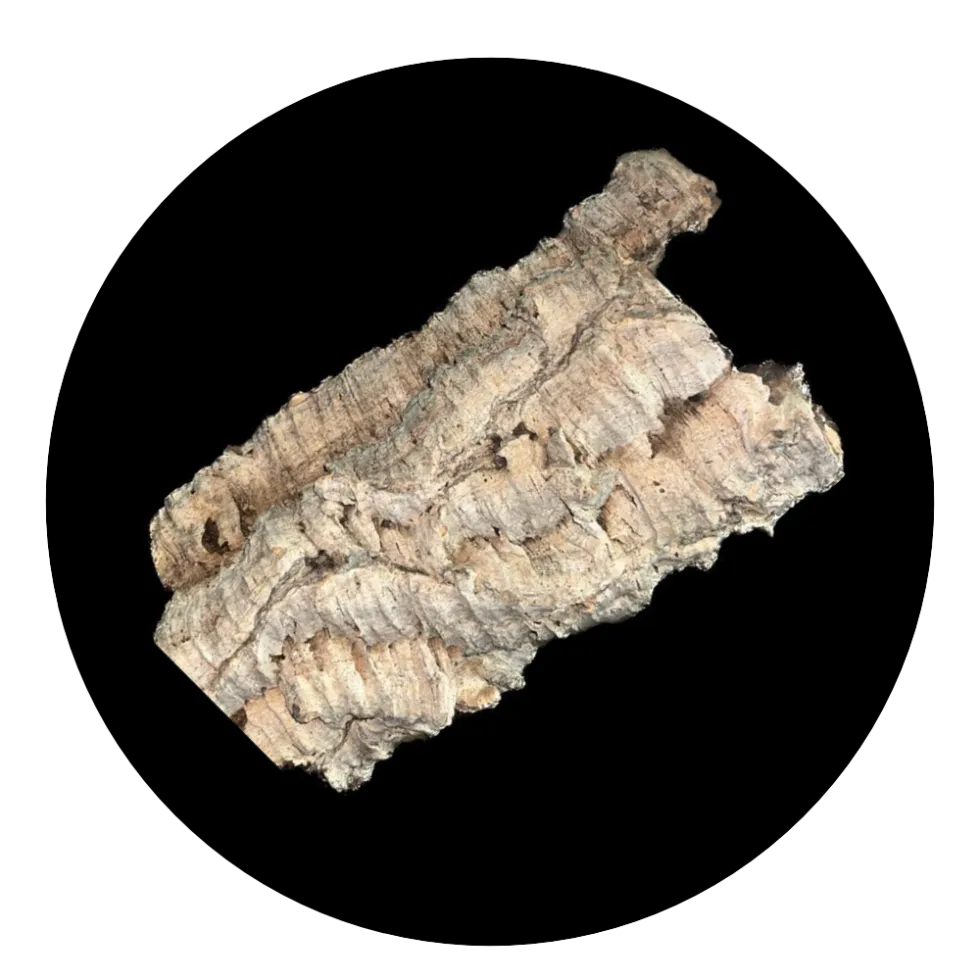
Cork bark is a popular choice for tarantula hides, praised for its natural appearance and versatility. This material is derived from the bark of cork oak trees, providing a rough, textured surface that tarantulas often find appealing. Cork bark comes in various shapes and sizes, making it suitable for both terrestrial and arboreal species. Its lightweight nature allows it to be easily positioned and adjusted within the enclosure. Cork bark also offers excellent ventilation, which helps maintain the proper humidity levels. It is relatively easy to clean and doesn’t mold easily. This makes it a low-maintenance option that can last for many years. Providing a hide made of cork bark can bring benefits for your tarantula.
Benefits of Cork Bark

Cork bark provides multiple advantages for your tarantula. Its natural appearance blends seamlessly with the enclosure’s environment, creating a more aesthetically pleasing habitat. The rough texture offers a surface that tarantulas can easily grip and climb, catering to their natural instincts. Cork bark is also an excellent insulator, helping to regulate the temperature and humidity within the enclosure. Furthermore, it’s a non-toxic material, ensuring the safety of your pet. Cork bark is durable and long-lasting, making it a cost-effective choice. It also promotes a healthy environment by providing a place for the tarantula to feel secure and regulate its behavior. Because it is easy to clean, it contributes towards the overall wellbeing of the spider.
Hide #2: Hollow Logs
Hollow logs are another excellent option, closely resembling the natural shelters that tarantulas would use in the wild. These hides provide a secluded and secure space where tarantulas can retreat. You can find hollow logs made of natural wood or crafted from safe, non-toxic materials. They often feature a rounded shape and varying diameters, making them suitable for different tarantula sizes. Hollow logs offer a cozy environment and a sense of privacy, which is essential for reducing stress and promoting healthy behaviors. Ensure the log is properly prepared and cleaned before introducing it to the enclosure to prevent the introduction of any unwanted pests or bacteria.
Advantages of Hollow Logs
Hollow logs offer several advantages for tarantulas. The enclosed space provides a high degree of security, reducing stress and encouraging the tarantula to exhibit natural behaviors. The rounded shape often allows the tarantula to feel more protected, contributing to its sense of well-being. Hollow logs are aesthetically pleasing and can enhance the natural look of the enclosure. Many logs are made of durable and safe materials, ensuring they can withstand the test of time. The design also allows for easy monitoring of the tarantula, allowing you to observe your pet without disturbing it. Consider the size of your tarantula when choosing the log to make sure the tarantula has enough space to retreat.
Hide #3: Artificial Hides
Artificial hides offer a convenient and low-maintenance option for tarantula enclosures. These hides are typically made from plastic or resin and come in various shapes and designs, including caves, rocks, and even themed structures. They are easy to clean, non-porous, and resistant to mold and bacteria. Artificial hides are often a good choice for beginners because they are durable and readily available. They provide a secure space for your tarantula, mimicking natural shelters. Look for hides that are designed with safety in mind, with smooth edges and non-toxic materials. Artificial hides are also a good choice if you want to create a specific aesthetic in your enclosure, as they come in a wide variety of designs.
Pros and Cons of Artificial Hides
Artificial hides present both advantages and disadvantages. On the positive side, they are incredibly easy to clean, requiring only a simple wipe-down. They are also resistant to mold and bacteria, promoting a healthier environment for your tarantula. Artificial hides come in a wide variety of designs, allowing you to customize the look of your enclosure. However, they might not always provide the same level of insulation or humidity regulation as natural hides. Some tarantulas may also prefer the texture of natural materials over plastic or resin. Always choose artificial hides that are made from safe, non-toxic materials and are appropriately sized for your tarantula.
Hide #4: Coconut Shells
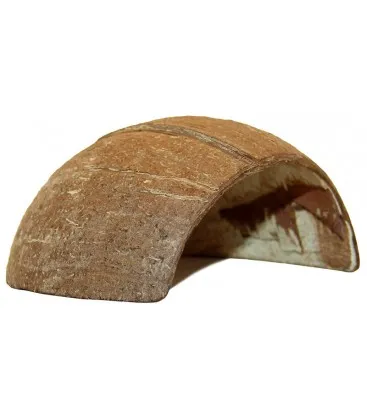
Coconut shells are a fantastic and natural choice for tarantula hides, offering a combination of aesthetic appeal and functional benefits. They mimic the natural environment of many tarantula species, providing a secure and secluded space. Coconut shells are readily available, affordable, and easy to prepare. You can find them with the top cut off, creating a cave-like structure. The rough texture of the shell allows tarantulas to grip and climb, and the natural fibers add to the enclosure’s overall appeal. The shell’s organic nature also helps to maintain humidity, as it absorbs and releases moisture. Coconut shells can be customized with various designs and are a great option for both terrestrial and arboreal tarantulas, adding a natural touch to their habitat.
Coconut Shells Advantages

Coconut shells offer multiple advantages for tarantula enclosures. They provide a natural and secure hide, promoting the tarantula’s sense of safety and well-being. The rough texture allows the tarantula to grip and climb. The natural fibers help in regulating humidity levels. They are very affordable and easy to find. Coconut shells are also aesthetically pleasing, blending well with the natural appearance of the enclosure. They are a safe choice and can be easily cleaned and maintained. Coconut shells contribute to a healthy and enriching environment for your tarantula. Regularly clean your coconut hide to remove waste, old food, or mold. This will improve the quality of life for your spider.
Hide #5: DIY Hide Options
For those who enjoy a bit of crafting, creating a DIY hide can be a rewarding experience. You can use a variety of safe materials to build a customized shelter for your tarantula. Consider using items like plastic plant pots, terracotta saucers, or even small, non-toxic containers. The key is to ensure the material is safe, non-toxic, and free of sharp edges. Customize the hide according to your tarantula’s species and preferences, such as adding a small entrance hole or creating a more elaborate structure. DIY hides allow you to create a unique and personalized enclosure for your pet, providing enrichment and a stimulating environment. Before you place the hide in the terrarium, you need to ensure it is properly cleaned and secured, and that it is not dangerous to the spider.
Creating DIY Hides Safely
Safety is paramount when creating DIY hides. Always use non-toxic materials, such as food-grade plastics or natural materials that have been properly cleaned and sanitized. Avoid using any materials that can splinter, break, or contain sharp edges, which could harm your tarantula. Ensure any glue or adhesive used is specifically designed for aquarium or terrarium use and is completely dry before placing the hide in the enclosure. The hide should be the appropriate size, allowing your tarantula to comfortably move in and out. Regularly inspect the DIY hide for wear and tear, making any necessary repairs or replacements to maintain a safe environment. By prioritizing safety, you can provide your tarantula with a stimulating and enriching habitat.
Factors to Consider When Choosing a Hide

Choosing the best hide for your tarantula involves considering several key factors to ensure your pet’s well-being. The tarantula’s species plays a crucial role, as different species have different preferences. Terrestrial tarantulas often prefer hides on the ground, while arboreal species might prefer hides higher in the enclosure. The size of the hide is critical; it should be large enough for the tarantula to comfortably fit inside but not so large that it feels exposed. The material of the hide is also important; it should be non-toxic, durable, and easy to clean. Considering the placement of the hide within the enclosure is also critical. This is because the hide needs to be located in an area where the tarantula can easily reach it and feel safe. Consider all factors to make sure your tarantula has a perfect habitat.
Size and Species
The size and species of your tarantula significantly influence the type of hide you should choose. Researching the specific needs of your tarantula species is the best way to determine the ideal hide. Larger tarantulas will require larger hides, providing adequate space for them to move around comfortably. Terrestrial species will benefit from a hide placed on the substrate, while arboreal species will need a hide positioned higher in the enclosure. Consider the tarantula’s burrowing habits and preferences. Some species enjoy digging and hiding, so a hide that allows for burrowing or is easily integrated with the substrate is ideal. Knowing your species and the hide size you will require will allow your tarantula to feel safe.
Material and Safety
Material safety is crucial when selecting a tarantula hide. The hide should be made from non-toxic, durable materials. Avoid using materials that can splinter, break, or contain sharp edges, as these can injure your tarantula. Natural materials like cork bark and coconut shells are generally safe and offer a natural appearance. Ensure any artificial materials, such as plastic or resin, are specifically designed for terrarium use and are non-toxic. Prioritize easy-to-clean materials. You’ll need to maintain the cleanliness of the hide to prevent the growth of bacteria and fungi. Choose materials that are easy to sanitize with reptile-safe cleaners. Always inspect the hide regularly for any signs of wear and tear and replace it as needed to ensure the safety of your tarantula.
Placement and Environment

The placement and environment of the hide are essential to its effectiveness. Position the hide in a location that offers the tarantula a sense of security. Many tarantulas prefer a hide located in a corner or against the side of the enclosure. Consider the humidity and temperature requirements of your tarantula’s species. The hide can help regulate these conditions. Ensure the hide is placed in a stable and secure position, preventing it from tipping over or moving around. Monitor the tarantula’s behavior. The positioning of the hide allows you to notice if the tarantula is comfortable. You can adjust the placement as needed to provide the best possible environment. The perfect hide should be placed so that it contributes to the well-being of your pet.
In conclusion, providing the best tarantula hides is an essential component of responsible pet care. From cork bark to DIY options, each hide type offers unique advantages, catering to your tarantula’s specific needs. By understanding the importance of hiding, considering species-specific requirements, and prioritizing safety, you can create an environment that promotes your tarantula’s well-being, encourages natural behaviors, and contributes to a happy, healthy life for your fascinating arachnid companion. Remember that the best hide is one that provides security, promotes comfort, and helps your tarantula thrive. By putting effort into providing them with the best habitat you will also be rewarded.