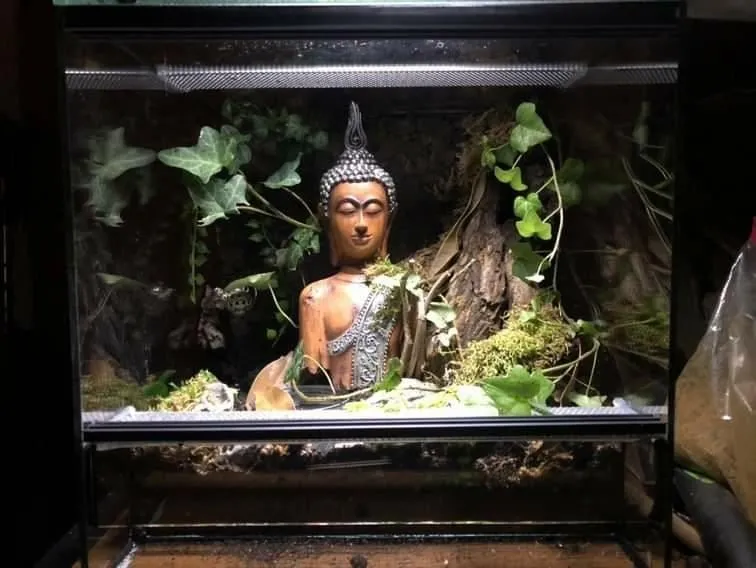
Understanding the Bioactive Terrarium for Tarantulas
Creating a thriving environment for your tarantula involves more than just a glass enclosure and a hiding spot. A bioactive terrarium mimics the spider’s natural habitat, fostering a self-sustaining ecosystem that benefits both the tarantula and the keeper. This setup utilizes live plants, a carefully chosen substrate, and a clean-up crew of invertebrates to break down waste and maintain a balanced environment. This approach significantly reduces the need for frequent cleaning and provides enrichment for your pet. By understanding the principles behind bioactive terrariums, you can create a more natural and engaging habitat for your tarantula to flourish in.
What is a Bioactive Terrarium
A bioactive terrarium is an ecosystem that is designed to mimic a natural environment, featuring live plants, a diverse substrate, and a cleanup crew. Instead of relying solely on manual cleaning, a bioactive setup utilizes natural processes to break down waste. Detritivores such as springtails and isopods consume decaying matter, including the tarantula’s molted skin and uneaten food. Live plants contribute by oxygenating the enclosure and maintaining the humidity levels. This creates a dynamic and self-regulating environment where the tarantula can thrive. It’s a step beyond a basic terrarium, providing a more complete and enriching experience for your pet.
Benefits of a Bioactive Terrarium

The benefits of a bioactive terrarium are numerous. Firstly, it drastically reduces the need for cleaning. The cleanup crew efficiently manages waste, keeping the enclosure clean and odor-free. Secondly, the live plants contribute to better air quality and humidity regulation, essential for tarantula health. Thirdly, the presence of live plants provides enrichment for the tarantula, offering hiding places and stimulating natural behaviors. Lastly, it creates a more visually appealing and naturalistic environment, making the terrarium a fascinating display piece. A healthy bioactive terrarium setup often means a healthier and happier tarantula.
Essential Tip 1 Substrate Selection for Tarantulas
The substrate is the foundation of a successful bioactive terrarium. It serves not only as a surface for the tarantula but also as a medium for the live plants and a habitat for the cleanup crew. The ideal substrate should retain moisture, support plant growth, and provide a suitable environment for the beneficial invertebrates. Avoid substrates that are toxic or that can decompose too quickly, as this can lead to mold or other issues. A proper substrate mix ensures the longevity and health of the entire terrarium ecosystem. The right selection is very important for the terrarium success.
Choosing the Right Substrate Mix
A good substrate mix typically consists of several components. Sphagnum moss is an excellent moisture retainer and is a good base. Coco coir or peat moss add to the moisture retention and offer a good environment for the invertebrates. You can include a small amount of leaf litter, such as oak or magnolia leaves, as these provide food and shelter for the cleanup crew. The substrate should be a mix that is well-draining to prevent the build-up of stagnant water. The ratio of each component can vary depending on your specific needs and the tarantula species. Experiment to find a mix that works well in your particular environment. Make sure that all components are organic and free from pesticides.
Importance of Drainage Layer

A drainage layer is crucial to prevent waterlogging and root rot in your plants. Place a layer of gravel, clay pebbles, or other inert material at the bottom of the terrarium, below the substrate mix. This layer provides a space for excess water to collect, preventing it from saturating the substrate and harming the roots of your plants. A drainage layer also helps to maintain air circulation within the substrate, preventing anaerobic conditions that can lead to the growth of harmful bacteria and fungi. Ensuring good drainage is an investment in the overall health of your bioactive terrarium and, consequently, your tarantula.
Essential Tip 2 Plants Selection and Placement
Choosing the right plants is critical for the success of a bioactive terrarium. Select plants that thrive in the humidity and lighting conditions of your tarantula’s enclosure. Consider plants that offer hiding places, add visual interest, and contribute to humidity regulation. Be sure the plants are non-toxic to tarantulas. Consider the size and growth rate of the plants to ensure they do not quickly overcrowd the terrarium. Proper plant selection and placement will help to create a more natural and engaging habitat for your tarantula.
Best Plants for a Bioactive Terrarium
Some excellent plant choices for a bioactive tarantula terrarium include pothos, spider plants, ferns, and bromeliads. Pothos are easy to care for and can tolerate low light conditions. Spider plants are also relatively low-maintenance and can help with humidity regulation. Ferns add a touch of elegance and can thrive in humid environments. Bromeliads are particularly appealing due to their unique appearance. When choosing plants, consider the size of the enclosure, the tarantula’s temperament, and the overall aesthetic you are aiming for. It’s important to research the plant’s specific needs to ensure it thrives in the terrarium environment.
Planting the Terrarium

Before planting, thoroughly rinse the plants to remove any potential pests or pesticides. Arrange the plants strategically, taking into account the tarantula’s need for hiding places and open space for movement. Consider the light requirements of each plant and place them accordingly. You can use a variety of techniques to plant, such as directly planting into the substrate or using small pots to contain the roots. Ensure the plants have adequate access to light and water. After planting, lightly water the plants to help them settle in. With proper care and planning, your plants will become a thriving part of your bioactive terrarium.
Essential Tip 3 Invertebrate Clean-Up Crew
The invertebrate cleanup crew is a vital component of a bioactive terrarium. These small creatures work tirelessly to break down waste, recycle nutrients, and keep the terrarium healthy. They feed on decaying organic matter, such as uneaten food, dead leaves, and tarantula waste, preventing the build-up of harmful bacteria and fungi. The selection of the appropriate clean-up crew depends on the size of the terrarium, the tarantula species, and your personal preferences. A well-established cleanup crew greatly reduces the need for manual cleaning.
Types of Clean-Up Crew
Springtails and isopods are the most common and effective members of a cleanup crew. Springtails are tiny, wingless insects that thrive in humid environments and feed on mold and decaying matter. Isopods, often called pillbugs or woodlice, are crustaceans that consume decaying leaves, feces, and other organic material. Other useful additions might include certain types of mites and small beetles. The right combination of these invertebrates will ensure the healthy functioning of your terrarium. Consider the size of the enclosure and the tarantula’s size when selecting the appropriate species for your cleanup crew. Providing leaf litter as a food source will aid them.
Introducing the Clean-Up Crew

When introducing the cleanup crew, start with a reasonable quantity, and add more as needed. Springtails can be easily introduced by sprinkling them onto the substrate. Isopods can be gently placed into the terrarium. Before introducing, make sure the terrarium is properly established. Provide a source of food and shelter for the cleanup crew, such as leaf litter and pieces of decaying wood. Once established, the cleanup crew should be largely self-sustaining, with minimal intervention needed from you. Regularly check their populations and ensure they are thriving. You should notice them within a few days, and they will start to actively keep the enclosure clean.
Essential Tip 4 Maintaining Humidity and Temperature
Maintaining the correct humidity and temperature is crucial for the health and well-being of your tarantula. Tarantulas thrive in specific humidity and temperature ranges, and deviations can lead to health problems such as dehydration, molting issues, or even death. Regularly monitor the environmental conditions within your terrarium, and make adjustments as needed. The specific humidity and temperature requirements will depend on the tarantula species.
Monitoring Humidity Levels
Use a hygrometer to accurately monitor the humidity levels in your terrarium. Position the hygrometer in a location that provides a representative reading of the overall environment. Humidity can be adjusted by misting the enclosure with water. The frequency of misting depends on the humidity level, the type of substrate, and the tarantula’s needs. Ensure that the terrarium has adequate ventilation to prevent the build-up of excessive humidity, which can lead to mold growth. Some species need more humidity, some less, so researching your tarantula is important.
Regulating Temperature

Use a thermometer to monitor the temperature within the terrarium. Maintain the appropriate temperature range for your tarantula species. The heat source may be a heat mat or ceramic heat emitter placed outside the enclosure. Avoid direct contact with the tarantula to prevent burns. Consider providing a temperature gradient within the enclosure, allowing your tarantula to choose its preferred temperature. The temperature inside should be regularly monitored, and adjustments should be made to prevent extreme fluctuations. Proper temperature and humidity control will greatly benefit your tarantula.
Essential Tip 5 Feeding and Watering Your Tarantula
Providing proper nutrition and hydration is critical for the health and well-being of your tarantula. Tarantulas are carnivores, so their diet consists primarily of insects. Water must always be available. The frequency and amount of feeding and watering depend on the tarantula’s size, species, and age. Adjust your feeding and watering schedule as needed to maintain a healthy tarantula.
Feeding Your Tarantula
Offer a variety of insects to your tarantula, such as crickets, mealworms, dubia roaches, and other commercially available feeder insects. The size of the feeder insects should be appropriate for the size of the tarantula. Do not overfeed. Remove any uneaten food within 24 hours to prevent mold or mites. You may need to vary the food to meet the needs of your tarantula. Research your tarantula species to determine the best feeding schedule. Also, make sure the insects are gut-loaded before feeding to your tarantula to give it optimal nutrition.
Watering the Terrarium

Provide a shallow water dish or a water source appropriate for the tarantula’s size. This should be kept clean. In addition, misting the enclosure regularly helps to maintain humidity and provides a source of drinking water. Some tarantula species will drink from the droplets on the side of the enclosure. Make sure that the water source is always available, and that it is kept clean to prevent the growth of bacteria. The water dish should be regularly monitored and refilled as needed. Regularly watering and proper humidity will allow your tarantula to thrive.
Conclusion
Creating a bioactive terrarium for your tarantula is an investment in your pet’s health and well-being, and it is also a way to bring a fascinating piece of nature into your home. By following these five essential tips – focusing on the substrate, plants, cleanup crew, humidity and temperature control, and feeding and watering – you can create a thriving ecosystem that provides your tarantula with a natural, enriching habitat. Remember that research and observation are key. Understanding the specific needs of your tarantula species and making adjustments based on your observations are essential for long-term success. With careful planning and ongoing care, your bioactive terrarium will provide years of enjoyment and a healthy, happy environment for your tarantula. Your tarantula will thrive and you will also have a much more interesting terrarium.