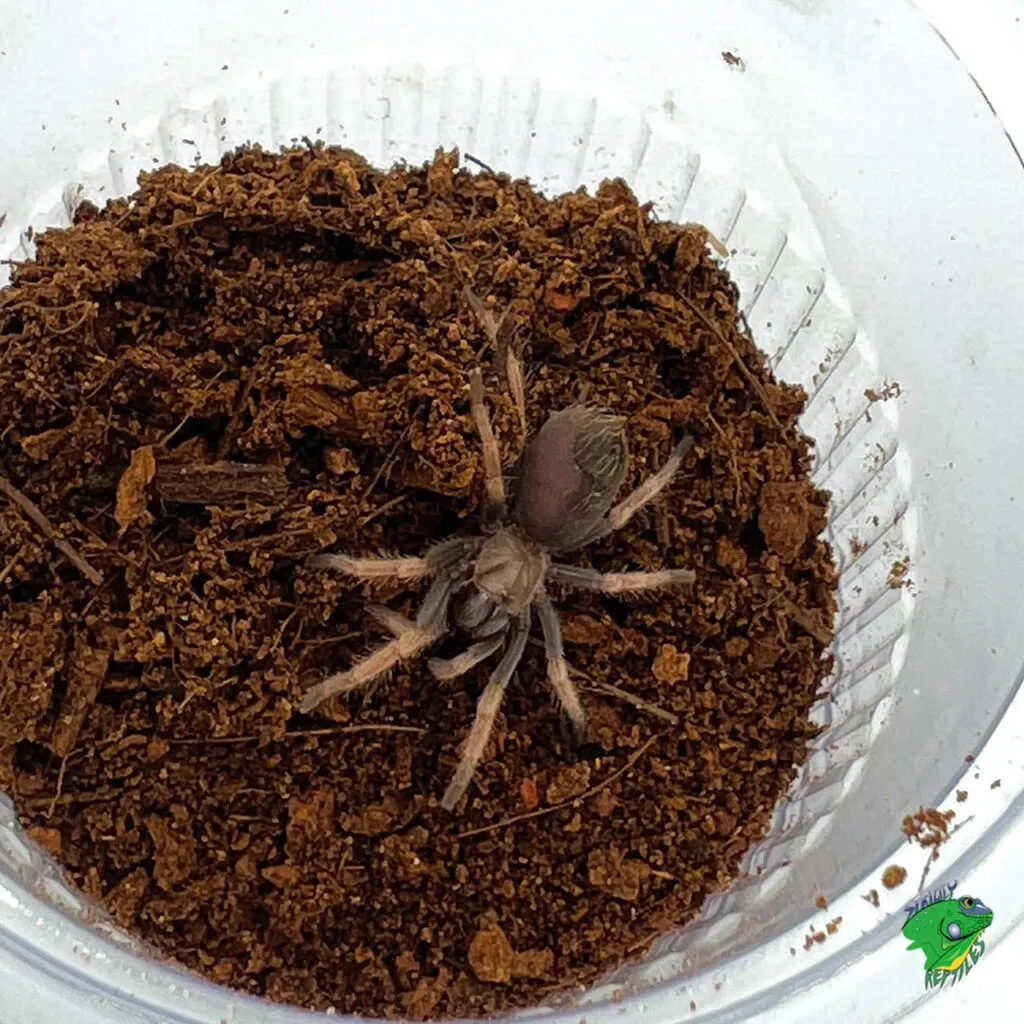
What is a Bloodfever Tarantula?
The Bloodfever Tarantula, scientifically known as Aphonopelma sp., is a captivating species within the diverse world of arachnids. This particular tarantula, known for its striking appearance and relatively docile temperament, has become a popular choice among tarantula enthusiasts. Native to specific regions, the Bloodfever Tarantula offers a fascinating glimpse into the lives of these often-misunderstood creatures. Their unique characteristics and the ease with which they can be cared for have contributed to their growing popularity as exotic pets. Understanding the basic facts about Bloodfever Tarantulas is the first step in appreciating these amazing animals.
Appearance and Characteristics
Bloodfever Tarantulas are generally medium to large-sized tarantulas, boasting a robust build and a striking appearance. Their bodies are covered in dense hairs, which serve both sensory and defensive purposes. These hairs can also cause irritation if they come into contact with skin. The overall look of the Bloodfever Tarantula is one of strength and beauty, combining a blend of functionality and aesthetics that is characteristic of these amazing arachnids. The Bloodfever Tarantula’s appearance is a key reason why people are drawn to them.
Size and Coloration

The coloration of Bloodfever Tarantulas often ranges from shades of brown to reddish hues, providing excellent camouflage in their natural habitats. Males and females may exhibit slight differences in coloration, adding to their individual characteristics. These color variations help the tarantulas blend in with their surroundings, aiding both in hunting and avoiding predators. The overall size of the Bloodfever Tarantula is also noteworthy. They can range from 4 to 6 inches in leg span, making them impressive creatures to observe and care for. These spiders are certainly attractive animals.
Lifespan and Growth
The lifespan of a Bloodfever Tarantula can vary depending on its sex and environmental conditions. Generally, females have a longer lifespan than males, often living for 10 to 20 years or even longer. Males, on the other hand, typically live for only a few years after reaching maturity. The growth of Bloodfever Tarantulas is an intriguing process. They grow by molting, a process where they shed their exoskeleton to allow for further growth. This molting process can be stressful for the tarantula, but it is essential for their development. Proper care and nutrition contribute significantly to their healthy growth and longevity. Learning about their life span is crucial for anyone interested in caring for them.
Habitat and Native Region
Bloodfever Tarantulas are native to specific regions, and understanding their natural habitat is crucial for providing proper care. These tarantulas are adapted to environments that offer specific conditions that support their survival. Providing these conditions in captivity is vital for the health and well-being of your pet. The more you know about their origins, the better you can care for your Bloodfever Tarantula.
Natural Environment

In their natural environment, Bloodfever Tarantulas are typically found in terrestrial habitats, often burrowing underground or seeking shelter under rocks and logs. They prefer environments with specific temperature and humidity levels, mimicking the conditions of their native habitat. These tarantulas are ambush predators, waiting for prey to pass by before striking. Their natural behavior is fascinating to observe. Understanding their natural environment is crucial for providing appropriate care in captivity.
Ideal Enclosure Setup
When keeping a Bloodfever Tarantula as a pet, it is essential to replicate its natural habitat. A suitable enclosure should be spacious enough for the tarantula to move around comfortably. The enclosure should include a substrate, such as coconut fiber or peat moss, to allow the tarantula to burrow and feel secure. Providing a water dish and maintaining appropriate temperature and humidity levels are also crucial for their health. Proper enclosure setup directly impacts the overall health and well-being of your Bloodfever Tarantula. Creating an ideal environment is critical.
Diet and Feeding Habits
The Bloodfever Tarantula is a carnivore, and its diet primarily consists of insects and other invertebrates. Understanding their feeding habits is crucial for maintaining their health and vitality. Providing a varied and appropriate diet is essential for their overall well-being. When it comes to feeding, a well-rounded diet is key to a happy and healthy Bloodfever Tarantula.
Favorite Foods

Bloodfever Tarantulas enjoy a variety of insects, including crickets, roaches, and mealworms. The size of the prey should be appropriate for the size of the tarantula, ensuring that it can easily capture and consume the food. Supplementing their diet with occasional treats, such as pre-killed insects, can also be beneficial. A varied diet is a healthy diet. Providing the right foods will contribute to the health of your pet.
Feeding Frequency
The feeding frequency for Bloodfever Tarantulas varies depending on their age and size. Younger tarantulas need to be fed more frequently, usually every few days, while adults can be fed less often, typically once a week or every other week. Monitoring your tarantula’s appetite and adjusting the feeding schedule accordingly is essential. Overfeeding can lead to health problems, so it’s important to maintain a balanced diet.
Behavior and Temperament
Bloodfever Tarantulas are known for their relatively docile temperament, making them popular pets for both novice and experienced keepers. Understanding their behavior patterns and how they react to different stimuli is essential for safe and responsible pet ownership. These tarantulas offer a unique opportunity to observe and interact with these fascinating creatures. Being aware of their behavior and temperament is crucial for anyone interested in owning a Bloodfever Tarantula.
Handling and Interaction

Handling Bloodfever Tarantulas should be done with care and caution. While they are generally not aggressive, they may bite if they feel threatened. It’s important to handle them calmly and gently, avoiding sudden movements. Always wash your hands thoroughly before and after handling your tarantula to prevent the spread of bacteria. Handling should be kept to a minimum, as it can cause stress to the tarantula. It’s important to understand the risks and benefits of interaction.
Defensive Mechanisms
Bloodfever Tarantulas, like other tarantulas, have several defensive mechanisms. They can flick urticating hairs from their abdomen, which can cause irritation and discomfort to potential predators or humans. They may also raise their front legs and display their fangs as a warning. Understanding these defensive behaviors is crucial for responsible pet ownership, allowing you to recognize when your tarantula feels threatened and avoid unnecessary stress. Be mindful of their defense mechanisms.
Breeding and Reproduction
Breeding Bloodfever Tarantulas can be a rewarding but complex process. It requires knowledge of their mating behaviors and the proper care of the offspring. Careful attention to details is critical for successful breeding. Understanding the breeding process can be a challenging but interesting opportunity for experienced keepers. The more you know, the better chance of successful breeding.
Mating Process

The mating process involves specific rituals, including the male drumming on the ground and the female responding. The male will approach the female cautiously, and if she is receptive, they will mate. Following mating, the male often needs to escape quickly to avoid being eaten by the female. Observing this process is fascinating. Careful observation is key to understanding this intricate behavior.
Egg Sac and Spiderlings
After mating, the female Bloodfever Tarantula will lay eggs and create an egg sac. The egg sac protects the developing spiderlings. She will guard the egg sac until the spiderlings hatch. Once the spiderlings emerge, they will undergo several molts before becoming independent. Providing appropriate care for the egg sac and the spiderlings is crucial for their survival. Careful planning is necessary for success.
Common Health Issues
Like any pet, Bloodfever Tarantulas can be susceptible to various health issues. Recognizing common problems and taking preventive measures can help ensure your tarantula’s well-being. Proper care and a healthy environment can minimize the risk of health issues. Being prepared is crucial for responsible pet ownership.
Parasites and Diseases

Bloodfever Tarantulas can be affected by parasites, such as mites. These parasites can cause discomfort and health problems. They may also be susceptible to certain diseases, often related to poor environmental conditions. Regularly inspecting your tarantula and its enclosure can help detect these issues early. Identifying any issues early is a key step in treating and preventing them.
Preventive Measures
Preventing health issues involves maintaining a clean and appropriate enclosure, providing a balanced diet, and ensuring optimal temperature and humidity levels. Regularly cleaning the enclosure and monitoring your tarantula’s behavior can help detect any signs of illness early. Consulting with an experienced tarantula keeper or veterinarian specializing in exotic animals can provide valuable guidance. Taking preventive measures can help maintain the health of your Bloodfever Tarantula.
Conservation Status
Understanding the conservation status of Bloodfever Tarantulas is important for responsible pet ownership. Knowing the conservation efforts and the impact of the pet trade helps ensure the sustainability of the species. Considering their conservation status is a responsible approach to pet ownership.
In conclusion, the Bloodfever Tarantula is a captivating creature that can bring joy to any tarantula enthusiast. By understanding their basic needs, care requirements, and unique characteristics, you can provide a healthy and enriching environment for your pet. Enjoy the fascinating world of Bloodfever Tarantulas, and remember to always prioritize their well-being. Owning a Bloodfever Tarantula is a unique experience. Enjoy the journey!