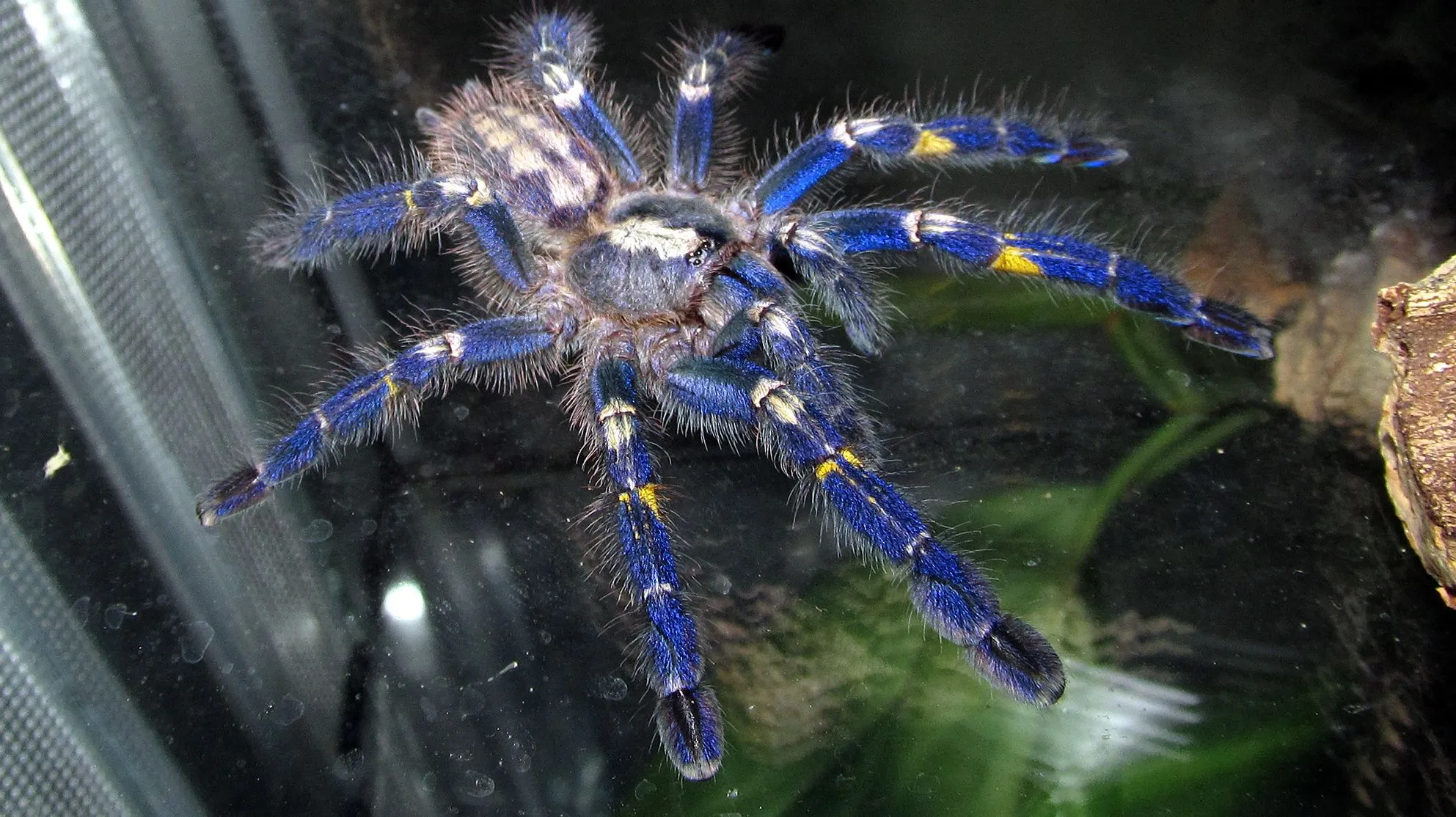
What is a Blue Tarantula
Blue tarantulas, with their striking cobalt or iridescent blue coloration, are captivating creatures that have gained popularity among exotic pet enthusiasts. These spiders, belonging to various species, including those from the genus Cyriopagopus, are known for their vibrant hues and relatively docile temperaments. Owning a blue tarantula can be a rewarding experience, providing a fascinating glimpse into the world of arachnids. However, proper care and understanding are crucial to ensure their well-being. This guide will provide you with essential information on how to care for your blue tarantula and ensure its health and happiness. We will delve into 5 key facts to help you in your journey of becoming a blue tarantula owner.
Appearance and Identification
The most distinguishing feature of a blue tarantula is, of course, its color. The shade of blue can vary depending on the species and the spider’s age, ranging from a deep cobalt to a lighter, more iridescent tone. The blue coloration often covers the legs, carapace (the top of the cephalothorax), and sometimes the abdomen. The size of a blue tarantula can also vary; some species are relatively small, while others can reach a leg span of several inches. When identifying a blue tarantula, it’s essential to consider the species, as the specific pattern and shade of blue, along with the overall size and behavior, will help in proper identification. Observe closely the distinctive blue, alongside the overall size and the spider’s temperament.
Habitat and Natural Environment

Blue tarantulas are native to specific regions of Southeast Asia, including countries like Thailand, Myanmar, and Malaysia. In their natural habitat, they typically reside in burrows or under rocks and vegetation, often in humid environments. Understanding their natural environment is crucial for replicating the appropriate conditions in captivity. They thrive in warm, humid climates and are adapted to a nocturnal lifestyle. When setting up a habitat for your blue tarantula, you must mimic these conditions to ensure the spider feels safe and comfortable. Replicating the natural environment will help your pet to exhibit natural behaviors, eat well, and thrive.
Choosing Your Blue Tarantula
Choosing the right blue tarantula is the first step in ensuring a successful pet-owning experience. Research different species to determine which one suits your experience level and preferences. Considerations include size, temperament, and care requirements. It’s also important to source your tarantula from a reputable breeder or pet store. This reduces the risk of getting a sick or improperly cared-for spider. A reputable source is more likely to provide healthy specimens with accurate information regarding their care. Additionally, be prepared to provide appropriate housing, feeding, and environmental conditions from the moment you bring your new pet home.
Where to Buy Your Tarantula
When looking to buy a blue tarantula, opt for reputable sources. Local exotic pet stores that specialize in arachnids are a good place to start, as they often have knowledgeable staff and healthy specimens. Online breeders are also an option, but it’s important to research them thoroughly by checking reviews and ensuring they have a good reputation for quality and care. Verify that the seller can provide information about the spider’s origin, species, and any special care requirements. Always avoid purchasing from unverified sources to prevent potential health issues or misidentification.
Selecting a Healthy Specimen

Before purchasing a blue tarantula, carefully observe its behavior and physical condition. Look for a spider that is alert and active, with a plump abdomen. Avoid spiders that appear sluggish, have a shrunken abdomen (indicating dehydration), or exhibit signs of parasites or injuries. A healthy tarantula should have a robust appearance, with all its legs intact and no visible deformities. Ask the seller about the spider’s feeding habits and molting history to gain further insight into its health and well-being. Choosing a healthy specimen is a critical step in ensuring the long-term health and happiness of your new pet.
Setting Up the Perfect Enclosure
A well-designed enclosure is essential for your blue tarantula’s health and happiness. The enclosure should provide a comfortable environment, mimicking the spider’s natural habitat. It should also facilitate easy access for feeding, watering, and cleaning. Consider the size, type, substrate, and decorations to provide an enriching and safe environment for your tarantula. The correct setup helps to minimize stress, allowing your tarantula to display its natural behaviors and thrive in captivity. Proper housing is a fundamental aspect of responsible tarantula ownership, and it can significantly impact the overall health and longevity of your pet.
Enclosure Size and Type
The size of the enclosure should correspond to the size of your blue tarantula. A general rule of thumb is that the enclosure should be at least three times the tarantula’s leg span in width. The height of the enclosure is also important, ensuring there is enough space for the spider to move around without the risk of falling. For terrestrial species, a wider, shorter enclosure is usually preferred. For arboreal species, a taller enclosure with climbing opportunities is more appropriate. Glass or acrylic terrariums with secure lids are ideal, offering clear visibility and easy access for maintenance.
Substrate and Decoration

The substrate should be chosen to maintain humidity levels and provide a comfortable environment. Good options include a mix of peat moss, coconut fiber, and vermiculite. These materials help retain moisture and create a burrowing-friendly environment for the tarantula. Decorations, such as cork bark, artificial plants, and hides, provide shelter and enrichment. They also help the tarantula feel secure. Avoid using sharp or toxic decorations that could harm the spider. Regularly check the substrate for mold or pests, and replace it as needed to maintain a clean and healthy environment.
Temperature and Humidity
Maintaining the correct temperature and humidity levels is vital for the health of your blue tarantula. Most blue tarantulas thrive in temperatures ranging from 75-85°F (24-29°C). Use a thermometer to monitor the temperature within the enclosure. Humidity levels should be maintained at 60-75%, which can be achieved by misting the enclosure with dechlorinated water a few times a week and ensuring the substrate remains slightly moist. A hygrometer can help you monitor humidity levels accurately. Proper temperature and humidity will ensure your tarantula remains healthy and comfortable. Providing a stable environment is a key component of tarantula care.
Feeding Your Blue Tarantula
Feeding your blue tarantula the correct diet is crucial for its health and growth. Tarantulas are carnivores and primarily feed on insects. The type, frequency, and size of the prey should be appropriate for the spider’s size and age. It’s important to source high-quality feeders and maintain a consistent feeding schedule. Overfeeding is not recommended, and uneaten prey should be removed to prevent stress and potential health problems. Proper feeding practices help your tarantula grow and stay healthy. Make sure that the food is always fresh and that the water is always clean.
What to Feed

The primary diet for blue tarantulas consists of insects, such as crickets, mealworms, and roaches. The insects should be gut-loaded with nutritious food before feeding them to your tarantula. Gut-loading involves feeding the insects high-quality food, which enriches them with vitamins and minerals that the spider will then consume. The size of the prey should be appropriate for the size of the tarantula; it should be no larger than the spider’s abdomen. Avoid feeding your tarantula wild-caught insects, as they may carry parasites or pesticides. Variety in the diet is important for the overall health of your pet.
Feeding Frequency
Feeding frequency depends on the tarantula’s age and size. Spiderlings and juveniles should be fed more frequently, approximately twice a week, while adult tarantulas can be fed once a week or every other week. Observe your tarantula’s behavior and adjust the feeding schedule as needed. A tarantula that refuses food may be preparing to molt or could be stressed. Always remove uneaten prey within 24 hours to prevent stress or injury to your tarantula. Adjusting the frequency will allow you to develop a relationship with your pet and learn how best to care for it.
Water and Hydration
Providing fresh water is essential for your blue tarantula’s hydration. Offer water in a shallow dish that is easily accessible, and make sure it is always filled with clean, dechlorinated water. You can also mist the enclosure regularly to maintain humidity and provide another source of hydration. Avoid using tap water that contains chlorine or other chemicals. The tarantula can drink from droplets that form on the sides of the enclosure after misting. Keeping the water clean and easily accessible is crucial for your tarantula’s health. The spider needs fresh water to maintain proper hydration and perform essential functions.
Handling and Interaction

While blue tarantulas are generally docile, handling them is not always recommended. Tarantulas can be easily stressed, and their bites can be painful, although they are typically not venomous to humans. If you choose to handle your tarantula, do so with caution and only when necessary. It’s important to understand the spider’s behavior and be aware of its signals. Proper handling techniques can minimize the risk of injury to both you and your pet. Always supervise children when they are near the enclosure. Observe the spider’s behavior and be prepared to avoid handling if the spider seems stressed or agitated.
Safety Precautions
When handling your blue tarantula, always use a soft, slow approach, and avoid sudden movements that could startle the spider. Handle the tarantula over a soft surface, such as a bed or a carpet, in case it falls. Avoid handling the tarantula if it is about to molt, as they are more vulnerable during this period. Wash your hands thoroughly before and after handling your tarantula. Never force handling, and always respect the spider’s boundaries. Remember that handling should be kept to a minimum, as the best way to care for a tarantula is to provide a safe and comfortable environment where it can thrive.
Understanding Their Behavior
Understanding your blue tarantula’s behavior is key to providing proper care and handling. Tarantulas can exhibit various behaviors, such as flicking hairs (urticating hairs), raising their front legs, or moving into a defensive posture when feeling threatened. Learn to recognize these signs to avoid stressing or provoking your spider. Spend time observing your tarantula to understand its routines and preferences. Recognize the signs that your spider is about to molt, as they will be more vulnerable and should be left alone. This understanding enables you to provide the best care and build a positive relationship with your pet. Learn to read its body language and respond accordingly to avoid unnecessary stress.
Common Health Issues and Prevention

Like all pets, blue tarantulas can be susceptible to certain health issues. Common problems include dehydration, parasites, and injuries. Proper enclosure conditions, appropriate feeding, and regular observation are crucial for preventing these issues. Early detection and treatment are key to ensuring your tarantula’s well-being. Maintaining a clean environment and monitoring your spider’s behavior can help identify potential problems before they become serious. If you notice anything unusual about your tarantula, such as loss of appetite, lethargy, or unusual behavior, consult a veterinarian experienced in exotic animals.
Shedding and Molting
Molting is a natural process in which tarantulas shed their exoskeletons to grow. The frequency of molting depends on the spider’s age; younger tarantulas molt more frequently than adults. During molting, the tarantula will become inactive and may appear to be lying on its back. Avoid disturbing a tarantula that is molting. Providing adequate humidity is important during this time. After molting, the spider’s new exoskeleton will be soft for a few days, and it should not be handled until it hardens. Properly caring for your tarantula during molting is essential. The process is critical for growth, so it is important to avoid any disturbances.
Parasites and Diseases
While relatively resistant to diseases, blue tarantulas can be susceptible to parasites such as mites. Maintaining a clean enclosure, including removing uneaten food and replacing the substrate regularly, can help prevent infestations. If you suspect your tarantula has mites, consult a veterinarian experienced in exotic animals for treatment options. Other diseases are rare in tarantulas, but can be caused by environmental factors, like unsuitable humidity levels. The best preventative is to keep the enclosure clean and provide the correct temperature and humidity for your spider. Prompt veterinary care can help you address any health issues effectively and ensure your spider’s health.
Final Thoughts

Caring for a blue tarantula can be a rewarding experience. By understanding their unique needs and providing a suitable environment, you can ensure your tarantula thrives. Remember to research your specific species, provide appropriate housing, feeding, and handling, and monitor your pet for any signs of health issues. By following these guidelines, you can enjoy the fascinating world of blue tarantulas and provide a healthy and enriching life for your captivating pet. Owning a blue tarantula requires dedication and knowledge, but the beauty and wonder of these creatures make the effort worthwhile. Enjoy the journey of being a responsible tarantula owner.