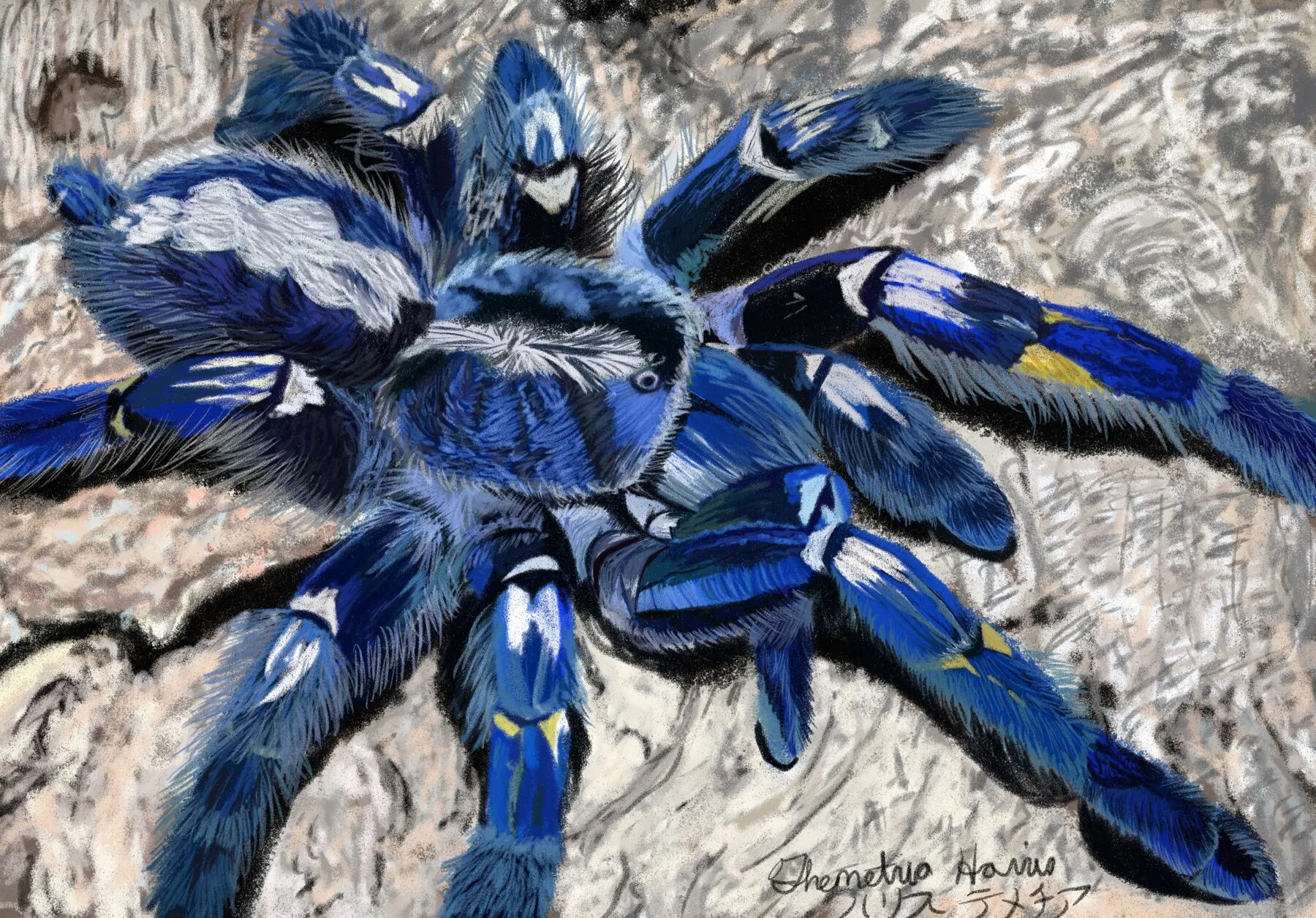
What is the Blue Tarantula Metallica
The Blue Tarantula Metallica, scientifically known as Cyriopagopus (formerly Haplopelma) metallica, is a captivating species of tarantula that has captured the hearts of arachnid enthusiasts worldwide. Known for its striking iridescent blue coloration, this spider is native to the tropical rainforests of Panama. Its beauty and relatively manageable temperament have made it a popular choice for experienced tarantula keepers. However, potential owners should be aware of their specific needs and potential challenges. Understanding their origin, characteristics, and care requirements is essential for ensuring their well-being and appreciating these fascinating creatures.
Origin and Habitat
The Blue Tarantula Metallica is endemic to the rainforests of Panama. In their natural habitat, these spiders construct burrows in the earth, often under rocks, logs, or among the roots of trees. The warm, humid climate of their native environment is crucial for their survival, influencing their behavior, molting cycles, and overall health. The forest floor provides a rich source of insects, their primary food source, ensuring a balanced diet in the wild. Their specific microhabitat requirements highlight the importance of replicating these conditions in a captive environment, creating a suitable environment for these beautiful spiders.
Appearance and Characteristics
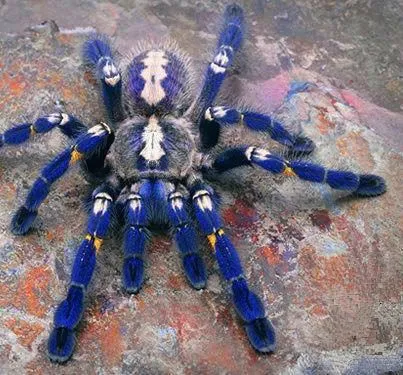
The most distinguishing feature of the Blue Tarantula Metallica is its vibrant blue coloration, which shimmers and shifts with the light. This coloration is more prominent in adult females, adding to their allure. Their bodies are covered in short, dense hairs, enhancing their velvety appearance. They possess a robust build, typical of tarantulas, with powerful legs and chelicerae. Their size can vary, but females typically reach a leg span of up to 6 inches. This makes them a medium-sized tarantula. The combined effect of their coloration, size, and structure makes the Blue Tarantula Metallica a stunning specimen for any tarantula collection. (blue-tarantula-appearance.webp)
10 Fascinating Facts about the Blue Tarantula Metallica
Their striking blue coloration
The iridescent blue color of this tarantula is a result of structural coloration, where microscopic structures within their hairs reflect and refract light. This effect creates a vibrant, shimmering appearance that is unique to the species. The intensity of the blue can vary depending on factors such as the spider’s age, health, and lighting conditions.
They are arboreal spiders

While they can construct burrows, Blue Tarantulas Metallica often climb and live in elevated areas within their enclosures, such as branches or other decorations. This behavior reflects their natural preference for environments with vertical space.
They are relatively docile
Compared to some other tarantula species, Blue Tarantulas Metallica are known for their relatively calm temperament. While they can bite if provoked, they are generally not aggressive and prefer to retreat when threatened. However, all tarantulas should be handled with caution and respect.
They have a moderate venom strength
The venom of the Blue Tarantula Metallica is not considered medically significant to humans. A bite may cause localized pain, swelling, and itching, but it is not typically life-threatening. It is important to avoid bites by handling them carefully. (blue-tarantula-handling.webp)
They are popular in the pet trade
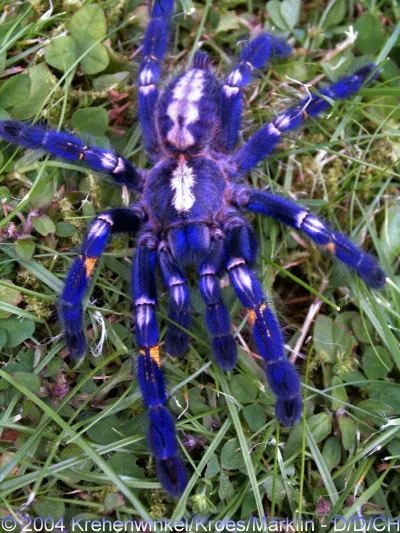
Their striking appearance and relatively manageable temperament have made them a sought-after species in the pet trade. As a result, captive-bred individuals are more common than wild-caught ones. It’s crucial to ensure that any tarantula purchased comes from a reputable breeder.
Their lifespan
Female Blue Tarantulas Metallica can live for an impressive 8 to 10 years in captivity, while males typically have a shorter lifespan of around 3 to 4 years. This longevity is a significant factor for owners committing to their care.
They can be sensitive to handling
While they are not aggressive, Blue Tarantulas Metallica can be sensitive to handling. Excessive handling can stress the spider and potentially lead to injury. It is often best to observe and appreciate them in their enclosure.
They molt regularly

Like all tarantulas, the Blue Tarantula Metallica molts periodically, shedding its exoskeleton to grow. During this process, the spider is vulnerable and should not be disturbed. Molting is a natural process that allows the tarantula to regenerate lost limbs and grow larger. (blue-tarantula-molting.webp)
Their diet mainly consists of insects
In the wild and captivity, the Blue Tarantula Metallica primarily feeds on insects such as crickets, roaches, and mealworms. A varied diet ensures the spider receives all necessary nutrients. Providing appropriately sized prey is essential to avoid stressing the spider.
They are native to Panama
This beautiful species originates from the rainforests of Panama, where they play a role in the local ecosystem. Their presence in their natural habitat is a testament to the biodiversity and natural beauty of the region. (blue-tarantula-habitat.webp)
Caring for a Blue Tarantula Metallica

Enclosure requirements
A suitable enclosure is vital for the health and well-being of a Blue Tarantula Metallica. A glass or acrylic terrarium with good ventilation is recommended. The enclosure should be appropriately sized for the spider’s size, with sufficient floor space and vertical height. Substrate should consist of a mixture of coco fiber, peat moss, and sphagnum moss to retain humidity. Decorate the enclosure with a hide, such as a piece of cork bark, to provide a secure retreat. (blue-tarantula-enclosure.webp)
Temperature and humidity
Maintaining the correct temperature and humidity levels is essential. A temperature range of 75-85°F (24-29°C) is ideal, which can be achieved using a heat mat or ceramic heat emitter. Humidity should be maintained at 70-80%, which can be monitored with a hygrometer and achieved by misting the enclosure regularly. Proper ventilation is crucial to prevent mold and maintain air quality.
Feeding and diet

Feeding your Blue Tarantula Metallica appropriately-sized insects 2-3 times a week is generally sufficient. Crickets, roaches, and mealworms are excellent choices. Remove uneaten prey within 24 hours to prevent stress or injury to the spider. Ensure a constant supply of fresh, clean water in a shallow dish. (blue-tarantula-feeding.webp)
Potential Health Concerns
Common diseases
While Blue Tarantulas Metallica are generally hardy, they can be susceptible to certain health issues. Common problems include fungal infections due to excessive humidity or poor ventilation. Bacterial infections can also occur. Preventing these issues involves maintaining a clean, well-ventilated enclosure and providing appropriate humidity levels. (blue-tarantula-health.webp)
Signs of illness
Watch for signs of illness, such as lethargy, loss of appetite, or abnormal posture. Other signs include changes in the abdomen or unusual behavior during molting. If you suspect your tarantula is ill, it is always wise to consult a veterinarian specializing in exotic pets. Early detection and treatment are key to their recovery.
In conclusion, the Blue Tarantula Metallica is a stunning and fascinating species that can bring joy to its keepers. By understanding their needs and providing proper care, you can ensure that your tarantula thrives and provide it with a long and happy life. Their beauty and unique characteristics make them a rewarding addition to any tarantula collection. Remember to always prioritize their safety and well-being, creating an environment that allows them to flourish.