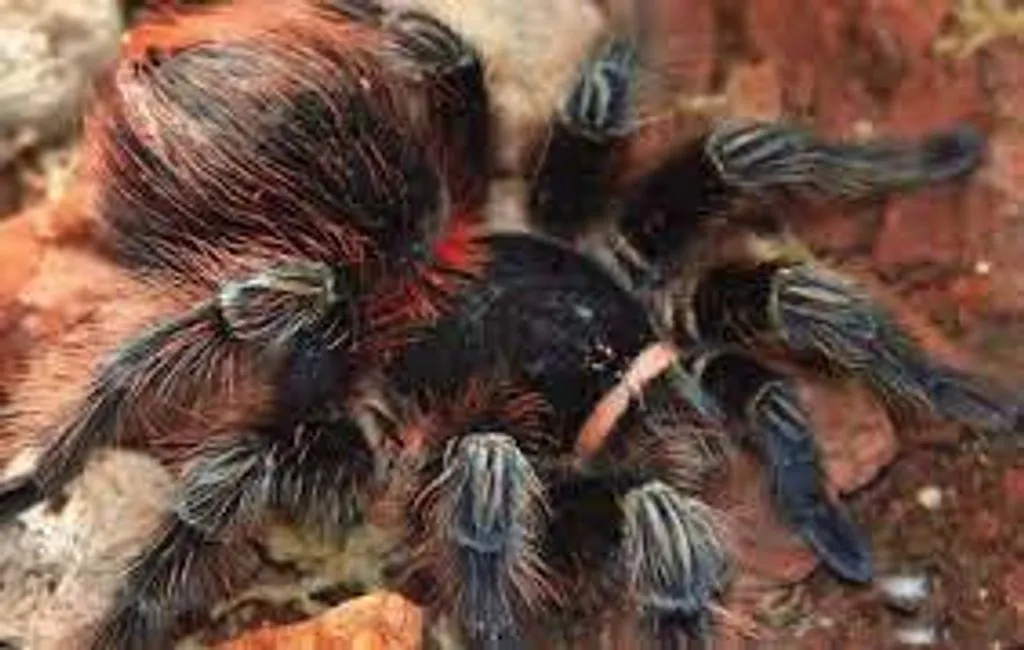
What is a Bolivian Tarantula
The Bolivian Tarantula (Grammostola pulchra) is a captivating species of tarantula native to the tropical regions of Bolivia. Known for its gentle temperament and striking appearance, this spider has gained popularity among tarantula enthusiasts. The Bolivian Tarantula is relatively docile, making it a suitable choice for both beginners and experienced keepers. In this article, we will delve into the fascinating world of the Bolivian Tarantula, uncovering its characteristics, habits, and the secrets to caring for this amazing creature. From its physical attributes to its dietary needs and habitat preferences, we’ll provide comprehensive insights for anyone interested in learning more about this incredible species.
Appearance and Characteristics
Size and Physical Description

The Bolivian Tarantula is a robust spider, characterized by its relatively large size and thick, hairy legs. Adult females can reach a leg span of up to 6-7 inches, while males are slightly smaller. Their bodies are covered in dense setae (hairs) which give them a velvety appearance. The overall build of the spider is strong and well-suited for their terrestrial lifestyle. This impressive size, coupled with their striking coloration, makes them a standout species in the tarantula world. The robust physique contributes to the spiders’ ability to navigate their environment and effectively hunt for prey, while the dense hairs serve various purposes, including sensory perception and defense. The size and physical description of the Bolivian Tarantula are key factors in its appeal and its survival in the wild.
Coloration and Markings
Bolivian Tarantulas exhibit a beautiful color scheme, typically featuring a dark brown or black body contrasted by lighter brown or tan hairs. This coloration provides effective camouflage in their natural habitat, allowing them to blend seamlessly with the forest floor and surrounding environment. The legs often display a gradient of colors, from dark at the base to lighter hues towards the tips. This natural coloration not only aids in their survival but also adds to their aesthetic appeal, making them a visually stunning species. The subtle patterns and color variations can also differ slightly between individuals, adding a unique character to each tarantula, appreciated by enthusiasts and making them highly sought after.
Habitat and Distribution
Natural Environment

The Bolivian Tarantula is endemic to the tropical forests of Bolivia, where they inhabit a terrestrial lifestyle. They prefer areas with abundant leaf litter, fallen logs, and other ground cover, which provide shelter and protection from predators and the elements. These spiders are well-adapted to the humid conditions of their environment, thriving in areas with consistent moisture. The natural environment of the Bolivian Tarantula plays a critical role in their survival, offering essential resources for shelter, hunting, and reproduction. The unique landscape and weather conditions of the region influence their behavior, as they seek refuge in burrows or under objects during the heat of the day, emerging at night to hunt.
Geographic Range
The geographic range of the Bolivian Tarantula is primarily confined to Bolivia, specifically the tropical and subtropical regions. Their presence is well-documented within these areas, where they have established populations. The distribution of this species is closely linked to the availability of suitable habitats, including the presence of moist forest floors and ample ground cover. Understanding their geographical range is crucial for conservation efforts and for appreciating the unique characteristics of the species and its adaptation to specific environmental conditions. The conservation of these habitats is thus essential to the survival of the Bolivian Tarantula. This localized distribution makes them a unique species, confined to a specific part of the world.
Diet and Feeding Habits
Prey and Hunting Techniques

Bolivian Tarantulas are opportunistic predators, primarily feeding on insects and other invertebrates. Their diet in the wild consists of a variety of prey, including crickets, beetles, cockroaches, and sometimes even small vertebrates. These spiders are ambush predators, lying in wait for their prey to come within striking distance. They use their fangs to inject venom, immobilizing their victims, and then consume their prey using digestive enzymes. This hunting strategy is well-suited for their environment, allowing them to conserve energy and effectively capture the food they need to survive. The success of their hunting techniques is a testament to their adaptation and survival skills.
Nutritional Needs
In captivity, the Bolivian Tarantula’s nutritional needs are best met with a varied diet of commercially available insects, such as crickets, mealworms, and roaches. It’s important to gut-load these insects with nutritious food prior to feeding them to the tarantula, to ensure the spider receives essential vitamins and minerals. Water should be provided, either via a shallow water dish or by misting the enclosure. Proper nutrition is essential for the tarantula’s growth, development, and overall health. Overfeeding should be avoided, and the spider’s feeding schedule should be adjusted based on its age and metabolism. Regular monitoring of the spider’s feeding behavior and overall condition will ensure it remains healthy and thriving.
Behavior and Temperament
Activity and Lifestyle
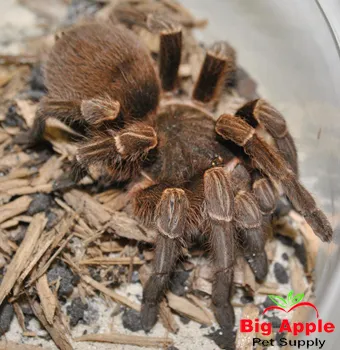
Bolivian Tarantulas are generally considered to be a calm and docile species, making them popular among tarantula enthusiasts. They are primarily nocturnal, becoming most active during the evening and night hours, when they emerge from their burrows to hunt or explore. During the day, they typically remain hidden in their shelters, conserving energy. This behavior helps them avoid predators and manage their exposure to the harsh sunlight in their natural habitats. Their nocturnal lifestyle and calm temperament contribute to their allure as a pet, as they are not overly demanding and offer fascinating behavior to observe. They are fascinating creatures that tend to be more active in their enclosures during nighttime.
Defensive Mechanisms
When threatened, Bolivian Tarantulas may exhibit defensive behaviors, though they are not prone to aggression. Their primary defense mechanism is to flick urticating hairs from their abdomen. These hairs, if they come into contact with skin or eyes, can cause irritation and discomfort. It is therefore crucial to handle these spiders with care and avoid any actions that might provoke them. In addition, they may also raise their front legs in a threatening posture or retreat into their burrows. Understanding these defense mechanisms is crucial for responsible tarantula keeping and ensures the safety of both the spider and its handler. Proper handling techniques and a safe environment are key to a positive experience.
Lifespan and Reproduction
Mating and Egg Laying

The mating process in Bolivian Tarantulas involves the male transferring sperm to the female. After mating, the female will lay a clutch of eggs, typically within a silk egg sac. The size of the egg sac and the number of eggs can vary depending on the female’s size and health. The female carefully guards the egg sac until the spiderlings hatch. This part of their life cycle is crucial for the continuation of the species, and provides insight into their instincts and natural behaviors. The successful reproduction of Bolivian Tarantulas requires appropriate environmental conditions and careful management. It is important to respect the natural processes of this tarantula species.
Lifespan in Captivity
The lifespan of a Bolivian Tarantula in captivity can be relatively long. Females typically live for 10-15 years, sometimes even longer. The lifespan of males is generally shorter, often only a few years, as they often die after mating. The longevity of these spiders is another reason for their popularity, as they can provide companionship for many years. The lifespan in captivity is affected by various factors, including diet, enclosure conditions, and overall care. Proper care and management are essential for ensuring the health and longevity of Bolivian Tarantulas. The long lifespan means that owners must be dedicated and prepared to care for the species for a considerable amount of time.
Conservation Status
Threats and Conservation Efforts

The Bolivian Tarantula does not currently have any specific conservation status. However, as with many species, they may face potential threats due to habitat loss, deforestation, and the pet trade. Conservation efforts often focus on protecting their natural habitats and educating the public about the importance of biodiversity. Responsible pet ownership, including the sourcing of captive-bred specimens, can also help mitigate the impact on wild populations. Conservation efforts are crucial to preserve the species. It is crucial to support and encourage these efforts to ensure that these species continue to thrive in the wild. Understanding the conservation status is important.
How to Care for Bolivian Tarantulas
Enclosure Requirements
Providing the right enclosure is key to successfully caring for Bolivian Tarantulas. A suitable enclosure should be well-ventilated, escape-proof, and appropriately sized for the spider’s size. A 10-20 gallon terrarium is generally sufficient for an adult. The enclosure should include a substrate of coconut fiber, peat moss, or a similar substrate that retains moisture. It is important to provide a hide or shelter, such as a cork bark, to allow the tarantula to feel secure. The enclosure should also be regularly cleaned to remove any waste and maintain a healthy environment. Proper enclosure requirements are crucial for maintaining the health and well-being of the spider. The enclosure should create the ideal environment for the spider.
Substrate and Decorations
The substrate in the enclosure should be several inches deep to allow the tarantula to burrow if it chooses. Coconut fiber and peat moss are popular choices, as they retain moisture and provide a naturalistic environment. Decorations, such as cork bark, artificial plants, and sturdy branches, should be added to provide hiding places and enrichment. The substrate should be kept slightly moist, but not saturated, to maintain proper humidity levels. The right substrate and decorations enhance the tarantula’s well-being. The inclusion of suitable elements offers the tarantula a comfortable and secure environment.
Temperature and Humidity
Bolivian Tarantulas thrive in a temperature range of 75-85°F (24-29°C). This can usually be maintained in a normal home environment, but a small heat mat or ceramic heat emitter can be used if necessary. Humidity levels should be kept at around 60-70%. This can be achieved by misting the enclosure regularly or by providing a water dish. Proper temperature and humidity are essential for the spider’s health and molting process. Regular monitoring with a thermometer and hygrometer is important to make any necessary adjustments. Maintaining the correct environmental conditions is critical to the long-term well-being of the Bolivian Tarantula.
Feeding and Watering
Feeding Bolivian Tarantulas involves providing them with a diet of appropriately sized insects, such as crickets, mealworms, and roaches, 1-2 times a week for adults, adjusting frequency based on the spider’s size and appetite. It is crucial to ensure the prey insects are gut-loaded with nutritious food prior to feeding. A shallow water dish should always be available, and fresh water should be provided regularly. Remove uneaten prey items to prevent stress or injury to the tarantula. Proper feeding and watering are essential for the spider’s health and growth. Providing a balanced diet and ample hydration is essential for the health of the Bolivian Tarantula. Ensuring a healthy diet leads to a healthy and happy tarantula.
Health and Common Issues
Like all tarantulas, Bolivian Tarantulas can be susceptible to certain health issues. Parasites, fungal infections, and mites are potential problems that can affect tarantulas in captivity. Regular observation of the spider’s behavior and physical condition is crucial for detecting any health issues early. Molting is a normal process in tarantulas, and it is important to ensure the enclosure is kept stable during this time. Providing appropriate humidity and temperature can prevent some common health issues. If any health problems are suspected, it is advisable to consult with a veterinarian or experienced tarantula keeper. Prevention is key to ensuring the health and longevity of the Bolivian Tarantula, and it is essential to watch out for common problems.