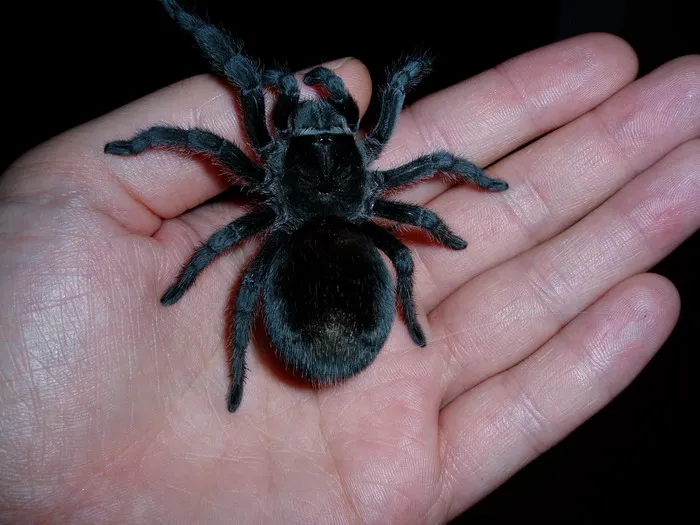
Understanding the Male Brazilian Black Tarantula
The Brazilian Black Tarantula (Grammostola pulchra) is a captivating species known for its striking appearance and relatively docile temperament. These spiders are native to the grasslands and scrublands of Southern Brazil and Uruguay. This comprehensive guide provides all the essential information for successfully caring for a male Brazilian Black Tarantula, ensuring a healthy and fulfilling life for your pet. Understanding the specific needs of this tarantula is crucial, because they are different in temperament and habit from other species. Proper care involves creating a suitable habitat, providing a balanced diet, and taking necessary safety precautions.
Appearance and Characteristics
Male Brazilian Black Tarantulas are distinguished by their entirely black coloration, which is the characteristic that gives them their name. This deep, velvety black is consistent across the carapace, legs, and abdomen. Males typically have a more slender build compared to females, and they are often smaller in size. They also have the characteristic pedipalps, which are used for mating and sensory purposes. As they mature, male tarantulas may develop tibial hooks, which are used to secure the female’s fangs during mating. Observing these features is key to proper identification and care.
Identifying a Male Tarantula

Distinguishing a male Brazilian Black Tarantula from a female can be done by examining a few key characteristics. Mature males will often have tibial hooks on their front legs, used to hold the female’s fangs during mating. They are also smaller and have longer legs. Another significant difference can be seen after their final molt. Males usually have smaller bodies, and the pedipalps will become bulbous and used for mating. Proper identification will allow you to understand the unique behaviors and needs of your tarantula, whether you intend to breed them or not.
Setting Up the Perfect Habitat
Creating a suitable habitat is fundamental to the well-being of your Brazilian Black Tarantula. The enclosure should mimic the spider’s natural environment to minimize stress and promote healthy behavior. Consider aspects such as the size, substrate, temperature, and humidity. Proper setup can contribute to the longevity and health of your pet. It is important to prioritize comfort and safety.
Choosing the Right Enclosure
For a male Brazilian Black Tarantula, a 10-20 gallon terrarium is usually sufficient, but always prioritize ground space over height. The enclosure should be well-ventilated, ideally with cross-ventilation to prevent the buildup of humidity. The lid should be secure to prevent escape, but easy to open for feeding and maintenance. The material of the enclosure can be glass or acrylic, although acrylic can scratch more easily. Make sure to choose an enclosure that provides a safe and comfortable environment, with enough space for the tarantula to move around. Consider future growth and make sure there is adequate room.
Substrate and Decor

The substrate should be several inches deep to allow the tarantula to burrow if it chooses. A good choice is a mixture of peat moss, coconut fiber, and a small amount of vermiculite. This combination helps maintain humidity while providing good drainage. Decorations can include cork bark, artificial plants, and a water dish. These elements not only add visual appeal but also provide hiding places and help regulate humidity. Ensure that any decorations are sturdy and non-toxic, and that they will not trap or harm the tarantula. Keeping the enclosure clean and providing suitable substrate are critical for the well-being of your tarantula.
Temperature and Humidity
Maintaining the correct temperature and humidity levels is essential for the health of your tarantula. The ideal temperature range is between 75-85°F (24-29°C). Use a heat pad or a low-wattage heat lamp to maintain this temperature, but never place the heat source directly under the enclosure. Humidity levels should be between 65-75%. You can measure humidity with a hygrometer and adjust levels by misting the enclosure lightly with dechlorinated water. Proper temperature and humidity will help the tarantula with molting and reduce health issues.
Feeding Your Brazilian Black Tarantula
A well-balanced diet is crucial for the health and longevity of your Brazilian Black Tarantula. Their diet should consist of appropriately sized insects. Understanding what to feed, how often, and how to provide water is essential for ensuring that your tarantula thrives. The feeding habits of tarantulas are quite simple, but consistent, proper care is necessary to keep your tarantula healthy and active.
What to Feed

The main diet of a Brazilian Black Tarantula consists of live insects. Good choices include crickets, mealworms, dubia roaches, and superworms. The size of the insects should be appropriate for the size of the tarantula; as a general rule, the prey should be no larger than the tarantula’s body. It is important to ensure that the insects are gut-loaded before feeding them to your tarantula. This means providing the insects with a nutritious diet to enhance the nutritional value for your pet. Avoid feeding wild-caught insects, as they can carry parasites or pesticides.
Feeding Frequency
Younger tarantulas should be fed more frequently, usually twice a week. Adult tarantulas can be fed once every 1-2 weeks. Observe your tarantula’s behavior and adjust the feeding schedule as needed. If the tarantula refuses to eat, it could be a sign of an impending molt or stress. Remove any uneaten prey within 24 hours to prevent them from stressing the tarantula. Ensure that your tarantula does not become overweight, as this can reduce its lifespan.
Water and Hydration
Fresh water should always be available. Provide a shallow water dish filled with dechlorinated water. The water should be shallow to prevent the tarantula from drowning. You can also mist the enclosure occasionally to maintain humidity and provide additional water sources. Regular hydration is essential for the tarantula to properly molt and stay healthy.
Handling and Safety Precautions

Handling a Brazilian Black Tarantula, although generally docile, requires caution. Understanding proper handling practices and recognizing signs of stress are essential to ensure your safety and the spider’s well-being. While they are not as venomous as other species, their bites can still be painful, and their urticating hairs can cause skin irritation. Always prioritize safety.
Safe Handling Practices
Handling should be kept to a minimum, as it can stress the tarantula. If you need to handle it, do so with utmost care. Gently coax the tarantula onto your hand, using a soft brush if necessary. Avoid sudden movements, and keep your hand close to a surface in case it falls. Never handle a tarantula if you are nervous or have any doubts. Always wash your hands thoroughly before and after handling to prevent the spread of any potential germs.
Recognizing Signs of Stress
Recognizing signs of stress is crucial. A stressed tarantula may flick its urticating hairs (small hairs on its abdomen that can cause irritation), raise its front legs in a threat posture, or try to escape. If you observe any of these behaviors, immediately put the tarantula back into its enclosure. Avoid handling it until it has calmed down. Being aware of stress signs allows you to create a more peaceful and safe environment for your tarantula, minimizing any potential negative impacts on its health.
Common Health Issues and Care

Like all pets, Brazilian Black Tarantulas can be susceptible to certain health issues. Understanding the molting process and recognizing common ailments are critical to proper care. Paying attention to your tarantula’s behavior, feeding habits, and overall appearance can help you catch and treat potential problems early. Proper care is about prevention and quick response to any signs of illness.
Molting Process
Molting is a natural process where the tarantula sheds its exoskeleton to grow. During this time, the tarantula may lose its appetite and become lethargic. The tarantula will usually flip onto its back during the molt. It is essential to avoid disturbing the tarantula during this vulnerable time. Provide a humid environment, but do not feed it until the new exoskeleton has fully hardened. The molt can take several hours, depending on the size and age of the tarantula.
Parasites and Diseases
While Brazilian Black Tarantulas are generally hardy, they can be susceptible to certain parasites or diseases. Mites can infest the tarantula, and signs include small, moving spots on the spider’s body. You can treat this by improving the enclosure’s hygiene. Fungal infections can also occur if the environment is too humid. Ensure proper ventilation and humidity levels to minimize these risks. If you notice any unusual symptoms, consult with a veterinarian specializing in exotic animals for proper diagnosis and treatment.
Breeding Considerations

Breeding Brazilian Black Tarantulas is an advanced endeavor. Successful breeding involves careful preparation and understanding of the tarantula’s mating behavior. If you are not planning on breeding your tarantula, you should understand the potential impact of breeding. Careful preparation and knowledge are essential for responsible breeding.
Mating and Egg Sacs
Mating involves introducing the male to the female’s enclosure after the male has matured. The male will often drum on the substrate to attract the female. If the female is receptive, they will mate. After mating, the female will lay an egg sac, which she will guard carefully. The egg sac can contain hundreds of eggs, which will develop into spiderlings. Remove the male after mating to prevent the female from attacking him.
Caring for Spiderlings
Caring for spiderlings requires specialized care. The spiderlings are very small and vulnerable. They need a humid environment and tiny food items, such as fruit flies or pinhead crickets. Separate the spiderlings into individual enclosures to prevent cannibalism. Proper care and careful observation will help the spiderlings thrive. Raising spiderlings is time consuming, and requires significant resources. Be prepared to invest the time and money necessary to give them the best possible start.
In conclusion, caring for a male Brazilian Black Tarantula can be a rewarding experience. By following the guidelines outlined in this care guide, you can provide your pet with a healthy, comfortable, and stimulating environment. From understanding their unique characteristics to setting up their habitat, providing proper nutrition, and taking necessary safety precautions, this guide equips you with the knowledge to become a successful tarantula owner. With the right care and attention, your Brazilian Black Tarantula can thrive, bringing you years of enjoyment and fascination.