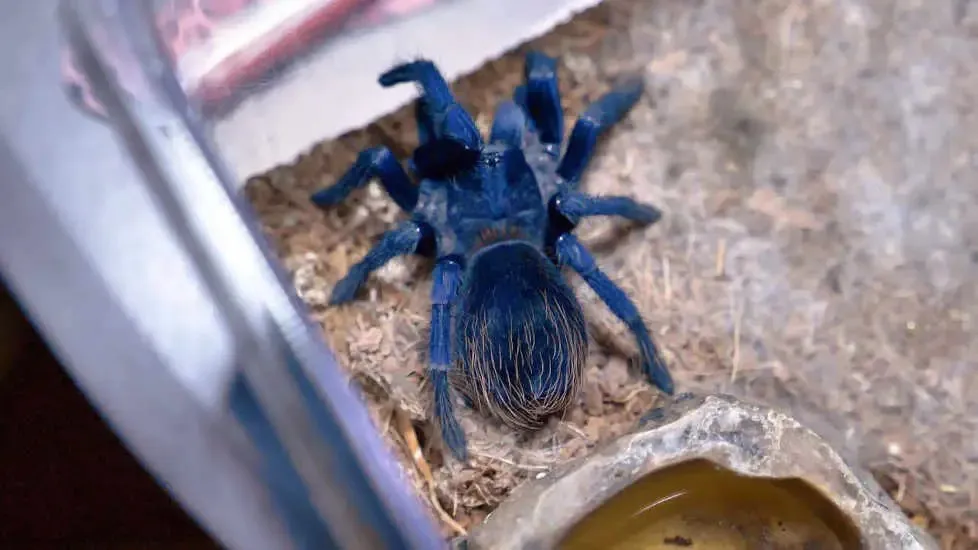
Understanding the Brazilian Blue Tarantula (Grammostola pulchra)
The Brazilian Blue Tarantula, scientifically known as Grammostola pulchra, is a captivating species that has gained popularity among tarantula enthusiasts. This comprehensive guide delves into every aspect of Brazilian Blue Tarantula care, from setting up their habitat to understanding their unique needs. These tarantulas are known for their relatively docile temperament and stunning appearance, making them a rewarding pet for both beginners and experienced keepers. Proper care is essential to ensure the health and longevity of your Brazilian Blue Tarantula, so read on to discover everything you need to know about providing the best possible environment for your new pet.
Appearance and Characteristics
The Brazilian Blue Tarantula is renowned for its striking appearance. While they are not always blue, their legs often exhibit a bluish sheen, especially in juveniles, which fades slightly as they mature. Their bodies are typically a velvety black or dark brown, creating a beautiful contrast with the blue hues. Adults can reach a leg span of up to 6-7 inches. They are considered a terrestrial species, meaning they spend most of their time on the ground. Their overall size and coloration contribute to their appeal, making them a visually stunning addition to any arachnid collection. Observing their growth and changes in coloration is a fascinating part of owning this species.
Origin and Natural Habitat

Native to the grasslands and scrublands of Southern Brazil, the Grammostola pulchra thrives in a specific environmental niche. Understanding their natural habitat is key to replicating it in captivity. In the wild, they construct burrows in the soil, providing shelter from the elements and predators. They experience relatively stable temperatures and moderate humidity levels. Knowing their origin allows you to create an environment that closely mimics their natural surroundings, ensuring they are comfortable and healthy. Providing a suitable environment based on their natural habitat contributes to their well-being and reduces stress.
Setting Up the Perfect Brazilian Blue Tarantula Enclosure
Creating the perfect habitat is a fundamental aspect of Brazilian Blue Tarantula care. The enclosure should provide a safe, secure, and comfortable environment that replicates their natural surroundings. The size and type of enclosure, the substrate, and the humidity and temperature levels are all crucial factors to consider. A well-designed enclosure not only supports their physical health but also allows you to observe their natural behaviors. A properly set up environment is essential for their overall well-being and reduces stress, contributing to a longer, healthier life.
Choosing the Right Tank
The size of the enclosure depends on the size of the tarantula. For slings (juveniles), a small deli cup or a 5-gallon tank is sufficient. As they grow, they will require larger accommodations. A 10-gallon tank or a similarly sized enclosure is appropriate for adult Brazilian Blue Tarantulas. The enclosure should be wider than it is tall as they are terrestrial species. Ensure the enclosure has a secure lid to prevent escapes and adequate ventilation to prevent the build-up of excessive humidity. Consider the material of the enclosure, with glass or acrylic being common choices. The tank must provide plenty of floor space, allowing the tarantula to move around comfortably.
Substrate and Decor

The substrate should be deep enough for the tarantula to burrow, if it chooses. A mixture of peat moss, coconut fiber, and vermiculite is a popular choice. This combination provides excellent moisture retention and allows the tarantula to create a burrow. Avoid using substrates like sand, which can be abrasive. Add a hide, such as a piece of cork bark or a half-log, to provide a secure retreat. Other decorations can include artificial plants and rocks, but ensure they are securely placed and do not pose a risk of crushing the tarantula. The substrate should be kept slightly moist, but not waterlogged, to maintain the proper humidity levels. The decor should offer enrichment and a sense of security for the tarantula.
Maintaining Humidity and Temperature
Maintaining the correct humidity and temperature levels is vital for the health of your Brazilian Blue Tarantula. The ideal temperature range is between 75-80°F (24-27°C). Use a heat lamp or under-tank heater to maintain this temperature, but be sure to monitor the temperature carefully to prevent overheating. The humidity should be kept between 60-70%. Mist the enclosure lightly with water every few days, or as needed, to maintain the appropriate humidity. Use a hygrometer to measure the humidity levels accurately. Proper humidity assists with successful molting. Consistent monitoring and adjustment of these environmental factors are critical in ensuring your tarantula’s well-being.
Feeding Your Brazilian Blue Tarantula
Proper feeding is essential for the health and growth of your Brazilian Blue Tarantula. They are voracious eaters, but their diet should be carefully managed to prevent overfeeding. Offering a variety of insects ensures they receive the necessary nutrients for optimal health. Understanding their dietary requirements and feeding habits is crucial for providing proper care.
What to Feed

The primary food source for Brazilian Blue Tarantulas should be insects. Crickets, mealworms, dubia roaches, and other commercially available insects are suitable options. The size of the prey should be appropriate for the size of the tarantula. Generally, the prey should be no larger than the tarantula’s body. Variety in the diet is beneficial. Consider gut-loading the insects before feeding them to your tarantula, ensuring they are packed with nutrients. Avoid feeding wild-caught insects, as they may carry parasites or pesticides. Remove any uneaten prey within 24 hours to prevent stress for the tarantula.
Feeding Frequency
The feeding frequency depends on the tarantula’s age and size. Spiderlings should be fed more frequently, often 2-3 times a week. As they grow, the feeding frequency can be reduced. Adults typically need to be fed once a week or every other week. Observe your tarantula’s behavior and appetite. If it refuses food, it may be preparing to molt. Adjust the feeding schedule accordingly. Always provide fresh water, even if the tarantula doesn’t seem to be drinking directly. Overfeeding can be detrimental, so be mindful of the amount of food you offer.
Watering and Hydration
Water is essential for your Brazilian Blue Tarantula’s survival. Always provide a shallow water dish with fresh, clean water. Ensure the water dish is shallow enough to prevent the tarantula from drowning. Refill the water dish regularly, especially if it evaporates quickly. You can also mist the enclosure to increase humidity, which helps with hydration, particularly during the molting process. Hydration is important for their overall health and supports various bodily functions. Proper hydration helps with the molting process and maintaining their overall health.
Handling and Safety

While Brazilian Blue Tarantulas are generally considered docile, it’s important to handle them with caution. Their venom is not considered medically significant to humans, but bites can still be painful. Furthermore, improper handling can stress the tarantula. Always prioritize the safety of both yourself and the tarantula.
Do Brazilian Blue Tarantulas Bite?
Yes, Brazilian Blue Tarantulas can bite if they feel threatened. However, they are not known for being aggressive and typically prefer to flee or flick urticating hairs as a defense mechanism. The bite itself is often compared to a bee sting in terms of pain. It is important to approach handling with respect and understanding of their defense mechanisms. While the venom is not highly toxic to humans, it is advisable to avoid bites. Be mindful of your tarantula’s body language to avoid unnecessary stress. Always be cautious and prepared for a potential defensive reaction.
Avoiding Stress and Proper Handling Techniques
Handling should be kept to a minimum. When you do handle your tarantula, do so gently and slowly. Avoid sudden movements or loud noises, as they can startle the tarantula. Always handle them over a soft surface, such as a bed or a carpet, in case they fall. Never try to grab the tarantula; instead, encourage it to walk onto your hand. Frequent handling can stress the tarantula and make it more prone to defensive behavior. Observe the tarantula’s body language. If it appears agitated or defensive, it is best to leave it alone. Providing a safe and secure environment with minimal disturbances is crucial for their well-being. Regular stress reduction ensures that they remain calm and content.
Common Health Issues and How to Address Them

Like all living creatures, Brazilian Blue Tarantulas can experience health problems. Knowing how to recognize and address these issues is essential for responsible pet ownership. Regular observation of your tarantula and its environment can help you identify potential problems early on.
Moulting Process and What to Expect
Moulting is a natural process in which tarantulas shed their exoskeletons to grow. During moulting, the tarantula will typically stop eating and may become lethargic. The enclosure humidity should be maintained, but avoid disturbing the tarantula during this sensitive time. The tarantula will lie on its back during the moulting process. Do not try to assist the tarantula, as this can be dangerous. After moulting, the tarantula’s new exoskeleton will be soft and vulnerable. Wait several days before offering food. This allows the exoskeleton to harden. Observing the moulting process is a fascinating experience. It’s important to provide a safe and undisturbed environment.
Recognizing and Treating Illnesses
Watch for signs of illness, such as lethargy, loss of appetite, or unusual behavior. Mites can sometimes infest tarantulas; if you see them, consult a veterinarian or experienced keeper. Ensure your tarantula has access to water and its enclosure is clean. If you suspect your tarantula is sick, consult a veterinarian or experienced tarantula keeper immediately. Many health problems can be resolved with proper care and attention, and early detection is key. Maintaining a clean environment and proper care can prevent most common illnesses.
Breeding Brazilian Blue Tarantulas

Breeding Brazilian Blue Tarantulas can be a rewarding, yet challenging, endeavor. It requires significant knowledge, preparation, and attention to detail. This section provides essential information for those interested in exploring this aspect of tarantula keeping.
Sexing Your Tarantula
Sexing your tarantula is the first step in breeding. The most reliable way to determine the sex of a tarantula is by examining the shed exoskeleton. Look for the presence of spermathecae (sperm storage organs) in females. These organs appear as small, sac-like structures. In males, you may see tibial hooks on their front legs, which they use to hold the female’s fangs during mating. If you are unable to sex your tarantula using these methods, a professional can help. Accurate sexing helps to identify a pair suitable for breeding. Accurate identification of the sex is essential for successful breeding efforts.
Mating and Egg Sac Care
Mating involves introducing a mature male to a receptive female. Monitor the pairing closely, as the female may attack the male if she is not receptive. If the mating is successful, the female will eventually lay eggs and create an egg sac. The egg sac should be kept in a stable environment. The female will guard the egg sac and care for the spiderlings after they hatch. Separate the spiderlings from the female to prevent cannibalism. Providing the right environment and care can ensure the survival of the offspring. Raising spiderlings is time-consuming and requires a high level of care.
Conclusion
Caring for a Brazilian Blue Tarantula can be a very fulfilling experience. By following the guidelines in this guide, you can create a thriving habitat and enjoy these beautiful creatures for many years. Remember to research and continuously learn more about their specific needs. Proper care involves understanding their natural behaviors and adapting the environment to suit their needs. Consistent care and regular observation will contribute to your success as a tarantula keeper and will ensure your pet’s well-being. Responsible pet ownership ensures the well-being of your tarantula and enhances your enjoyment of this remarkable species.