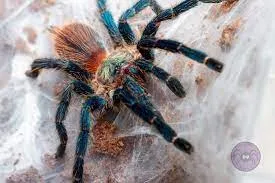
What is a Brazilian Blue Tarantula
The Brazilian Blue Tarantula, scientifically known as Pterinopelma sazimai, is a captivating species of tarantula highly sought after by hobbyists. Native to the highlands of Brazil, these spiders are renowned for their striking blue coloration, a trait that makes them stand out among other tarantulas. Their relatively docile temperament and manageable size also contribute to their popularity as pets. Understanding their unique characteristics and care requirements is crucial for anyone interested in keeping these fascinating creatures. This guide explores seven key facts about Brazilian Blue Tarantulas, offering insights into their appearance, habitat, care, and behavior.
Appearance and Characteristics
The Brazilian Blue Tarantula is easily recognizable due to its vibrant blue coloration, which is most prominent in juveniles and subadults. This blue hue is not a pigment, but rather structural coloration, created by the way light interacts with the microscopic structures on their hairs. Their bodies are covered in dense hairs, with a mixture of colors and hues. Adult females typically exhibit a less intense coloration, often appearing more brownish or greyish, but they still retain hints of blue. Males tend to have a more muted appearance overall. The overall appearance is a combination of the striking blue hues and the spider’s physical features, creating a visually stunning arachnid.
Distinctive Blue Coloration

The blue coloration of the Brazilian Blue Tarantula is one of its most distinguishing features, captivating many. It is a structural color, meaning it is produced by the physical structure of the hairs on the spider’s body, which reflect and refract light in a way that creates the blue appearance. This is different from pigment-based colors, which are due to the presence of specific molecules. The intensity of the blue can vary depending on the individual spider, its age, and the lighting conditions. The unique way light is manipulated by their hairs is what gives them such a vibrant look. The intensity of the blue fades with age.
Size and Lifespan
Brazilian Blue Tarantulas are medium-sized tarantulas. Females typically reach a leg span of about 5 to 6 inches, while males are usually slightly smaller. In terms of lifespan, females can live for a relatively long time, often surviving for 10 to 12 years or even longer with proper care. Males, on the other hand, have a shorter lifespan, typically only living for a few years after reaching maturity. The size and lifespan are crucial factors to consider when deciding to keep a Brazilian Blue Tarantula as a pet, as they influence enclosure size, care requirements, and the commitment involved in their long-term well-being.
Arboreal Lifestyle of Brazilian Blue Tarantulas
As arboreal tarantulas, Brazilian Blues spend a significant portion of their lives in elevated habitats. They are adapted to climb and live in trees, shrubs, and other elevated structures, using their strong claws and tarsal pads to grip surfaces. Their natural habitat in the Brazilian highlands provides numerous opportunities for climbing and exploration, and the tarantulas use these opportunities to hunt and build their webs. The arboreal lifestyle influences their enclosure needs. Providing vertical space and appropriate climbing structures is necessary to meet their behavioral and environmental needs. Their arboreal habits contribute to their active and engaging nature.
Natural Habitat and Behavior

In the wild, Brazilian Blue Tarantulas are found in the mountainous regions of Brazil, where they inhabit trees, shrubs, and rock crevices. They are nocturnal hunters, primarily feeding on insects, and they create silken retreats where they can rest and molt. The environment they live in greatly affects their behavior, including their climbing, web-building, and hunting habits. They are opportunistic feeders, and their behavior in captivity is very similar to their behavior in the wild. Understanding their natural behaviors can help in creating a suitable environment to meet their needs.
Building an Ideal Arboreal Enclosure
Creating the right habitat is a crucial aspect of Brazilian Blue Tarantula care. The enclosure should mimic their natural environment, providing the spider with adequate space, appropriate substrate, climbing opportunities, and suitable humidity levels. The setup should facilitate the tarantula’s natural behaviors and provide a safe space for it to thrive. The design should balance functionality and aesthetics, ensuring the enclosure is both visually appealing and practical for the tarantula’s needs. The right enclosure will contribute to their overall health and happiness.
Enclosure Size and Setup
A suitable enclosure for a Brazilian Blue Tarantula is generally a tall, arboreal-style terrarium. For a juvenile or a small adult, a 10-gallon tank can work, but larger adults will benefit from a 20-gallon tall or larger enclosure. The enclosure should be well-ventilated to prevent the buildup of excess moisture. The setup should include a secure lid to prevent escape. The layout of the enclosure should include vertical space, with branches, cork bark, or other climbing structures to simulate their natural habitat. The goal is to provide a safe and stimulating environment.
Substrate and Decor

The substrate should retain moisture and allow for burrowing if the tarantula chooses to do so. A mix of peat moss, coconut fiber, and vermiculite is a popular choice. The substrate should be deep enough to provide some burrowing space, and it should be kept slightly moist. The decor should include branches, cork bark, and artificial or live plants to provide climbing opportunities, hiding places, and a more naturalistic look. Provide a shallow water dish. The careful arrangement of substrate and decor allows your tarantula to thrive in its home.
Feeding Your Brazilian Blue Tarantula
Feeding is a straightforward part of tarantula care, but it is essential for maintaining their health and well-being. The diet primarily consists of insects, and the frequency of feeding depends on the tarantula’s age and size. A varied diet and proper feeding practices contribute to a healthy, thriving tarantula. Providing the right food and maintaining appropriate feeding schedules will support the spider’s growth and overall health.
Diet and Feeding Frequency
Brazilian Blue Tarantulas are insectivores, meaning their diet should consist primarily of insects. Suitable food items include crickets, mealworms, roaches, and other commercially available insects. The size of the prey should be appropriate for the tarantula’s size; generally, the prey should be no larger than the tarantula’s abdomen. The frequency of feeding should be adjusted based on the tarantula’s age and appetite. Spiderlings can be fed every other day, while adults can be fed once or twice a week. It is important to remove any uneaten food items to prevent mold and mites.
Water and Humidity

Providing fresh water is essential. A shallow water dish should always be available, and the water should be changed regularly. Brazilian Blue Tarantulas require a moderate level of humidity, which can be achieved by lightly misting the enclosure once or twice a week, or as needed. The humidity levels should be monitored and adjusted to ensure they stay within the appropriate range (around 60-70%). Proper hydration is critical for their health, and humidity control supports their overall well-being, aiding molting and ensuring the best environment.
Handling and Temperament
Brazilian Blue Tarantulas are generally considered to have a docile temperament. They are not typically aggressive and are known to be relatively calm. However, like all tarantulas, they possess defensive mechanisms, including the ability to flick urticating hairs and the potential to bite if they feel threatened. It is important to handle them with caution, understanding their behaviors and practicing safe handling techniques. Handling should be limited to prevent stressing the spider and to minimize the risk of injury to both the spider and the handler. Patience and respect will ensure a positive interaction.
Are Brazilian Blue Tarantulas Venomous
Yes, like all tarantulas, Brazilian Blues are venomous. However, their venom is not considered to be particularly potent to humans. A bite from a Brazilian Blue Tarantula is often compared to a bee sting in terms of pain and effect. While the bite can be painful, it is not typically life-threatening. It is possible to experience localized symptoms like pain, redness, and swelling at the bite site. Even though a bite is unlikely to cause serious harm, it is best to avoid being bitten by handling them with care.
Safety Precautions

Safety is paramount when handling or caring for Brazilian Blue Tarantulas. Always handle them close to the ground, in case they fall. Avoid sudden movements, and never try to grab or corner them, as this can make them feel threatened. Before handling, wash your hands thoroughly. If you do get bitten, wash the affected area with soap and water and monitor for any signs of an allergic reaction. Urticating hairs can be a more persistent problem. If you get these on your skin, avoid scratching, and rinse with water and soap. Proper precaution leads to a safe handling experience.
Breeding and Reproduction
Breeding Brazilian Blue Tarantulas requires specific knowledge and the right conditions to ensure a successful outcome. The process involves careful planning and preparation, and understanding the tarantula’s reproductive cycle. Breeding them can be a rewarding experience for experienced keepers. To reproduce successfully, all the environmental conditions must be carefully managed to encourage the spiders to mate and produce healthy offspring. The breeding process itself demands patience and a commitment to the welfare of both the male and female tarantula, as well as the resulting spiderlings.
Mating Process
Mating Brazilian Blue Tarantulas involves introducing a mature male to a mature female. The male will typically drum on the female’s web or enclosure to signal his presence. The female’s receptivity will vary, and the keeper must be vigilant. The male needs to be careful to avoid being cannibalized by the female. If the female is receptive, they will mate, after which the male should be removed from the enclosure to prevent harm. The female should be provided with ample food and a suitable environment after mating.
Egg Sac and Spiderlings

After mating, the female will lay eggs and encase them in an egg sac made of silk. The egg sac should be carefully monitored, and the conditions should be maintained to ensure the eggs hatch successfully. After several weeks, the eggs will hatch into spiderlings, which will resemble miniature versions of the adults. The spiderlings will go through several molts. The keeper will need to separate the spiderlings and provide them with individual enclosures to prevent cannibalism. With adequate care, the spiderlings will grow and eventually develop into adult tarantulas.