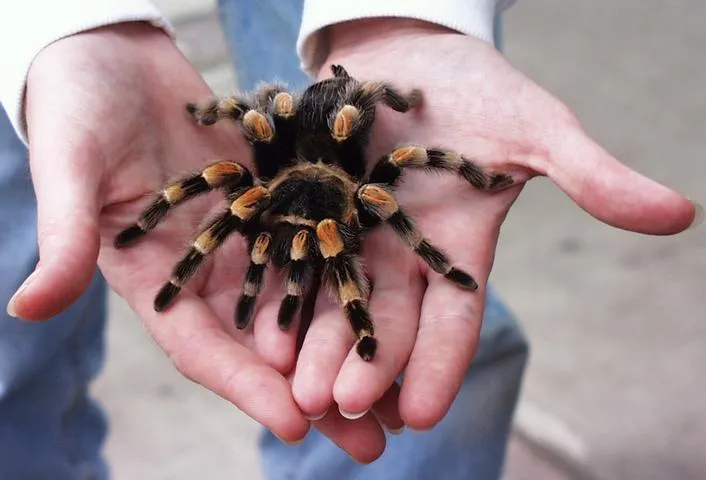
Understanding Mexican Red Knee Tarantulas
The Mexican Red Knee Tarantula (Brachypelma hamorii), a captivating species, has become a favorite among arachnid enthusiasts. Known for their striking appearance, docile temperament, and manageable care requirements, they are a popular choice for both novice and experienced keepers. Successfully breeding these magnificent creatures is a rewarding experience, but it requires a thorough understanding of their natural history, specific needs, and the intricacies of the breeding process. This guide provides a comprehensive roadmap for anyone looking to embark on this fascinating journey. It aims to equip you with the knowledge necessary to increase your chances of success while ensuring the well-being of these beautiful spiders.
Natural Habitat and Behavior
In their natural habitat, Mexican Red Knee Tarantulas are found in the arid scrublands and tropical forests of the Pacific coast of Mexico. They are terrestrial spiders, meaning they live on the ground, where they create burrows for shelter. They are nocturnal hunters, primarily feeding on insects, and typically spend their days hidden away. Understanding their natural behaviors is crucial for replicating an environment that encourages breeding. Mimicking their natural conditions, such as providing a proper substrate for burrowing and maintaining appropriate temperature and humidity levels, significantly increases the chances of successful mating.
Lifespan and Maturity

Mexican Red Knee Tarantulas are long-lived creatures. Females can live for 20-30 years, while males typically live for only 5-10 years, often succumbing to death after mating. The age at which a tarantula reaches sexual maturity varies. Females usually mature between 6-10 years, while males mature at a younger age, often around 4-5 years. This lifespan and maturity timeline are essential considerations when planning for breeding. The long lifespan of the female allows for multiple breeding opportunities, making them a valuable addition to any breeding program. Knowing their maturity levels is critical to ensure the success and safety of the breeding process.
Preparing for Breeding Mexican Red Knee Tarantulas
Before attempting to breed Mexican Red Knee Tarantulas, careful preparation is essential. This involves understanding their sex, providing a suitable environment that stimulates breeding behavior, and ensuring that both the male and female are in optimal health. Creating a conducive setup is a key factor, setting the stage for a successful mating encounter. The health and well-being of the spiders are paramount; a healthy, well-fed tarantula is more likely to breed successfully and produce viable offspring. Skipping the preparation steps will most likely result in failure.
Sexing Your Tarantulas
Accurately determining the sex of your tarantulas is the first and most crucial step. This can be done by examining the tarantula’s molt (the shed exoskeleton) or, with practice, by directly observing the spider. On the underside of a female’s abdomen, between the book lungs, there is a small slit where the spermathecae (sperm storage organs) can be found. Males, on the other hand, possess tibial hooks on their front legs, which they use to hold the female’s fangs during mating, and bulbous pedipalps, which they use to store sperm. These are the primary indicators of the sex of the tarantula. The best method is examining the molt, a less intrusive method.
Creating the Ideal Environment

Replicating the tarantula’s natural habitat is crucial. This includes providing the correct temperature and humidity levels, as well as the appropriate substrate and enclosure setup. A well-designed enclosure will encourage natural behaviors and reduce stress, increasing the chances of successful mating. An environment that mirrors their native environment can significantly increase the likelihood of a successful breeding outcome. The more closely you can mimic their natural conditions, the better the chances of success.
Temperature and Humidity
Maintaining the correct temperature and humidity levels is paramount. The ideal temperature range is between 75-85°F (24-29°C), and the humidity should be kept at around 60-70%. This can be achieved using a combination of a heat source, such as a heat mat or ceramic heat emitter, and regular misting of the enclosure. A hygrometer is essential for monitoring humidity levels. Make sure the enclosure has proper ventilation to prevent mold and mildew growth. Regular monitoring and adjustments are necessary to ensure the environment remains ideal.
Enclosure Setup
The enclosure should be appropriately sized for the tarantula, with enough space for burrowing and movement. A substrate of coco fiber, peat moss, or a mixture of both is ideal, as it retains moisture and allows the tarantula to create a burrow. Provide a water dish and a hide, such as a piece of cork bark or a pre-made hide. Ensure the enclosure is escape-proof. The setup should mimic their natural environment as closely as possible. A well-designed enclosure will encourage natural behaviors and reduce stress, increasing the chances of successful mating and ensuring the health and well-being of the tarantula.
The Breeding Process for Mexican Red Knee Tarantulas

Once the environment is prepared and the tarantulas are ready, the breeding process can begin. This process involves carefully introducing the male and female, observing their behavior, and taking precautions to minimize any risks. The breeding process requires patience, observation, and a good understanding of the tarantulas’ behavior. The most critical aspect is to ensure the safety of both the male and the female.
Introducing the Tarantulas
Introduce the male into the female’s enclosure, preferably when the female is well-fed. Observe their behavior closely. Be prepared to intervene if the female shows aggression towards the male. Some breeders will introduce the male into the female’s enclosure for a short period of time, remove him, and repeat the process to reduce the risk of the female attacking the male. Close supervision is crucial during this phase. The safety of both spiders is the priority.
The Mating Ritual
If the female is receptive, the male will approach her, and they may engage in a mating dance. The male will then use his tibial hooks to hold the female’s fangs, and insert his pedipalps into her epigastric furrow to deposit sperm. The duration of mating can vary. After mating, it is crucial to separate the male from the female. The female might attack and eat the male if he lingers. Observation is key, looking for signs of receptivity and aggression.
Post-Mating Care

After mating, the female will usually molt and then begin producing an egg sac. Ensure that the female has access to plenty of food and water to support her. Monitor her behavior for any signs of stress or illness. The female will require extra care to produce healthy eggs and care for her offspring. Provide an enriched environment, and be vigilant in your observations.
Caring for the Eggsac
The female Mexican Red Knee Tarantula will create an egg sac to protect her eggs. This is a critical period, and proper care can determine the success of the breeding attempt. Monitor the egg sac, and provide the female with everything she needs to care for it properly. This is an exciting but delicate phase.
Incubation and Hatching
The female will typically incubate the eggs within the egg sac for several weeks. Keep the enclosure conditions stable, with the appropriate temperature and humidity. Once the eggs hatch, the spiderlings will remain in the egg sac for a short period before molting into their first instar stage. The incubation period can vary depending on environmental conditions. Patience is necessary, and close monitoring is essential. The time frame can change depending on the variables.
Caring for Spiderlings

After hatching, the spiderlings will molt and become independent. At this point, they can be removed from the egg sac. Provide the spiderlings with a suitable environment, including small enclosures, appropriate substrate, and access to food and water. Spiderlings require specialized care and careful monitoring. Ensure the spiderlings are provided with a safe environment to thrive, starting with small enclosures to prevent stress and to make feeding easier. The well-being of the spiderlings is of utmost importance.
Feeding and Housing Spiderlings
Spiderlings require a diet of small insects, such as fruit flies or pinhead crickets. Feed them regularly, and ensure they have access to fresh water. House the spiderlings individually in small enclosures to prevent cannibalism. As they grow, they will need to be moved to larger enclosures. Ensure their enclosures are well-ventilated and have appropriate substrate and a water source. The spiderlings must be fed frequently to ensure proper growth and development. Small enclosures, appropriate substrate, and a water source are also essential.
Potential Problems and Solutions
Breeding tarantulas can present challenges. It is important to be aware of potential issues and know how to address them. This section details common problems that can arise during the breeding process and provides solutions to help breeders overcome these difficulties. Understanding potential problems ensures you can manage the breeding cycle effectively.
Failure to Mate

If the tarantulas do not mate, it could be due to several factors. The female might not be receptive, or the environment might not be conducive to breeding. Ensure that the female is well-fed and that the enclosure setup is optimal. Try introducing the male again at a later date. Ensure both tarantulas are in optimal health. Sometimes, patience and repeated attempts are necessary.
Egg Sac Problems
Egg sac problems, such as the female abandoning the egg sac or the eggs failing to develop, can occur. Provide the female with optimal care, including proper temperature, humidity, and nutrition. If the female abandons the egg sac, you can try artificially incubating the eggs. Check to ensure there is no mold growth on the egg sac. Handling the egg sac may become necessary in some cases.
Common Diseases and Issues
Tarantulas can be susceptible to various diseases and issues. These can include parasitic infections, fungal infections, or problems related to molting. Preventative measures, such as maintaining a clean environment and providing proper care, are essential. Consult with a veterinarian experienced in exotic animals if you suspect your tarantula has a health problem. Quarantine any new tarantulas and observe them for any signs of illness. Vigilance is key to maintaining healthy tarantulas.
In conclusion, breeding Mexican Red Knee Tarantulas can be a rewarding experience for any arachnid enthusiast. However, it is a process that requires careful preparation, a thorough understanding of the tarantulas’ needs, and a commitment to providing optimal care throughout the breeding cycle. By following this guide, you will be well-equipped to successfully breed these stunning creatures and contribute to the conservation of this beloved species. Patience, observation, and a genuine love for these fascinating animals are essential ingredients for success. With the right knowledge and dedication, you too can enjoy the satisfaction of breeding Mexican Red Knee Tarantulas.