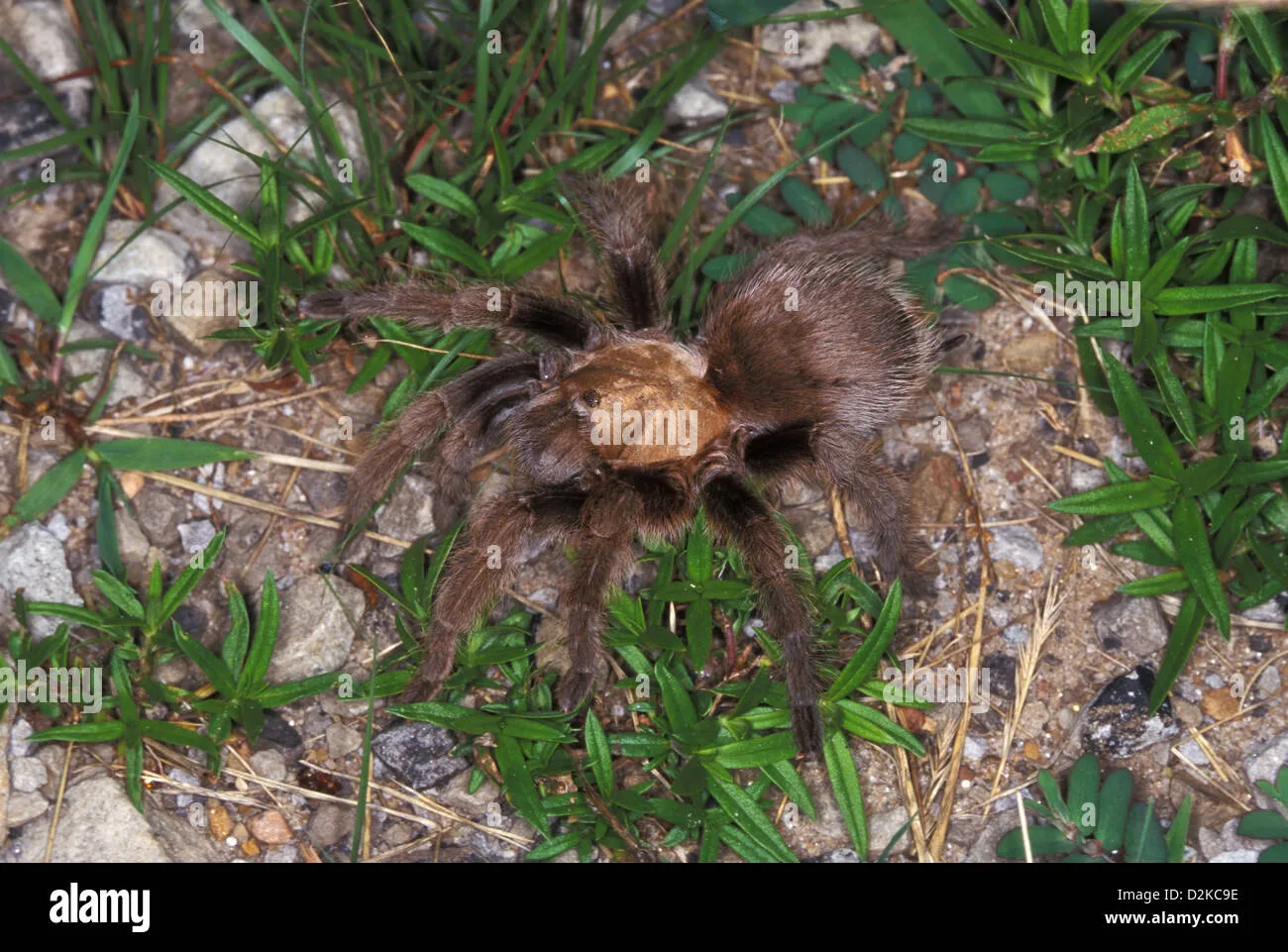
What is the Arkansas Brown Tarantula?
The Arkansas Brown Tarantula, scientifically known as Aphonopelma hentzi, is a fascinating and often misunderstood creature that calls the state of Arkansas its home. As a member of the tarantula family, these spiders are known for their large size, hairy appearance, and impressive presence. They are not only a crucial part of the local ecosystem but also captivate the interest of arachnid enthusiasts worldwide. Understanding the Arkansas Brown Tarantula involves appreciating its physical traits, habitat, behavior, and the challenges it faces in the wild. These spiders play a vital role in controlling insect populations, making them a natural form of pest control within their environment. Learning about the Arkansas Brown Tarantula helps us to better understand and appreciate the biodiversity of the natural world, and the importance of conserving these magnificent creatures.
Physical Characteristics
Size and Appearance

Arkansas Brown Tarantulas are some of the largest spiders found in North America, which often causes surprise when encountered. Adult females can have a leg span of up to 5 inches, while males are slightly smaller. Their bodies are covered in dense hairs, giving them a fuzzy appearance. The overall robust build of the tarantula reflects its strength and predatory lifestyle, allowing it to efficiently hunt its prey. The large size and imposing presence of these spiders often elicit both fascination and fear, but understanding their characteristics can help dispel misconceptions and promote a greater appreciation for these amazing arachnids.
Coloration and Markings
The coloration of the Arkansas Brown Tarantula is typically a blend of browns, ranging from light tan to dark chocolate. This coloration provides excellent camouflage, helping the spiders blend in with their surroundings, which include leaf litter, soil, and tree roots. The hairs on their bodies can vary slightly in color, adding to their natural camouflage. Although the overall appearance is generally uniform, subtle variations in color and markings can be observed among individuals. These variations, while not always dramatic, are enough to make each tarantula unique. The colors enable them to evade predators and ambush prey effectively, making it an essential part of their survival.
Habitat and Distribution of Brown Tarantulas
Preferred Environments

The Arkansas Brown Tarantula thrives in a variety of habitats that offer suitable shelter and ample food sources. They are commonly found in grasslands, open woodlands, and scrublands, where they build burrows in the ground. These burrows provide protection from predators and the elements, and serve as a safe haven for the tarantulas. The spiders prefer environments with well-drained soil, which prevents their burrows from flooding during heavy rains. They also favor areas with moderate temperatures and humidity. The ability to adapt to different environments has allowed them to establish themselves across a broad range of regions, showcasing their resilience and adaptability to various ecological conditions. They often construct their burrows under rocks, logs, or other natural features.
Geographical Range
The Arkansas Brown Tarantula is primarily found in the south-central United States. They are most commonly observed in states like Arkansas, Oklahoma, Texas, and parts of Louisiana and Missouri. Within these states, they are not uniformly distributed, but rather are concentrated in areas that offer suitable habitats. Understanding their geographic range is important for conservation efforts. While they are not considered endangered, habitat destruction and other human activities can threaten their populations. Monitoring their distribution and assessing their habitat needs are crucial to ensure their continued survival. Their presence indicates a healthy ecosystem. The expansion or contraction of their range can be an indicator of environmental changes.
Arkansas Brown Tarantula Behavior and Lifestyle
Activity Patterns
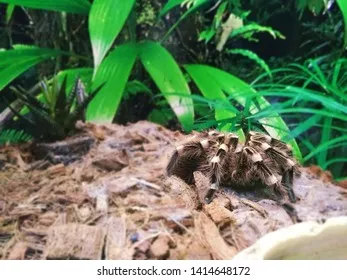
The Arkansas Brown Tarantula exhibits distinct activity patterns that are largely influenced by environmental factors, such as temperature and humidity. These spiders are primarily nocturnal, meaning they are most active during the night. This behavior helps them to avoid the heat of the day and to hunt more effectively. They typically remain hidden in their burrows during the day, emerging at dusk to search for food. During mating season, adult males may become more active, venturing out in search of females. They use this time to actively seek mates, often covering considerable distances. Factors such as rainfall and the availability of prey can also affect their activity levels, and they may adjust their behavior accordingly to optimize their chances of survival and reproduction. Their adaptability is key to their survival.
Diet and Feeding Habits
As predators, Arkansas Brown Tarantulas have a diet consisting mainly of insects, but they will also eat other arthropods, small lizards, and even small rodents if the opportunity arises. They are ambush hunters, waiting patiently near the entrances of their burrows for prey to come within striking distance. When a suitable meal wanders by, the tarantula quickly pounces, injecting venom through its fangs to paralyze the prey. The venom starts the digestion process, breaking down the prey’s tissues so the spider can consume the nutrients. Tarantulas have strong jaws, and they will crush the exoskeletons of their prey, consuming all the edible parts. The availability of food sources can influence the size and health of the tarantula population, and they play a key role in controlling the insect population.
Predators and Defense Mechanisms
Despite their size and fearsome appearance, Arkansas Brown Tarantulas are preyed upon by a variety of animals, including birds, larger reptiles, and other tarantulas. They have evolved several defense mechanisms to protect themselves. One of these is the use of urticating hairs, which are specialized hairs on their abdomen that they can flick at potential threats. These hairs are extremely irritating and can cause significant discomfort if they come into contact with the skin or eyes. They also have a strong bite. The ability to retreat into their burrows provides another line of defense. When threatened, they will quickly retreat to the safety of their underground home, using it to escape or to ambush predators. These defensive strategies have helped them to survive in their environments.
Reproduction and Life Cycle

Mating Rituals
The mating season for Arkansas Brown Tarantulas usually occurs in the late summer and early fall, when adult males venture out in search of females. The males signal their presence by drumming their pedipalps on the ground. If a receptive female is nearby, the male will approach her cautiously, using a series of courtship behaviors. The male will then deposit sperm onto a small web, which he then uses to inseminate the female. The mating process is a delicate dance, with the male needing to avoid being mistaken for prey by the larger female. Successful mating is essential for the continuation of the species, and their complex courtship rituals ensure that the most fit individuals reproduce.
Egg Sac and Spiderlings
After mating, the female Arkansas Brown Tarantula will lay her eggs in a silken egg sac, which she then protects. The number of eggs can vary, but it typically ranges from several hundred to over a thousand. The female carefully guards the egg sac, turning and protecting it from potential dangers. The eggs hatch, and the spiderlings undergo several molting stages before they leave the egg sac. The spiderlings are miniature versions of the adults, and they gradually grow over several years, molting periodically to shed their exoskeletons. These offspring will eventually become adults, continuing the cycle of life for the Arkansas Brown Tarantula population.
Conservation Status

Threats to Brown Tarantulas
The Arkansas Brown Tarantula faces several threats that can impact its survival. Habitat loss and fragmentation due to human development are major concerns. As natural habitats are converted for agriculture, urbanization, and other uses, the spiders lose their homes. The use of pesticides and herbicides can also affect the tarantulas, either directly, through contact, or indirectly, by reducing their food supply. The illegal pet trade can pose a threat, as spiders are sometimes collected from the wild. Climate change could further exacerbate these threats. Addressing these threats is essential for the conservation of this important species.
Conservation Efforts
Protecting the Arkansas Brown Tarantula requires a multi-faceted approach. Habitat preservation and restoration are critical. This includes the protection of existing habitats, the creation of protected areas, and the implementation of sustainable land management practices. Education and awareness are also essential, helping people to understand the importance of these spiders. Supporting regulations that restrict the collection and sale of tarantulas can help to curb the illegal pet trade. Research to understand the species better and monitor populations is also crucial. Conservation efforts must be ongoing and adaptive to ensure the continued survival of these fascinating creatures.
Tips for Observing Brown Tarantulas

Best Time to Spot Them
The best time to observe Arkansas Brown Tarantulas is during the late summer and early fall, particularly in the evenings and at night. This is the mating season, and adult males are more likely to be out and about. The best time to observe these fascinating creatures is after dark. Using a flashlight can help, but it is important to be careful not to disturb the spiders or their habitat. Look for them in their natural environment. Be aware of your surroundings, avoid areas treated with pesticides, and always observe from a safe distance. Patience and respect for the spiders are key to enjoying a successful encounter.
Ethical Considerations
When observing Arkansas Brown Tarantulas, it is crucial to practice ethical and responsible behavior. This includes minimizing your impact on their habitat. Do not disturb their burrows or attempt to handle the spiders. Respect their space. Avoid using flash photography, which can startle or disorient them. If you are a photographer, try using a remote trigger. Never collect the spiders or their eggs from the wild. Always follow local regulations. By practicing responsible wildlife viewing, you can enjoy these amazing creatures. By respecting their natural environment, you can contribute to their conservation. Your responsible actions ensure their continued existence.
Interesting Facts about Brown Tarantulas
Unique Abilities
Arkansas Brown Tarantulas have a number of unique abilities that contribute to their survival. They can live for a surprisingly long time. Females can live for up to 25 years or more, while males typically live for a shorter period. They have the ability to regenerate lost limbs. If a leg is lost, they can regrow it over several molts. They are also very sensitive to vibrations. They can detect vibrations in the ground, which they use to locate prey and avoid predators. These sensory abilities and adaptations help them to survive in their environments. They play a key role in the ecosystem, making them truly fascinating creatures.