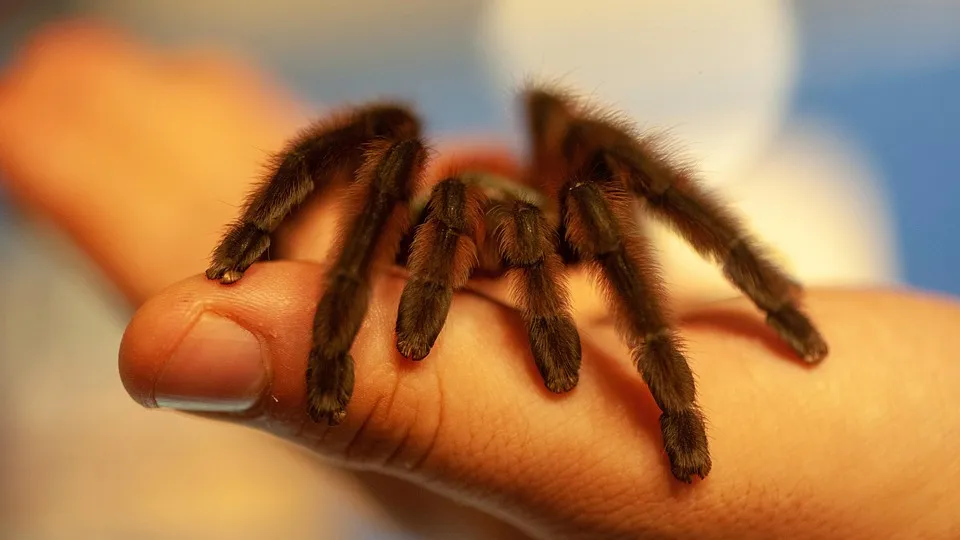
What to Know Before You Buy an Antilles Pinktoe Tarantula
Buying an Antilles Pinktoe Tarantula can be an exciting experience. These beautiful arachnids are popular pets because of their striking appearance and relatively manageable care requirements. However, before you bring one home, it’s crucial to do your research and understand what’s involved in owning a tarantula. This guide provides five essential tips to help you make an informed decision and ensure your new pet thrives. From researching their needs to setting up their habitat, this guide covers the critical aspects of buying and caring for an Antilles Pinktoe Tarantula.
Researching Antilles Pinktoe Tarantulas
Thorough research is the first and most critical step. Understanding the natural habitat, lifespan, and specific needs of Antilles Pinktoe Tarantulas will help you provide the best possible care. Learn about their feeding habits, ideal temperature and humidity levels, and potential health issues. You should also familiarize yourself with their temperament; while generally docile, they can still exhibit defensive behaviors. Reliable sources include reputable breeders, experienced keepers, and online forums dedicated to tarantula care. This information will help you create an environment that mimics their natural habitat as closely as possible.
Why are Antilles Pinktoe Tarantulas a Good Pet

Antilles Pinktoe Tarantulas are often considered excellent pets for several reasons. Their relatively docile nature makes them easier to handle compared to some other tarantula species. They are also beautiful spiders, with vibrant colors. Their care is generally less demanding than that of many other exotic pets. They don’t require daily walks or extensive interaction. Their relatively low maintenance makes them an appealing option for both beginners and experienced pet owners. They are also relatively long-lived, providing years of enjoyment for their keepers. Their unique characteristics make them fascinating creatures to observe and care for.
Where to Buy Antilles Pinktoe Tarantulas
Once you’ve done your research, it’s time to decide where to buy your tarantula. There are several options, each with its pros and cons. The most common sources include reputable breeders, local pet shops, and online retailers. Each option offers different benefits, so it’s important to weigh them carefully. Your choice will influence the health and well-being of your new pet. Always prioritize the health and ethics of the seller and take your time in researching the options available to you. Choose an option that offers guarantees of healthy animals and proper advice for new owners.
Finding Reputable Breeders
Reputable breeders are often the best source for buying a healthy Antilles Pinktoe Tarantula. These breeders typically specialize in tarantulas and have extensive knowledge of their care and breeding. They often prioritize the health and well-being of their animals and can provide valuable insights and advice. Reputable breeders will also be transparent about their breeding practices and the origins of their tarantulas. They usually offer guarantees on the health of their animals and are willing to answer any questions you may have. Look for breeders with positive reviews, experience, and a commitment to ethical practices. Visiting their facilities, if possible, can also help you assess their practices.
Online vs. Local Pet Shops

Both online retailers and local pet shops offer Antilles Pinktoe Tarantulas, but each has its advantages and disadvantages. Online retailers often have a wider selection and may offer more competitive prices. However, you cannot see the tarantula in person before buying it, and shipping can be stressful for the animal. Local pet shops allow you to inspect the tarantula before purchase and can provide immediate customer service. Still, their selection might be limited, and prices might be higher. When choosing, consider factors like the seller’s reputation, shipping practices, and return policies. Always prioritize the health and welfare of the tarantula. Before buying a tarantula online, be sure to read the seller’s reviews.
What to Look For When Buying
When selecting your Antilles Pinktoe Tarantula, several factors will indicate its health and well-being. This step is crucial to ensure you’re bringing home a healthy and happy pet. Examine the tarantula carefully before making a purchase. Look for clear signs of good health and avoid any that appear lethargic, injured, or otherwise unhealthy. Healthy tarantulas are more likely to thrive in their new environment and bring you years of enjoyment. A healthy and well cared for tarantula will make a good pet for years to come.
Healthy Appearance
A healthy Antilles Pinktoe Tarantula should have a plump abdomen, indicating it is well-fed and hydrated. The legs should be intact and free from any signs of injury or damage. The fangs should be present and in good condition. The carapace (the top shell) should be smooth and free from any deformities. The coloration should be vibrant and true to the species. Avoid tarantulas that appear thin, have missing legs, or show signs of illness. A healthy appearance is a key indicator of the tarantula’s overall well-being and vitality. If you’re unsure, ask the breeder or shop owner to verify that the tarantula is healthy.
Active Behavior

Observe the tarantula’s behavior. A healthy Antilles Pinktoe Tarantula should be relatively active and responsive to its surroundings. It should move around the enclosure with ease and not appear lethargic or sluggish. While tarantulas are not constantly active, a healthy one will show signs of alertness and curiosity. They may explore their environment or respond to movement. Avoid tarantulas that remain motionless for extended periods or exhibit erratic behaviors, as these can indicate stress or illness. Watching the tarantula interact with its environment is a key component of selecting a healthy specimen.
Size and Age
Consider the size and age of the tarantula. Younger tarantulas (spiderlings) are more fragile and require specific care. While they are often less expensive, they are also more vulnerable. Older tarantulas, on the other hand, may have a shorter lifespan remaining. A sub-adult or adult tarantula is often the best choice, as it will be more resilient and easier to care for. Inquire about the tarantula’s age and molting history from the seller. This will provide insights into its health and future growth. A tarantula’s size and age will impact both its care needs and the amount of time you will have it.
Setting Up Their Habitat After Buying
Once you’ve purchased your Antilles Pinktoe Tarantula, you will need to set up its habitat. A proper enclosure is essential for its well-being, providing a secure and comfortable environment. The right setup will mimic their natural habitat. Proper enclosure, substrate, and decor are crucial for your tarantula’s health and happiness. This section will guide you through the essential elements of creating a suitable habitat for your new pet.
Enclosure Requirements

Choose an enclosure that is appropriately sized for an Antilles Pinktoe Tarantula. It should be large enough to allow for movement and exploration, but not so large that the tarantula feels overwhelmed. A glass or acrylic terrarium with good ventilation is ideal. The enclosure should have a secure lid to prevent escape. The size will depend on the tarantula’s size. A juvenile will require a smaller habitat than a fully grown adult. The enclosure should be escape-proof and easy to clean. Proper ventilation is also essential for maintaining humidity levels and preventing mold. Make sure to avoid any features that could cause injury to the tarantula.
Substrate and Decor
The substrate is the bedding material in the enclosure and should be appropriate for an Antilles Pinktoe Tarantula. Coconut fiber, peat moss, or a mixture of both are good choices. The substrate should be deep enough to allow the tarantula to burrow if it chooses. Include decorations such as cork bark, branches, and artificial plants to provide hiding places and climbing opportunities. These decorations add enrichment to the environment and make the tarantula feel more secure. Avoid sharp objects that could injure the tarantula. The substrate should be kept clean and changed regularly to maintain a healthy environment. The decor you select will also add to the aesthetics of the enclosure.
Feeding and Care
Providing the right nutrition and care is essential for your Antilles Pinktoe Tarantula’s health and longevity. Understanding their dietary needs, proper hydration, and the environmental conditions they need is crucial for keeping your tarantula happy and healthy. The following section details the essential aspects of feeding and caring for your new pet. Providing the right care will ensure the Antilles Pinktoe Tarantula can thrive.
Proper Nutrition

Antilles Pinktoe Tarantulas are insectivores, meaning they primarily eat insects. Feed your tarantula appropriately sized insects, such as crickets, roaches, or mealworms. The frequency of feeding depends on the tarantula’s age and size. Juvenile tarantulas should be fed more frequently than adults. Avoid overfeeding, as this can lead to health problems. Remove any uneaten insects within 24 hours to prevent them from stressing the tarantula. Always ensure the insects are gut-loaded with nutritious food before feeding them to your tarantula. This will provide the tarantula with all the nutrients it needs.
Water and Humidity
Provide a shallow water dish with fresh, clean water at all times. The water dish should be shallow enough that the tarantula cannot drown in it. Antilles Pinktoe Tarantulas require a moderate humidity level, typically around 70-80%. You can maintain humidity by misting the enclosure with water regularly. Monitor the humidity levels with a hygrometer. Proper ventilation is crucial to prevent mold growth. Ensure the enclosure has adequate airflow. A suitable humidity level is critical for your tarantula’s molting process and overall health. Adjust the misting schedule based on the environmental conditions and the tarantula’s needs.
In conclusion, buying an Antilles Pinktoe Tarantula is an exciting venture. By following the tips provided in this guide, you can make an informed decision, choose a healthy tarantula, and create a thriving environment for your new pet. Remember to always prioritize research, responsible sourcing, and proper care to ensure your Antilles Pinktoe Tarantula lives a long and happy life. Enjoy the unique experience of owning such a fascinating creature. With the proper knowledge and dedication, you can become a successful tarantula keeper and enjoy the beauty and wonder of these amazing spiders.