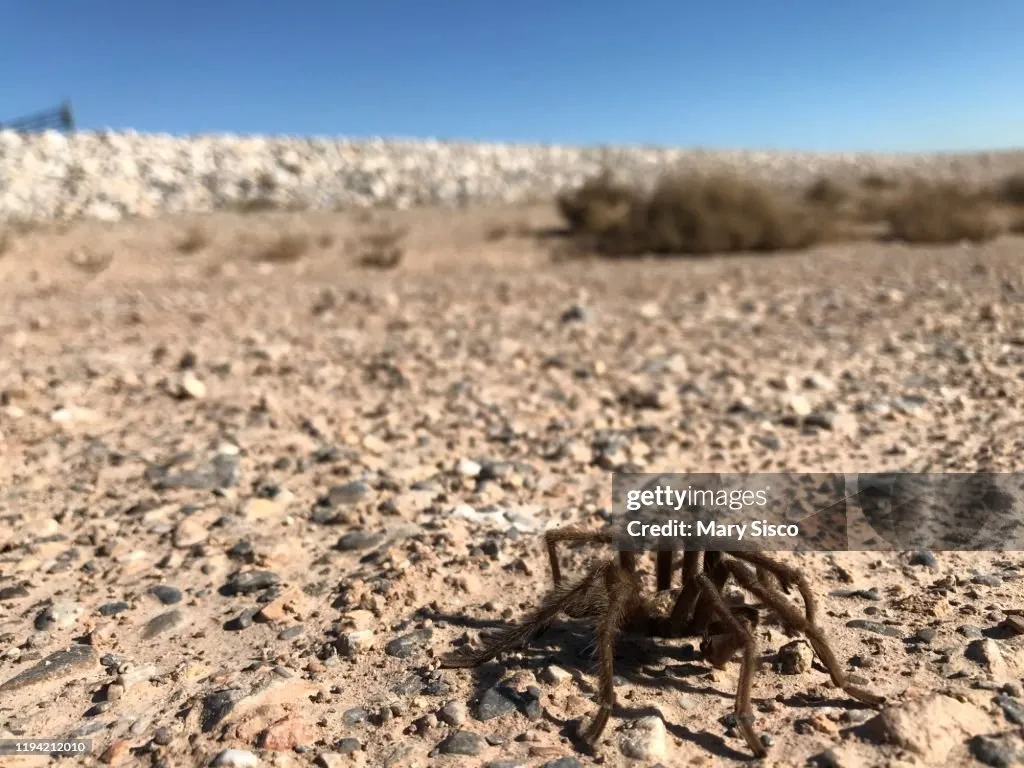
Where to Buy a Desert Tarantula
The decision to buy a desert tarantula can be an exciting one, opening doors to a fascinating hobby. However, finding the right place to purchase your new eight-legged friend is crucial. The availability of desert tarantulas for sale has increased, offering potential owners several options to acquire these captivating creatures. This guide will explore the best avenues for purchasing a desert tarantula, ensuring you find a healthy specimen from a reputable source. It’s important to do your research and understand the responsibilities that come with owning a tarantula. A well-informed purchase is the first step toward a rewarding experience.
Online Tarantula Retailers
Online retailers have become a popular choice for buying desert tarantulas due to their convenience and often wider selection. Many specialized online stores focus on reptiles, arachnids, and other exotic pets, offering a variety of species and sizes. When exploring online options, prioritize reputable vendors with positive customer reviews. Check for guarantees regarding the tarantula’s health and safe shipping practices. Websites should provide clear photos, detailed descriptions, and care requirements for each tarantula. Be prepared to pay for shipping, and ensure the seller offers a heat pack or cold pack depending on your local weather to protect the tarantula during transit. Verify the retailer’s return policy in case of any issues with your new pet. Buying a tarantula online is straightforward, but it’s essential to choose wisely.
Local Reptile and Pet Stores

Local reptile stores and specialized pet shops provide a more personal buying experience. Visiting these stores allows you to see the tarantula in person, assess its health, and speak directly with knowledgeable staff. Local stores often carry a selection of desert tarantulas for sale, along with essential supplies like enclosures, substrate, and food. The advantage of buying locally is the ability to immediately address any concerns or questions you may have. You can also get immediate support if any health problems arise after purchase. Consider the store’s reputation within the community and the experience of their staff. A well-managed store will prioritize the well-being of their animals and provide comprehensive care advice. Be sure to examine the tarantula’s enclosure for cleanliness and proper setup before making a purchase.
What to Look for When Buying
Tarantula Health and Appearance
When evaluating a desert tarantula for sale, the tarantula’s overall health and appearance are paramount. Look for a tarantula that is alert, with all legs intact and moving freely. The abdomen should be firm and not shrunken or excessively large, which could indicate dehydration or overfeeding. The fangs should be intact and the eyes, although small, should be clear and responsive to movement. Check for any signs of parasites or mites, which can appear as tiny white or brown spots on the tarantula or its enclosure. A healthy tarantula will display vibrant colors and a generally robust appearance. Observing the tarantula’s behavior can offer insights into its well-being. Ensure that the tarantula is not lethargic or exhibiting any signs of distress, as these might be indicators of an underlying health problem.
Tarantula Temperament and Behavior

A tarantula’s temperament can vary by species and even individual. While all tarantulas possess venom, some species are more docile than others. When buying a desert tarantula, observe its behavior. Does it appear skittish or defensive when approached? Or is it relatively calm and curious? A tarantula that sits still and doesn’t show signs of aggression is generally preferred, especially for beginners. Keep in mind that tarantulas are often more active during the evening or night. It is important to understand that each tarantula has its own personality. Some may be more prone to hiding, while others might be more visible and active. If you are new to tarantula ownership, it’s often advisable to choose a species known for its docile temperament.
What to Avoid
When buying a desert tarantula, avoid specimens that appear unhealthy, have missing limbs, or exhibit signs of illness, such as lethargy or loss of appetite. Refrain from purchasing tarantulas from sellers who cannot provide information on the tarantula’s origin or care requirements. Don’t buy a tarantula that is housed in an unsuitable environment or that shows signs of stress, such as excessive web-making or hiding. Steer clear of impulse purchases. Take your time to research the species you are interested in and ensure you are prepared for the commitment of tarantula ownership. Avoid purchasing tarantulas that appear to be freshly molted, as their exoskeletons are still soft and vulnerable. Additionally, do not buy a tarantula if the seller is unwilling to answer your questions or provide after-sale support. These practices can indicate the seller’s lack of expertise and care.
Tarantula Pricing and Deals
Factors Influencing Price

The price of a desert tarantula can vary depending on several factors. The species of the tarantula is a major determinant, with rarer or more exotic species often commanding higher prices. The tarantula’s size and age also influence the price, as larger or older tarantulas may be more expensive. The tarantula’s sex is another factor; females typically live longer and may be more valuable. Finally, the health and appearance of the tarantula can impact the price. Healthy, well-cared-for tarantulas usually cost more. When considering a desert tarantula for sale, understand that you are paying for a living creature and the quality of its care. Be prepared to invest in the proper equipment and supplies, which will influence the overall cost of ownership.
Finding Amazing Deals
Finding amazing deals on desert tarantulas requires some patience and research. Checking online forums and classifieds can reveal discounted prices. Be cautious, and ensure the seller is reputable. Attending reptile shows and expos can offer opportunities to find tarantulas at competitive prices. Sellers at these events often offer deals to attract buyers. Look for sales and promotions from online retailers or local pet stores. Compare prices from multiple vendors to identify the best deals. It’s important to consider the overall value, including the tarantula’s health and the seller’s reputation, rather than focusing solely on the price. Remember that the lowest price isn’t always the best deal. Prioritize the health and well-being of the tarantula.
Desert Tarantula Care Basics
Setting Up the Enclosure

Setting up a suitable enclosure is crucial for the health and well-being of your desert tarantula. The enclosure should be appropriately sized for the tarantula’s species and size, typically ranging from 5 to 10 gallons for juveniles and larger for adults. Use a glass or acrylic terrarium with secure ventilation to maintain proper air circulation. The substrate is a very important aspect for creating a suitable enclosure for your tarantula. A substrate of coco fiber or a mix of peat moss and vermiculite is recommended. Provide hiding places, such as a cork bark or a half-log, where the tarantula can retreat and feel secure. Maintaining the correct temperature and humidity levels is essential for a desert tarantula. Use a thermometer and hygrometer to monitor the environment. Also, ensure the enclosure is escape-proof, as tarantulas are adept climbers.
Substrate and Decorations
The substrate, or bedding, is another important component of a desert tarantula’s enclosure. It serves multiple purposes, including providing a place to burrow, retaining humidity, and absorbing waste. Choose a substrate that is safe, non-toxic, and suitable for desert species. Coco fiber, peat moss, and vermiculite are popular options. The depth of the substrate should be sufficient to allow the tarantula to burrow comfortably. Add decorations to the enclosure to provide enrichment and a more natural environment. Include a hide, such as a cork bark or a half-log, to give the tarantula a place to retreat and feel secure. Artificial plants and decorations can add visual interest, but ensure they are non-toxic and safe for the tarantula. Avoid sharp objects or materials that could harm the tarantula.
Feeding Your Tarantula
Feeding your desert tarantula a balanced diet is vital for its health. Tarantulas are carnivores, and their diet should consist primarily of live insects. Crickets, roaches, and mealworms are common choices. The size of the insects should be appropriate for the tarantula’s size, generally no larger than the tarantula’s body. Feed juvenile tarantulas more frequently, about once or twice a week. Adult tarantulas can be fed less often, about once every one to two weeks. Remove uneaten food within 24 hours to prevent mold and mites from infesting the enclosure. Ensure the insects you feed are gut-loaded with nutritious food before offering them to your tarantula. Provide a shallow dish of water for the tarantula to drink from, and make sure the water is clean.
Water and Humidity

Maintaining proper humidity levels is essential for a desert tarantula’s health. Desert species generally prefer drier conditions, but they still require a small amount of humidity to aid in molting. Use a hygrometer to monitor the humidity level in the enclosure. Mist the enclosure lightly with water every few days, or as needed, to maintain the correct humidity range. Provide a shallow dish of fresh, clean water for the tarantula to drink from. Regularly check the water dish to ensure it is always full and clean. Avoid over-misting the enclosure, which can lead to mold and bacterial growth. Proper humidity ensures the tarantula can molt properly and stay hydrated. Keep in mind that the humidity requirements can vary depending on the species of tarantula.
Handling and Interaction
Safety Precautions
Handling a desert tarantula should be approached with caution and respect. Tarantulas are generally not pets to be handled frequently. If you choose to handle your tarantula, do so gently and slowly, avoiding sudden movements. Always wash your hands thoroughly before and after handling. Never handle a tarantula if you have applied any lotions or creams to your hands. Handle the tarantula over a soft surface, such as a bed or a carpet, to minimize the risk of injury if it falls. Be mindful of the tarantula’s posture and behavior, and be prepared to put it back in its enclosure if it shows signs of stress or aggression. Always supervise children around tarantulas and educate them about the proper way to interact with these amazing creatures. Remember that tarantulas can bite if they feel threatened.
Common Health Issues
Preventative Measures
Preventative measures are essential for maintaining a healthy desert tarantula. Proper enclosure conditions, including temperature, humidity, and substrate, are the most important factors. Ensure the enclosure is kept clean, removing any uneaten food or waste regularly. Feed your tarantula a balanced diet of live insects and provide fresh water at all times. Observe your tarantula daily for any signs of illness or distress. Quarantine new tarantulas for a period of time before introducing them to existing collections. Regularly inspect your tarantula’s enclosure and the tarantula itself for any signs of parasites or mites. Proper care and a clean environment will significantly reduce the risk of health problems.
Recognizing Illness
Being able to recognize signs of illness in your desert tarantula is crucial for its health. Some common signs of illness include lethargy, loss of appetite, and unusual behavior. A tarantula that is constantly hiding or not moving may be unwell. Look for physical signs, such as a shrunken abdomen, which could indicate dehydration or parasitic infection. Check for mites, which can appear as tiny white or brown spots on the tarantula or in its enclosure. If you notice any of these symptoms, consult with a veterinarian experienced in exotic animals. Early detection and treatment can greatly improve the chances of recovery. Keep a close eye on your tarantula’s molting cycles, as problems during molting can also be a sign of health issues.
Conclusion
Buying a desert tarantula can be a rewarding experience, but it is important to do your research, and choose a reputable source, and provide proper care. By understanding the needs of these captivating creatures, you can provide a safe, healthy, and enriching environment. Always prioritize the well-being of your tarantula and seek professional advice when needed. With proper care and attention, your desert tarantula can thrive and provide you with years of enjoyment. Enjoy the fascinating world of tarantula ownership!