Indian Ornamental Tarantula Facts
The Indian Ornamental Tarantula (Poecilotheria regalis), often admired for its striking patterns and impressive size, is a captivating species for both experienced and aspiring tarantula keepers. Known for its vibrant coloration and arboreal lifestyle, this spider hails from the forests of India. Before you buy an Indian Ornamental Tarantula, understanding its specific needs and characteristics is crucial for providing the best possible care. This guide provides essential facts and insights to ensure you are well-prepared to welcome this stunning arachnid into your home. Learning about their behavior, habitat requirements, and dietary needs will help you ensure your tarantula thrives. Also understanding where to buy Indian Ornamental Tarantulas and how to properly care for them will make the experience more enjoyable and successful.
Appearance and Characteristics
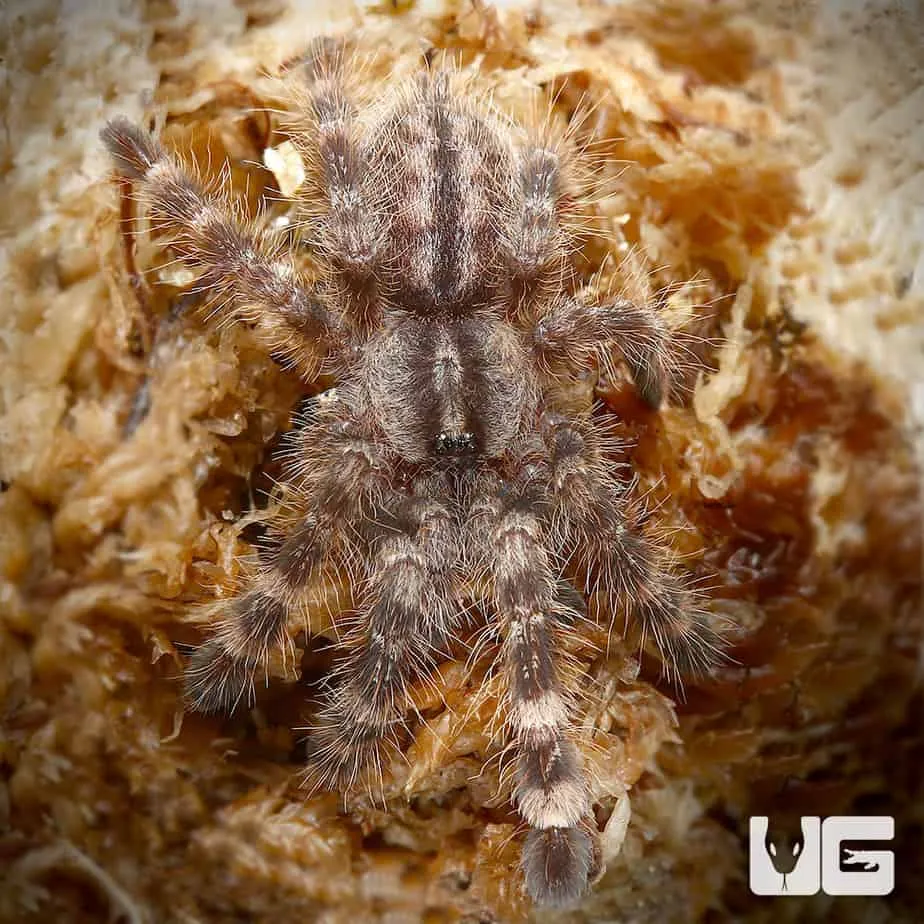
The Indian Ornamental Tarantula is immediately recognizable due to its intricate patterns and vibrant coloration. They typically feature a base color of dark gray or black, adorned with striking yellow or orange markings on their legs and carapace. The intricate patterns resemble elaborate designs, making each individual spider unique and visually stunning. As adults, these tarantulas can reach a leg span of up to 8 inches, making them a medium to large-sized species. Their appearance is a significant factor contributing to their popularity among hobbyists. These tarantulas possess a robust build, with a noticeable presence that adds to their appeal. The combination of size and vibrant patterns makes them a standout species in any collection. These physical attributes are not only beautiful but also reflect the tarantula’s role in its natural habitat. The bright patterns might play a role in camouflage or communication, further adding to their fascination.
Size and Lifespan

When considering to buy Indian Ornamental Tarantulas, it’s essential to understand their growth and longevity. Females typically live longer than males, often reaching 10 to 12 years, while males have a shorter lifespan of around 3 to 5 years. These tarantulas undergo several molts throughout their lives, with each molt revealing a larger and more vibrant spider. Their growth rate is influenced by factors such as diet, temperature, and humidity. Providing proper care ensures that they reach their full potential size and lifespan. The impressive size they attain as adults makes them a rewarding species to observe. Regular monitoring of their molting cycles provides a fascinating glimpse into their growth process. Understanding these aspects of their biology is crucial for providing appropriate care and ensuring their well-being. The size and lifespan are critical factors to consider when choosing a pet, ensuring you are prepared for the long-term commitment involved.
Temperament and Behavior
Indian Ornamental Tarantulas are known for their somewhat nervous and defensive behavior. They are generally not recommended for handling, as they can be quick to bite if they feel threatened. Their bites are not lethal to humans, but they can be quite painful. They are also very fast and can easily bolt from their enclosure if given the opportunity. Understanding their temperament is vital for their safety. They are arboreal spiders, meaning they spend a significant amount of time in trees or elevated areas. They often create elaborate webs and prefer to hide in crevices or under bark. Observing their natural behaviors in a properly set-up enclosure is one of the most rewarding aspects of keeping this species. The tarantulas are nocturnal hunters and are most active during the night. Their defense mechanisms, such as flicking urticating hairs and biting, underscore the importance of cautious handling and responsible ownership.
Suitable Habitat for Indian Ornamental Tarantulas
Creating a suitable habitat is key to keeping your Indian Ornamental Tarantula healthy and thriving. They require an enclosure that mimics their natural environment, providing them with a sense of security and promoting their well-being. The right setup ensures they can exhibit their natural behaviors and live a long, healthy life. The specifics of the habitat setup are directly correlated to the health and happiness of your tarantula. Prioritizing a well-designed enclosure ensures that your tarantula feels safe, secure, and comfortable in its new home. A thoughtfully planned habitat allows you to observe their fascinating behaviors. It also provides the necessary conditions for them to thrive. A proper enclosure is not just a housing unit but a vital component of responsible tarantula ownership.
Enclosure Setup

The enclosure should be tall rather than wide, as these are arboreal spiders that prefer to climb. A glass or acrylic terrarium is ideal, with dimensions appropriate for the size of the tarantula. A good rule of thumb is to provide a space that is at least twice the tarantula’s leg span in height. Ensure the enclosure has good ventilation to prevent mold and maintain proper humidity levels. A secure lid is essential, as these tarantulas are fast and can easily escape. Providing plenty of vertical climbing space is important. You can use cork bark, branches, or artificial plants to mimic their natural habitat. Avoid placing decorations that could be potentially harmful or difficult to navigate. The enclosure should be easy to clean and maintain. Proper setup ensures the tarantula feels secure and can exhibit its natural behaviors. The correct enclosure creates a safe environment.
Substrate and Decorations
The substrate should be at least 4-6 inches deep to allow the tarantula to burrow and feel secure. A mixture of peat moss, coco fiber, and sphagnum moss works well. This substrate helps to maintain humidity levels and allows the tarantula to create a comfortable environment. Decorations should include pieces of cork bark, branches, and artificial plants to provide hiding places and climbing opportunities. Avoid sharp objects or items that could pose a risk to the tarantula. Ensure that any decorations are securely placed to prevent them from falling and potentially harming the spider. The decorations not only enhance the aesthetic of the enclosure but also enrich the tarantula’s environment. Regular replacement and maintenance of the substrate and decorations are essential for maintaining a healthy habitat. The proper substrate and decorations play a crucial role in the well-being of the tarantula, providing both functional and environmental benefits.
Temperature and Humidity
Maintaining the correct temperature and humidity levels is critical for the health of your Indian Ornamental Tarantula. The ideal temperature range is between 75-85°F (24-29°C). You can use a heat mat or a low-wattage ceramic heat emitter to maintain the temperature. Always monitor the temperature using a thermometer. Humidity levels should be between 60-70%. This can be achieved by lightly misting the enclosure a few times a week, depending on the ventilation. You can also use a hygrometer to monitor the humidity levels. Ensure that there is adequate ventilation to prevent the buildup of excess humidity, which can lead to mold growth. Proper temperature and humidity are key to simulating the tarantula’s natural habitat. It will promote healthy molting and overall well-being. Regularly check the temperature and humidity levels. Adjust as necessary to ensure optimal conditions. The correct environment is crucial for the health of the tarantula.
Feeding Your Indian Ornamental Tarantula

Feeding your Indian Ornamental Tarantula the right diet is essential for their health and longevity. A balanced diet, combined with proper feeding frequency, helps ensure that they grow and thrive. This species is an opportunistic predator, so the diet should be varied. Understanding the nutritional needs and feeding habits of your tarantula will help you to provide the best care. Providing a good diet is not just about satisfying their hunger but about contributing to their overall well-being. Proper feeding ensures that your tarantula receives all the nutrients it needs to stay healthy. Careful attention to diet is one of the most rewarding aspects of owning a tarantula.
Diet and Prey
The Indian Ornamental Tarantula primarily feeds on insects. Good prey choices include crickets, roaches, mealworms, and superworms. The size of the prey should be appropriate for the size of the tarantula; the prey should be no larger than the tarantula’s abdomen. You can supplement their diet with occasional treats such as pre-killed pinky mice for adults, but these should be given sparingly. Ensure that the insects are gut-loaded with nutritious food before feeding them to your tarantula. Avoid feeding wild-caught insects, as they may carry parasites or pesticides. It is essential to offer a variety of prey items to provide a balanced diet. A varied diet will ensure they receive all the necessary nutrients. Providing healthy prey helps to keep your tarantula strong. Proper nutrition contributes significantly to their overall health.
Feeding Frequency
Feeding frequency depends on the age and size of the tarantula. Spiderlings and juveniles can be fed two to three times a week. Adults can be fed once a week or every other week, depending on their appetite and body condition. Always remove any uneaten prey within 24 hours to prevent the build-up of mold and mites in the enclosure. Adjust the feeding schedule based on your tarantula’s molting cycle; tarantulas typically stop eating before molting. Observe your tarantula’s abdomen; a plump abdomen usually means they are well-fed. Avoid overfeeding, as this can lead to health problems. A well-regulated feeding schedule is a cornerstone of tarantula care. Carefully monitor and adjust the feeding schedule as needed, to promote the health and well-being of your tarantula. This promotes the overall health of the tarantula. Overfeeding can lead to health issues.
Where to Buy Indian Ornamental Tarantulas

When you are ready to buy an Indian Ornamental Tarantula, it is crucial to choose a reputable source. This ensures you are getting a healthy spider and that you are supporting ethical practices. Several options are available, including online retailers, local pet stores, and reptile shows. Researching different sources and comparing prices is important to make an informed decision. Selecting a trusted supplier is critical to ensure the health and well-being of your new pet. This will also ensure that your buying experience is safe. The right supplier will provide all the necessary information and support for proper care.
Reputable Breeders and Sellers
Reputable breeders and sellers prioritize the health and well-being of their animals. Look for sellers with good reviews and a proven track record. Ask for information about the tarantula’s origin, age, and any health guarantees. Avoid sellers that appear to be solely focused on profit and do not provide adequate care. Buying from a reputable source reduces the risk of obtaining a sick or poorly cared-for tarantula. Many online forums and communities are dedicated to tarantula keeping. Here, you can find recommendations for reliable breeders and sellers. Visiting reptile shows can also be a good way to meet breeders in person and assess the quality of their animals. Checking health guarantees is also essential. Always do your research before making a purchase. This guarantees a healthy and well-cared-for tarantula.
Health and Care of Indian Ornamental Tarantulas
Maintaining your Indian Ornamental Tarantula’s health involves several crucial steps. These include proper enclosure maintenance, regular health checks, and early intervention for any potential issues. Understanding the common health problems that tarantulas face helps you to proactively provide the best possible care. Proper care is crucial to ensure that your tarantula thrives and lives a long, healthy life. Regular health checks and preventative measures are essential for the well-being of your spider. Ensuring a healthy environment and recognizing signs of illness contribute significantly to the overall welfare of your pet. Paying close attention to your tarantula’s health is essential.
Common Health Issues

Tarantulas are generally hardy creatures, but they can still be susceptible to certain health issues. Dehydration is a common problem, so ensuring that fresh water is always available is important. Mites can infest tarantulas, especially in poorly maintained enclosures. Regular cleaning and the use of a proper substrate can help to prevent this. Mold growth can also be an issue if humidity levels are too high or ventilation is poor. Bacterial infections can sometimes occur; early detection and treatment are crucial. Look for signs of illness, such as lethargy, loss of appetite, or unusual behavior. If you notice any of these signs, consult with an experienced tarantula keeper or a veterinarian who is knowledgeable about exotic animals. Early detection and intervention are essential for their health. Always prioritize a clean and healthy environment for your tarantula.
Preventative Care
Preventative care is essential for maintaining the health of your Indian Ornamental Tarantula. Regularly clean the enclosure, removing any uneaten food and waste. Ensure that the temperature and humidity levels are within the recommended ranges. Provide fresh, clean water at all times. Regularly inspect your tarantula for any signs of illness or injury. Maintain a varied diet and avoid overfeeding. Quarantine new tarantulas before introducing them to an existing collection to prevent the spread of disease. Always wash your hands thoroughly before and after handling your tarantula or working in its enclosure. With good care and preventative measures, you can ensure your tarantula lives a long and healthy life. Proper preventative care is a cornerstone of responsible tarantula ownership. These measures will ensure your tarantula thrives.
In conclusion, owning an Indian Ornamental Tarantula can be a rewarding experience. By understanding their specific needs and providing the appropriate care, you can enjoy the beauty and fascination of this stunning species. Remember to research reputable sources when purchasing a tarantula, and always prioritize their health and well-being. With proper care and attention, your Indian Ornamental Tarantula can thrive. Following these guidelines will help you to create a positive experience. Enjoy the journey of tarantula keeping!