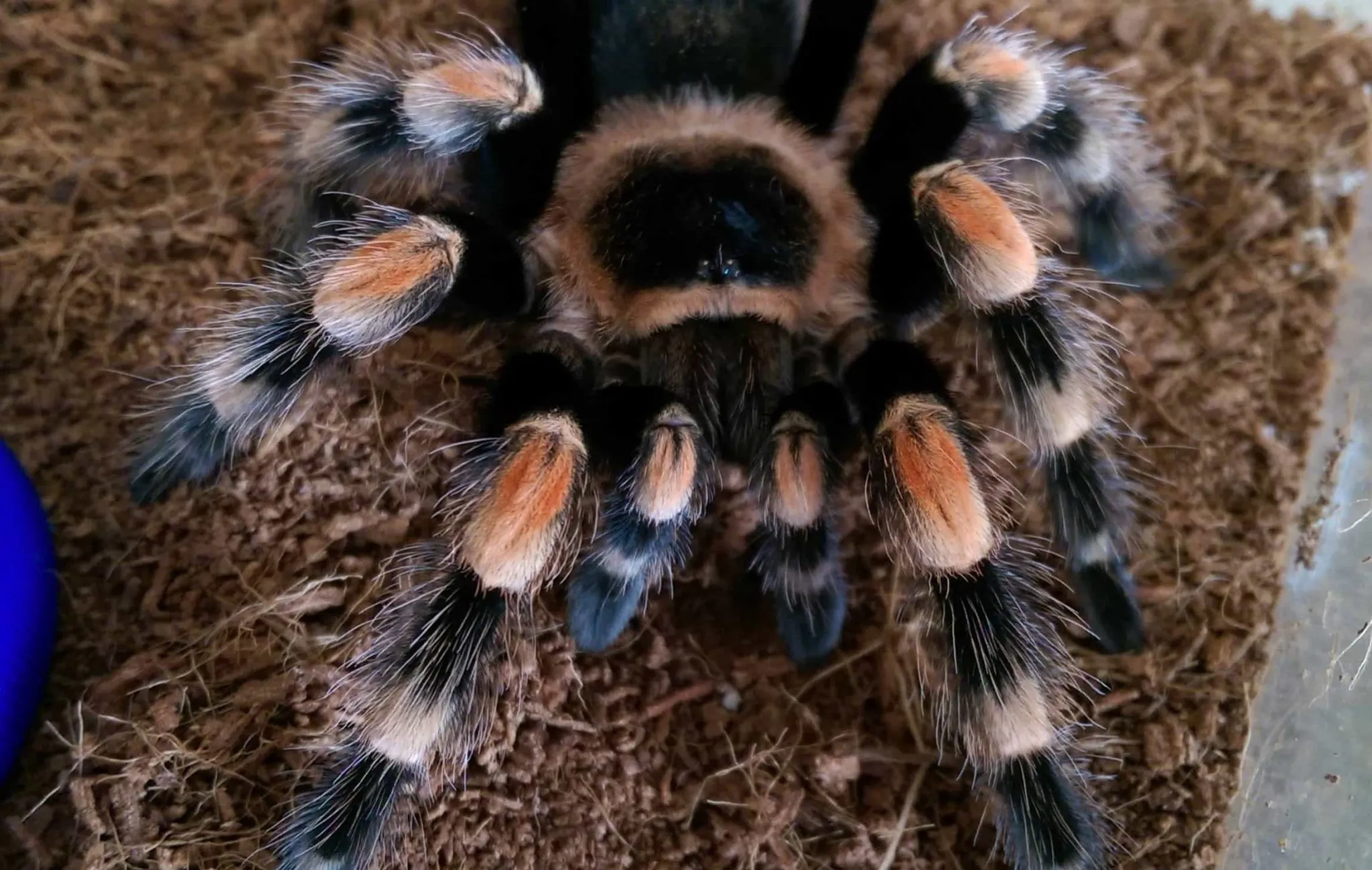
Why Buy a Preloved Mexican Red Knee Tarantula?
Considering a Mexican Red Knee Tarantula for your next pet? Buying a preloved one can be a rewarding experience. Often, these arachnids are looking for a new home due to changes in their previous owners’ lives. Purchasing a preloved Mexican Red Knee not only gives a beautiful creature a second chance but also offers several advantages for the buyer. This guide delves into the benefits, care, and considerations when acquiring a preloved Mexican Red Knee Tarantula, ensuring you’re well-prepared to provide a loving and suitable environment for your new eight-legged friend. Preloved tarantulas are often already established, which can make the transition smoother than raising a spiderling.
The Benefits of Choosing a Preloved Tarantula
Choosing a preloved Mexican Red Knee Tarantula presents several compelling benefits. These spiders are often already at a visible size, allowing you to appreciate their beauty and observe their behavior from day one. You may skip the delicate spiderling stage, which can be challenging for novice keepers. Furthermore, preloved tarantulas have usually adjusted to their environment, meaning you can often assess their temperament and health more accurately than with a spiderling. Another advantage is the potential to learn from the previous owner about the tarantula’s history, habits, and any specific care requirements, easing your transition into tarantula ownership. The information may include the type of food, enclosure or behaviors that the spider has.
Cost Savings Buying Preloved

One of the most appealing aspects of buying a preloved Mexican Red Knee Tarantula is the potential for cost savings. These tarantulas can be significantly cheaper than purchasing a juvenile or adult tarantula from a breeder or pet store. Sellers of preloved tarantulas often price them lower to ensure a quick and successful rehoming. You may also find that the enclosure and accessories are included in the sale, further reducing the initial investment. This is particularly beneficial for beginners, as the cost savings can be directed towards essential supplies such as substrate, food, and heating or lighting equipment. The overall cost is generally lower when buying preloved, making it an affordable option.
Supporting Sustainable Practices
Buying a preloved Mexican Red Knee Tarantula is a sustainable choice. It reduces demand for newly bred tarantulas, which in turn lessens the pressure on breeding facilities and, potentially, the collection of wild tarantulas. By giving a home to a preloved tarantula, you’re also contributing to a more ethical approach to pet ownership. You are helping to reduce waste, as the resources used to breed and raise the tarantula have already been utilized. This practice supports the idea of responsible pet ownership and encourages the rehoming of animals in need, ultimately reducing the number of tarantulas that might end up in shelters or face neglect.
Finding a Healthy Preloved Tarantula
Ensuring the health of your preloved Mexican Red Knee Tarantula is paramount. Before making a purchase, carefully assess the spider’s overall condition. Look for a tarantula that is active, alert, and responsive to stimuli. Avoid any tarantulas that appear lethargic or show signs of illness, such as loss of appetite, tremors, or unusual behavior. A healthy tarantula will typically have a plump abdomen (indicating it is well-fed) and a clean, shiny exoskeleton. It is important to familiarize yourself with the characteristics of a healthy tarantula and the potential signs of disease or distress. Taking time to do this will help you to make an informed decision and ensure you are bringing home a thriving pet.
How to Identify a Healthy Tarantula

Identifying a healthy Mexican Red Knee Tarantula requires a keen eye. Observe its movements; a healthy tarantula will move with purpose and agility. Examine its fangs and mouthparts, ensuring they are intact and free from damage or debris. Check its abdomen for any signs of injury or abnormalities. The presence of mites or other parasites should also be investigated carefully. You can also request to see the tarantula feed. A healthy tarantula will readily consume its prey, indicating a healthy appetite and overall well-being. It is important to remember that the tarantula’s behavior and appearance are vital clues to its health status.
Signs of a Healthy Mexican Red Knee
Recognizing the signs of a healthy Mexican Red Knee Tarantula is crucial. The tarantula should have a vibrant appearance, with distinct coloration and markings. The legs should be strong and intact, and the spider should be able to move around its enclosure without difficulty. The abdomen should be rounded, not shriveled, which indicates that the tarantula is well-hydrated and properly nourished. The tarantula’s overall demeanor should be alert and curious, showing an interest in its surroundings. You may see the tarantula constructing webs, or exhibiting typical tarantula behaviors. A healthy tarantula is more likely to be a happy tarantula.
Important Questions to Ask the Seller
Before committing to buying a preloved Mexican Red Knee Tarantula, it’s important to ask the seller several key questions. Inquire about the tarantula’s history, including its age, origin, and any known medical issues. Ask about its feeding habits, how often it eats, and what type of food it prefers. Find out about the tarantula’s molting history, including how recently it has molted and any issues encountered during the process. Ask about the enclosure, including the type of substrate, humidity and temperature regulation, and any enrichment provided. The seller’s answers will provide valuable insights into the tarantula’s care and overall health.
What to Inspect Before Buying

Before making a purchase, conduct a thorough inspection of the tarantula and its environment. Examine the tarantula for any physical abnormalities, such as missing limbs, injuries, or signs of parasites. Check the enclosure to ensure it is clean, properly ventilated, and of adequate size. Verify the substrate type and condition, making sure it is appropriate for a Mexican Red Knee Tarantula and free from mold or pests. Assess the temperature and humidity levels, ensuring they fall within the tarantula’s optimal range. This meticulous inspection will help you determine if the tarantula and its environment meet your standards and requirements.
Essential Care for Your Preloved Tarantula
Caring for a preloved Mexican Red Knee Tarantula involves several key elements. It is critical to establish an appropriate enclosure, provide a balanced diet, and maintain the proper environmental conditions to ensure the tarantula’s health and well-being. Regular maintenance, including cleaning the enclosure and monitoring the tarantula’s behavior, is essential. By paying close attention to these fundamental aspects of care, you can create a thriving environment for your pet and enjoy the unique experience of tarantula ownership.
Setting Up the Perfect Enclosure
Setting up the perfect enclosure for your preloved Mexican Red Knee Tarantula is critical. The enclosure should be of an appropriate size. A larger enclosure gives the tarantula enough room to move around, but not too large that it feels overwhelmed. Use a secure, well-ventilated terrarium made of glass or acrylic, ensuring that the lid is secure to prevent escapes. The substrate should be several inches deep. A mix of coconut fiber, peat moss, and vermiculite will hold moisture, allowing the tarantula to burrow. Provide a hide, such as a piece of cork bark or a pre-made hide, for the tarantula to retreat. Include a shallow water dish with fresh water at all times.
Proper Feeding and Hydration

Proper feeding and hydration are essential for your Mexican Red Knee Tarantula’s health. Offer the tarantula a diet of appropriately sized insects. Crickets, mealworms, and roaches are all suitable choices. The frequency of feeding depends on the tarantula’s size and age. Adult tarantulas can be fed once or twice a week, while spiderlings require more frequent feeding. Be sure to remove any uneaten food within 24 hours to prevent mold growth. Always provide access to fresh water in a shallow dish, ensuring it is clean and regularly refilled. Hydration is just as important as feeding your tarantula.
Maintaining Optimal Temperature and Humidity
Maintaining the correct temperature and humidity levels is crucial for your Mexican Red Knee Tarantula. The ideal temperature range is between 75-85°F (24-29°C). Use a heat source, such as a heat mat or a ceramic heat emitter, to maintain this temperature. Make sure to position the heat source on the side of the enclosure, to create a thermal gradient. The humidity level should be around 60-70%. Monitor the humidity with a hygrometer and mist the enclosure with water as needed. Proper temperature and humidity levels will support your tarantula’s health, molting, and overall well-being. Proper climate maintenance is a must when having a tarantula.
Potential Challenges of a Preloved Tarantula
While owning a preloved Mexican Red Knee Tarantula offers many benefits, it is important to be aware of potential challenges. The tarantula may have a history of poor care or health issues, which could impact its overall well-being. The tarantula may have an unknown temperament, which could make handling more difficult. The tarantula’s previous care may not align with the best practices, so you may need to make adjustments. Being prepared for these potential challenges will allow you to give your tarantula the best care. By addressing these challenges with knowledge and patience, you can help the tarantula thrive in its new home.
Dealing with Molting

Molting is a natural process for tarantulas, as they shed their exoskeleton to grow. Preloved tarantulas may be in the process of molting. During this time, it is crucial to provide a stress-free environment. Keep the enclosure clean and avoid handling the tarantula. Make sure to maintain the proper temperature and humidity levels, as they are essential for a successful molt. Provide the tarantula with ample substrate to burrow into, as this can help during the molting process. After molting, the tarantula’s new exoskeleton will be soft. Refrain from feeding the tarantula for a few days, until its fangs harden. Molting is a vital part of a tarantula’s life cycle.
Recognizing and Treating Common Health Issues
Recognizing and treating common health issues is crucial for any tarantula owner, including those with preloved pets. Some common health issues include mites, fungal infections, and injuries. Mites can be detected by small, moving specks on the tarantula or substrate. Fungal infections can manifest as discolored patches on the tarantula’s body. Injuries, such as damaged legs or fangs, should be addressed promptly. If you notice any health issues, consult with an experienced tarantula keeper or a veterinarian specializing in exotic pets. Early detection and treatment can significantly improve the tarantula’s chances of recovery. Proper health management is paramount to a tarantula’s longevity.
Where to Find Preloved Mexican Red Knee Tarantulas for Sale
Finding preloved Mexican Red Knee Tarantulas for sale can be an exciting adventure. There are several avenues to explore. Online marketplaces and forums are often a great starting point. Local reptile shows and breeders also offer opportunities to find preloved tarantulas. These venues give you the chance to meet the seller and see the tarantula in person, allowing you to assess its health and temperament firsthand. Before committing to a purchase, research the seller and the tarantula’s history to make an informed decision. By exploring these avenues, you’ll increase your chances of finding a healthy and well-cared-for Mexican Red Knee Tarantula. Do your research, ask questions, and inspect the spider before committing to your purchase.
Online Marketplaces and Forums

Online marketplaces and forums are valuable resources for finding preloved Mexican Red Knee Tarantulas. Platforms like Craigslist, eBay, and specialized reptile forums often have listings from sellers looking to rehome their tarantulas. When using online platforms, carefully review the seller’s reputation and read any reviews or feedback from other buyers. Ask for clear photos and videos of the tarantula and its enclosure. Ask specific questions about the tarantula’s history, care, and health. Meet the seller in person, if possible, to assess the tarantula’s condition before making a final decision. Exercise caution and prioritize your tarantula’s safety.
Local Reptile Shows and Breeders
Local reptile shows and breeders present excellent opportunities to find preloved Mexican Red Knee Tarantulas. Reptile shows often host vendors selling a variety of reptiles, including tarantulas. Breeders may have preloved tarantulas available or be able to connect you with owners looking to rehome their pets. When visiting reptile shows, take the time to interact with several vendors, compare options, and inspect the tarantulas. Ask questions about the tarantulas’ history, care requirements, and health. Breeders can provide expert knowledge and guidance, ensuring you make an informed purchase. This approach gives you the ability to see the tarantula in person and get valuable insights.
Conclusion
Buying a preloved Mexican Red Knee Tarantula can be a fulfilling experience. It provides an opportunity to give a home to a beautiful arachnid and enjoy the rewards of tarantula ownership. By understanding the benefits, preparing for potential challenges, and practicing responsible pet ownership, you can provide a caring and suitable environment for your new eight-legged friend. Whether you are a seasoned hobbyist or a beginner, a preloved tarantula can be a great pet. Remember to prioritize your tarantula’s health and well-being. Be prepared for a rewarding journey with your preloved Mexican Red Knee Tarantula.