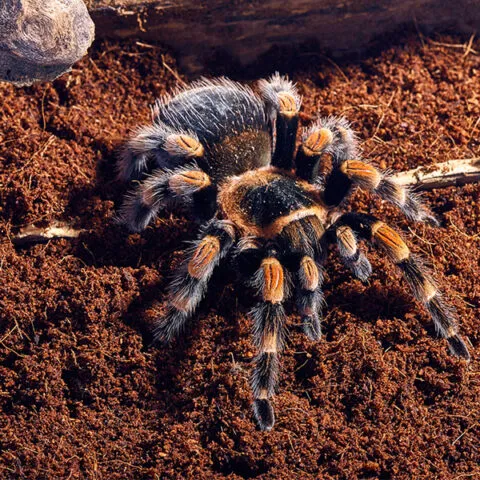
Where to Buy Mexican Red Knee Tarantulas in South Africa
Embarking on the journey of owning a Mexican Red Knee Tarantula in South Africa is an exciting endeavor. The first step involves finding a reliable source to purchase your new pet. Several options exist, each with its pros and cons. It’s crucial to prioritize the health and well-being of the tarantula, ensuring a smooth transition into your care. Consider the reputation of the seller, the health of the tarantula, and any guarantees offered. Researching local breeders and pet stores will give you a head start in your search for a beautiful and healthy Mexican Red Knee Tarantula for sale in South Africa. This guide will help you navigate the process, ensuring you find a reputable source and a thriving tarantula.
Reputable Tarantula Breeders and Pet Stores in South Africa
Identifying reputable breeders and pet stores is paramount when buying a Mexican Red Knee Tarantula. These establishments are the backbone of responsible pet ownership. Reputable breeders often specialize in specific species and have extensive knowledge of their care and breeding. They are passionate about their animals and are committed to their welfare. They usually provide detailed information about the tarantulas’ lineage, age, and health, allowing you to make an informed decision. Pet stores can be a viable option, but ensure the store maintains clean enclosures, offers healthy, well-fed tarantulas, and employs staff knowledgeable about tarantula care. Always check online reviews and ask for recommendations from fellow tarantula enthusiasts to gauge the seller’s reputation. Building a relationship with a trusted breeder or store will ensure you have ongoing support and advice throughout your tarantula ownership journey.
Online Tarantula Suppliers

Online platforms offer a wide array of options for buying Mexican Red Knee Tarantulas. However, this convenience must be balanced with caution. Thoroughly research any online supplier before making a purchase. Check for valid licenses and permits, especially regarding the import and sale of exotic animals within South Africa. Look for detailed descriptions of the tarantulas, including their size, age, sex, and origin. Reputable online sellers often provide clear photos and videos of their tarantulas. Pay close attention to their shipping practices to ensure the tarantula arrives safely and stress-free. Confirm that they offer a health guarantee and have a customer service policy to address any issues. While online suppliers provide accessibility, prioritize sellers with positive reviews and a strong track record of delivering healthy tarantulas.
What to Look for When Buying a Mexican Red Knee
Choosing the right Mexican Red Knee Tarantula involves careful observation. Several factors indicate a healthy tarantula. The appearance, behavior, and history of the tarantula should all be considered before making a purchase. A healthy tarantula will be active, alert, and exhibit natural behaviors such as exploration and web-building. Avoid tarantulas that appear lethargic, are missing limbs, or have a sunken abdomen. Always prioritize buying a tarantula that is active and exhibits a healthy appetite. Take your time and do a proper inspection; this could be the difference between having a long-lived pet or a short-lived one. Ensuring the tarantula’s well-being is crucial for a successful ownership experience.
Examine the Tarantula’s Appearance
The physical appearance of a Mexican Red Knee Tarantula can reveal a great deal about its health. A healthy tarantula should have a plump abdomen, indicating proper hydration and feeding. Look for vibrant coloration, which is a hallmark of the species. Check for any signs of parasites, such as mites or other external infestations. Carefully examine the tarantula’s legs and fangs, ensuring they are intact and free of damage. Avoid tarantulas with bald patches on their abdomen, as this can be a sign of stress or improper molting. The overall appearance should be clean, well-groomed, and free from any visible abnormalities. These initial observations provide essential clues regarding the tarantula’s overall health and vitality. A well-cared-for tarantula exhibits a robust appearance, indicating it’s well-suited to thrive in a new environment.
Check for Healthy Movement and Behavior

Observing the tarantula’s movement and behavior offers valuable insight into its health. A healthy Mexican Red Knee Tarantula is typically active and responsive to its surroundings. Watch for any signs of lethargy, unusual postures, or difficulty moving. Observe the tarantula’s response to stimuli, such as gentle tapping on its enclosure. A healthy tarantula will react promptly and show signs of alertness. Look for natural behaviors like web-building, exploration of the enclosure, and a willingness to hunt for food. Avoid tarantulas that appear sluggish, uncoordinated, or display any erratic movements. The tarantula should move with confidence, and their posture should not reflect discomfort. Active, responsive behavior is a strong indicator of overall health and a positive sign you are buying a well-cared-for tarantula.
Understand the Tarantula’s History
Whenever possible, inquire about the tarantula’s history. This information can provide valuable context for the tarantula’s current health and well-being. Ask about the tarantula’s age, sex, and origin. Knowing its molting history can offer clues about its growth and development. If available, ask about its feeding habits and any previous health issues. The seller should be able to provide information about the tarantula’s lineage and the conditions in which it was raised. This information can help you understand the tarantula’s potential lifespan and susceptibility to certain health problems. If the seller can’t provide information about the tarantula’s history, it may be a red flag that the tarantula has not been properly cared for. Understanding the tarantula’s past can greatly contribute to your ability to give it the best possible care.
Caring for Your New Mexican Red Knee Tarantula
Providing the right care is essential to ensuring your Mexican Red Knee Tarantula thrives in its new home. This includes setting up the proper enclosure, maintaining the correct environment, and providing a balanced diet. A well-cared-for tarantula will live a long and fulfilling life. Proper care requires dedication and attention to detail, but the rewards are immense. By providing the proper care, you can create a stimulating and safe environment, allowing your tarantula to flourish. The information in the following sections will help you give your new pet the best care possible.
Setting Up the Perfect Enclosure

Creating the right enclosure is fundamental to your tarantula’s health and happiness. The enclosure should be appropriately sized for the tarantula, allowing ample space for movement and exploration. A good rule of thumb is to provide an enclosure that is at least three times the tarantula’s leg span in width and length. The enclosure should have a secure lid to prevent escape and provide adequate ventilation to maintain air quality. Choose a substrate suitable for burrowing and maintaining humidity. The enclosure should include hiding places, such as cork bark or artificial plants, to provide security. Ensure the enclosure is placed in a location free from drafts, direct sunlight, and excessive noise. A well-designed enclosure creates a comfortable and stimulating environment, helping your tarantula feel safe and secure. The setup should mimic the tarantula’s natural habitat to promote its well-being.
Substrate and Habitat Essentials
The substrate is the foundation of your tarantula’s habitat. It serves several crucial functions, including absorbing moisture, providing a place to burrow, and regulating humidity. Suitable substrates include a mixture of coco fiber, peat moss, and vermiculite. The depth of the substrate should be sufficient for the tarantula to burrow comfortably. Add decorations like cork bark, artificial plants, and sturdy branches to give the tarantula places to hide. These decorations are important to provide your tarantula with hiding places and to add enrichment to the environment. Always provide a shallow water dish for drinking and maintaining humidity. Ensure the substrate is free from pesticides and other harmful chemicals. Regular cleaning and maintenance are vital to maintaining a healthy and hygienic environment. The right substrate and habitat essentials will contribute to the tarantula’s comfort and overall health.
Temperature and Humidity Requirements
Maintaining the proper temperature and humidity is crucial for your Mexican Red Knee Tarantula. The ideal temperature range is between 75°F and 85°F (24°C and 29°C). Using a heat source, such as a heat mat or ceramic heat emitter, can help maintain this temperature, especially during cooler months. Monitor the temperature regularly with a digital thermometer. Mexican Red Knees thrive in a humidity level between 60% and 70%. Achieve this by misting the enclosure with dechlorinated water a few times a week, depending on the ventilation and substrate type. Also, ensure the water dish is always full. Avoid over-misting, which can lead to mold growth. Consistent monitoring and adjustments will ensure your tarantula’s comfort and well-being, contributing to a healthy and thriving environment.
Feeding Your Mexican Red Knee Tarantula

Proper nutrition is essential for the health and growth of your Mexican Red Knee Tarantula. This involves understanding what to feed, how often to feed, and the appropriate portion sizes. A well-fed tarantula will be vibrant and active, while an underfed tarantula may become lethargic. Providing a balanced diet is essential to ensure its survival and thriving. The correct food and feeding schedule contribute significantly to the tarantula’s overall health and longevity. Understanding your tarantula’s dietary needs helps you provide the best possible care.
What to Feed Your Tarantula
Mexican Red Knee Tarantulas are primarily insectivores, and their diet should consist mainly of insects. Suitable food items include crickets, mealworms, Dubia roaches, and other readily available insects. Ensure the insects are gut-loaded before feeding them to your tarantula, which means feeding the insects nutritious food items like vegetables and grains. This enhances the nutritional value of the insects, providing the tarantula with essential vitamins and minerals. Avoid feeding your tarantula wild-caught insects, as they may carry parasites or pesticides that could be harmful. The size of the insects should be appropriate for the tarantula’s size. As a general rule, the insects should be no larger than the tarantula’s body. By choosing a variety of insects and feeding them nutritious food, you can ensure that your tarantula gets the nutrition it needs.
Feeding Frequency and Amounts
The feeding frequency and amounts should be adjusted based on the tarantula’s age and size. Juvenile tarantulas should be fed more frequently than adults. Young tarantulas can be fed every other day or every three days, offering one or two appropriately sized insects per feeding. Adult Mexican Red Knees can typically be fed once or twice a week. Always remove any uneaten insects within 24 hours to prevent stress to the tarantula and to prevent potential mold growth. Observe your tarantula’s abdomen. If it is plump, it’s likely well-fed. Adjust the feeding frequency accordingly to maintain a healthy weight and ensure your tarantula is eating appropriately. Ensure that fresh water is always available.
Handling and Safety Tips

Handling a Mexican Red Knee Tarantula should be approached with caution. These tarantulas are generally docile, but they can still bite if they feel threatened. It’s essential to understand when and how to handle them safely. Minimizing handling reduces the risk of bites and protects your tarantula from stress. Proper handling is a key element of responsible tarantula ownership. By following safety precautions, you can avoid bites and ensure a positive experience. Always prioritize the safety and well-being of both yourself and your tarantula.
When to Handle Your Tarantula
Handling should generally be kept to a minimum, as it can be stressful for the tarantula. Only handle your tarantula when absolutely necessary, such as for health checks or enclosure maintenance. If you choose to handle your tarantula, do so in a calm and controlled environment, close to the ground or a soft surface in case the tarantula falls. Avoid handling your tarantula during or shortly after molting, as their exoskeletons are soft and vulnerable. Also, avoid handling if the tarantula appears stressed or agitated. Before handling, make sure your hands are clean and free of any lotions, perfumes, or other substances that could be harmful to the tarantula. Be patient and gentle, and always allow the tarantula to move at its own pace. It is always better to observe your tarantula, letting it be a display pet, rather than frequent handling.
Safety Precautions and Bite Risks
Tarantula bites are rare but can occur, so it’s essential to take the necessary precautions. Tarantula bites are not typically life-threatening, but they can be painful and cause localized swelling, itching, and redness. Always wash your hands thoroughly after handling your tarantula or its enclosure. If bitten, clean the wound with soap and water and seek medical attention if necessary. Avoid sudden movements and loud noises when handling your tarantula, as this can startle them and increase the risk of a bite. Never put your fingers or hands directly in front of the tarantula’s fangs. Always supervise children when they are near your tarantula. By understanding the bite risks and taking appropriate precautions, you can minimize the likelihood of a bite and ensure the safety of yourself and your tarantula.
Common Health Issues and How to Prevent Them

Preventing health issues is a critical part of responsible tarantula ownership. Many health problems can be avoided by providing proper care, a clean environment, and a balanced diet. Regularly monitoring your tarantula and its enclosure is vital to identify and address potential issues early. By taking preventive measures, you can minimize the risk of diseases and ensure that your tarantula lives a long and healthy life. Knowing about the most common health concerns can help you keep your pet healthy and happy.
Recognizing and Treating Common Diseases
Several health issues can affect Mexican Red Knee Tarantulas. Recognizing the signs of illness is crucial for timely intervention. Some common problems include fungal infections, parasites, and dehydration. Look out for signs of lethargy, loss of appetite, and abnormal behavior. If you notice any abnormalities, consult a veterinarian experienced in exotic animal care. Fungal infections often appear as discolored patches on the tarantula’s exoskeleton. Parasites can cause weight loss and lethargy. Dehydration can cause the tarantula to appear shriveled. Treatment options vary depending on the condition, but they may include antifungal medications, parasite treatments, and improved hydration. The early detection and treatment are critical for the tarantula’s recovery.
Preventative Measures and Best Practices
Implementing preventative measures can greatly reduce the risk of health issues. Maintaining a clean enclosure is the most important measure. Regularly remove any uneaten food and waste, and clean the enclosure thoroughly. Provide fresh water and maintain the appropriate humidity levels. Ensure the enclosure is well-ventilated to prevent the growth of mold and bacteria. Feed your tarantula a balanced diet of nutritious insects. Avoid overfeeding. Quarantine any new tarantulas for a few weeks to prevent the spread of disease. Regularly monitor your tarantula for any signs of illness and seek veterinary care immediately if you notice anything unusual. By prioritizing preventative measures, you can significantly improve your tarantula’s health and overall well-being.
Breeding Mexican Red Knee Tarantulas in South Africa
Breeding Mexican Red Knee Tarantulas is a rewarding but complex undertaking. It requires a thorough understanding of the tarantulas’ needs, the correct setup, and a significant time commitment. Breeding should only be undertaken by experienced keepers who are prepared to provide the necessary care for both the adults and the spiderlings. If you are considering breeding, conduct thorough research. Familiarize yourself with the tarantula’s reproductive cycle, mating behavior, and the care of the eggs and spiderlings. Breeding tarantulas is a responsible undertaking. If you decide to breed, you need to be prepared for the long-term responsibility of caring for the offspring.
Mating and Egg Sac Production
Successful breeding begins with finding compatible adults. The female should be well-fed and healthy. Introduce the male to the female’s enclosure, and monitor their behavior closely. The male may drum on the ground, or he may display other courtship rituals. If the female is receptive, mating will occur. If the female is not receptive, she may attack the male. If mating is successful, the female will produce an egg sac, which she will guard and protect. The incubation period can vary, but it is usually several weeks. The female will carefully tend to the eggs and maintain the required humidity and temperature.
Caring for Spiderlings
Once the spiderlings hatch, they require specialized care. Separate the spiderlings into individual containers to prevent cannibalism. Provide them with small, appropriately sized insects and maintain a high humidity level. Monitor the spiderlings’ growth and development. Feed the spiderlings regularly. Spiderlings are very small and vulnerable. Provide appropriate-sized prey and maintain ideal conditions. Spiderlings require specialized care to ensure their survival. The spiderlings require a high level of care, including proper feeding and environmental conditions. Caring for spiderlings is a significant time commitment.
Legal Considerations for Tarantula Ownership in South Africa
Before purchasing a Mexican Red Knee Tarantula in South Africa, it’s essential to understand the legal regulations regarding exotic animal ownership. These regulations can vary by province or municipality, and they may include requirements for permits, licenses, or specific housing conditions. Some areas may have restrictions on the species that can be kept as pets. Research the local laws and regulations to ensure you comply with all requirements before acquiring a tarantula. The South African government is committed to protecting both wildlife and public safety. Ignorance of the law is not an excuse. Compliance with legal requirements ensures that you can legally own and care for your Mexican Red Knee Tarantula. You can avoid legal issues by taking the time to learn the rules.
Owning a Mexican Red Knee Tarantula can be a rewarding experience. By following the guidelines in this guide, you can ensure your tarantula’s health, safety, and well-being. Always conduct thorough research, prioritize ethical sourcing, and provide proper care. Enjoy the fascinating world of tarantula ownership responsibly.