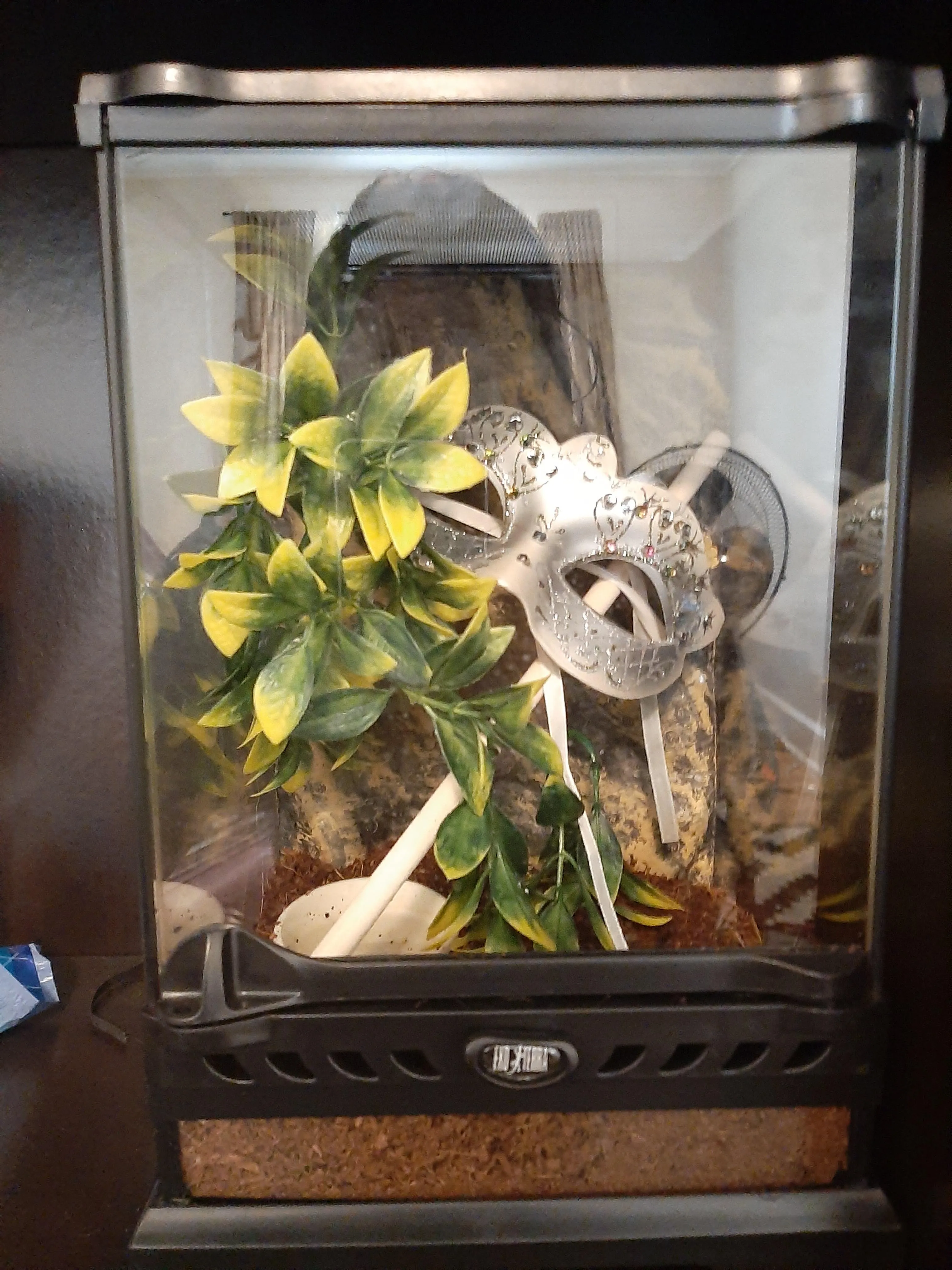
Owning a tarantula can be a rewarding experience, offering a unique glimpse into the fascinating world of arachnids. One of the most crucial aspects of tarantula ownership is providing a suitable enclosure. A well-chosen habitat ensures the tarantula’s health, safety, and overall well-being. This guide provides the top 5 tips to consider when you buy a tarantula enclosure, helping you create a perfect home for your eight-legged friend. Following these tips will help you create a safe and stimulating environment for your tarantula, making your pet ownership experience as enjoyable as possible.
Choosing the Right Tarantula Enclosure
Selecting the proper enclosure is the first and arguably most critical step in tarantula care. The enclosure must provide the right environmental conditions, offer enough space for the tarantula to move and thrive, and be easy for you to maintain. This section discusses key factors to consider when choosing a tarantula enclosure, ensuring your pet has the best possible living conditions from the start. Considering these aspects will help ensure your tarantula lives a long, healthy life.
Size Matters Choosing the Right Dimensions
The size of the enclosure significantly impacts a tarantula’s quality of life. The enclosure should be large enough to allow the tarantula to move freely, hunt, and exhibit natural behaviors, but not so large that the tarantula feels exposed and stressed. A general rule of thumb is to provide an enclosure that is at least twice the tarantula’s leg span in width and length and tall enough to accommodate the tarantula’s size, plus substrate and any decorations you add. This provides the tarantula with ample room and encourages activity, contributing to the overall health and well-being of your pet. Too large an enclosure can also make it harder for the tarantula to find food and water.
Considering the Tarantula Species

Different tarantula species have varying needs, and the enclosure must reflect these. Terrestrial tarantulas, which live on the ground, require more floor space, while arboreal species, which live in trees, need more height for climbing. Research your tarantula species’ specific requirements regarding size, ventilation, and environmental conditions before you buy. For example, a Chilean rose tarantula, a terrestrial species, would need a wider, lower enclosure with more floor space, while a Pinktoe tarantula, an arboreal species, would require a taller enclosure with climbing branches. Knowing your species’ unique characteristics will greatly influence your enclosure choice.
Ventilation Needs in Tarantula Enclosures
Adequate ventilation is vital for maintaining a healthy environment within the enclosure. Proper airflow helps to prevent the buildup of mold and bacteria, which can be harmful to your tarantula. Ventilation also regulates humidity levels, which are critical for your tarantula’s health and molting process. The design and placement of ventilation features should be considered when you buy a tarantula enclosure to ensure good air circulation while also preventing escape.
Optimal Ventilation for Tarantulas
Effective ventilation typically involves cross-ventilation, where air enters from one side and exits from the opposite side of the enclosure. This type of airflow prevents stale air from accumulating, creating a more natural environment. Enclosures often have ventilation holes or mesh panels on the sides, top, or both. The number and size of these openings should be appropriate for the enclosure size and the humidity needs of the tarantula species. Too much ventilation can lower humidity too quickly, while too little can lead to mold growth.
Substrate Selection for Your Enclosure

The substrate, or bedding, in your tarantula’s enclosure is another critical element. It serves multiple purposes, including providing a surface for the tarantula to walk on, burrowing, and maintaining humidity. The right substrate choice can significantly impact the well-being of your tarantula, so carefully consider the different options available when you buy. The substrate also plays a role in regulating temperature within the enclosure, which is particularly important for the comfort of your pet.
Popular Substrate Choices
Common substrate options include coconut fiber, peat moss, vermiculite, and a mix of these materials. Coconut fiber is a popular choice due to its excellent moisture retention and mold resistance. Peat moss can help maintain humidity, and vermiculite can improve aeration. The choice depends on the tarantula species and its specific needs. For example, a burrowing species might appreciate a deeper substrate layer to facilitate burrowing behavior. Always ensure the substrate is clean, non-toxic, and suitable for the specific requirements of your tarantula species.
Humidity and Temperature Control
Tarantulas are very sensitive to their environment, and maintaining proper humidity and temperature levels is crucial for their health and survival. These factors influence the tarantula’s ability to molt, stay hydrated, and thrive. The right conditions mimic the tarantula’s natural habitat, reducing stress and promoting overall well-being. Regular monitoring and adjustments are necessary to ensure the enclosure provides optimal conditions.
Maintaining Ideal Humidity Levels

Humidity levels vary depending on the tarantula species. Tropical species require higher humidity levels than desert species. You can maintain humidity by misting the enclosure with water, ensuring there is a water dish, and using the correct substrate. Hygrometers are valuable tools for monitoring humidity levels. Adjust misting frequency and the amount of water in the dish to maintain the recommended humidity range for your tarantula. Also consider ventilation, as it directly affects humidity; balance airflow with misting practices to ensure proper conditions.
Monitoring Temperature in the Enclosure
Temperature is another important factor. Tarantulas thrive in a specific temperature range. Use a thermometer to monitor the temperature in the enclosure. A heat source, such as a heat mat or a low-wattage bulb, can be used if the room temperature is too low. However, avoid placing the heat source directly inside the enclosure to prevent the tarantula from getting burned. Always ensure there is a temperature gradient within the enclosure, allowing the tarantula to move to areas with different temperatures for self-regulation. Regularly checking the temperature ensures a comfortable environment for your pet.
Essential Features to Look for
When you buy a tarantula enclosure, certain features are essential for the safety and well-being of your pet and ease of maintenance. These features ensure the enclosure provides a secure, comfortable, and functional environment for your tarantula. The right features can make your tarantula ownership a more enjoyable and less stressful experience.
Secure Lids and Locking Mechanisms

Tarantulas are escape artists, and a secure lid is non-negotiable. Ensure the lid fits snugly and has a reliable locking mechanism. This will prevent your tarantula from escaping and keep other pets or children from accidentally getting to it. Also, consider the lid’s material; it should be strong enough to withstand accidental bumps and provide good visibility. Regular checks of the lid’s security are essential to maintain the safety of your tarantula and your home.
Decorating the Tarantula’s Habitat
Adding decorations such as hides, plants, and climbing branches can enrich the enclosure and provide environmental enrichment for your tarantula. These elements offer places for the tarantula to hide, explore, and feel secure. Decorations also help to mimic the tarantula’s natural habitat, reducing stress. When selecting decorations, ensure they are non-toxic, won’t trap the tarantula, and are easy to clean. Arrange the decor in a way that provides both hiding spots and open areas for exploration. Natural decorations will also add to the visual appeal, allowing you to create a beautiful and functional habitat.
Where to Buy Tarantula Enclosures
Finding the right enclosure can seem challenging, but with several options available, you can find the perfect setup for your tarantula. This section provides information on where to buy a tarantula enclosure and considerations for each purchase route. Considering these factors will help you choose the best option for your specific needs and budget.
Online Retailers vs. Local Pet Stores

Online retailers offer a vast selection of enclosures, often at competitive prices. They provide the convenience of browsing and ordering from home. However, you cannot physically inspect the enclosure before purchasing. Local pet stores provide the opportunity to see the enclosure firsthand, ask questions, and often receive expert advice. The staff can guide you based on the specific needs of your tarantula species. Consider shipping costs, return policies, and customer reviews when choosing between these options. Evaluate both online retailers and local stores to ensure you make the right decision.
Comparing Prices and Quality
Price is an important factor, but don’t compromise on quality. Compare prices from different retailers, but also assess the enclosure’s materials, construction, and features. A slightly more expensive enclosure made from durable materials with better ventilation and a secure lid is often a better investment than a cheaper, lower-quality option. Read reviews, check the manufacturer’s reputation, and consider the enclosure’s long-term value. Prioritize quality and durability to ensure the enclosure will provide a safe and suitable home for your tarantula for many years.
Additional Tips for New Owners
Beyond choosing and setting up the enclosure, there are additional steps to ensuring your tarantula thrives. These tips can help you manage your tarantula’s habitat, and ensure your pet’s long-term health and happiness. Regular care and observation are key to successful tarantula ownership.
Cleaning and Maintenance Schedules

Regular cleaning is essential for maintaining a healthy environment in your tarantula’s enclosure. Spot-clean the enclosure regularly to remove any uneaten food or waste. Depending on the substrate, a partial or complete substrate change is required every few months. Cleaning frequency will depend on the type of substrate, humidity level, and the tarantula’s habits. Use a safe, non-toxic cleaner if you choose to clean the enclosure. Keeping the enclosure clean prevents the growth of harmful bacteria and maintains overall cleanliness.
Observing Your Tarantula’s Behavior
Observe your tarantula regularly to monitor its behavior and well-being. A healthy tarantula will be active, eating well, and displaying normal behaviors for its species. Watch for any signs of stress, such as loss of appetite, excessive hiding, or abnormal posture. These signs can indicate that something is wrong with the enclosure’s conditions. If you notice any problems, review the enclosure setup, temperature, and humidity, and make necessary adjustments. Keeping a close eye on your pet will help you quickly identify any issues and ensure your tarantula lives a long, healthy life. Learning about the specific behaviors of your tarantula’s species can also help you identify any issues more easily.
Buying a tarantula enclosure is a significant step in becoming a responsible pet owner. By following these tips, you can create an ideal habitat that promotes the health and happiness of your tarantula. Remember to research your specific species, choose the right size and features, and maintain the appropriate environment. With the correct setup and care, your tarantula can thrive, providing you with years of enjoyment.