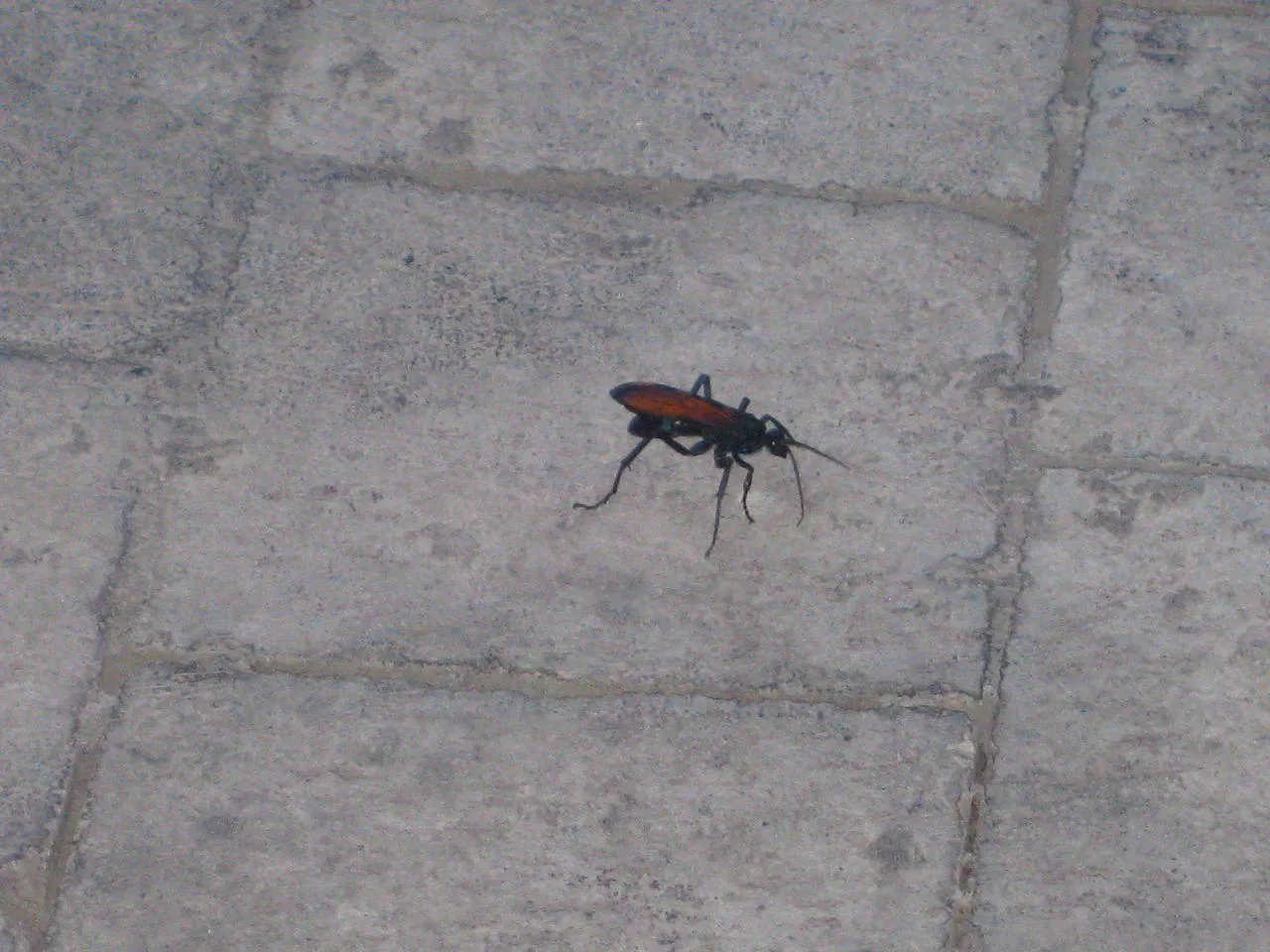
What is a Tarantula Hawk?
The tarantula hawk, a member of the Pompilidae family, is a fascinating and formidable wasp known for its enormous size and the excruciatingly painful sting inflicted upon its prey. These wasps are not for the faint of heart, and the decision to buy tarantula hawk must be undertaken with a full understanding of their unique characteristics and demanding needs. These creatures are not the typical pet, and owning one is a significant commitment. Native to the Americas, these wasps play a vital role in their ecosystem. Understanding the biology and behavior of the tarantula hawk is the first crucial step before considering if you want to buy tarantula hawk.
Appearance and Characteristics of Tarantula Hawks
Tarantula hawks are among the largest wasps on Earth, with females reaching up to 2 inches in length. They are easily recognizable by their striking appearance a metallic blue-black body and orange or rust-colored wings. The bright coloration serves as a warning to potential predators, advertising the insect’s potent sting. Males and females have different roles in the tarantula hawk life cycle. The females are larger and primarily focused on hunting and reproduction, while males are generally smaller and less involved in these activities. When you buy tarantula hawk, knowing these characteristics is key to understanding the animal’s behavior and providing proper care.
Where Can You Buy a Tarantula Hawk?

The process to buy tarantula hawk is not as straightforward as acquiring a more common pet. Due to the specialized nature of these insects, they are not readily available in typical pet stores. The primary sources to buy tarantula hawk are specialized insect breeders, online marketplaces, and sometimes, from universities or research institutions that may have surplus specimens. It is essential to conduct thorough research to ensure you are dealing with a reputable source that prioritizes the health and ethical treatment of these creatures. Always check local regulations before attempting to buy tarantula hawk, as owning them might be restricted in certain areas.
Finding Reputable Tarantula Hawk Breeders
If you decide to buy tarantula hawk, finding a reputable breeder is of utmost importance. Start by searching online for breeders who specialize in insects and specifically tarantula hawks. Look for breeders who have a strong reputation, positive reviews, and a demonstrated commitment to the health and well-being of their insects. A reputable breeder will be knowledgeable about the species, able to provide detailed information about their insects, and willing to answer your questions. The breeder should also be able to provide documentation regarding the wasp’s origin and health, guaranteeing that the animal is in good condition before you buy tarantula hawk.
Checking the Breeder’s Reputation
Before you buy tarantula hawk, thoroughly investigate the breeder’s reputation. Check online forums, social media groups, and review sites for feedback from other customers. Look for any complaints or concerns about the breeder’s practices, the health of their insects, or their customer service. A reputable breeder will be transparent about their operations and happy to provide references. They should also be compliant with local, state, and federal regulations regarding the breeding and sale of insects. When you buy tarantula hawk, ensure the breeder follows best practices for ethical insect care.
Legality and Ethical Considerations

Before you decide to buy tarantula hawk, it’s vital to understand the legal and ethical considerations associated with owning these insects. Owning tarantula hawks may be restricted or prohibited in some areas, so researching local regulations is essential. Moreover, ethical sourcing is critical. Support breeders who prioritize the insects’ health, welfare, and natural behaviors. Avoid breeders who engage in practices that could harm the insects or their environment. Make sure that your decision to buy tarantula hawk aligns with both legal and ethical guidelines to promote responsible ownership.
Are Tarantula Hawks Legal to Own?
The legality of owning tarantula hawks varies depending on your location. Before you buy tarantula hawk, check your local and state laws to ensure that it is permissible. Some areas may have restrictions on owning exotic insects, while others may require permits or licenses. It is your responsibility to research these regulations and comply with them. Ignoring these legal requirements could result in penalties, so verify the legal status of owning a tarantula hawk in your area before you buy tarantula hawk.
Ethical Sourcing and Conservation
Ethical sourcing plays a critical role when you buy tarantula hawk. Support breeders who raise their insects responsibly and prioritize their well-being. Avoid breeders who collect insects from the wild, as this can negatively impact natural populations and ecosystems. Ensure the breeder provides proper documentation and guarantees the insects are disease-free and well-cared for. By choosing an ethical breeder, you contribute to the conservation of these amazing creatures and promote responsible pet ownership. Make sure you consider all these aspects before you buy tarantula hawk.
Caring for Your Tarantula Hawk

Caring for a tarantula hawk requires a significant commitment, as they are not low-maintenance pets. You must be prepared to provide a safe and appropriate habitat, proper nutrition, and specialized handling techniques. Creating a suitable environment is critical for their survival. The tarantula hawk is a solitary creature and must be housed individually. Providing the correct diet and avoiding stress will help maintain its health and prevent harm to yourself. Ensure you can meet their specific needs if you decide to buy tarantula hawk.
Creating a Suitable Habitat
A suitable habitat for a tarantula hawk should mimic its natural environment. A secure enclosure is essential, as tarantula hawks can fly and may try to escape. The enclosure should be made of sturdy, transparent materials, such as glass or acrylic. Provide a substrate of sand or soil for burrowing and nesting. Include a water source, such as a shallow dish of clean water. The enclosure needs to be properly ventilated, so the tarantula hawk has access to fresh air. Temperatures should be carefully monitored, and the habitat should be away from direct sunlight. When you buy tarantula hawk, be prepared to invest time and resources into its habitat.
Feeding and Nutrition for Tarantula Hawks
Tarantula hawks are primarily nectarivores, meaning their diet consists of nectar and pollen. In captivity, you can provide a diet of honey diluted in water or commercially available nectar solutions. Fresh water should be provided daily. The availability of the correct food is essential for maintaining health. You also need to consider that the females are predators and will hunt tarantulas to feed their larvae. Providing the right diet is vital for the overall well-being of your tarantula hawk, which requires commitment. Before you buy tarantula hawk, make sure you understand the nutritional needs.
Handling and Safety Precautions

Handling a tarantula hawk should be approached with extreme caution due to its potent sting. It’s generally not advisable to handle them directly, as this significantly increases the risk of being stung. If handling is necessary, use long tongs or specialized tools designed for insect handling. Always wear protective gear, such as thick gloves and eye protection, to minimize the risk of a sting. Avoid sudden movements or actions that might startle the wasp. Consider their aggressive nature before you buy tarantula hawk, and always prioritize your safety and that of others around you.
Health and Common Issues
Tarantula hawks, like any other insect, can be susceptible to various health issues. Some of the common problems include infections, parasites, and nutritional deficiencies. Regular observation of your wasp’s behavior and physical condition is essential for detecting potential health concerns early. Look for signs of illness, such as lethargy, loss of appetite, or unusual behavior. Providing a clean environment and a balanced diet can help prevent many health issues. Knowing the signs of a sick tarantula hawk is critical. Take these factors into consideration before you buy tarantula hawk.
Preventative Measures and Veterinary Care
While there isn’t a specific veterinarian for tarantula hawks, preventative measures are crucial to maintaining their health. Ensure the enclosure is clean and that the wasp’s diet is varied and appropriate. Quarantine new insects to prevent the spread of diseases. If you notice any signs of illness, it’s best to consult with a veterinarian specializing in exotic pets. While veterinary care options may be limited for tarantula hawks, a knowledgeable veterinarian can offer valuable advice and treatment. Before you buy tarantula hawk, research veterinary options in your area.
The Tarantula Hawk Life Cycle

Understanding the tarantula hawk life cycle is crucial for providing the right care. The female wasp hunts a tarantula, paralyzes it with her sting, and drags it back to her burrow. She then lays a single egg on the tarantula’s abdomen. The wasp larva hatches and consumes the paralyzed tarantula as food. After developing through several larval stages, the larva pupates inside the burrow. Finally, the adult wasp emerges, ready to start the cycle anew. Learning about the life cycle helps you understand their needs and behaviors. It is another factor to consider before you buy tarantula hawk.
Mating and Reproduction
The mating process in tarantula hawks involves males and females. After mating, the female wasp seeks out tarantulas to host her eggs. This behavior is difficult to replicate in captivity, and captive breeding is rare and challenging. Therefore, most tarantula hawks available for sale are wild-caught or the offspring of wild-caught individuals. Understanding the process is useful, but you might not get the chance to see it if you decide to buy tarantula hawk. It is a delicate process that requires specific conditions, so consider this when you buy tarantula hawk.
The Stinging Behavior
The sting of a tarantula hawk is renowned for its intense pain, rated among the most painful insect stings. The pain can last for several minutes, described as a burning, searing sensation. The primary purpose of the sting is to paralyze tarantulas, the wasp’s prey. The sting is not usually life-threatening to humans, but it can cause significant pain and distress. Being prepared for a sting is essential, and taking precautions is a must. Never provoke or threaten a tarantula hawk. Always prioritize safety when you are around them. This is a major consideration when you buy tarantula hawk.
What to Do if Stung by a Tarantula Hawk

If you are stung by a tarantula hawk, remain calm and remove yourself from the area. The pain will peak within a few minutes and then gradually subside. There is no specific antidote for the sting, but supportive care can help alleviate symptoms. Apply ice packs to reduce swelling, and consider taking an over-the-counter pain reliever. Monitor for any signs of allergic reaction, such as difficulty breathing or swelling of the face or throat. Seek medical attention if you experience an allergic reaction or if the pain is unbearable. Before you buy tarantula hawk, be prepared for the possibility of a sting.
Benefits of Tarantula Hawks in the Ecosystem
Tarantula hawks play an essential role in their ecosystem. They help control tarantula populations, keeping these spiders in check. They also act as pollinators, contributing to plant reproduction. Because they are predators, they can help maintain ecological balance. They are a natural part of the environment, which is something to consider before you buy tarantula hawk. Their presence can indicate a healthy environment. Their role is essential for the well-being of the local habitat.
Controlling Tarantulas Naturally
Tarantula hawks provide a natural form of pest control by preying on tarantulas. They can help reduce tarantula populations, which can be particularly beneficial in areas where tarantulas are considered a nuisance. They also serve as an example of a fascinating predator-prey relationship. The tarantula hawk’s hunting behavior has made them a subject of interest. This natural control is an added benefit of tarantula hawks, and it’s important to consider before you buy tarantula hawk.
Conclusion
Owning a tarantula hawk is a serious responsibility, which is not to be undertaken lightly. Thorough research, careful planning, and a deep understanding of their needs are critical. If you are prepared to meet these requirements, owning a tarantula hawk can be a rewarding experience. Always prioritize the insect’s welfare, adhere to legal and ethical guidelines, and handle them with respect. Before you buy tarantula hawk, make sure you are fully equipped for the challenges. This unique pet offers a fascinating window into the natural world.