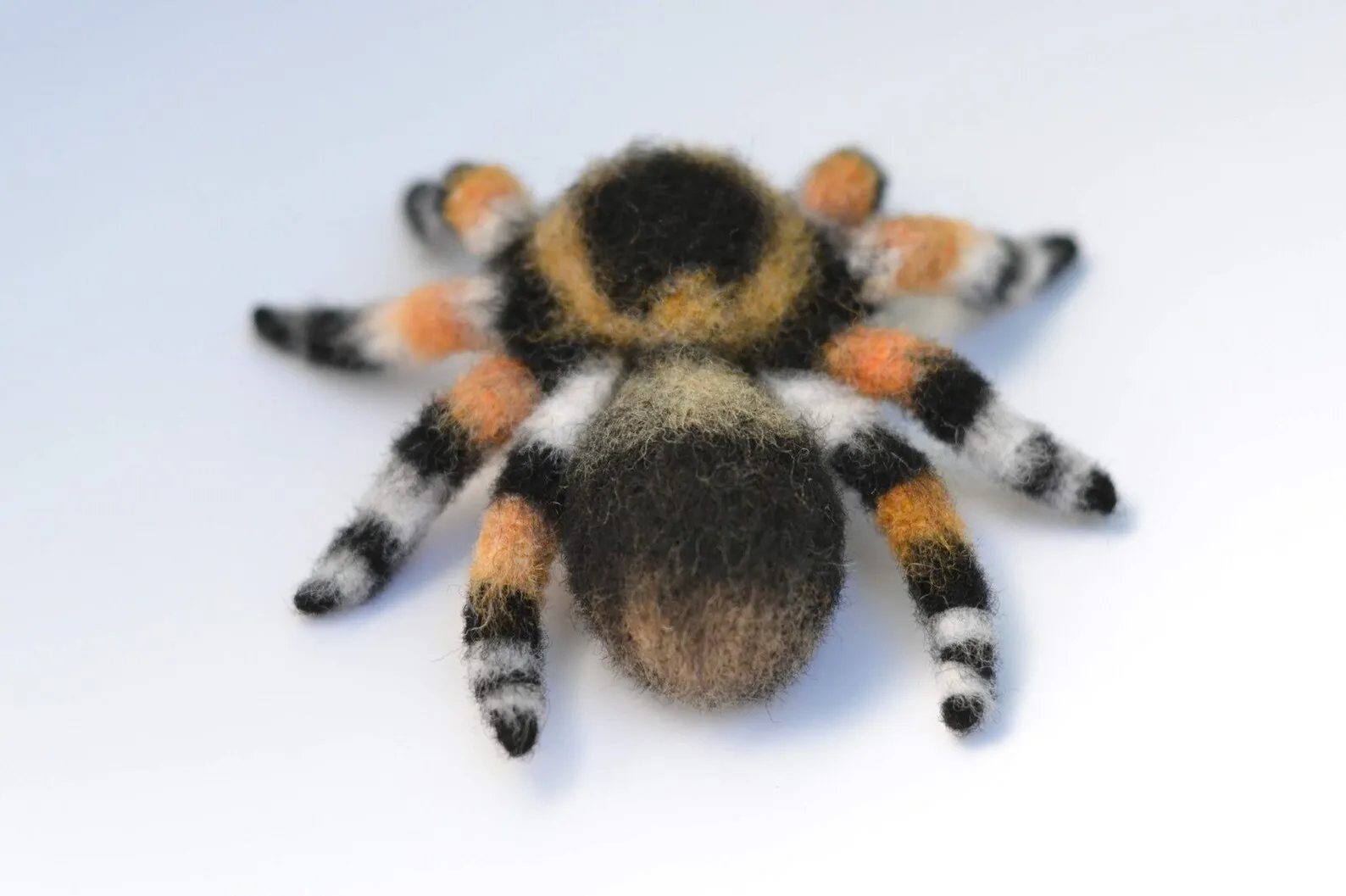
Purchasing a tarantula can be an exciting experience, offering a unique pet that’s relatively low-maintenance compared to many other animals. However, buying a tarantula online requires careful consideration to ensure the health and safety of the spider, and a smooth transaction. With the convenience of online shopping, the world of tarantulas is at your fingertips, but it’s essential to approach the process with knowledge and a plan. This guide provides the top 5 tips to buy tarantulas online effectively, safely, and with the best possible outcome for both you and your new eight-legged friend.
5 Tips to Buy Tarantula Online
Buying a tarantula online is a straightforward process when approached with caution and a clear understanding of what to look for. These five tips will help you navigate the online marketplace and secure a healthy tarantula.
Researching Tarantula Species Before Buying
Before you even start browsing, research different tarantula species. Each species has unique needs, including size, temperament, and care requirements. Some are more docile and suitable for beginners, while others are more challenging. Consider your experience level and the amount of time you can dedicate to care. Look into the lifespan of the species, as some can live for decades. Familiarize yourself with the scientific name to avoid misidentification. Websites dedicated to tarantula care and forums can provide valuable information on species-specific needs and behaviors. This research will help you make an informed decision, choosing a tarantula that aligns with your lifestyle and capabilities.
Understanding Tarantula Temperament

Temperament varies widely between tarantula species. Some tarantulas are known for their docile nature, making them relatively easy to handle and observe. Others are more defensive or skittish, and may be prone to biting or flicking urticating hairs (small, irritating hairs they use for defense). Research the temperament of the species you’re considering. Learn about their defensive behaviors and how to recognize signs of stress. This knowledge will help you interact safely with your tarantula and create a comfortable environment for it. Factors like age, environment, and individual personality can also influence temperament. Be prepared to adapt your handling approach based on your tarantula’s specific behavior.
Finding Reputable Online Tarantula Sellers
The reputation of the seller is paramount. Look for established vendors with a proven track record of selling healthy tarantulas. Reputable sellers are transparent about their practices, providing clear photos of the tarantulas and detailed information about their origin, age, and sex. Check if the seller specializes in tarantulas, as this can indicate a higher level of expertise. Look for sellers who prioritize the well-being of their tarantulas, offering guarantees of live arrival and proper care advice. Avoid sellers with limited contact information or those who are difficult to reach with questions. Reputable sellers are often active in online communities and forums, which can also help you gauge their trustworthiness.
Checking Seller Reviews and Reputation
Before making a purchase, thoroughly check seller reviews and reputation. Look for reviews on various platforms, including their website, social media, and online marketplaces. Pay close attention to reviews about the tarantulas’ health, the seller’s responsiveness, and the quality of packaging and shipping. Read both positive and negative reviews to get a balanced view. Be wary of sellers with a large number of negative reviews or complaints about the health of the tarantulas they sell. Checking the seller’s history on online forums or groups dedicated to tarantulas can provide additional insights into their reputation.
Reviewing Seller’s Guarantee and Return Policy

A reputable seller should offer a guarantee of live arrival, ensuring that your tarantula arrives alive and healthy. Review the seller’s guarantee and return policy carefully. Understand what the guarantee covers, such as issues with the tarantula’s health or death during shipping. Know the specific conditions for making a claim, such as providing photographic evidence or contacting the seller within a specific timeframe. A good return policy demonstrates the seller’s confidence in their products and their commitment to customer satisfaction. Avoid sellers with no guarantees or policies that are difficult to understand or enforce.
Tarantula Housing and Setup
Setting up a proper habitat is crucial for the health and well-being of your tarantula. This is one of the most important aspects to get right before you buy a tarantula online. The enclosure should be the appropriate size for the species, allowing ample space for movement and burrowing. The size of the enclosure is important to the happiness and health of your new pet. Make sure that you do enough research on what is needed for the specific tarantula you choose, and ensure that you set it up before your spider even arrives.
Preparing the Enclosure
Before your tarantula arrives, prepare its enclosure. Clean and disinfect the enclosure, ensuring that it is free from any harmful substances. Provide appropriate ventilation to maintain air quality. Ensure the enclosure is escape-proof, as tarantulas are skilled climbers and can squeeze through small openings. A secure enclosure will help to ensure your tarantula stays safe and secure. Choose a substrate suitable for the species, which can be coco coir, peat moss, or a mix of materials. The substrate should allow for burrowing if the species is terrestrial. The enclosure should also include hides, such as cork bark or artificial plants, to provide a sense of security and a place for the tarantula to retreat.
Providing Proper Substrate

The substrate serves as the base of your tarantula’s enclosure and plays a vital role in its well-being. Choose a substrate that is appropriate for the tarantula species. Some species prefer dry environments, while others require higher humidity. The substrate should allow the tarantula to burrow if it is a terrestrial species. Ensure the substrate is clean and free from any harmful chemicals. Replace the substrate regularly to prevent the buildup of waste and mold. Some popular choices include coco coir, peat moss, and vermiculite, often mixed to achieve the desired texture and moisture retention.
Maintaining Temperature and Humidity
Temperature and humidity are critical environmental factors for tarantulas. Research the specific temperature and humidity requirements of your tarantula species. Use a thermometer and hygrometer to monitor these levels regularly. Provide a heat source, such as an under-tank heater or a heat lamp, to maintain the appropriate temperature. However, be careful not to overheat the enclosure. Adjust the humidity by misting the enclosure with water or providing a water dish. Ensure proper ventilation to prevent the buildup of excess moisture. Maintaining the correct temperature and humidity will promote your tarantula’s health, growth, and overall well-being.
Shipping and Handling Tarantulas
Shipping a tarantula involves careful planning to ensure its safe arrival. Both the seller and the buyer play crucial roles in this process. The seller is responsible for safe packaging and choosing a reliable shipping method. As the buyer, you must be prepared to receive and acclimate your new tarantula properly.
Safe Packaging for Tarantulas

Proper packaging is essential for the safe transport of a tarantula. The seller should use an insulated container to protect the tarantula from temperature fluctuations. The container should have adequate ventilation to allow for air circulation. The tarantula should be secured within the container to prevent it from moving around during transit. This can be done by using a small container with soft bedding or packing material. The packaging should be clearly labeled with “Fragile” and “Live Animal” to alert the shipping company. The seller should also include any necessary paperwork or instructions to guide the buyer on receiving and acclimating the tarantula.
Choosing the Right Shipping Method
Select a shipping method that prioritizes speed and safety. Overnight shipping is often the best option, especially during extreme weather conditions. Avoid shipping during periods of extreme heat or cold, as this can be detrimental to the tarantula’s health. The seller should provide tracking information, so you can monitor the shipment’s progress. Ensure that the shipping company is reputable and experienced in handling live animals. Upon receiving the tarantula, inspect the packaging immediately for any signs of damage. If there are any issues, contact the seller immediately and document the damage with photos.
Acclimating Your New Tarantula
After receiving your tarantula, proper acclimation is essential. Do not immediately handle or disturb the tarantula. Place the unopened shipping container in a quiet, dimly lit room away from direct sunlight. Allow the tarantula to acclimate to its new surroundings for a few hours, or even overnight. This gives the tarantula time to recover from the stress of shipping. Once the tarantula is acclimated, carefully transfer it to its prepared enclosure. Provide fresh water and ensure the enclosure is set up according to the species’ specific needs. Avoid handling the tarantula for the first few days to allow it to settle in. Observe the tarantula’s behavior and monitor its health.
Caring for Your New Tarantula

Caring for a tarantula involves providing proper nutrition, hydration, and a suitable environment. Tarantulas have specific needs that must be met to ensure they thrive. Proper care contributes significantly to the longevity and well-being of your tarantula, making it a rewarding pet. A tarantula’s life depends on your ability to meet all its requirements, from feeding to providing the perfect enclosure.
Feeding Your Tarantula
Feeding your tarantula is a key aspect of its care. Provide a diet that is appropriate for the species and its life stage. Most tarantulas eat insects, such as crickets, mealworms, and roaches. The size of the prey should be appropriate for the tarantula’s size; a good rule is prey that is no larger than the tarantula’s abdomen. Feed juveniles more frequently than adults. Remove any uneaten prey after 24 hours to prevent stress or injury to the tarantula. Provide fresh, clean water at all times. Feeding habits may change based on the tarantula’s molt cycle; do not be alarmed if your tarantula refuses food before molting. Overfeeding can be harmful, so monitor your tarantula’s abdomen size and adjust the feeding schedule accordingly.
Watering Your Tarantula
Water is essential for a tarantula’s survival. Always provide a source of fresh water. Use a shallow water dish that is appropriate for the tarantula’s size and cannot be easily tipped over. For smaller tarantulas, you may use a water-filled bottle cap or a cotton ball soaked in water. The water should be changed regularly to prevent the growth of bacteria and mold. In addition to a water dish, you can also mist the enclosure to maintain humidity levels, especially for species that require higher humidity. Always use dechlorinated water to avoid harming your tarantula. Proper hydration is essential for molting, overall health, and preventing dehydration.
Handling and Interaction with Your Tarantula

Handling tarantulas is a matter of personal preference and the species’ temperament. Some tarantulas are docile and can be handled with care, while others are defensive and may bite or flick urticating hairs. Research the handling recommendations for your specific species. If you choose to handle your tarantula, do so in a safe environment, such as close to the ground or over a soft surface. Never force a tarantula to be handled; if it shows signs of stress, such as raising its front legs or flicking hairs, leave it alone. Always wash your hands thoroughly after handling a tarantula, as the urticating hairs can cause skin irritation. Regular interaction can help you to observe and learn about your tarantula’s behavior.
Buying a tarantula online can be a rewarding experience, but it demands careful planning, research, and attention to detail. By following these top 5 tips, you can increase your chances of a successful and safe purchase. Prioritize the well-being of your new tarantula, and enjoy the unique experience of caring for these fascinating creatures.