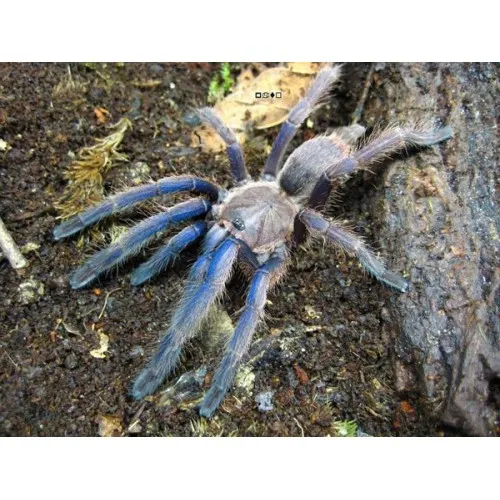
Cambodian Blue Tarantula Top 5 Amazing Facts
The Cambodian Blue Tarantula (Chilobrachys natanicharum) is a striking species, captivating enthusiasts with its vibrant blue coloration and intriguing behaviors. This tarantula, native to Southeast Asia, is a sought-after pet due to its beauty and relatively manageable care requirements. However, behind its mesmerizing appearance lie fascinating facts that set it apart. This article delves into five amazing facts about the Cambodian Blue Tarantula, offering insights into its unique characteristics, habitat, and life cycle. Whether you’re a seasoned arachnid aficionado or a curious newcomer, prepare to be amazed by these incredible creatures and discover why the Cambodian Blue Tarantula is a true gem of the spider world. Let’s explore the wonders of this magnificent species.
Appearance and Characteristics
The most striking feature of the Cambodian Blue Tarantula is undoubtedly its coloration. Unlike many other tarantulas that exhibit earthy tones, the Cambodian Blue displays a brilliant metallic blue hue, especially noticeable on its legs and carapace. This vibrant color intensifies with maturity, making adult specimens particularly eye-catching. The body, however, is typically covered in darker hairs that complement the blue, creating a stunning contrast. Females tend to be larger than males, with a body length that can reach up to 6 inches, while males are often slightly smaller. They also have a different overall appearance. These tarantulas have a lifespan of 8-12 years for females and 2-3 years for males. Their overall aesthetic appeal, combined with their manageable size, makes them a favorite among tarantula keepers.
Habitat and Natural Environment

Cambodian Blue Tarantulas are native to the tropical forests of Cambodia and Thailand. They are a terrestrial species, meaning they primarily live on the ground, constructing burrows in the soil or utilizing existing ground cover for shelter. These tarantulas thrive in humid environments, often found near areas with consistent moisture such as near streams or under dense foliage. The soil composition in their natural habitat is typically rich and well-draining, allowing them to build secure and stable burrows. Understanding their habitat is essential for providing proper care in captivity, as replicating their natural environment is key to their well-being and longevity. The temperature and humidity should be carefully monitored and adjusted to ensure the tarantula feels at home in its new surroundings. Providing a substrate that allows for burrowing is a must.
Diet and Feeding Habits
Cambodian Blue Tarantulas are opportunistic predators, primarily feeding on insects. In their natural habitat, their diet consists of a variety of insects, including crickets, roaches, and other invertebrates that they can overpower. In captivity, they are typically fed a diet of commercially available insects, such as crickets, mealworms, and dubia roaches. They have a voracious appetite, especially as juveniles, and will readily consume prey of a suitable size. Feeding frequency should be adjusted based on their age and size, with younger tarantulas requiring more frequent feedings than adults. It’s important to remove any uneaten prey to prevent stress for the tarantula and to maintain a clean environment. Also, providing a shallow dish of fresh water is crucial for their hydration.
Unique Behaviors
These tarantulas exhibit interesting behaviors, often displaying a defensive posture when threatened, raising their front legs and exposing their fangs. They are known to be skittish and can move with surprising speed. They may also flick urticating hairs, a defense mechanism common in many New World tarantulas. They are not considered highly venomous, but their bite can be painful. Molting is another fascinating behavior, where they shed their exoskeleton to grow and regenerate. The molting process can take several hours, during which the tarantula is particularly vulnerable. Observing the molting process is a unique aspect of keeping these creatures. Understanding their behaviors is crucial to providing a safe and enriching environment, allowing keepers to appreciate these amazing creatures.
Conservation Status and Threats

While the Cambodian Blue Tarantula is not currently classified as endangered, it faces potential threats in the wild. Habitat loss due to deforestation and agricultural expansion is a primary concern, reducing their natural habitat and potentially impacting their populations. Over-collection for the pet trade could also pose a risk if not managed sustainably. Conservation efforts are crucial to ensure the long-term survival of this species. These efforts include habitat preservation, sustainable collection practices, and raising awareness about the importance of protecting these unique creatures and their ecosystems. By understanding the threats they face and supporting conservation initiatives, we can help protect the Cambodian Blue Tarantula for future generations.