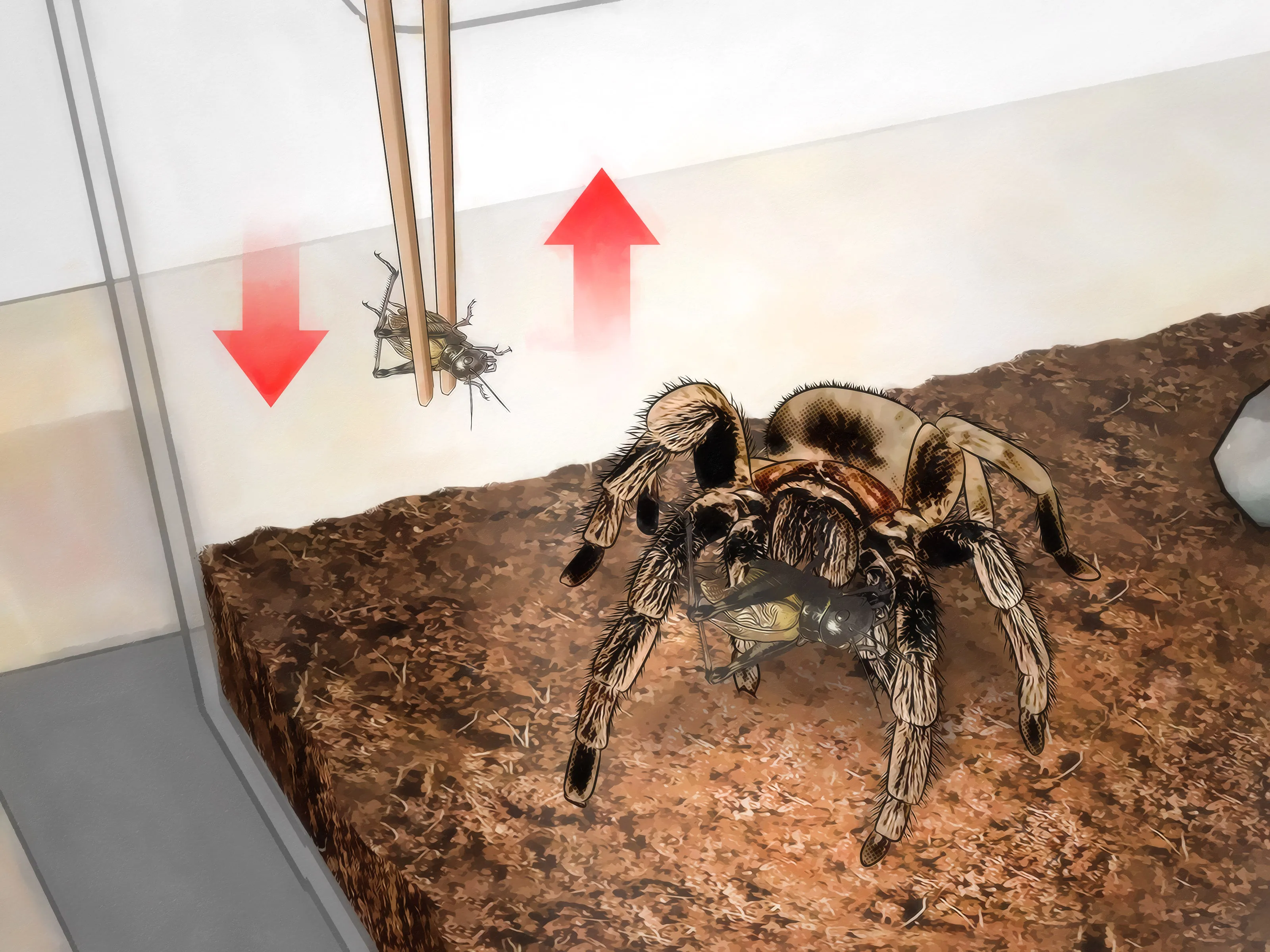
As a tarantula owner, you’re always seeking the best ways to care for your eight-legged friend. One common question is about feeding – specifically, whether it’s safe to feed your tarantula wild crickets. While the idea of a natural diet might seem appealing, there are significant risks involved. This comprehensive guide will explore the pros and cons, helping you make an informed decision about your tarantula’s diet. We’ll delve into the dangers of pesticides and parasites, discuss nutritional imbalances, and consider the potential for disease transmission. We’ll also look at the possible benefits, factors to consider, and safe alternatives to ensure your tarantula thrives.
The Risks of Feeding Wild Crickets to Your Tarantula
Feeding wild crickets to your tarantula carries several risks that could compromise its health. These risks stem primarily from the uncontrolled environment in which wild crickets live. The potential for exposure to harmful substances and diseases makes it crucial to carefully consider the downsides before making a feeding decision. Understanding these risks is the first step in ensuring your tarantula’s well-being.
Pesticide and Parasite Exposure
Wild crickets often come into contact with pesticides, herbicides, and other chemicals used in agriculture or residential areas. These chemicals can be highly toxic to tarantulas, leading to various health problems, including neurological damage, organ failure, and even death. Even if the cricket seems healthy, it may have ingested a lethal dose of pesticides. The accumulation of these toxins can be particularly dangerous for smaller or more vulnerable tarantula species.
Understanding Pesticide Risks
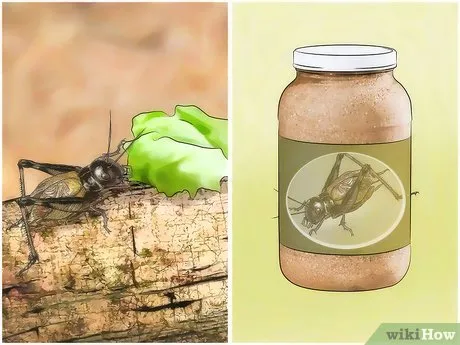
Pesticide exposure is a significant concern. Crickets can pick up pesticides by directly consuming treated plants or by crawling through areas where chemicals have been sprayed. The concentration of these toxins can vary, making it challenging to assess the level of risk. Regular exposure, even to small amounts, can have a cumulative effect, causing long-term health issues for your tarantula. Always be cautious, and if you suspect pesticide exposure, it’s best to avoid wild crickets.
Identifying Parasite Risks
Wild crickets can also carry parasites, such as mites, worms, and other microorganisms that can harm your tarantula. These parasites can infest your tarantula, leading to a range of health problems, from skin irritation to internal organ damage. While some parasites may be visible, others are microscopic and difficult to detect. The risk of infestation is a critical consideration when deciding whether to feed wild crickets to your pet.
Nutritional Imbalance
The nutritional content of wild crickets can vary significantly depending on their diet, environment, and life stage. This inconsistency can lead to nutritional imbalances for your tarantula. Wild crickets may not provide the complete and balanced diet your tarantula needs to thrive. This deficiency can result in growth problems, poor molting, and other health complications.
Nutritional Value of Wild Crickets
While wild crickets can provide some nutritional value, their diet in the wild is often unpredictable. They might consume a variety of plants, decaying matter, and other insects, which can affect their nutritional profile. This makes it difficult to ensure your tarantula receives a consistent intake of essential nutrients. For example, the chitin content may vary, influencing digestibility and overall health.
Comparing Wild and Captive Crickets
Captive-bred crickets are raised on a controlled diet, ensuring a consistent nutritional profile. They are typically fed a balanced diet rich in essential nutrients, making them a more reliable food source for your tarantula. The predictability of captive-bred crickets’ diet reduces the risk of nutritional imbalances, contributing to better overall health and well-being for your pet.
Potential for Diseases
Wild crickets can carry various diseases that can be transmitted to your tarantula. These diseases can range from bacterial infections to fungal diseases, and some can be highly contagious. The risk of introducing these diseases into your tarantula’s environment makes it crucial to consider the potential consequences before offering wild crickets as a food source.
Common Diseases in Wild Crickets

Wild crickets are exposed to various pathogens in their natural habitat. These can include bacterial infections like Pseudomonas, fungal infections, and other diseases that may not immediately affect the cricket but can be harmful to your tarantula. The exact diseases present can vary depending on the geographic location and environmental conditions.
Transmission to Tarantulas
Tarantulas can contract diseases by ingesting infected crickets. The pathogens then spread through the tarantula’s digestive system, potentially causing illness and other health problems. The risk of transmission is increased if your tarantula has any pre-existing health conditions or a weakened immune system. It’s essential to understand the potential routes of disease transmission to protect your pet.
Benefits of Feeding Wild Crickets to Tarantulas
Despite the risks, some argue that wild crickets can offer certain benefits, such as mimicking a natural diet and providing enrichment for your tarantula. However, the potential downsides often outweigh these advantages. Carefully consider these points before deciding.
Natural Diet Mimicry

Feeding wild crickets can somewhat mimic the natural diet of tarantulas in the wild, as they would encounter various insects in their habitat. This might provide some psychological benefit, as the tarantula is eating a food source similar to what it would find in its natural environment. However, the risks associated with wild crickets often outweigh this potential advantage.
Enrichment and Stimulation
The hunt for wild crickets can provide enrichment and mental stimulation for your tarantula, as it engages its natural hunting instincts. This can be a positive aspect of feeding wild crickets. However, it is not enough to justify the risks.
Factors to Consider Before Feeding Wild Crickets
If you still choose to consider feeding wild crickets to your tarantula, you must take several factors into account to minimize the risks. These include the source of the crickets, safe collection practices, and quarantine procedures. A thorough assessment is crucial.
Source of Crickets

The location from which you collect or source wild crickets is critical. Avoid areas where pesticides are used, such as agricultural fields, treated lawns, and gardens. Ideally, collect crickets from areas with minimal human intervention, such as natural meadows or undisturbed woodlands. Always be aware of your surroundings and assess the potential risks before collecting.
Safe Collection Practices
If collecting crickets, use a net to catch them. Avoid using any chemicals to capture or handle them. Handle the crickets gently to avoid stressing them. Be mindful of the potential for contamination from the collection environment. The cleanest collection practices are essential for minimizing risk.
Quarantine Procedures
Always quarantine any wild crickets before feeding them to your tarantula. Keep them in a separate container for several days to monitor their health. Provide them with a clean, pesticide-free environment. Observe them for any signs of illness or parasites. If any issues arise, discard the crickets. Quarantine helps identify and mitigate potential health risks.
Health of Your Tarantula

The overall health of your tarantula is a crucial factor. A healthy tarantula with a robust immune system is more likely to withstand any potential pathogens or toxins. Regularly assess your tarantula’s health by checking its behavior, appetite, and physical appearance. If your tarantula has any pre-existing health issues, it is best to avoid feeding wild crickets altogether.
Tarantula’s Overall Health
Monitor your tarantula for signs of illness, such as lethargy, loss of appetite, or unusual behavior. Healthy tarantulas are typically active and eat regularly. A healthy tarantula is more resilient to potential threats from wild crickets.
Species-Specific Considerations
Different tarantula species have varying levels of sensitivity. Some species may be more susceptible to toxins or parasites than others. Research the specific needs of your tarantula species before considering wild crickets as part of its diet. Some species might be more resilient, but it is always better to err on the side of caution.
Alternatives to Wild Crickets
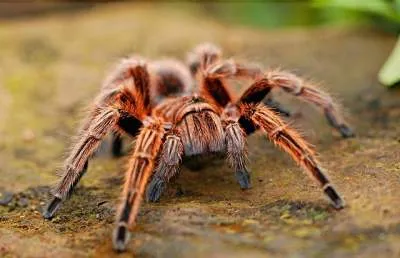
Fortunately, there are safe and readily available alternatives to wild crickets that can provide your tarantula with a balanced and nutritious diet. These alternatives eliminate or significantly reduce the risks associated with wild crickets, ensuring your tarantula’s health and well-being.
Captive-Bred Crickets
Captive-bred crickets are the safest and most recommended alternative. These crickets are raised in controlled environments, where they are fed a balanced diet and are free from pesticides and parasites. Captive-bred crickets are readily available at most pet stores and online retailers. They offer a consistent nutritional profile, ensuring your tarantula receives the nutrients it needs.
Other Insect Options
In addition to captive-bred crickets, other insects can be part of your tarantula’s diet. These include mealworms, super worms, dubia roaches, and locusts. These insects are often raised in controlled environments and are nutritious and safe. Always research the nutritional value and safety of any insect before feeding it to your tarantula.
Conclusion
While the idea of feeding wild crickets to your tarantula might seem appealing, the risks often outweigh the benefits. The potential for pesticide exposure, parasite infestation, and disease transmission makes it a risky choice. Captive-bred crickets and other safe insect alternatives offer a much better way to provide your tarantula with a healthy and balanced diet. Prioritizing your tarantula’s health and safety is always the best approach. Make informed decisions, and consult with a veterinarian or experienced tarantula keeper for personalized advice to ensure a long and healthy life for your pet.