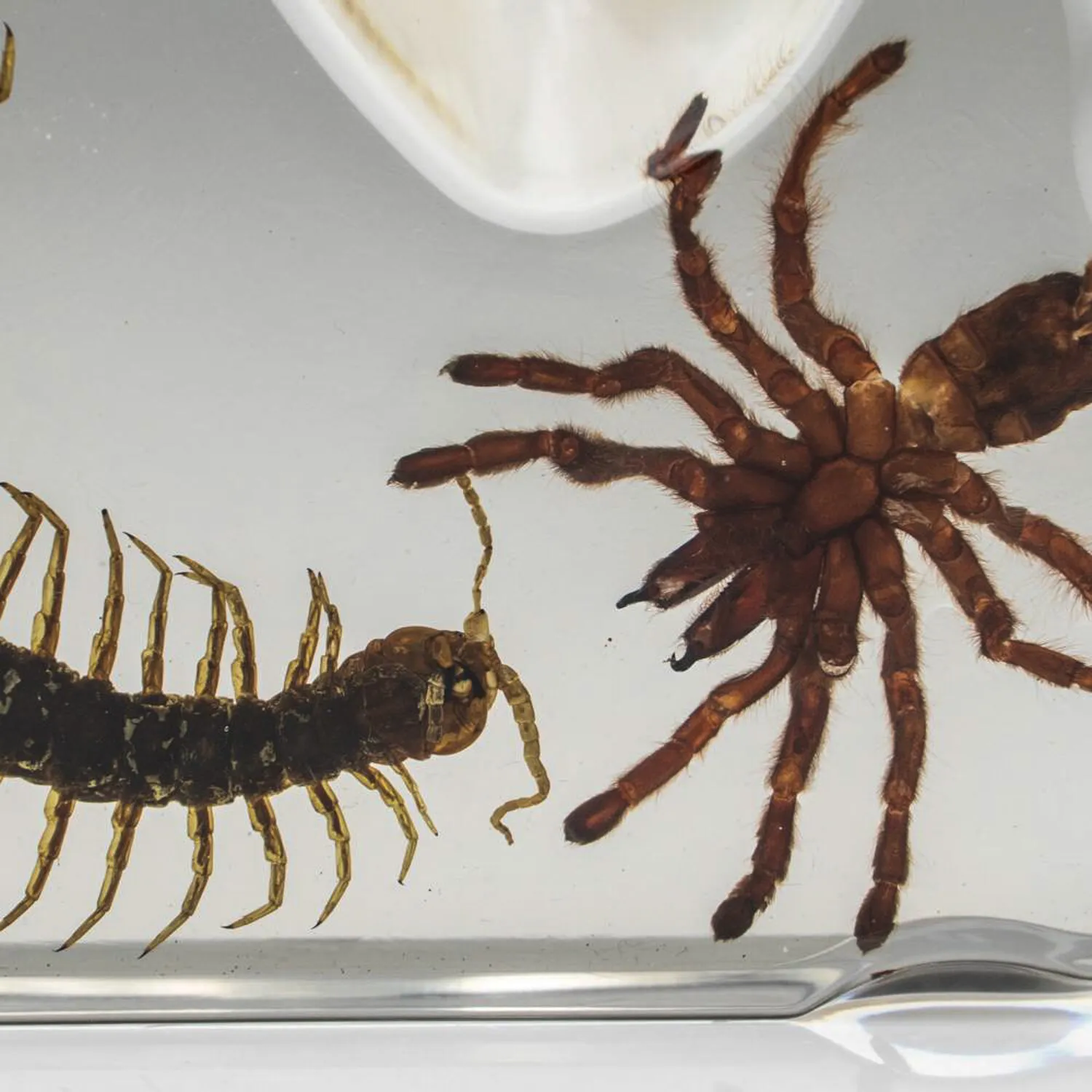
Centipede vs Tarantula Understanding the Basics
The world of arthropods can be fascinating, yet also a bit daunting, especially when faced with creatures like centipedes and tarantulas. These two often-misunderstood animals are quite different, despite both being invertebrates. Understanding the distinctions between them is crucial for accurate identification, whether you’re curious about the local wildlife or trying to manage a potential pest issue in your home. This guide provides a comprehensive overview of the key characteristics, behaviors, and habitats of centipedes and tarantulas, enabling you to confidently tell the difference.
What is a Centipede?
Centipedes are elongated, multi-legged arthropods belonging to the class Chilopoda. They are predatory creatures, known for their swift movements and venomous bites. Centipedes are primarily nocturnal hunters, using their speed and venom to capture smaller insects and other invertebrates. They play a vital role in controlling pest populations in various ecosystems. Their presence in a habitat often indicates a healthy, diverse environment, though their bites can be painful to humans.
Centipede Physical Characteristics

Centipedes are characterized by their flattened, segmented bodies, with one pair of legs per body segment. The number of legs can vary depending on the species, but they always have an odd number of leg pairs. Their coloration varies widely, ranging from brown and reddish-brown to yellow and even vibrant hues in some tropical species. They possess a pair of antennae and their front legs have evolved into modified appendages called forcipules, which they use to inject venom into their prey. Their size ranges from a few millimeters to over a foot long, depending on the species.
Centipede Behavior and Habitat
Centipedes prefer moist, dark environments, such as under rocks, logs, and leaf litter. They are excellent at hiding, which makes them difficult to spot. They are primarily nocturnal hunters, emerging at night to seek out prey. They are carnivores, feeding on insects, spiders, and other invertebrates. Their swift movements and venomous bites are their primary hunting tools. They often reside in areas where prey is abundant, and the presence of centipedes is often a sign of a thriving ecosystem, though their bites can be painful to humans.
What is a Tarantula?
Tarantulas are large, hairy spiders belonging to the family Theraphosidae. Unlike centipedes, tarantulas are arachnids, meaning they have eight legs. They are known for their impressive size, with some species boasting leg spans of over 10 inches. Tarantulas are also predators, but they typically hunt larger prey, including insects, small lizards, and even small mammals. They have a less aggressive temperament than many spiders, often preferring to flee than to fight, but they can deliver a painful bite if threatened.
Tarantula Physical Characteristics

Tarantulas are easily recognizable by their large size and hairy bodies. They have two main body segments: the cephalothorax (fused head and thorax) and the abdomen. Their coloration varies widely, ranging from brown and black to vibrant blues, oranges, and yellows, depending on the species. They have eight eyes arranged in a specific pattern and eight long, hairy legs. Many species also possess urticating hairs on their abdomen, which they can flick at potential threats as a defense mechanism. They have large fangs for injecting venom, which is used to subdue prey.
Tarantula Behavior and Habitat
Tarantulas are found in a variety of habitats, including burrows in the ground, under rocks, and in trees. They are generally nocturnal or crepuscular (active at dawn and dusk) hunters, ambushing their prey. They are ambush predators, waiting for their prey to come close. Their diets consist of insects, small lizards, and occasionally small mammals. While they are venomous, their venom is generally not considered life-threatening to humans, but their bites can still be painful. They are often kept as pets, due to their relatively docile nature and impressive appearance.
Key Differences Identifying Features
Size and Appearance

One of the most immediate differences is size and overall appearance. Tarantulas are significantly larger than most centipedes. While the average centipede is only a few inches long, some tarantula species can have a leg span exceeding 10 inches. The body shape also differs, with centipedes being elongated and flattened, while tarantulas are bulkier with a rounded abdomen. The hairy appearance of tarantulas is another distinguishing feature; centipedes, while segmented, have a smoother, more streamlined appearance.
Body Shape and Segmentation
Centipedes have a distinct body segmentation, with each segment bearing a pair of legs. This gives them a long, worm-like appearance. Tarantulas, on the other hand, have two main body parts: the cephalothorax (fused head and thorax) and the abdomen. Their bodies are not segmented in the same way as centipedes. These differences in body structure are a key identifier when trying to differentiate between the two.
Legs and Movement
Centipedes have a multitude of legs (one pair per segment), allowing them to move very quickly. They dart across surfaces, making them difficult to catch. Tarantulas, with their eight legs, move at a slower pace. They are not built for speed, but they are more adept at climbing and maneuvering in their surroundings. Observing the way an arthropod moves can be a good indicator of whether it’s a centipede or a tarantula.
Venom and Bite

Both centipedes and tarantulas possess venom, but they use it differently. Centipedes use their forcipules (modified front legs) to inject venom, which is primarily used to subdue prey. Their bites can be painful to humans, with symptoms including localized pain, swelling, and redness. Tarantulas also use venom, delivered through their fangs. However, their venom is generally less potent than a centipede’s and is usually not life-threatening to humans. The bite is often compared to a bee sting.
Habitat and Lifestyle
Where Centipedes Live
Centipedes thrive in moist, dark environments, such as under rocks, logs, and leaf litter. They prefer to hide in damp places, away from direct sunlight. They are commonly found in gardens, basements, and other areas with high humidity. Their habitat preferences are important to keep in mind when trying to identify them in or around your home.
Where Tarantulas Live

Tarantulas are found in a variety of habitats, including deserts, grasslands, and tropical forests. Some species live in burrows in the ground, while others are arboreal, meaning they live in trees. Their habitat varies depending on the species, but they generally prefer warm climates. Knowing the typical habitat of tarantulas helps in identifying them.
Identifying a Centipede vs Tarantula in Your Home
Signs of a Centipede Infestation
If you suspect a centipede infestation, you might notice these signs: frequent sightings of centipedes, especially in damp areas, small, elongated insect bodies (remains of their prey), and the presence of other small insects and pests, as centipedes are attracted to them. Checking dark and damp locations like basements, bathrooms, and under sinks is advised to determine their presence. A common sign is seeing their shed exoskeletons.
Signs of a Tarantula Presence

Identifying a tarantula indoors is less common, but it’s possible, especially in warmer climates. Look for these signs: the tarantula itself (usually found in corners or behind objects), shed exoskeletons, and possibly, disturbed webbing or burrows if they are burrowing species. Sightings will be rare. You might find a tarantula, and they are generally not aggressive unless provoked. Always use caution when approaching these animals.
Safety Precautions
Whether dealing with centipedes or tarantulas, always exercise caution. Avoid direct contact with either creature. If you encounter a centipede, the best approach is often to let it be, as its bite can be painful. For tarantulas, avoid handling them unless you are familiar with the species and know how to do so safely. If you are bitten or stung by either, seek medical attention if symptoms are severe or worsen. Use appropriate pest control methods if infestations become a problem, and always prioritize your safety.