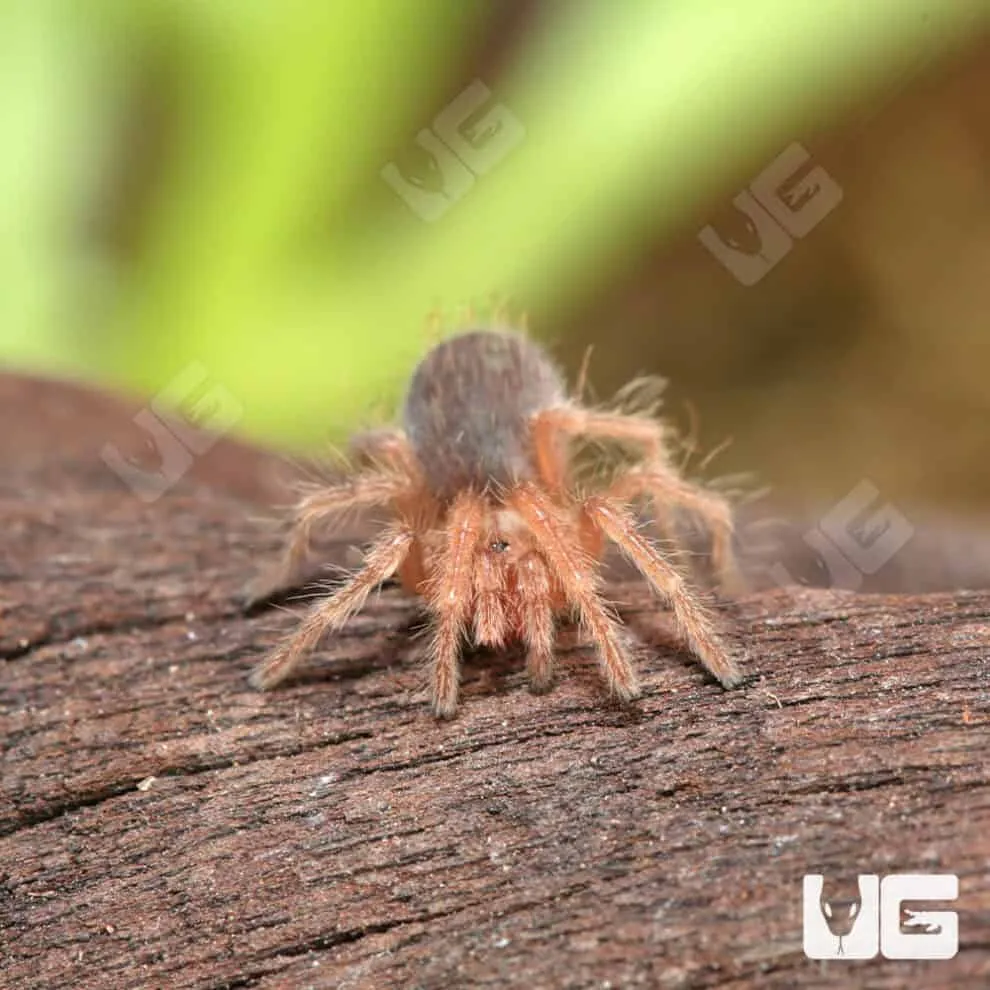
Chilean Red Hair Tarantula: 5 Care Tips
The Chilean Red Hair Tarantula (Grammostola rosea), a beloved pet for its docile nature and striking appearance, is an excellent choice for beginner tarantula keepers. These spiders are relatively low-maintenance compared to some other exotic pets, making them manageable for those new to arachnid care. However, understanding their specific needs is crucial to ensure they thrive in captivity. This comprehensive guide will provide you with five essential care tips to help you become a successful Chilean Red Hair Tarantula owner, promoting a long and healthy life for your fascinating pet. From setting up the perfect habitat to recognizing potential health issues, this article covers everything you need to know to get started.
Choosing the Right Habitat
A suitable habitat is the cornerstone of your Chilean Red Hair Tarantula’s well-being. It should mimic their natural environment as closely as possible to minimize stress and encourage normal behaviors. The ideal enclosure provides ample space for movement, hiding, and burrowing. The correct setup ensures your tarantula feels safe and secure, which is paramount for their health and happiness. Considering factors like size, ventilation, and accessibility will set you up for success. Remember, a well-designed habitat not only benefits the tarantula but also enhances the viewing experience for the keeper, allowing you to observe these fascinating creatures in a setting that suits their needs.
Tank Size and Substrate
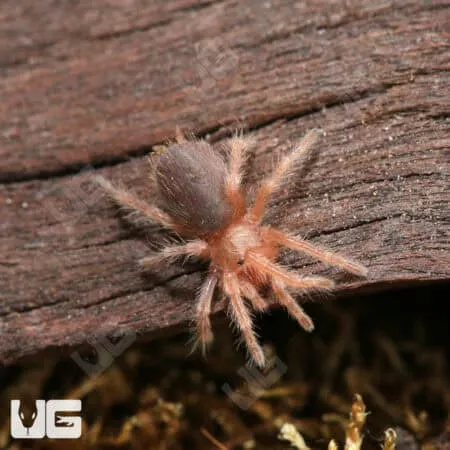
The size of the enclosure should correspond with the size of your tarantula. A juvenile Chilean Red Hair Tarantula can be comfortably housed in a 5-10 gallon tank, while a fully grown adult will require a 10-20 gallon tank or larger. Horizontal space is more important than vertical space for terrestrial species like this. As for substrate, a blend of coconut fiber, peat moss, and a small amount of vermiculite is ideal. This mixture retains moisture well, allowing the tarantula to burrow and create a naturalistic environment. The substrate depth should be at least 4-6 inches to allow for burrowing behavior, which is essential for their well-being and comfort. Make sure the substrate is free of any chemicals that can harm your tarantula. Ensure the substrate is also easy to clean and change when needed.
Temperature and Humidity
Chilean Red Hair Tarantulas thrive in a temperature range of 70-80°F (21-27°C). A consistent temperature is crucial for their metabolism and overall health. You can use a heat mat placed on the side of the enclosure to maintain the desired temperature, never directly under the tank, to avoid overheating the substrate. Humidity levels should be maintained at around 60-70%. This can be achieved by regularly misting the enclosure with dechlorinated water, but avoid saturating the substrate. Adequate ventilation is also crucial to prevent mold growth and ensure healthy air circulation. A hygrometer is essential to monitor humidity levels, ensuring your pet remains comfortable.
Providing the Right Environment
To create an enriching environment, include various elements in the enclosure. Provide a hide, such as a piece of cork bark or a decorative cave, where the tarantula can retreat and feel secure. This is especially important as they are naturally shy creatures. Add a shallow water dish, ensuring it’s not too deep to prevent drowning. Offer a few decorations, such as artificial plants or branches, to provide additional enrichment and places to explore. Ensure all decor is secure and won’t tip over and injure your tarantula. Regular cleaning of the enclosure is important, removing any uneaten food and replacing the water in the dish to maintain a healthy environment.
Feeding Your Chilean Red Hair Tarantula

Proper feeding is crucial for maintaining a healthy Chilean Red Hair Tarantula. These spiders are opportunistic feeders, meaning they will eat whatever prey they can catch. Providing a varied diet ensures they receive the necessary nutrients for growth and development. Understanding the right type of food, the appropriate feeding frequency, and how to manage their hydration needs are key aspects of their care. Overfeeding can be as detrimental as underfeeding, so a well-balanced approach is essential. Proper nutrition contributes to a longer lifespan and ensures that your tarantula remains active and vibrant, allowing you to enjoy its unique behaviors and characteristics.
Choosing the Right Food
The primary diet of a Chilean Red Hair Tarantula consists of live insects. Crickets, mealworms, and dubia roaches are excellent choices due to their nutritional value and ease of availability. The size of the prey should be appropriate for the size of your tarantula. As a general rule, prey items should be no larger than the tarantula’s body size. It is also beneficial to occasionally offer a treat, such as a pre-killed pinky mouse for adult tarantulas, but this should be done sparingly due to its high fat content. Before feeding, it is important to gut-load the insects with nutritious food to ensure that your tarantula receives maximum nutrients. Purchasing insects from a reputable source is also important to avoid exposing your tarantula to pesticides or parasites.
Feeding Frequency
The feeding frequency depends on the tarantula’s age and size. Spiderlings (young tarantulas) should be fed 2-3 times per week. Juveniles can be fed once a week, and adults can be fed every 1-2 weeks. Observe your tarantula’s abdomen. If it appears plump and rounded, it is well-fed. If the abdomen is too thin, increase the feeding frequency. After feeding, remove any uneaten prey within 24 hours to prevent stress for the tarantula and avoid the risk of the prey biting your tarantula. If your tarantula refuses to eat, it may be in pre-molt or may have other issues. Monitor the spider closely and adjust your feeding schedule based on its needs.
Water and Hydration

Water is crucial for the survival of any animal, and your Chilean Red Hair Tarantula is no exception. Providing a clean and accessible water source is essential. They need water to help them digest their food and to maintain their bodies’ functions. Dehydration can be extremely harmful, so ensuring they have a constant supply of fresh water is critical for their health and well-being. Regular monitoring of water availability and quality is a simple but essential aspect of tarantula care, promoting the health and longevity of your pet and enriching your experience as a keeper.
Maintaining Proper Hydration
Provide a shallow water dish filled with fresh, dechlorinated water. Change the water every day or two to prevent bacterial growth. For smaller tarantulas, you can use a water dish with a sponge or cotton ball to prevent the tarantula from drowning. Alternatively, you can mist the enclosure lightly with dechlorinated water, especially during molting periods. Regular misting also helps to maintain the humidity levels in the enclosure. Always ensure that the water source is clean and easily accessible to your tarantula. Avoid placing the water dish directly under a heat source to prevent rapid evaporation.
Handling Your Chilean Red Hair Tarantula
While Chilean Red Hair Tarantulas are generally docile, handling them should be approached with caution. Understanding their temperament and following safe handling practices are essential to prevent injury to both you and your tarantula. These creatures are not naturally inclined to be handled and can become stressed. Handling should be kept to a minimum and only when necessary, such as during enclosure maintenance or health checks. Taking the time to learn their behavior, and creating a safe handling plan will protect both you and your pet. Prioritizing your tarantula’s well-being and safety is the key to a positive experience.
Understanding Their Temperament

Chilean Red Hair Tarantulas are known for their calm disposition. However, individual tarantulas will have their own personalities. Some may be more skittish and prone to flicking urticating hairs (a defense mechanism), while others may be more tolerant. It’s essential to observe your tarantula’s behavior before considering handling. Signs of stress include a defensive posture, such as raising their front legs or displaying their fangs, or the flicking of hairs from their abdomen. If your tarantula displays these behaviors, it’s best to leave them alone and avoid handling.
Safe Handling Practices
If you choose to handle your tarantula, do so with extreme care. Always handle them close to the ground to minimize the risk of injury if they were to fall. Use a gentle touch and avoid sudden movements. Encourage the tarantula to walk onto your hand rather than trying to grab or force them. Wash your hands thoroughly before and after handling to prevent the spread of any potential contaminants. If your tarantula flicks hairs, avoid touching your face or eyes, as these hairs can cause irritation. Also, keep a close eye on the tarantula’s behavior to prevent any unexpected reactions. Be patient, slow and mindful when handling your Chilean Red Hair Tarantula, and always prioritize its comfort and well-being.
Health and Common Issues
Like any pet, Chilean Red Hair Tarantulas can experience health issues. Recognizing the signs of illness and taking preventative measures is crucial to their long-term well-being. Maintaining a clean and appropriate habitat, providing proper nutrition, and minimizing stress are all important in preventing illness. Being vigilant about your tarantula’s behavior, observing their feeding habits, and monitoring their overall appearance can help you quickly identify and address potential health problems, ensuring that your pet remains healthy and happy. Understanding potential health issues and how to address them will enhance your capabilities as a tarantula keeper.
Recognizing Signs of Illness

Common signs of illness in Chilean Red Hair Tarantulas include lethargy, loss of appetite, and unusual behavior. If your tarantula is spending more time in one area of the enclosure, it may be a sign of discomfort. Other indicators of health problems can include tremors, loss of balance, or difficulty moving. Look out for discoloration or lesions on the body. A swollen or abnormal abdomen can also be a sign of illness. Any of these symptoms warrant a careful examination. Consult an experienced tarantula keeper or a veterinarian specializing in exotic animals if you notice any of these signs.
Preventative Care
The best approach to health is preventative care. Maintaining a clean and appropriate habitat is paramount. Ensure that the substrate is clean and changed regularly. Provide a varied diet of nutritious insects. Avoid exposing your tarantula to chemicals or pesticides. Quarantine new tarantulas before introducing them to established collections. Regular observation of your tarantula’s behavior and physical condition is critical. If you notice any changes, take immediate action. By following these guidelines, you can significantly reduce the risk of your tarantula developing health issues and improve their overall quality of life. A healthy tarantula is a happy tarantula.
Conclusion
Caring for a Chilean Red Hair Tarantula is a rewarding experience. By following these 5 essential care tips, you can create a thriving and healthy environment for your pet. Providing a suitable habitat, feeding them a nutritious diet, ensuring they stay hydrated, handling them with care, and addressing any health concerns are crucial for their well-being. As you gain experience, you’ll develop a deeper appreciation for these fascinating creatures. With proper care, your Chilean Red Hair Tarantula can become a long-lived and captivating companion, enriching your life with its unique presence. Enjoy the journey of tarantula ownership!