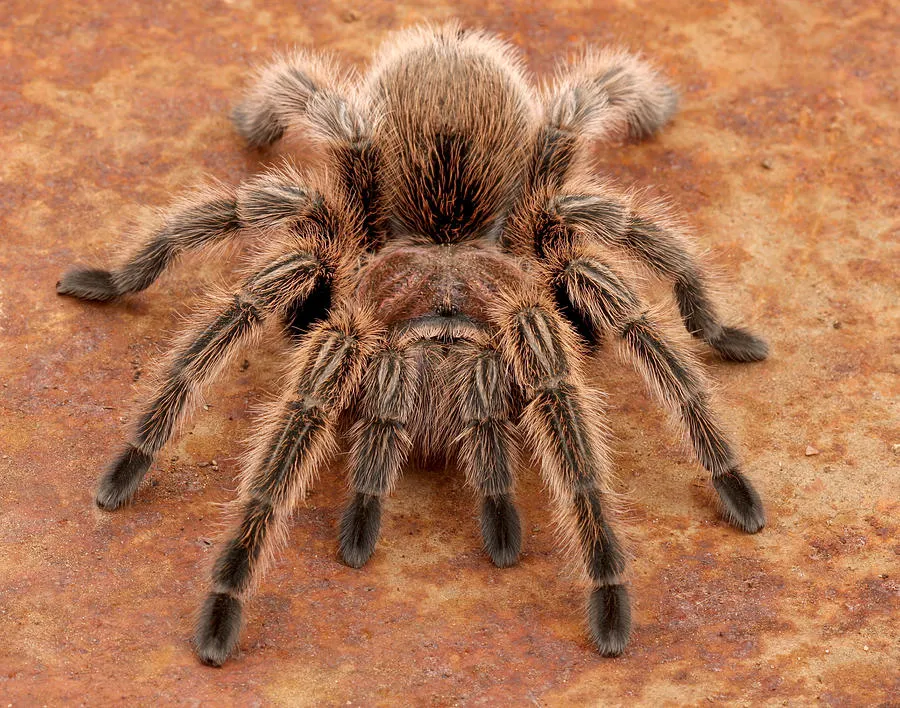
Choosing Your Chilean Rose Hair Tarantula
Bringing home a Chilean Rose Hair Tarantula can be an exciting experience, but it’s crucial to start with a healthy specimen. These tarantulas are known for their docile nature and beautiful appearance, making them popular pets. However, their well-being depends on the choices you make from the outset. Proper selection is the first step toward ensuring your tarantula thrives. You’ll want to choose a tarantula that is active and alert, showing no signs of lethargy or distress. A healthy tarantula will have a plump abdomen, indicating it is well-fed and hydrated, and their fangs should be intact, allowing them to eat properly. Researching reputable breeders or pet stores specializing in arachnids is key to avoiding common health problems. These sellers will often be knowledgeable about the tarantula’s needs.
What to Look for in a Healthy Tarantula
When selecting your Chilean Rose Hair Tarantula, pay close attention to several key indicators of health. A healthy tarantula should be active and responsive to its environment, showing an interest in movement and exploration. The abdomen should be a good size, not excessively shrunken or overly swollen, which could indicate dehydration or illness. Check for any signs of parasites or mites, which can be detrimental to their health. Look for a tarantula with all its legs intact; missing legs can be a sign of injury. The fangs should be complete and in good condition, essential for eating. Also, ensure the tarantula is not showing any signs of tremors or uncoordinated movement, as these could be signs of stress or illness. A healthy tarantula will also display a vibrant coloration appropriate for its species and stage of development.
Where to Buy Your Tarantula

The source of your Chilean Rose Hair Tarantula is just as important as the individual tarantula’s health. It’s best to purchase from a reputable breeder or a pet store specializing in exotic pets. Reputable breeders often prioritize the health and well-being of their tarantulas, providing proper care and handling. They can offer valuable information about the tarantula’s origin, age, and any special care requirements. Avoid purchasing from sources with poor reputations or those that do not provide adequate information about the tarantulas they sell. Online forums and social media groups dedicated to tarantula care can be excellent resources for finding trusted breeders in your area. Always check reviews and ask for references to ensure you are making a safe and informed choice. Buying from a reputable source greatly increases your chances of getting a healthy, well-cared-for pet.
Setting Up the Perfect Habitat
Creating the perfect habitat for your Chilean Rose Hair Tarantula is vital for its health and happiness. This involves careful consideration of the enclosure, substrate, and environmental controls. The goal is to mimic their natural environment as closely as possible, providing a safe and comfortable space. A well-designed habitat reduces stress, encourages natural behaviors, and helps prevent health issues. Proper setup is essential for the overall well-being of your tarantula. A good habitat provides a secure and enriching environment, making it feel safe and promoting their natural behaviors. Taking time to design the habitat properly will result in a healthy and contented tarantula, and a more rewarding pet-keeping experience.
Choosing the Right Enclosure
The enclosure is the foundation of your Chilean Rose Hair Tarantula’s habitat. It should be appropriately sized, escape-proof, and provide good ventilation. For a juvenile tarantula, a small enclosure, such as a 5-gallon tank, is often sufficient. As your tarantula grows, you’ll need to upgrade to a larger enclosure, like a 10- or 20-gallon tank. The enclosure should be made of clear material like glass or acrylic, allowing you to observe your pet. Ensure the enclosure has a secure lid with proper ventilation to prevent escape and maintain air quality. Avoid enclosures with overly smooth surfaces, as they can make it difficult for the tarantula to climb. The enclosure should also have some height to allow for burrowing and the placement of decorations.
Substrate Selection

The substrate, or bedding, is another critical aspect of the habitat. It provides a surface for the tarantula to walk on, burrow in, and helps maintain the correct humidity levels. For Chilean Rose Hair Tarantulas, a mixture of substrates often works best. A combination of peat moss, coconut fiber, and a small amount of vermiculite provides a good balance of moisture retention, drainage, and burrowing capability. The substrate should be deep enough for the tarantula to burrow comfortably, typically several inches deep. The substrate should be kept slightly moist but not waterlogged. Regularly monitor the substrate for cleanliness and replace it as needed. Using the right substrate will improve the tarantula’s comfort and overall health. It should also be free of pesticides or chemicals that could harm your pet.
Temperature and Humidity Control
Maintaining the correct temperature and humidity levels is essential for your Chilean Rose Hair Tarantula’s well-being. These tarantulas thrive in temperatures ranging from 70°F to 80°F (21°C to 27°C). Use a thermometer to monitor the temperature inside the enclosure. If the temperature is too low, you can use a heat mat or a low-wattage incandescent bulb to provide supplemental heat. The humidity level should be kept at 60-70%. You can monitor the humidity with a hygrometer. To increase humidity, mist the enclosure with dechlorinated water a few times a week or add a shallow water dish. Proper environmental control supports molting, eating, and overall health. Too much humidity can lead to mold and other problems. Ensure adequate ventilation to prevent the buildup of excessive moisture.
Feeding Your Chilean Rose Hair Tarantula
Feeding your Chilean Rose Hair Tarantula properly is essential for its growth and overall health. These tarantulas are opportunistic feeders, meaning they will eat almost any insect they can overpower. A balanced diet will help your tarantula thrive. Overfeeding should be avoided, as it can lead to health problems. The right approach to feeding will keep your tarantula healthy and active. Adjust your feeding schedule based on the tarantula’s age, size, and molting cycle. Ensure that food is always readily available, but do not leave uneaten prey in the enclosure, which can stress the tarantula.
What to Feed Your Tarantula

The primary diet of a Chilean Rose Hair Tarantula consists of insects. Crickets, mealworms, and Dubia roaches are popular choices, as they are readily available and provide essential nutrients. The size of the prey should be appropriate for the tarantula’s size; it should be no larger than the tarantula’s body. Before feeding, it is important to dust the insects with a calcium and vitamin supplement to ensure your tarantula receives adequate nutrients. You can also offer the occasional treat, such as a small piece of pre-killed pinky mouse, but this should be done sparingly. Always ensure that any insects you feed your tarantula are free from pesticides and disease. Variety in the diet can improve the tarantula’s overall health. Always remove any uneaten food within 24 hours to prevent mold growth and maintain a clean enclosure.
Feeding Frequency
The feeding frequency depends on the tarantula’s age and molting cycle. Spiderlings (young tarantulas) should be fed more frequently, typically every other day. Sub-adults and adults can be fed less often, usually once or twice a week. It is crucial to adjust the feeding schedule based on the tarantula’s appetite and growth rate. If your tarantula is not eating, it might be preparing to molt. Observe your tarantula’s behavior and adjust the feeding schedule accordingly. Do not offer food during molting, and avoid handling the tarantula. Remove uneaten food within 24 hours to prevent the growth of mold and maintain a clean enclosure. Monitor your tarantula’s abdomen; a full abdomen is a sign that it has been eating well. However, avoid overfeeding, as it can lead to health problems. Adjust feeding frequency as the tarantula ages, decreasing as they mature.
Watering and Hydration
Providing fresh water is another essential aspect of caring for your Chilean Rose Hair Tarantula. Water is crucial for hydration and helps your tarantula regulate its bodily functions. Always ensure a fresh water source is available, so your tarantula can stay properly hydrated. Proper hydration is a foundation for health. The way you provide water will impact their health. Pay attention to the condition of the water source to ensure optimal hydration for your Chilean Rose Hair Tarantula. Keep the water dish clean to prevent mold and bacteria. Providing the right water and humidity levels is vital to prevent health issues.
Providing Fresh Water
Always provide a shallow water dish filled with fresh, dechlorinated water. The water dish should be small enough that the tarantula cannot drown in it. Change the water regularly, ideally every day or two, to prevent bacterial growth. For smaller tarantulas, you can use a bottle cap or a cotton ball soaked in water. Ensure the cotton ball is always moist. You can also mist the enclosure occasionally, but this is not a substitute for providing a constant water source. A water dish is essential for hydration. Keep the water clean to prevent contamination and ensure your tarantula can always access fresh water. Water is vital for molting, eating, and overall health, so ensure it is readily available. Be sure the water is free of any chemicals. Clean water promotes a healthy and happy tarantula.
Misting and Humidity
In addition to providing a water dish, misting the enclosure can help maintain the correct humidity levels. Use dechlorinated water and mist the enclosure lightly a few times a week, depending on the humidity needs of your tarantula and the environment. Avoid over-misting, which can lead to mold growth and health issues. Monitor the humidity levels using a hygrometer to ensure they are within the appropriate range (60-70%). Misting helps to mimic the tarantula’s natural environment and encourages healthy molting. If you live in a dry climate, you may need to mist more frequently. The frequency of misting depends on the substrate, ventilation, and the tarantula’s needs. Always ensure proper ventilation to prevent excess humidity.
Handling and Interaction
While Chilean Rose Hair Tarantulas are generally docile, handling should be done with care and respect. These tarantulas can be easily startled and may bite if they feel threatened. It’s essential to approach handling with caution and prioritize the safety of both you and the tarantula. Understanding the best practices for handling, if you choose to handle at all, will help to foster a healthy relationship with your pet. Always handle the tarantula with a calm and deliberate demeanor. Being prepared and knowledgeable is the best way to interact with your pet. Never force a tarantula to be handled. Always respect the tarantula’s boundaries.
Safe Handling Practices

If you choose to handle your Chilean Rose Hair Tarantula, do so with utmost care. Avoid handling if the tarantula is stressed, molting, or about to molt. Always handle the tarantula over a soft surface, such as a bed or a couch, in case it falls. Gently coax the tarantula onto your hand, rather than grabbing or forcing it. Never squeeze or apply pressure to the tarantula’s body. Wash your hands before and after handling to prevent the transfer of any substances. If the tarantula appears agitated, gently place it back in its enclosure. If bitten, it may hurt and be painful, but it is unlikely to be dangerous. Keep handling sessions short. Regular, safe handling can help you bond with your tarantula, while minimizing the risk of harm.
Understanding Tarantula Behavior
Understanding your tarantula’s behavior is key to safe handling. Chilean Rose Hair Tarantulas may exhibit certain behaviors that indicate they are stressed or feel threatened, such as raising their front legs or flicking hairs (urticating hairs) from their abdomen. If you observe these behaviors, it is best to leave the tarantula alone and avoid handling. Tarantulas are typically most active at dawn and dusk, so these are the times when they are most likely to be seen. Learn to read the signals your tarantula gives you; it will help you create a safe handling experience. Observe your tarantula regularly to get a better understanding of its temperament and behavior. A relaxed tarantula is less likely to bite. If you are unsure or have any concerns, it is best to consult with an experienced tarantula keeper or a veterinarian specializing in exotic animals.
Health and Common Problems
Like any pet, Chilean Rose Hair Tarantulas can encounter health issues. Knowing how to recognize and address common problems is crucial for their well-being. Regular monitoring and preventative care can help to avoid many health problems. Addressing these issues promptly will help ensure your tarantula’s health. A healthy tarantula will have a good appetite, and have a good coloration and movement. Watch for any signs of illness and take appropriate action promptly to address them. The health and happiness of your tarantula depend on your knowledge.
Recognizing Signs of Illness

Several signs can indicate that your Chilean Rose Hair Tarantula is unwell. A loss of appetite is a common indicator of illness. Lethargy, a lack of activity, or unusual stillness can also be signs of a problem. Look for any unusual movements, such as tremors or uncoordinated walking. Check for any visible signs of injury, such as missing legs or damage to the fangs. Examine the abdomen for any signs of dehydration, such as excessive wrinkling, or swelling. Observe your tarantula’s overall appearance; changes in color or behavior can be indicators of health issues. Any of these symptoms warrant further investigation. If you are concerned about your tarantula’s health, it is always best to consult with an experienced tarantula keeper or a veterinarian specializing in exotic animals.
Dealing with Molting
Molting is a natural process for tarantulas, during which they shed their exoskeleton to grow. It is a vulnerable time for your tarantula. During molting, your tarantula will typically stop eating and may become more reclusive. To prepare for molting, the tarantula may spend more time on its back. The molting process can take several hours or even days. Do not disturb your tarantula during molting. Ensure that the enclosure has the appropriate temperature and humidity levels to facilitate the molting process. After molting, your tarantula’s fangs will be soft, so avoid feeding it for a few days to allow the fangs to harden. Provide fresh water and maintain the correct humidity levels. Properly managing the molting process will support your tarantula’s growth and health. After molting, the tarantula may exhibit a change in coloration.
Conclusion
Caring for a Chilean Rose Hair Tarantula can be a rewarding experience. By following these care tips, you can create a safe, comfortable, and enriching environment for your tarantula. This comprehensive guide offers the essential information to get you started on your journey. Always be prepared to learn and adapt your care based on the tarantula’s specific needs. Remember, consistent attention to the tarantula’s environment, diet, and health is the key to keeping your pet healthy and happy. By providing proper care, you can enjoy your Chilean Rose Hair Tarantula for many years. Remember to always do your research and consult with experienced keepers or specialists for any concerns.