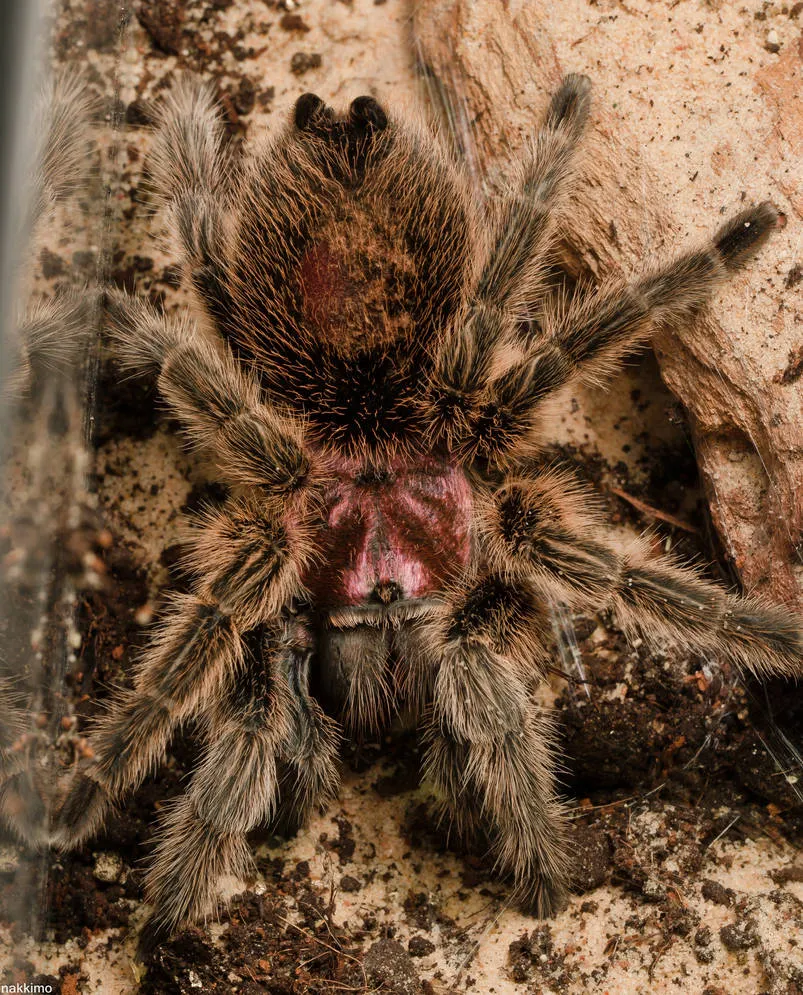
Understanding the Chilean Rose Tarantula
The Chilean Rose Tarantula (Grammostola rosea), also known as the Chilean rose hair tarantula, is a popular choice for beginner tarantula keepers due to its docile temperament and relatively low maintenance requirements. Native to the arid regions of Chile, Bolivia, and Argentina, these spiders are known for their gentle nature and beautiful coloration, which ranges from shades of brown to rose. They are one of the hardiest tarantula species available, making them an excellent option for those new to the world of arachnid ownership. Proper care is essential to ensure the well-being and longevity of your Chilean Rose Tarantula, including providing a suitable habitat, appropriate feeding, and maintaining a healthy environment.
Appearance and Characteristics
Chilean Rose Tarantulas have a lifespan that can reach up to 20 years for females, while males typically live shorter lives, around 5-7 years. They are relatively large spiders, with females often reaching a leg span of 5-6 inches. The body is covered in fine hairs, giving them a velvety appearance. The coloration varies, with many displaying a soft brown or reddish-brown hue, and the namesake rose coloration often appears on the carapace and legs. These tarantulas are terrestrial, meaning they spend most of their time on the ground, and they are not known for climbing. They are also known for their generally calm disposition, making them less prone to biting or exhibiting defensive behaviors.
Temperament and Handling

Chilean Rose Tarantulas are known for their docile temperament, making them relatively safe to handle. However, it’s important to remember that they are still wild animals and should be treated with respect. While bites are rare, they can happen, especially if the spider feels threatened. The bite itself isn’t considered medically significant, similar to a bee sting, but it can be painful. It’s best to handle your tarantula only when necessary, such as for cage cleaning or health checks. When handling, do so close to the ground to minimize the risk of injury if the spider falls. Always supervise children and teach them the importance of gentle handling and respect for the animal.
Setting Up a Chilean Rose Tarantula Habitat
Creating a suitable habitat is crucial for the health and happiness of your Chilean Rose Tarantula. Their environment must mimic their natural habitat to keep them thriving. This includes the right enclosure, substrate, decor, temperature, and humidity levels. Providing the right environment is the most important factor to ensure the long term survival of your tarantula. It is essential to replicate the natural habitat of the species and to be mindful of the requirements of the tarantula.
Choosing the Right Enclosure
The size of the enclosure depends on the size of your tarantula. A good rule of thumb is to provide an enclosure that is at least twice the tarantula’s leg span in width and length. For a fully grown adult, a 10-gallon aquarium or a similarly sized plastic terrarium is suitable. The enclosure should have a secure lid to prevent escape. Ensure that the lid has adequate ventilation to allow for airflow and prevent the build-up of harmful moisture. Consider the material of the enclosure as well, glass and clear plastic are both good choices, as they allow for easy viewing of your pet. Avoid using anything with sharp edges that could injure your tarantula.
Substrate and Decor

The substrate is the bedding material that covers the bottom of the enclosure. It should be deep enough for the tarantula to burrow if it chooses, but not too deep to make it difficult to maintain. A good substrate choice for Chilean Rose Tarantulas includes a mixture of peat moss, coconut fiber, and a small amount of vermiculite. This blend holds moisture well and provides a natural environment. Provide a hide, such as a piece of cork bark or a half-log, where your tarantula can retreat and feel secure. Other decorations, such as artificial plants, can also be added, but ensure they are secure and non-toxic.
Temperature and Humidity
Chilean Rose Tarantulas thrive in temperatures between 70-80°F (21-27°C). While they don’t need supplemental heating, keeping the enclosure in a room with this temperature range is ideal. A thermometer is essential to monitor the temperature. Humidity should be kept relatively low, around 60-70%. This can be achieved by misting one side of the enclosure lightly with water a few times a week, or as needed. Use a hygrometer to measure humidity levels. Avoid over-misting, as excessive moisture can lead to mold growth and other health issues for your tarantula.
Feeding Your Chilean Rose Tarantula
Proper feeding is essential for your tarantula’s health and growth. Chilean Rose Tarantulas are opportunistic feeders, meaning they will eat whatever they can catch. However, you should provide a consistent diet for optimal health. You should be aware of the specific requirements for this species and the types of foods you can provide. The diet and feeding schedule will depend on the tarantula’s age and size. It’s best to adjust the feeding schedule to the current size of the animal.
What to Feed

The main diet of a Chilean Rose Tarantula consists of insects. Good options include crickets, mealworms, roaches, and other commercially available insects. The size of the insects should be appropriate for the tarantula’s size; ideally, the insects should be no larger than the tarantula’s abdomen. Before feeding, it is recommended to gut-load the insects (feed them nutritious food) to increase their nutritional value. Occasionally, you can offer pre-killed insects, especially if your tarantula is not an aggressive eater. Always remove any uneaten food within 24 hours to prevent mold and mite infestations.
Feeding Frequency
The feeding frequency depends on the age and size of the tarantula. Spiderlings (young tarantulas) should be fed more frequently, about every other day. Juvenile tarantulas can be fed 2-3 times a week. Adult tarantulas typically eat once or twice a week. Observe your tarantula’s abdomen; if it appears plump, it is well-fed. Refuse feeding if the tarantula is in premolt (preparing to shed its skin). Always ensure that fresh, clean water is available.
Watering and Hydration
Providing fresh, clean water is crucial for your tarantula’s hydration. Use a shallow water dish that is easily accessible. The dish should be small enough to prevent drowning. Fill the water dish with dechlorinated water. Change the water regularly, at least once a week, to prevent bacterial growth. You can also mist the enclosure lightly a few times a week to increase humidity, especially during molting. Monitor the humidity levels and adjust the misting schedule accordingly to maintain optimal conditions.
Daily and Weekly Care

Regular care is essential for maintaining a healthy environment for your tarantula. This involves a combination of daily and weekly tasks that will keep your pet and enclosure clean. It is important to check the tarantula and the enclosure for any issues on a regular basis, it is important to be aware of the common health issues that may arise. Regular maintenance will contribute to the tarantula’s health and wellbeing.
Cleaning and Maintenance
Spot-clean the enclosure daily, removing any uneaten food, molted skin, and feces. Every 1-3 months, perform a more thorough cleaning. Carefully remove the tarantula (if necessary and safe), and replace the substrate. Clean the enclosure with warm water and a mild, unscented soap, rinsing thoroughly to remove any residue. Replace any decorations and ensure the enclosure is dry before returning the tarantula. Regular cleaning prevents the buildup of harmful bacteria and maintains a healthy environment.
Health and Common Issues
Chilean Rose Tarantulas are relatively hardy, but they can still experience health problems. Common issues include mites, fungal infections, and parasites. Regularly inspect your tarantula for any signs of illness, such as lethargy, loss of appetite, or unusual behaviors. Mites can be identified as tiny, moving specks on the tarantula or in the enclosure. If you suspect a health issue, consult with a veterinarian who specializes in exotic animals. Providing the proper care and maintenance significantly reduces the likelihood of such issues.
Shedding and Molting

Tarantulas molt (shed their exoskeletons) to grow. This process can be stressful for the tarantula. Before molting, the tarantula may become less active, stop eating, and develop a bald spot on its abdomen. Provide a humid environment during molting to help the process. Do not disturb the tarantula during molting. After molting, the tarantula’s new exoskeleton will be soft; avoid feeding it for a few days until the exoskeleton hardens. Molting is a normal process for tarantulas and a sign of healthy growth.
Breeding and Reproduction
Breeding Chilean Rose Tarantulas can be a rewarding experience, but it requires careful planning and knowledge. Sexing the tarantula is essential; males have small hooks on their front legs (used to hold the female’s fangs during mating) and often have a bulbous structure at the end of their pedipalps. Mating involves introducing the male to the female’s enclosure. If the female is receptive, she will allow the male to mate. After mating, the female will lay an egg sac, which she will guard until the spiderlings hatch. The process of breeding this species requires a good understanding of the species.
Is a Chilean Rose Tarantula Right for You?
Owning a Chilean Rose Tarantula can be a rewarding experience, but it’s important to consider your lifestyle and commitment level before getting one. While they are relatively low-maintenance pets, they still require regular care and attention. This includes providing the right habitat, feeding them regularly, and monitoring their health. Understanding the responsibilities of owning a tarantula will help you determine whether it is the right pet for you. Make sure you are aware of the needs of the animal and are able to provide everything necessary.
Pros and Cons of Ownership

The pros of owning a Chilean Rose Tarantula include their docile temperament, relatively low maintenance requirements, and their fascinating nature. They are also visually appealing and can be a unique addition to your home. Cons include the need for live insect feeding, the potential for handling dangers, and the limited interaction. They can also be sensitive to changes in their environment. Be sure to weigh both the pros and cons to make an informed decision.
Cost and Availability
Chilean Rose Tarantulas are generally affordable and readily available at pet stores and from reputable breeders. The initial cost includes the tarantula itself, the enclosure, and the necessary supplies. Ongoing costs include the cost of insects, substrate, and any veterinary care. It is important to factor in the initial and ongoing costs before committing to owning a tarantula. Researching the costs and finding the species from a reputable source is important.