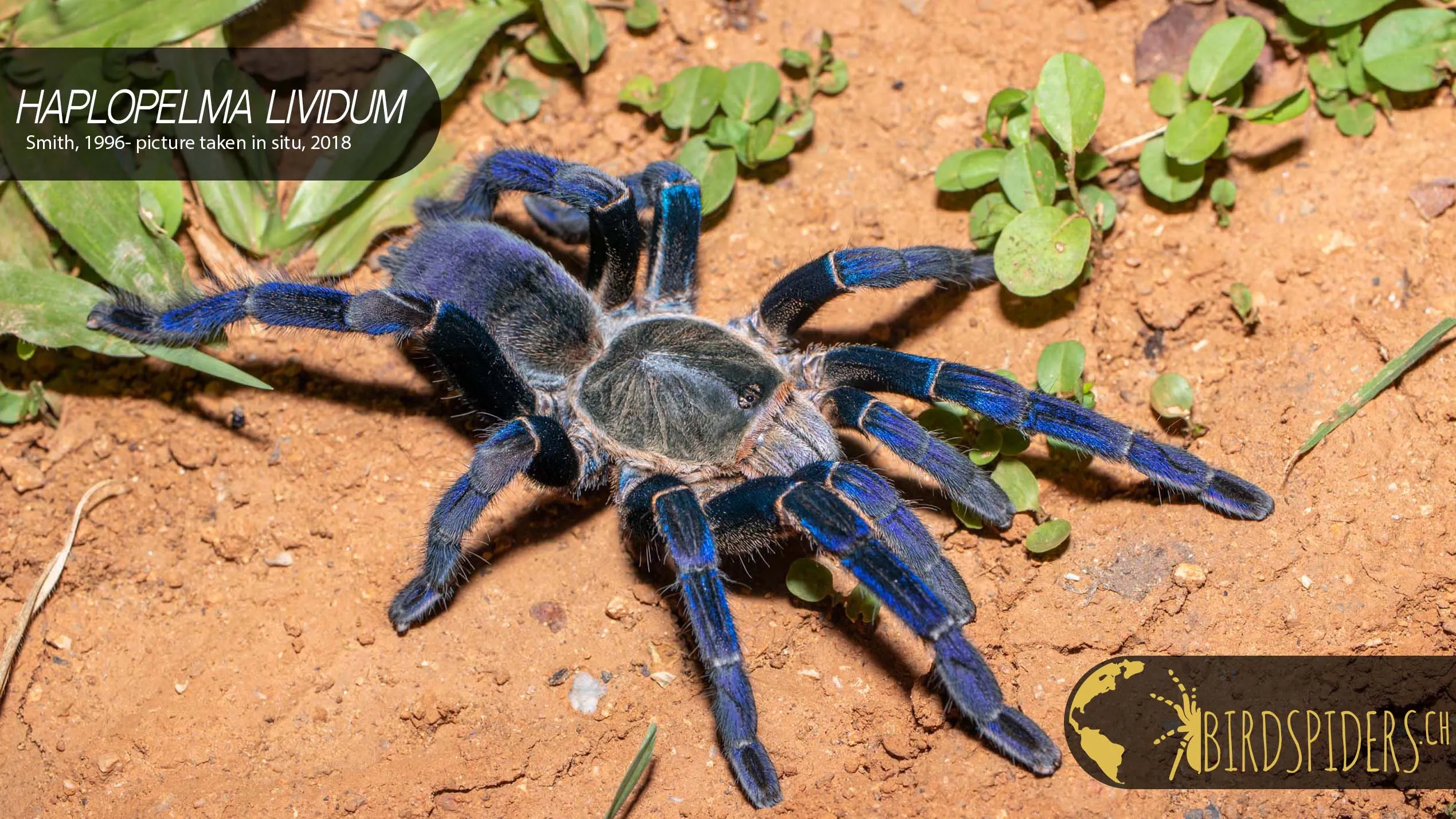
Understanding Cobalt Blue Tarantulas
The cobalt blue tarantula (Cyaneopubescens) is a striking species renowned for its vibrant blue coloration, making it a favorite among tarantula enthusiasts. Native to the tropical rainforests of Myanmar and Thailand, these spiders are fossorial, meaning they spend a significant amount of time burrowing underground. Understanding their characteristics is crucial for anyone interested in hunting or keeping them. They are known for their defensive behavior and potent venom, so caution is always necessary. Their lifespan can range from 10 to 12 years for females and about 3 to 4 years for males. The cobalt blue tarantula’s beauty comes with a responsibility to appreciate and respect its needs and potential dangers.
Habitat and Behavior of Cobalt Blue Tarantulas
Cobalt blue tarantulas thrive in humid environments, replicating the tropical rainforests they originate from. In the wild, they create burrows in the soil, often near the base of trees or under rocks for shelter. They are primarily nocturnal hunters, emerging from their burrows at night to ambush prey. Their diet consists mainly of insects, which they capture using their venom to paralyze and then consume. Observing their natural behavior is essential to understanding how to approach hunting them safely and effectively. They are generally shy creatures, preferring to avoid confrontation unless threatened, but they can be very defensive if they feel threatened.
Identifying the Right Time to Hunt

The optimal time for hunting cobalt blue tarantulas is during the late evening or early morning hours when they are most active. These spiders prefer cooler temperatures and higher humidity levels, so these periods are ideal. Look for signs of activity, such as freshly dug burrows or discarded exoskeletons. It’s important to understand the tarantulas’ molting cycle because they are vulnerable during this period. Avoid hunting them during the molting phase as this can be harmful to the tarantula. Observing their behavior, such as the appearance of webbing around the burrow entrance, can indicate their activity level and the best time for hunting.
Essential Equipment for Hunting Cobalt Blue Tarantulas
Hunting these fascinating creatures requires specific equipment for safety and effectiveness. A sturdy container with a secure lid is essential for capturing and transporting the tarantula. Long, fine-tipped forceps or tongs are useful for safely handling the spider without getting too close. A small, soft brush can help gently coax the tarantula into the container. Protective gear, such as thick gloves, is crucial to protect your hands from bites and venom. A flashlight with a powerful beam is also necessary for spotting tarantulas in their burrows or in low-light conditions. Always prioritize your safety when choosing equipment, as these spiders can be dangerous.
Catching Techniques for Cobalt Blue Tarantulas
Several effective techniques can be employed when catching cobalt blue tarantulas. One method involves gently coaxing the tarantula into a container using a soft brush to guide it. When the tarantula is out of its burrow, carefully position the container and gently nudge it inside. Be patient and avoid any sudden movements that could startle the spider. Another technique is to carefully dig around the burrow entrance, slowly exposing the spider while keeping it in sight. Always be ready to retreat if the tarantula shows signs of aggression. Never try to grab the tarantula directly, as this can lead to bites or injury to both you and the spider.
Locating Cobalt Blue Tarantulas

Finding cobalt blue tarantulas in their natural habitat requires careful observation and knowledge of their preferred environments. Look for signs of burrows in moist, shaded areas, typically near the base of trees or under rocks. Examining the surrounding soil for fresh excavations and discarded molts can indicate a tarantula’s presence. Using a flashlight can help illuminate the burrows and reveal the spider within. Local guides or experienced hunters can offer valuable insights into where these tarantulas are commonly found. Respecting their environment and minimizing disruption is important while searching for these creatures.
Setting Up the Capture
Preparing for the capture of a cobalt blue tarantula is an important process for a successful and safe hunting experience. Make sure you have all your equipment ready and within easy reach. Approach the burrow cautiously, minimizing noise and movement. When you spot the tarantula, assess its behavior, and determine the best way to capture it. Gently position the container near the entrance, ready to trap the spider if it emerges. If the tarantula is inside its burrow, be patient and wait for it to come out. It is important to remain calm and composed during the process, especially when handling a potentially dangerous animal.
Safe Handling and Transportation
Once the tarantula is captured, safe handling and transportation are paramount. Always wear protective gloves to prevent bites. Handle the container with care to avoid any sudden movements that might agitate the spider. If the tarantula is particularly aggressive, you can place a lid on the container quickly and transport it without direct handling. During transportation, make sure the container is well-ventilated and secure to prevent escape. Avoid exposing the tarantula to extreme temperatures or direct sunlight, which can be fatal. Handle them with respect and care, treating them as the fascinating creatures they are.
Post-Capture Care and Housing

After capturing a cobalt blue tarantula, providing appropriate care and housing is crucial for its well-being. A suitable enclosure should mimic its natural habitat, including substrate such as coconut fiber or peat moss for burrowing. The enclosure should have proper ventilation, a water dish, and a hide or shelter for the tarantula to feel safe. Maintain a temperature and humidity level that mimics its natural environment. Feed the tarantula a diet of appropriately sized insects. Regular monitoring and maintaining the cleanliness of its habitat are also important. Always research the specific needs of cobalt blue tarantulas to ensure their health and longevity.
Avoiding Common Mistakes in Hunting
Several common mistakes should be avoided when hunting cobalt blue tarantulas. Avoid sudden movements and loud noises, as they can startle the spider and lead to defensive behavior. Never attempt to handle the tarantula with bare hands; always use protective gear. Avoid digging excessively around the burrow, as this can damage its habitat and upset the tarantula. Never hunt tarantulas during their molting cycle, as they are particularly vulnerable then. Also, never forget to prioritize your safety, and respect the natural environment of the animals. Always ensure your safety and the welfare of the tarantula during the hunt.
Health and Safety Precautions During Hunting
Safety is of utmost importance when hunting cobalt blue tarantulas. Always wear protective gear, including gloves and eye protection, to minimize the risk of bites and venom exposure. Be aware of your surroundings and avoid hunting in areas where you might encounter other dangers. Know the signs of a tarantula bite, which can include pain, swelling, and muscle cramps. If bitten, seek medical attention immediately. Always respect the tarantula’s space and avoid provoking it. Make sure to have first-aid supplies available. Hunting tarantulas can be a rewarding experience if approached with caution and respect for these fascinating creatures.