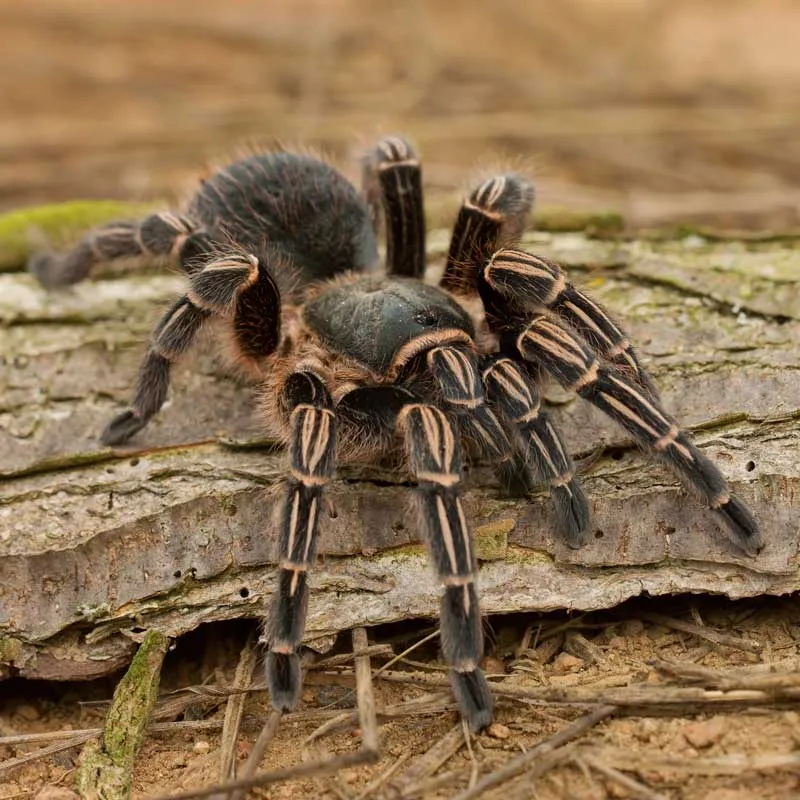
What is the Costa Rican Villa Zebra Tarantula (CVZT)
The Costa Rican Villa Zebra Tarantula, scientifically known as Aphonopelma seemanni, is a fascinating arachnid that captures the attention of both arachnid enthusiasts and casual observers. This tarantula is recognized for its striking appearance and relatively docile temperament, making it a popular choice for those interested in keeping exotic pets. The term “Villa Zebra” refers to its habitat, sometimes found near human settlements or “villas” in Costa Rica, and its distinct zebra-like markings. Understanding this creature’s characteristics, habitat, and behavior is key to appreciating its unique place in the ecosystem and the responsibilities that come with keeping one as a pet.
CVZT Characteristics
Physical Appearance

The Costa Rican Villa Zebra Tarantula is instantly recognizable due to its striking appearance. The tarantula boasts a dark brown or black body, contrasted by prominent white or yellowish stripes across its legs, resembling the pattern of a zebra. The carapace, or the upper shell of the cephalothorax, may also have a lighter coloration. These contrasting colors make it visually appealing and help with identification. The size of the tarantula can vary depending on age and sex, with mature females generally being larger than males. Their overall appearance is both intimidating and beautiful, highlighting the unique evolutionary adaptations of this species.
Size and Lifespan
The size and lifespan of the Costa Rican Villa Zebra Tarantula are noteworthy aspects of its biology. Females typically grow to be about 5 to 6 inches in leg span, while males are usually slightly smaller. In terms of lifespan, females can live for a remarkably long time, often up to 10–15 years or even longer, provided they are well-cared for. Males, on the other hand, have a significantly shorter lifespan, typically only living for a few years after reaching maturity. This difference in longevity is a common characteristic among tarantula species, highlighting the importance of the female in the continuation of the species and the selective pressures that shape their life cycles.
Habitat and Distribution
Natural Habitat

The Costa Rican Villa Zebra Tarantula is native to the dry and tropical forests of Costa Rica, as well as parts of Nicaragua and Honduras. Within this region, they prefer to inhabit burrows in the ground, often near the roots of trees or under rocks, where they can find shelter from the sun and predators. The humidity and temperature of their natural environment are crucial for their survival. The CVZT’s ability to adapt to its environment, including its burrowing behavior and nocturnal habits, is a testament to its resilience and evolutionary success in the diverse ecosystems of Central America. They often make their homes near human settlements, giving rise to their common name.
Geographical Range
The geographical range of the Costa Rican Villa Zebra Tarantula extends across several countries in Central America. They are predominantly found in Costa Rica, where they are relatively common, and also in parts of Nicaragua and Honduras. Their distribution is largely dictated by the availability of suitable habitats, including dry and tropical forests, and the presence of the prey they depend on. Understanding the geographical range of a species is essential for conservation efforts and monitoring their population health, and is also essential for understanding their natural behaviors and the potential threats they face in different parts of their habitat. Variations in climate and ecological conditions across their range can also influence their behavior and size.
CVZT Behavior and Lifestyle
Diet and Feeding Habits

The Costa Rican Villa Zebra Tarantula is a carnivorous creature that primarily feeds on insects and other invertebrates in its natural habitat. Their diet includes crickets, roaches, beetles, and sometimes even small vertebrates like lizards or small rodents when available. These tarantulas are ambush predators, waiting patiently in their burrows or near their entrances, and then quickly striking when prey comes within reach. They use their fangs to inject venom, which paralyzes their prey, after which they use digestive enzymes to liquefy and consume the meal. This feeding behavior is a key element of their survival strategy and how they maintain their energy levels to survive in their environment. Captive tarantulas require a diet that mimics their natural food source, such as commercially available crickets or roaches.
Predators and Defense Mechanisms
In their natural habitat, the Costa Rican Villa Zebra Tarantula faces a variety of predators. These include larger animals like birds, snakes, and other tarantulas. To defend themselves, they have evolved several mechanisms. One is their ability to flick urticating hairs (small irritating hairs) from their abdomen toward potential threats. Another defense mechanism is their venom, which is not lethal to humans, but it can cause local pain and discomfort. The tarantula’s speed and ability to hide in their burrows also help in avoiding predation. Understanding these defense strategies is critical to appreciating the complex interactions within the ecosystem where the CVZT lives, and how it has managed to survive in spite of various threats.
CVZT as Pets
Ideal Habitat Setup

Setting up a suitable habitat for a Costa Rican Villa Zebra Tarantula is crucial for its well-being in captivity. A well-ventilated terrarium or enclosure, approximately 10 to 20 gallons in size, is generally appropriate for an adult tarantula. The enclosure should have a substrate of coco fiber, peat moss, or a mixture of both, which helps to maintain humidity and allows the tarantula to burrow. The enclosure also needs to have a water dish with clean, fresh water and a hide, such as a cork bark, for the tarantula to retreat to and feel secure. Temperature should be kept around 75-85°F (24-29°C), with appropriate humidity levels based on the tarantula’s specific needs. Regular cleaning and maintenance of the enclosure are important for the tarantula’s health.
Feeding and Care
Feeding a Costa Rican Villa Zebra Tarantula in captivity involves providing a diet that meets its nutritional needs. Crickets, roaches, and other commercially available insects are suitable food sources. The frequency of feeding depends on the tarantula’s age and size. Spiderlings need to be fed more often, usually every few days, while adults can be fed once or twice a week. It’s important to remove uneaten food within 24 hours to maintain a clean environment. Handling should be kept to a minimum, as this can stress the tarantula. Ensuring proper humidity and temperature levels are also important aspects of tarantula care. Providing fresh water in a shallow dish is also necessary, ensuring the tarantula has access to hydration.
Common Health Issues
Like all animals, the Costa Rican Villa Zebra Tarantula can experience health issues. Common problems include dehydration, which can be prevented by providing a consistent water source and the right humidity; and molting problems, which can be caused by incorrect humidity, or a poor diet. Parasites and mites can also be problematic, which is why it’s important to quarantine new tarantulas and clean the enclosure regularly. The tarantula can also experience injuries from falls. It is important to monitor your tarantula regularly for signs of illness, such as a loss of appetite, lethargy, or unusual behavior. If you notice any of these signs, seek advice from a veterinarian specializing in exotic pets.
Conservation Status

Threats to the CVZT Population
The Costa Rican Villa Zebra Tarantula faces a number of threats that can impact its population. Habitat loss is a major concern, as deforestation and urban development reduce its natural habitat. The pet trade can also be a threat, especially if collection from the wild is unsustainable. Climate change and environmental changes are also affecting their habitat. Additionally, the use of pesticides and other chemicals in agricultural areas can contaminate their environment, and disrupt the ecosystem, affecting the tarantula’s food sources. Addressing these threats requires a multifaceted approach involving habitat preservation, regulation of the pet trade, and education to help conserve the CVZT.
Conservation Efforts
Conservation efforts for the Costa Rican Villa Zebra Tarantula involve various strategies to protect the species and its habitat. These efforts include habitat preservation through the establishment of protected areas and the promotion of sustainable land use practices. There are also efforts to regulate the pet trade, ensuring that collection from the wild is sustainable and that captive breeding programs are in place to reduce the pressure on wild populations. Public education plays a crucial role, raising awareness about the importance of tarantula conservation and promoting responsible pet ownership. Research initiatives are also being conducted to better understand the tarantula’s biology, ecology, and threats, and to develop effective conservation strategies.