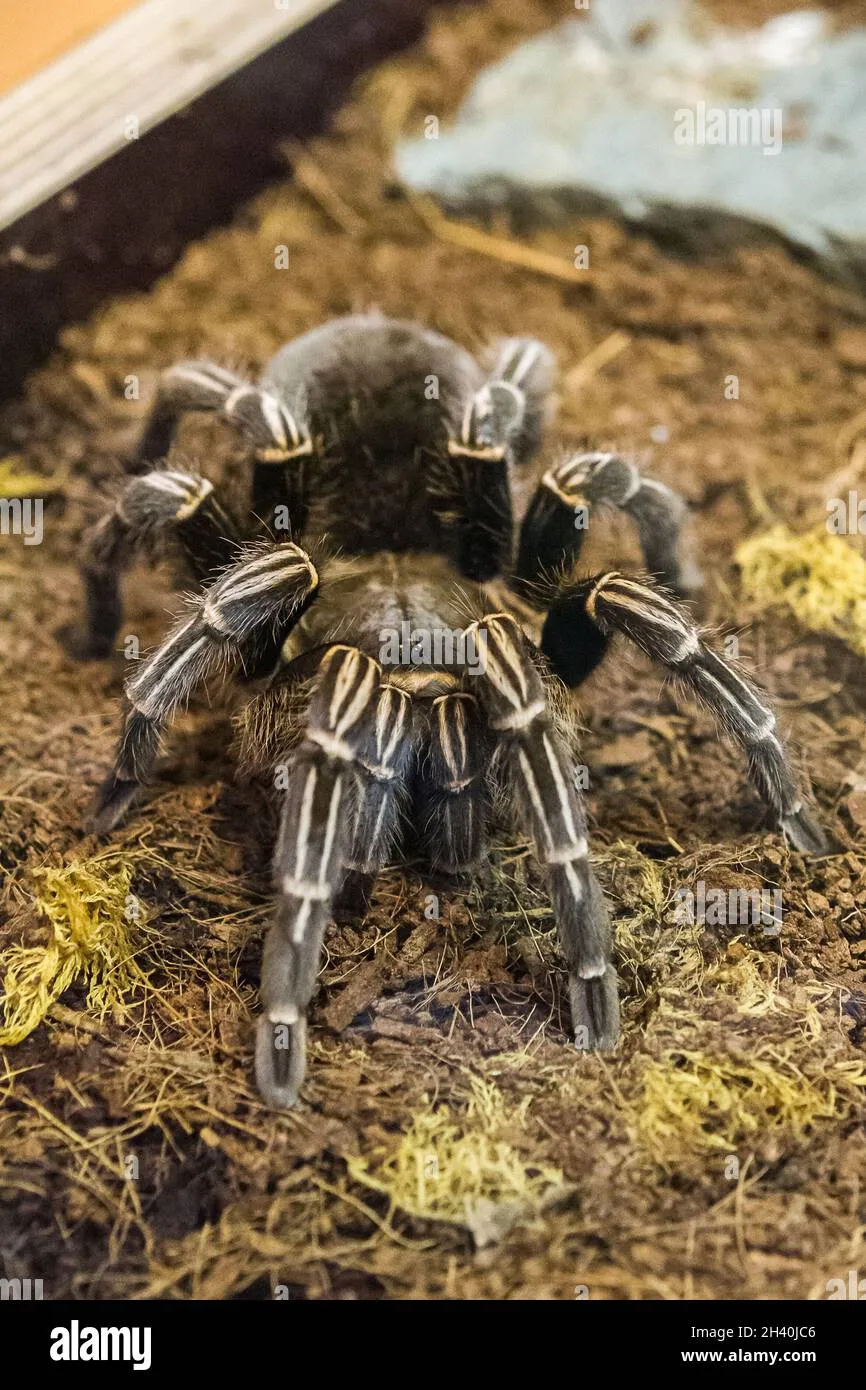
The Costa Rican Zebra Tarantula (Aphonopelma seemanni) is a captivating species, popular among tarantula enthusiasts for its striking appearance and relatively docile temperament. One of the most common questions asked by prospective owners and current keepers alike revolves around their lifespan. Understanding how long these fascinating creatures live is crucial for responsible pet ownership, allowing for proper planning and providing the best possible care. This article delves into the factors that affect the lifespan of the Costa Rican Zebra Tarantula, offering a comprehensive guide to ensure your tarantula thrives.
Understanding Costa Rican Zebra Tarantula Lifespan
Generally, the Costa Rican Zebra Tarantula has a lifespan that varies depending on several factors, the most significant being the sex of the tarantula. Female Costa Rican Zebra Tarantulas tend to live significantly longer than males. On average, a female can live for 10 to 20 years or even longer under optimal conditions. In contrast, male Costa Rican Zebra Tarantulas have a much shorter lifespan, typically living only 3 to 5 years after reaching maturity. This difference is primarily due to the biological processes involved in mating and reproduction.
Factors Influencing Lifespan
Several key factors influence the lifespan of a Costa Rican Zebra Tarantula. Providing the right environment and care can significantly extend a tarantula’s life, while neglecting these aspects can shorten it. The following sections explore these critical influences in detail, offering insights into maximizing the longevity of your pet tarantula.
Gender Differences in Lifespan
As mentioned earlier, the sex of the tarantula is a primary determinant of its lifespan. This difference stems from the biological roles each gender plays.
Male Costa Rican Zebra Tarantula Lifespan
Male Costa Rican Zebra Tarantulas have a shorter lifespan primarily because of their role in reproduction. After reaching maturity, males focus on finding a mate. Their lifespan is often limited due to the stresses of mating, the physical demands of the process, and the fact that they often stop eating as they search for a female. Once they have mated, their life cycle is typically nearing its end. This shorter lifespan makes males a somewhat ephemeral presence in the tarantula world.
Female Costa Rican Zebra Tarantula Lifespan
Female Costa Rican Zebra Tarantulas, on the other hand, have a much longer lifespan. They can live for many years, provided they receive proper care and nutrition. The female’s lifespan is less impacted by reproduction in terms of immediate mortality, as they can continue to molt and grow for many years, potentially producing multiple egg sacs throughout their life. This longevity is a significant advantage for owners who wish to enjoy their tarantula companion for an extended period. A well-cared-for female can be a long-term pet, offering years of observation and enjoyment.
Environmental Factors and Lifespan

The environment in which a Costa Rican Zebra Tarantula lives plays a crucial role in its lifespan. Maintaining the correct environmental conditions is key to ensuring the tarantula’s health and longevity. This involves carefully managing temperature, humidity, and the overall setup of the enclosure.
Temperature and Humidity
Costa Rican Zebra Tarantulas thrive in a specific range of temperature and humidity. The ideal temperature is generally between 75°F and 80°F (24°C and 27°C). Maintaining a consistent temperature is important because fluctuations can stress the tarantula and potentially shorten its lifespan. Humidity levels should be maintained at around 60% to 70%. This can be achieved by misting the enclosure lightly with water a few times a week or by providing a water dish. Accurate measurement of temperature and humidity using a reliable gauge is essential for proper care. Inadequate environmental conditions can lead to molting problems, dehydration, and other health issues, thereby reducing the tarantula’s lifespan. Consistent monitoring and adjustment are key to a healthy environment.
Enclosure Size and Setup
The size and setup of the enclosure significantly impact the tarantula’s well-being and, consequently, its lifespan. A properly sized enclosure provides ample space for the tarantula to move, molt, and behave naturally. For adults, a 10 to 20-gallon terrarium is generally recommended. The enclosure should include a substrate, such as coconut fiber or peat moss, to help maintain humidity and provide a burrowing environment. Decorations like hides (e.g., cork bark, or artificial hides) and plants (real or artificial) can provide security and enrichment, reducing stress. A cluttered, stressful environment can lead to health problems and decreased lifespan. Regular cleaning of the enclosure is also important to prevent the buildup of harmful bacteria and fungi, which can negatively affect the tarantula’s health.
Nutrition and Diet

Proper nutrition is paramount for the health and longevity of a Costa Rican Zebra Tarantula. A well-balanced diet supports growth, molting, and overall health. It is essential to provide the right food items in appropriate quantities and frequencies.
Essential Dietary Needs
Costa Rican Zebra Tarantulas are insectivores, meaning their diet consists primarily of insects. The staple diet should include a variety of appropriately sized insects, such as crickets, mealworms, roaches, and other commercially available options. It is important to vary the diet to ensure the tarantula receives a range of nutrients. Gut-loading the insects before feeding them to the tarantula is also beneficial. Gut-loading involves feeding the insects a nutritious diet (e.g., vegetables, fruits, and commercial insect food) to enhance their nutritional value before they are consumed by the tarantula. Supplements are generally not necessary if a varied and gut-loaded diet is provided.
Feeding Frequency
Feeding frequency should be adjusted based on the tarantula’s age and size. Spiderlings (young tarantulas) should be fed more frequently, possibly every other day, while adults can be fed less often, such as once or twice a week. The tarantula’s abdomen size can be a good indicator of its nutritional status. If the abdomen is plump and round, the tarantula is likely well-fed. If it is small and the tarantula appears thin, it may need more food. Always remove uneaten insects from the enclosure to prevent them from stressing or harming the tarantula. Overfeeding can also be detrimental, potentially leading to health problems.
Common Threats and Risks

Several threats and risks can impact the lifespan of a Costa Rican Zebra Tarantula. Understanding these potential hazards is crucial for providing optimal care and preventing premature death.
Predators and Natural Enemies
In their natural habitat, Costa Rican Zebra Tarantulas face predators such as birds, lizards, and larger arachnids. In captivity, the primary threat comes from improper care or accidental injuries. Providing a secure enclosure and avoiding interactions with other animals is essential. Care should be taken to avoid crushing the tarantula or allowing it to escape from its enclosure, as this could expose it to harm.
Diseases and Parasites
While generally hardy, Costa Rican Zebra Tarantulas are susceptible to certain diseases and parasites. These can be caused by poor sanitation, contaminated food, or exposure to pathogens. Fungal infections are a common issue, often resulting from high humidity and poor ventilation. Parasites can also be introduced through contaminated insects. Regularly cleaning the enclosure, providing fresh water, and ensuring proper ventilation can help prevent these issues. If a tarantula shows signs of illness (e.g., lethargy, loss of appetite, unusual behavior), it’s important to seek advice from a veterinarian experienced in exotic pets.
Molting and Its Impact

Molting is a natural process in which tarantulas shed their exoskeleton to grow. During molting, the tarantula is vulnerable. Any disruptions or issues during the molting process can be fatal. Maintaining consistent environmental conditions, avoiding disturbances, and providing a suitable environment are crucial. Insufficient humidity can lead to failed molts, where the tarantula gets stuck in its old exoskeleton. Avoiding handling the tarantula during molting and providing a secure, undisturbed environment will help ensure a successful molt, which is essential for a long and healthy life. Successful molting is a good indicator of overall health and well-being.
Signs of a Healthy Tarantula
Recognizing the signs of a healthy tarantula is crucial for providing proper care and addressing any potential issues promptly. Several indicators suggest a tarantula is thriving.
Activity Levels and Behavior
A healthy Costa Rican Zebra Tarantula will exhibit normal activity levels for its species. While they are generally not highly active, they should be alert and responsive to their environment. Normal behaviors include exploring their enclosure, creating or using a burrow, and readily accepting food. A tarantula that is consistently lethargic, unresponsive, or exhibiting unusual behaviors may be unwell and should be monitored closely.
Physical Appearance

The physical appearance of a Costa Rican Zebra Tarantula offers valuable clues about its health. The tarantula should have a well-filled abdomen, especially after feeding. The exoskeleton should be intact and free from injuries. The legs should move smoothly, and the tarantula should stand in a normal posture. The fangs should be clean and in good condition. Any signs of injury, discoloration, or unusual growths should be cause for concern and warrant further investigation. Regular inspection of the tarantula is a critical part of responsible pet ownership.
Longevity Myths vs. Reality
There are several myths and misconceptions regarding the lifespan of Costa Rican Zebra Tarantulas. Separating fact from fiction ensures owners have realistic expectations and provide appropriate care.
One common myth is that all tarantulas live for a very long time. While female Costa Rican Zebra Tarantulas can live for many years, this is not the case for males. Another misconception is that tarantulas are low-maintenance pets. In reality, they require specific environmental conditions, appropriate feeding, and careful monitoring to thrive. Another myth is that handling is good for the tarantula. Excessive handling can stress the tarantula and should be avoided.
By understanding the accurate lifespan and dispelling common myths, owners can provide the best possible care, ensuring their Costa Rican Zebra Tarantulas live long and healthy lives.