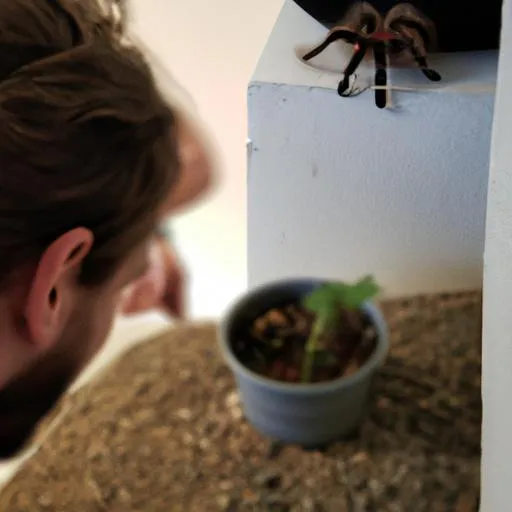
Choosing the Right Terrarium for Your Curly Hair Tarantula
Setting up a terrarium for your Curly Hair Tarantula (Tliltocatl albopilosus) is the first and most crucial step in ensuring its well-being. The right enclosure provides not only a safe and secure environment but also helps regulate essential factors like temperature and humidity. A well-designed terrarium mimics the tarantula’s natural habitat, reducing stress and promoting a healthy, active life. Choosing the right terrarium is more than just picking a container it’s about creating a comfortable and stimulating home for your pet. The size, material, and ventilation of the terrarium are all important aspects. Let’s dive into how to choose the best terrarium for your Curly Hair Tarantula.
Size Considerations
The size of your terrarium is a primary consideration. While a large enclosure might seem appealing, a terrarium that is too large can make it difficult for your tarantula to find food and feel secure. A good rule of thumb is to choose a terrarium that is roughly three times the tarantula’s leg span in width. For a juvenile or smaller adult, a 5-gallon terrarium is usually sufficient. As your tarantula grows, you can upgrade to a 10- or 20-gallon terrarium. The height of the enclosure isn’t as critical as the width, but it should be sufficient to allow for substrate and any decorative elements. The width of the enclosure is the more important metric, the more the width, the better. Providing a good amount of ground space for exploration and burrowing will greatly benefit your tarantula.
Substrate Selection

The substrate is the foundation of your tarantula’s terrarium. It serves multiple purposes providing a surface for the tarantula to walk on, helping to maintain humidity, and allowing for burrowing behavior. The ideal substrate for a Curly Hair Tarantula should hold moisture well, be non-toxic, and be safe if accidentally ingested. There are various substrate options available, each with its own pros and cons. The right choice will depend on your specific needs and preferences. You should also consider the aesthetic of the substrate.
Essential Substrate Components
A good substrate mix for a Curly Hair Tarantula often includes a combination of different materials to achieve the desired properties. Sphagnum moss is an excellent addition as it helps retain moisture and can also be used as a decorative element. Coconut fiber (coir) is another popular choice, known for its excellent moisture-holding capacity and its natural, earthy appearance. Some keepers also add a layer of vermiculite or perlite, which further enhances moisture retention and aeration. Mixing these components allows you to create a substrate that meets all of the requirements for your tarantula. You can find premixed substrate blends specifically designed for tarantulas, which can simplify the setup process.
Recommended Substrate Depth
The depth of the substrate is another critical factor. It allows the tarantula to burrow, which is a natural behavior for this species and provides a sense of security. A substrate depth of at least 4-6 inches is generally recommended for juveniles and adults. Deeper substrate allows for better moisture retention and helps maintain a more stable temperature gradient. When setting up the terrarium, make sure to compact the substrate slightly to prevent accidental collapses of burrows. The tarantula will appreciate the ability to dig and hide, so the deeper the substrate, the better. You can add a hide to the substrate, or let the tarantula create their own.
Decorating the Terrarium

Once you have chosen the terrarium and substrate, it’s time to decorate. Decoration not only enhances the aesthetic appeal of the enclosure but also provides the tarantula with enrichment and security. The right decorations can create a more natural and stimulating environment, reducing stress and encouraging natural behaviors. Aim to create a space that closely resembles the tarantula’s natural habitat. Avoid overcrowding the enclosure, as this could stress the tarantula. A well-decorated terrarium will be more visually appealing and more beneficial for your pet.
Providing Hides and Shelter
Providing hides is one of the most important aspects of decorating the terrarium. Tarantulas are naturally reclusive and need a safe place to retreat to, especially during molting. Commercially available hides, such as cork bark, hollow logs, or half-logs, are excellent choices. These provide a dark, enclosed space where the tarantula can feel secure. You can also use other items, such as artificial plants or even overturned terracotta pots, to create a hide. It’s important to ensure that the hide is large enough for the tarantula to comfortably fit inside, but not so large that it makes the tarantula feel exposed. The presence of a hide will significantly reduce stress and help your tarantula feel safe in its environment.
Adding Live or Artificial Plants
Adding plants to the terrarium not only enhances its appearance but also contributes to the humidity levels and provides additional cover for the tarantula. Live plants are a great option as they help to naturally regulate humidity and can add a touch of realism. However, live plants require proper care, including appropriate lighting and watering. If you are unsure about caring for live plants, artificial plants can be used. Artificial plants are a low-maintenance alternative that still provides cover and aesthetic appeal. Choose plants that are non-toxic and free from sharp edges that could injure your tarantula. Placing plants strategically around the enclosure can help the tarantula feel more secure and provide visual interest.
Water and Humidity Management

Proper water and humidity management is crucial for the health of your Curly Hair Tarantula. These tarantulas require a specific humidity range to thrive, and maintaining these conditions involves providing a water source and monitoring humidity levels. Without the proper levels, the tarantula can have trouble molting. Humidity levels are also important for the tarantula’s overall health and well-being, so make sure to pay close attention to these levels to avoid complications.
Water Source Options
Providing a clean water source is essential. A shallow water dish is a common and effective method. The dish should be shallow enough to prevent the tarantula from drowning, but large enough to allow it to drink comfortably. You can use commercially available water dishes designed for reptiles or small, shallow bowls. Always make sure the water is fresh and clean, replacing it regularly. Another option is to mist the enclosure lightly with a spray bottle, allowing water droplets to form on the sides of the terrarium and on any decorative elements. This provides a natural source of water for the tarantula to drink.
Maintaining Humidity Levels
Curly Hair Tarantulas thrive in moderate humidity levels, typically between 65-75%. To maintain these levels, monitor the humidity in the terrarium using a hygrometer. You can adjust humidity by misting the enclosure with water. The frequency of misting will depend on the ambient humidity in your home and the ventilation of the terrarium. In addition to misting, the substrate plays a crucial role in maintaining humidity. Ensure the substrate is kept moist but not soggy. Good ventilation is also important, as it prevents the buildup of mold and mildew. Balancing humidity and ventilation ensures a healthy environment.
Temperature and Lighting Requirements

Maintaining the correct temperature and lighting conditions is another key aspect of caring for your Curly Hair Tarantula. These conditions affect its metabolism, activity level, and overall health. Mimicking the tarantula’s natural environment is the goal, which means providing a consistent temperature gradient and appropriate lighting. Incorrect temperatures and lighting can lead to health problems and stress, so monitoring and regulating these factors are essential.
Ideal Temperature Range
Curly Hair Tarantulas prefer a temperature range between 75-85°F (24-29°C). The ambient temperature in your home may be sufficient. However, if the temperature in your home falls below the recommended range, you may need to provide supplemental heating. A heat mat placed on the side of the terrarium can provide gentle warmth. Avoid placing the heat mat directly under the terrarium, as this can cause the substrate to dry out too quickly. You can also use a low-wattage heat lamp, but be sure to monitor the temperature to prevent overheating. Use a thermometer to monitor the temperature inside the terrarium to ensure that it stays within the appropriate range.
Lighting Recommendations
Curly Hair Tarantulas are nocturnal creatures and do not require special lighting. Natural room lighting is usually sufficient. Avoid direct sunlight, as this can overheat the enclosure and stress the tarantula. If you choose to use a light source, use a low-wattage bulb and position it so that it does not directly shine on the tarantula’s hide. It is essential to maintain a natural day-night cycle for the tarantula. Avoid leaving the light on for extended periods of time. Too much light can disrupt the tarantula’s natural behavior and cause stress. Instead, focus on maintaining a consistent temperature and humidity level.
Feeding and Maintenance

Once the terrarium is set up and the environmental conditions are optimized, the final step is to ensure your Curly Hair Tarantula receives proper feeding and regular maintenance. A well-fed tarantula is a healthy tarantula. The size and type of food and how often you feed your tarantula are important factors to consider. Regular cleaning and maintenance are essential to prevent diseases and maintain a healthy environment. These tasks are easy, but they will significantly contribute to the long-term health and happiness of your pet.
Feeding Schedule
The feeding schedule will vary depending on the age of your tarantula. Juvenile tarantulas typically need to be fed more frequently than adults. As a general guideline, you can feed juvenile Curly Hair Tarantulas 2-3 times per week. Adult tarantulas can be fed once every 1-2 weeks. The size of the prey should be appropriate for the tarantula’s size. Crickets, roaches, and mealworms are common and nutritious choices. Remove any uneaten prey within 24 hours to prevent stress and potential harm to your tarantula. Observe your tarantula’s behavior and adjust the feeding schedule accordingly. A tarantula that is frequently active and alert is a well-fed tarantula.
Cleaning and Waste Removal
Regular cleaning and waste removal are essential for maintaining a healthy terrarium. Spot clean the enclosure by removing any uneaten prey, old molts, and waste. This helps to prevent the growth of mold and bacteria. Replace the substrate periodically. The frequency of substrate replacement will depend on the type of substrate and how quickly it breaks down. You should replace the substrate every 6-12 months, or sooner if it becomes excessively soiled. When replacing the substrate, remove the tarantula to a temporary holding container and carefully clean the terrarium. Thorough cleaning will prevent the buildup of harmful substances, contributing to your tarantula’s overall health.