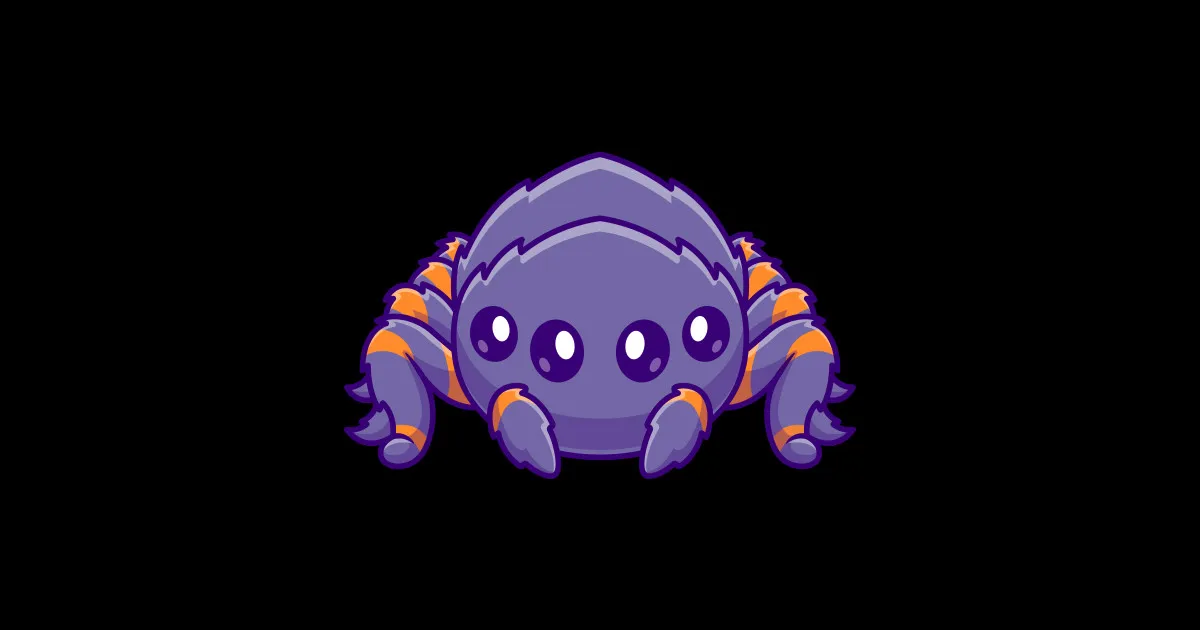
The Allure of Cute Animated Tarantulas
Cute animated tarantulas represent a fascinating intersection of the natural world and the realm of animation. These characters captivate audiences of all ages, from young children to adults, with their charming designs and engaging personalities. They offer a unique blend of the familiar and the fantastical, taking an often-feared creature and transforming it into something approachable and endearing. This article will uncover five amazing facts about the world of cute animated tarantulas, exploring their animation style, appeal, character variations, design, and the challenges animators face in bringing them to life.
Fact 1 Their Animation Style
The animation style employed for cute animated tarantulas significantly contributes to their appeal. Animators use specific techniques to soften the tarantula’s image, making it less intimidating and more inviting. This often includes the use of vibrant colors, exaggerated features, and smooth movements that diverge from the tarantula’s real-life appearance. The goal is to create a character that is instantly likable and engaging, encouraging viewers to connect with the animated tarantula on an emotional level. These stylistic choices are essential in overcoming the natural aversion many people have towards spiders.
The use of bright colors

One of the primary methods animators use to create cute animated tarantulas involves the incorporation of bright, eye-catching colors. These colors often diverge significantly from the natural, muted tones of real tarantulas. Instead of browns and blacks, animated tarantulas may feature shades of pink, blue, green, or purple, instantly making them more visually appealing. These vibrant colors not only draw the viewer’s eye but also contribute to a sense of playfulness and fantasy, distancing the character from its real-world counterpart and creating a more welcoming image. See the example in ‘bright-colored-tarantula.webp’.
Exaggerated features
Exaggerated features play a crucial role in softening the image of the tarantula. This can include oversized eyes, a rounder body shape, and more expressive features. Animators also often give the tarantula a friendly smile and make its movements less jerky and more fluid, giving a sense of approachability. This approach transforms the tarantula into a character that is cute and endearing. These features make the animated tarantula more relatable and less threatening, creating a character that viewers of all ages can easily connect with. See the example in ’exaggerated-tarantula-features.webp'.
Fact 2 Their Appeal to Children
Cute animated tarantulas have a special appeal to children, serving as an excellent form of entertainment and, in some cases, offering educational value. The characters provide a fun, engaging way for kids to learn about different creatures and their environments, often in a manner that is less intimidating than reality. The vibrant colors, friendly designs, and relatable personalities of these characters help children overcome any natural fear or aversion, creating a positive association with spiders.
Educational Value

Many animated tarantula shows and movies incorporate educational elements, subtly introducing children to the world of arachnids. The characters teach kids about the tarantula’s habitat, behavior, and unique characteristics in a fun and memorable way. This can help children learn about the importance of biodiversity, ecosystems, and respect for all creatures. Animated tarantulas present an opportunity for children to learn, removing the fear factor and creating a positive learning experience. For example, in ’tarantula-educational-fun.webp’, we can see how education and fun can be incorporated.
Entertainment and enjoyment
Above all else, cute animated tarantulas are designed to entertain and bring joy to children. The characters are often featured in stories and adventures that are exciting and engaging, encouraging children to use their imaginations. Animated shows provide children with a source of endless entertainment, filling their days with adventures and fun. They create a sense of comfort and familiarity, allowing children to develop a connection with the animated characters.
Fact 3 Various Animated Tarantula Characters
The world of animation features a wide variety of cute animated tarantula characters, each with unique designs, personalities, and stories. These characters range from original creations to adaptations of existing heroes and characters, ensuring a diverse and exciting range of animated tarantulas for viewers to enjoy. This variety provides something for everyone, allowing audiences to discover new characters or enjoy existing favourites in a new way.
Spider-Man, and other heroes or characters

One of the most popular examples of animated spiders is Spider-Man. He is a prime example of how a spider can be transformed into a heroic and relatable character. The character demonstrates the power of transforming a creature from the real world and presenting it in a heroic way. Other animated characters may feature spiders in supporting roles or as villains with unique personalities, demonstrating the versatility of animated spiders. The example image ‘animated-tarantula-character.webp’ shows various animated characters.
Video Games or TV Series
Animated tarantulas frequently appear in video games and TV series, often providing unique storylines. These characters can appear in various settings, from educational shows to action-packed adventures. Some shows feature a tarantula as the main character, while others use them in a supporting role. This diversity ensures there is something for everyone, expanding the appeal of animated spiders to a broad audience.
Fact 4 Their Unique Designs
The designs of cute animated tarantulas are as diverse as the characters themselves. Animators use various techniques to make these characters appealing. Each design choice, from the shape of the eyes to the texture of the body, influences the overall impression the character makes. The designs are carefully crafted to balance cuteness with the tarantula’s identity, resulting in characters that are both recognizable and endearing. This meticulous attention to detail is what makes each animated tarantula character so unique.
Stylized appearances

Most animated tarantulas have a stylized appearance that deviates from their real-life counterparts. The goal is to enhance their visual appeal and approachability. This can include rounder bodies, simplified limbs, and more expressive facial features. These elements make the tarantulas more visually friendly, making them easier for audiences to relate to and enjoy. The image ‘stylized-tarantula-design.webp’ provides an example.
Expressive eyes and features
The eyes and other facial features of animated tarantulas are often exaggerated to convey a wide range of emotions. This technique makes the character more engaging and allows the animators to easily create a connection with the audience. The ability to express a broad range of emotions is a critical element in creating a memorable character, making them more relatable. ’expressive-tarantula-eyes.webp’ illustrates this element.
Fact 5 The Challenges of Animating Spiders
Animating tarantulas presents many unique challenges, mostly due to their complex anatomy and movement patterns. Animators must balance the need to create a realistic character with the desire to create a cute and appealing design. This often requires a deep understanding of spider biology, physics, and animation techniques. Overcoming these challenges is essential in creating compelling animated tarantula characters that viewers will connect with.
Complex Movements

Tarantulas have eight legs, which creates challenges for animators when replicating their movements. Getting the movement right is essential to make the character look natural. Animators must study the movement patterns of real tarantulas to make sure their animated counterparts move believably. The animation of spiders can be very complex, requiring careful attention to detail and a deep understanding of their biomechanics.
Maintaining appeal
While accuracy is important, animators also have to maintain the cute and appealing image of the tarantula. The key is to balance realism and charm, ensuring that the character remains both visually interesting and lovable. The goal is to create a character that is both true to life and entertaining, without the audience feeling scared. This balance is key to the success of cute animated tarantulas.
In conclusion, cute animated tarantulas are a testament to the power of animation to transform the ordinary into the extraordinary. By utilizing creative animation techniques, unique character designs, and engaging storylines, animators have successfully created characters that charm audiences. From vibrant colours and exaggerated features to educational value and relatable personalities, these animated creatures have captured the hearts and imaginations of viewers worldwide. The next time you encounter a cute animated tarantula, remember the many facets that bring these characters to life.