What is a Dark Blue Tarantula?
The dark blue tarantula, scientifically known as Cyriopagopus lividus, is a captivating arachnid species celebrated for its striking coloration and unique characteristics. Native to the tropical forests of Myanmar and Thailand, this tarantula has garnered significant attention from both arachnid enthusiasts and the wider public. Their mesmerizing appearance and fascinating behaviors have made them a subject of interest and admiration. These spiders are not only visually stunning but also play an essential role in their ecosystems, contributing to the balance of local biodiversity. Understanding the basics of the dark blue tarantula is the first step in appreciating its beauty and the need to protect this amazing species.
Appearance & Characteristics
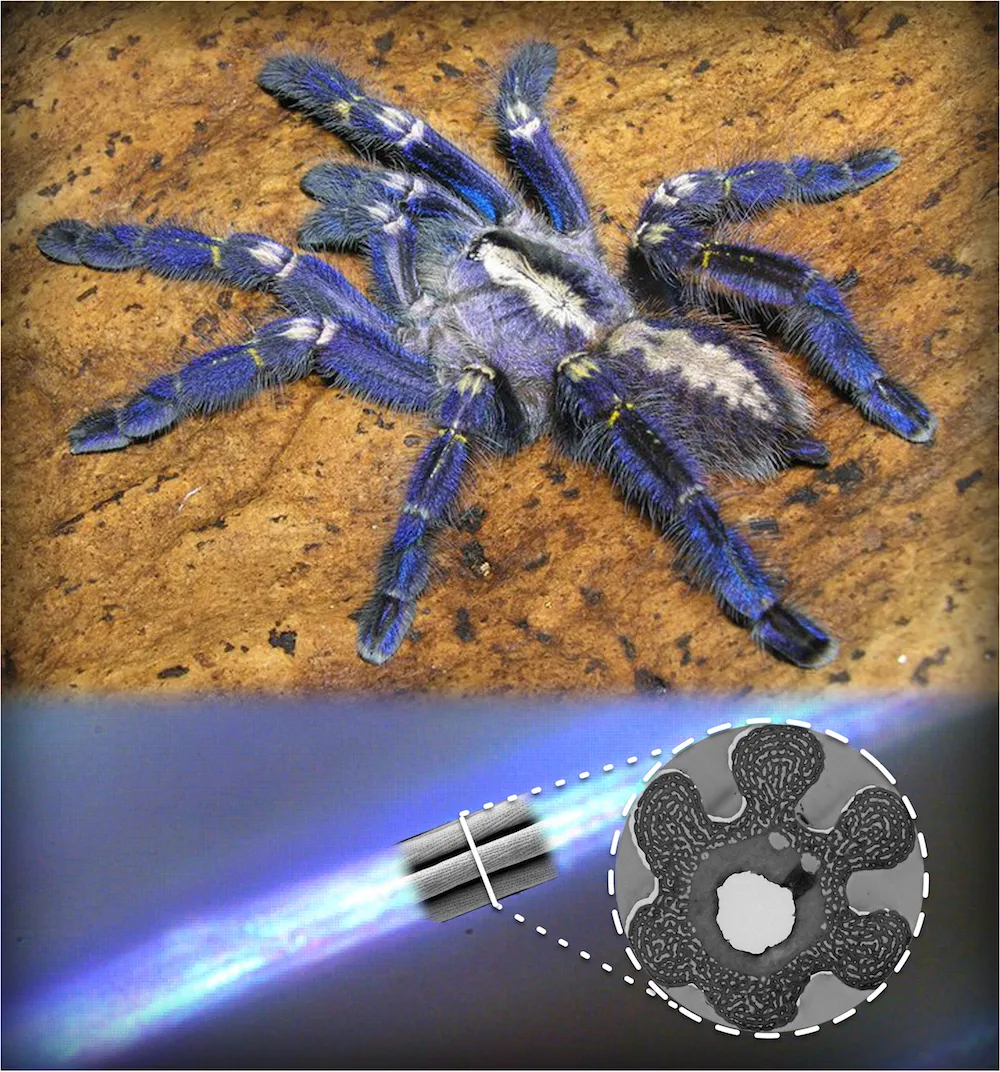
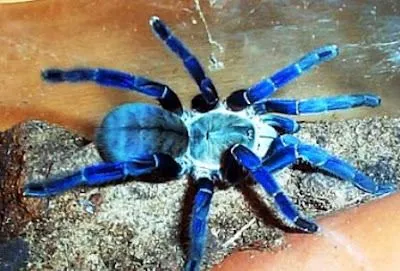
The dark blue tarantula’s most distinguishing feature is its vivid blue coloration, which sets it apart from many other tarantula species. The intensity of the blue can vary slightly depending on the individual spider’s age, health, and the lighting conditions. This coloration is not merely a cosmetic trait; it serves a purpose in the spider’s survival, possibly as a form of camouflage within its environment. Beyond color, these tarantulas possess the typical characteristics of their family, including eight legs, a two-part body (cephalothorax and abdomen), and the ability to spin silk. Their size can range from medium to large, with a leg span that can reach up to six inches. The combination of their color and size makes them an impressive sight.
Identifying Features

Identifying a dark blue tarantula involves more than just observing its color. The species exhibits other specific characteristics that help distinguish it from other tarantulas. Look for the distinct pattern of hairs and the shape of its body, including the proportions of the cephalothorax and abdomen. The presence of urticating hairs, used for defense, is another key feature. Examining the overall appearance, including the arrangement of the eyes and the structure of the chelicerae (mouthparts), can aid in accurate identification. While the blue hue is a primary identifier, it’s crucial to consider these additional factors for correct species recognition.
Geographical Distribution
Dark blue tarantulas are primarily found in Southeast Asia, with their natural habitat concentrated in the tropical forests of Myanmar and Thailand. Their distribution is limited, and they are not widely dispersed across the region. Understanding their geographical range is crucial for conservation efforts and habitat preservation. The specific environmental conditions of their native habitats, including temperature, humidity, and vegetation, are essential for their survival. Due to the limited natural range, any changes or threats to these specific areas can have a significant impact on the tarantula population. This limited range also contributes to their vulnerability and need for protection.
Where They Live
Dark blue tarantulas are primarily terrestrial spiders, preferring to live in burrows or under rocks, logs, and within the roots of trees. They are adapted to the humid, warm climate of their native environments. Their habitat choices often reflect their need for shelter from predators and the regulation of their body temperature. The specific microhabitats they occupy are critical, as these environments provide essential resources for survival, including shelter, moisture, and access to prey. The presence of specific vegetation and soil conditions contributes to their habitat’s suitability. Preserving their natural habitats is essential for the long-term survival of this fascinating species.
Fact 1 Exquisite Coloration

The dark blue tarantula’s vibrant coloration is perhaps its most remarkable attribute. The striking blue hue, which can range from a deep, almost navy shade to a lighter, more electric tone, is a result of the arrangement of pigments and the structural properties of the hairs on their bodies. This unique color has captivated the attention of both scientists and hobbyists, turning this tarantula into one of the most sought-after species in the exotic pet trade. The intensity of the blue varies depending on factors such as lighting and the individual spider’s age, adding to the appeal and distinctiveness of each specimen. This visual beauty underscores the wonders of nature and the diverse array of colors present in the animal kingdom.
The Unique Blue Hue
The vivid blue color of the dark blue tarantula is not a result of pigments alone, but also due to the structure of their hairs. These hairs scatter and reflect light in a way that creates the striking blue appearance. This phenomenon, known as structural coloration, is a fascinating example of how physical structures can produce vibrant colors, offering a captivating display of nature’s engineering. This complex process contributes to the tarantula’s unique beauty, which has fueled interest in the species among biologists, artists, and enthusiasts. This coloration is not only beautiful but also likely plays a role in the tarantula’s survival, possibly aiding in camouflage or communication.
Why the Color Matters
The function of the blue coloration is still a subject of scientific inquiry. While its exact purpose remains somewhat uncertain, the color may provide a form of camouflage, helping the tarantula blend with its surroundings, particularly the dappled light in its forest habitat. Some theories suggest that the blue color could play a role in intraspecies communication or mate selection, although this is less understood. The striking coloration may also serve as a warning signal to potential predators. Understanding the significance of this color is important for fully appreciating the species. Further research will uncover the complexities of the blue coloration and its role in the tarantula’s life.
Fact 2 Nocturnal Hunter

Dark blue tarantulas are primarily nocturnal hunters, meaning they are most active during the night. This behavior is an adaptation to their environment, where hunting at night offers several advantages. During the cooler hours of the night, the tarantulas can conserve energy and avoid the heat of the day. Their nocturnal lifestyle allows them to avoid predators and ambush prey more effectively. This hunting pattern is a key element of their behavior, and understanding it helps in appreciating their survival strategies. The combination of nocturnal habits and efficient hunting techniques makes them skilled predators in their natural habitats.
Hunting Strategies
As nocturnal hunters, dark blue tarantulas typically use a sit-and-wait approach to capture their prey. They construct burrows or hide in sheltered locations, such as under rocks or logs, where they patiently await the arrival of potential meals. When prey gets within striking distance, the tarantula swiftly ambushes, using its fangs to inject venom and subdue its target. Their hunting success relies on their acute sensory abilities, including the ability to detect vibrations and movements in their surroundings. The combination of patience, stealth, and speed makes them effective hunters in their native environments. They are well-adapted to their hunting style, using a variety of sensory inputs to locate and capture prey.
Preferred Prey
The diet of the dark blue tarantula primarily consists of insects and other invertebrates. They feed on a variety of prey, including crickets, cockroaches, beetles, and other small creatures that are readily available in their habitat. The tarantula’s diet can also include larger prey, such as small lizards or even baby mice, especially in captivity. The size and type of prey they consume depend on the tarantula’s age and size. Captive tarantulas are generally fed a varied diet of insects, ensuring they receive essential nutrients for healthy growth and development. Maintaining a diverse diet in captivity is vital for these spiders’ overall health, as it mimics their natural food sources.
Fact 3 Lifespan & Growth

Dark blue tarantulas have a relatively long lifespan compared to many other spider species. Females can live for 12 to 15 years in the wild and even longer in captivity. Males, on the other hand, typically have a shorter lifespan, often only living for a few years after reaching maturity. The longevity of these tarantulas is a testament to their adaptability and resilience. The growth of a dark blue tarantula is marked by a process called molting, where they shed their exoskeletons. This growth is a vulnerable time for the tarantula, but it is essential for their development and survival.
Molting Process
Molting is a crucial part of the dark blue tarantula’s life cycle, as it allows them to grow and replace their exoskeleton. During this process, the tarantula sheds its outer layer, which is a rigid covering that limits their growth. Prior to molting, the tarantula may appear lethargic and stop eating. They will typically lie on their backs, exposing their soft, new exoskeleton as they shed their old one. This period of vulnerability is a critical phase in their life cycle. The molting process is energy-intensive and requires the tarantula to remain still and protected. After molting, the tarantula’s new exoskeleton will harden over time. This cycle repeats throughout their lives, allowing them to grow larger and adapt to their environment.
Average Lifespan
The average lifespan of a dark blue tarantula varies between males and females. Females typically have a significantly longer lifespan, often living for over a decade, while males have a much shorter lifespan, generally only surviving for a few years after reaching sexual maturity. This difference in longevity is common in many spider species. The lifespan is also influenced by environmental factors, such as habitat conditions and access to resources. In captivity, the lifespan can be optimized through proper care, including regulated temperature, humidity, and a balanced diet. Understanding their lifespan is essential for both conservation and responsible pet ownership.
Fact 4: Defense Mechanisms

Dark blue tarantulas have several defense mechanisms that they use to protect themselves from predators. These mechanisms include the use of urticating hairs and, in some cases, a bite. Urticating hairs are specialized hairs on their abdomen that they can flick off when threatened, causing irritation and discomfort to predators. They also possess fangs and can deliver a bite if necessary, injecting venom that, while not lethal to humans, can be painful. Their primary defense strategy is to retreat into their burrows or under cover. These defenses help them to survive in their natural habitat.
Urticating Hairs
Urticating hairs are a crucial defense mechanism for dark blue tarantulas, offering a layer of protection against potential threats. These hairs, which are located on the abdomen, are barbed and easily dislodged when the tarantula feels threatened. When these hairs come into contact with the skin or eyes of a predator, they cause irritation and itching, deterring the predator. The hairs are a significant deterrent against larger animals that might attempt to eat the tarantula. Handling tarantulas should be done with care to avoid being exposed to these hairs, as they can cause discomfort. They play a key role in the survival strategy of these tarantulas.
Bite & Venom
Dark blue tarantulas, like all tarantulas, can bite if they feel threatened or are provoked. Their bite is typically not life-threatening to humans, but it can be painful and cause localized symptoms such as redness, swelling, and itching. Their venom is primarily used to subdue their prey, and the effects on humans are usually mild. While a bite is rare, it is still important to exercise caution when handling these tarantulas. In case of a bite, it is advisable to clean the area thoroughly and seek medical attention if symptoms worsen or if an allergic reaction occurs. Understanding the risks associated with their bite is essential for responsible pet ownership and interactions with this species.
Fact 5 Conservation Status

The dark blue tarantula faces several threats to its survival, which has led to concerns about its conservation status. Deforestation, habitat loss, and the illegal pet trade are the primary factors impacting its populations in the wild. Due to its limited geographic distribution and specialized habitat requirements, this species is vulnerable to environmental changes and human activities. Protecting this species requires ongoing conservation efforts, which include habitat preservation, regulation of the pet trade, and education about the importance of biodiversity. These spiders’ survival depends on collaborative efforts to mitigate threats and safeguard their populations.
Threats to Their Habitat
Deforestation and habitat loss are significant threats to the dark blue tarantula’s survival. The conversion of their natural habitat, the tropical forests of Southeast Asia, into agricultural land, and other developments reduces the tarantulas’ living space and resources. The loss of forests also leads to fragmentation of their habitat, isolating populations and limiting their ability to breed and thrive. Climate change adds further pressure, as it alters temperature, humidity, and rainfall patterns. Preserving and restoring their natural habitat is critical to ensure the species’ long-term survival.
Conservation Efforts
Conservation efforts play a crucial role in protecting the dark blue tarantula and ensuring its survival. These efforts include protecting and restoring their natural habitats by establishing protected areas and combating deforestation. Regulating the international pet trade to prevent over-collection and ensure that individuals are acquired from sustainable sources is essential. Public education campaigns are also vital, increasing awareness about the importance of biodiversity. Research and monitoring projects, helping to understand their biology and population dynamics, are also part of the effort. Supporting these conservation efforts ensures the future of this stunning species.
Conclusion
The dark blue tarantula stands as a remarkable example of the beauty and diversity found in nature. Its unique appearance, fascinating behaviors, and essential role within its ecosystem make it a subject of great interest. Appreciating these amazing creatures starts with understanding their unique characteristics, habitats, and threats. By learning more about the dark blue tarantula, we can better understand the value of conservation and the importance of protecting their natural environments. Through collaborative efforts, we can help ensure the long-term survival of this stunning and captivating species. The dark blue tarantula reminds us of the interconnectedness of life and the importance of protecting the world’s biodiversity.