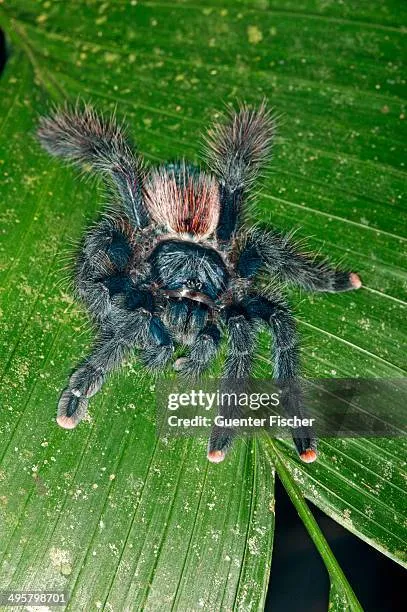
Escaped Pink Toe Tarantula? Top 5 Things To Do!
Finding your pink toe tarantula has escaped can be a stressful experience, but staying calm and acting quickly can significantly increase the chances of a successful reunion. Pink toe tarantulas are arboreal creatures and are relatively small, which means they can squeeze into tight spaces, making them tricky to locate. This guide will walk you through the essential steps to take immediately after discovering your pink toe tarantula is on the loose, ensuring both your safety and the tarantula’s well-being. Following these steps will help you manage the situation effectively and bring your pet back home safely. Remember, your quick actions can make all the difference in this situation. Don’t panic, and carefully follow the advice provided to find your missing pink toe tarantula and secure it again.
Immediately Secure the Area
The first and most crucial step is to secure the area immediately. This prevents the tarantula from further escaping into other parts of your home or even outside. Rapid action at this stage can make the search more manageable and prevent the tarantula from getting lost or encountering hazards. The primary goal here is to limit the tarantula’s movement and create a confined search space. By focusing on immediate containment, you increase your chances of a quick and safe recovery of your pet. This crucial initial step sets the stage for a successful search and keeps both you and the tarantula safe from potential harm.
Close All Doors and Windows

Start by closing all doors and windows in the room where the escape occurred. This prevents the tarantula from leaving the room and potentially escaping the house. If possible, seal any gaps under doors with towels or blankets to further prevent escape. Windows should be firmly shut and latched. This is an essential step to ensure that the tarantula remains within a controlled environment, making the search easier and more effective. Make sure every possible exit is blocked, giving you the best chance of finding your pink toe tarantula safely.
Turn Off Any Air Vents or Fans
Air vents and fans can create drafts that might push the tarantula into hidden spaces or, in extreme cases, out of the room. Shutting off these systems eliminates this risk and reduces potential hiding spots. Ensure that no air is circulating, as this reduces the areas your pet can potentially go. This measure enhances the safety of your search operation and minimizes the potential for the tarantula to get lost in hard-to-reach locations. Turning off air vents and fans is a simple yet effective step to support your search efforts.
Conduct a Thorough Search
Once the area is secured, begin a detailed search. Pink toe tarantulas are masters of hiding, so you must be diligent and thorough. Start by examining the immediate surroundings of the enclosure, looking for any sign of the tarantula. The more careful and detailed your search, the higher your chances of finding your pet. Remember to remain calm and patient during the search, as panic can make it harder to spot the tarantula. Patience and attention to detail are crucial for finding your escaped pink toe tarantula.
Check Common Hiding Spots

Tarantulas often seek out dark, secluded places. Focus your search on these areas first. Common hiding spots include under furniture, behind appliances, inside shoes, and near walls. Use a flashlight to look into dark corners and crevices. Pink toe tarantulas like to climb, so check high locations like curtains, bookshelves, and the tops of furniture. Examine all potential hiding places systematically, and carefully move items to check underneath them. Thoroughly checking common hiding spots is a proactive measure that greatly enhances your chances of a quick and successful reunion.
Inspect Dark and Enclosed Spaces
Tarantulas are drawn to dark, enclosed spaces. Inspect these locations carefully. Look inside drawers, cabinets, and closets. Check behind and under electrical equipment, such as computers and entertainment systems, as they can offer warmth and security. Be particularly attentive to areas that offer both darkness and shelter. Using a flashlight, examine these spaces meticulously. Taking your time will ensure you don’t miss any potential hiding spots. Don’t forget to check the underside of furniture, along baseboards, and any other areas that could provide a sense of security for the tarantula.
Use Traps (Optional)
If you are unable to find your tarantula immediately, consider setting up traps. This is particularly helpful if you suspect the tarantula is hiding in an area difficult to search. The traps can help you catch the tarantula if you cannot locate it directly, allowing you to retrieve your pet without further delays. This can be a successful method for safely capturing your pet without causing any harm or stress. Make sure to check the traps regularly and be prepared to handle the tarantula carefully when found.
Employ Sticky Traps

Sticky traps, typically used for insects, can be effective in catching a wandering tarantula. Place these traps in areas where you suspect the tarantula might be hiding or traveling. Make sure to use non-toxic sticky traps to protect the tarantula. Check the traps frequently to monitor for any captures. If a tarantula is found, carefully remove it from the trap, using vegetable oil to loosen the adhesive if necessary, and return it to its enclosure. Properly handling the tarantula is crucial to ensure both the tarantula and your own safety. Remember to check the traps regularly to prevent the tarantula from remaining stuck for an extended period.
Set Up a Containment Area
If you cannot find the tarantula immediately, consider setting up a containment area with the enclosure open and a heat source. This can attract the tarantula back to its home. Keep the enclosure in a visible and easily accessible location. The tarantula may return to the enclosure to seek shelter and warmth. This technique leverages the tarantula’s natural instincts. Setting up a containment area is a safe and effective method to lure your escaped pink toe tarantula back, offering a secure and familiar environment for your pet. It also allows you to monitor for its return without the stress of constant searching.
Maintain a Calm Demeanor
It’s easy to panic when a pet escapes, but staying calm is crucial for a successful recovery. Your stress can escalate the situation, making it harder to think clearly and search effectively. Take deep breaths and approach the search methodically. Keeping a calm state allows you to focus on the steps required to locate and safely return your tarantula to its enclosure. A calm and composed attitude will help you manage the situation more effectively and prevent any potential injuries to yourself or your pet. Remember, your calmness is a key element in this situation.
Contact Experts If Needed

If you have exhausted all your efforts without success, don’t hesitate to seek expert assistance. Contact your local pet store, veterinarian, or a specialist in exotic animals. They can provide advice and potentially help in the recovery process. These professionals can offer additional insights, tools, or strategies. Reaching out to experts demonstrates responsible pet ownership and shows your dedication to finding your lost pet. Their knowledge can be invaluable in these situations, ensuring a safe and effective recovery. Seeking professional help is often the most effective way to ensure your tarantula’s safe return.
Finding your pink toe tarantula after it escapes can be a challenging experience, but following these steps can make the process easier and more successful. Remember to remain calm, secure the area, conduct a thorough search, and be patient. Utilizing traps if necessary and seeking expert help when needed are also valuable strategies. By taking immediate action and employing these techniques, you can increase your chances of safely recovering your pet. With these guidelines, you can handle the situation effectively and keep your pink toe tarantula safe. Good luck!