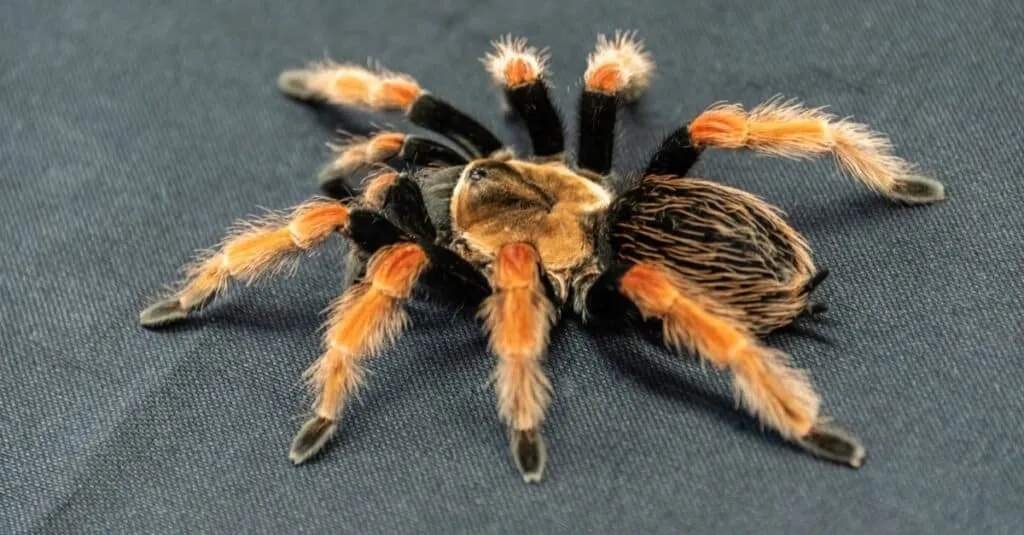
Red Knee Tarantula Feeding Essentials
Feeding your Red Knee Tarantula is a crucial part of responsible pet ownership, directly impacting their health, growth, and overall well-being. These captivating creatures, native to the arid regions of Mexico, have specific dietary needs that must be met to ensure they thrive in captivity. Providing the right food, in the correct amounts, and with the appropriate frequency is vital. This guide provides essential tips on how to feed your Red Knee Tarantula, covering everything from the best food choices to safe handling practices. Understanding their natural behaviors and dietary preferences allows you to create an environment where your tarantula can flourish. The following sections detail the key aspects of feeding, including food selection, frequency, and safety precautions, empowering you to provide the best possible care for your pet tarantula.
Choosing the Right Food
The diet of a Red Knee Tarantula primarily consists of insects. The size of the insect should be appropriate for the tarantula’s size; the general rule is to feed prey that is no larger than the tarantula’s abdomen. Variety is also key to a balanced diet, so offering different types of insects can contribute to overall health. It’s essential to ensure that the insects are gut-loaded before feeding, as this increases their nutritional value for your tarantula. Gut-loading involves feeding the insects a nutritious diet, such as commercial insect food or fresh vegetables, for at least 24 hours before they are offered to your tarantula. This process enriches the insects with essential vitamins and minerals, which are then passed on to your tarantula, promoting optimal health and growth.
Live Insects

Live insects are the preferred food source for Red Knee Tarantulas, as they stimulate the tarantula’s natural hunting instincts. Crickets, mealworms, and roaches are popular choices, but the best options may vary depending on availability and your tarantula’s preferences. When selecting live insects, it’s crucial to consider the size and nutritional value. Crickets, for instance, are readily available and offer a good source of protein, while mealworms, though high in protein, are also high in fat, so they should be offered in moderation. Roaches such as Dubia roaches, are also a nutritionally balanced option. Always make sure the insects are free from pesticides and other harmful chemicals. Before feeding live insects, ensure they are gut-loaded to provide maximum nutritional value to your tarantula. Observe your tarantula’s feeding behavior and remove any uneaten insects after 24 hours to avoid stressing your pet.
Pre-Killed Prey
Pre-killed prey can be a convenient alternative to live insects, especially for beginner keepers or when live insects are difficult to obtain. Pre-killed insects minimize the risk of injury to the tarantula from a live insect, which can occur if the prey is too large or aggressive. Insects should be fresh and, if possible, still warm when offered to the tarantula. While pre-killed prey is less stimulating for the tarantula’s hunting instincts, it provides the necessary nutrients. Always monitor your tarantula to ensure it is eating the pre-killed prey, and remove any uneaten portions to prevent mold and maintain the cleanliness of the enclosure. While convenient, pre-killed prey should be considered a supplement rather than a primary food source, and the occasional use of live prey will provide a more stimulating experience for your tarantula.
Feeding Frequency
The frequency of feeding your Red Knee Tarantula depends on its age and size. Young, growing tarantulas require more frequent feeding, while adults can go longer between meals. Overfeeding can lead to obesity and health issues, while underfeeding can stunt growth. It is crucial to strike a balance. Proper monitoring and a good understanding of your tarantula’s specific needs will help determine the optimal feeding schedule. Factors like the tarantula’s molting cycle, environmental conditions, and individual appetite also influence the ideal feeding frequency. Regular observation of your tarantula’s abdomen can help you to judge whether it is well-fed, as a healthy tarantula will have a noticeably round abdomen, while a thin abdomen might indicate that the tarantula needs more food.
Feeding Schedule for Growing Tarantulas

Younger Red Knee Tarantulas, particularly spiderlings and juveniles, have a faster metabolism and require more frequent feeding. Spiderlings should be fed small, appropriately sized insects every 2-3 days. As the tarantula grows, you can gradually increase the size of the prey and decrease the feeding frequency to once or twice a week. Consistent feeding helps support the rapid growth phase of these tarantulas, but it is vital to avoid overfeeding. The tarantula’s abdomen should be slightly larger than its carapace after feeding. Regularly monitor the tarantula’s growth and adjust the feeding schedule accordingly. A well-fed juvenile tarantula will also be more likely to molt successfully, which is crucial for their growth and development. Remember to always remove any uneaten food after 24 hours to maintain a clean and healthy environment.
Feeding Schedule for Adult Tarantulas
Adult Red Knee Tarantulas have a slower metabolism and can be fed less frequently. Adult tarantulas should be fed once every 1-2 weeks, depending on their appetite and size. Overfeeding adult tarantulas can be detrimental, as it can lead to obesity, which can shorten their lifespan and cause health issues. During molting, adult tarantulas will typically refuse food; therefore, it’s important to avoid offering food during this time. Providing an appropriately sized meal every couple of weeks is usually sufficient to meet their nutritional needs. Always pay attention to your tarantula’s abdomen size; if it appears too full, you can reduce the frequency of feeding. Regularly observe your adult tarantula to assess its overall health and well-being. Keep in mind that, like many spiders, they can survive for extended periods without food, but consistent care supports a long and healthy life.
Proper Feeding Techniques
Feeding your Red Knee Tarantula correctly is as important as the food itself. This involves using appropriate tools, observing your tarantula’s behavior, and maintaining a clean and safe environment. Proper techniques reduce the risk of injury to both the tarantula and the keeper and encourage a healthy feeding response. Always handle live prey carefully to avoid escapes and potential issues. Regularly assess the tarantula’s behavior before and after feeding to monitor their health and identify any issues. A methodical and observant approach to feeding will foster a safe and positive experience for both you and your pet.
Using Feeding Tongs

Feeding tongs are an essential tool for feeding Red Knee Tarantulas. They allow you to present the food safely, minimizing the risk of getting bitten. Tongs are especially useful when offering pre-killed prey or when handling live insects that might be too fast for the tarantula to catch on its own. Ensure that the tongs are long enough to keep your hands a safe distance from the tarantula’s fangs. The tips of the tongs should be smooth and without sharp edges that could potentially harm the tarantula. Gently offer the food near the tarantula, allowing it to grab the prey. Always remove any uneaten food with tongs after 24 hours to prevent mold growth and maintain the cleanliness of the enclosure. Cleaning and disinfecting the tongs after each use is crucial for preventing the spread of any potential pathogens, thus maintaining a healthy environment for your tarantula.
Observing Your Tarantula
Observing your Red Knee Tarantula’s behavior is a crucial part of the feeding process. Before feeding, observe if your tarantula is in a pre-molt stage, which can often be indicated by a lack of appetite and lethargy. During molting, tarantulas are very vulnerable and should not be disturbed. When feeding, watch how your tarantula responds to the prey. A healthy tarantula will typically move towards the food and quickly subdue it. If your tarantula shows no interest in eating, it might be full, stressed, or preparing to molt. After feeding, observe the tarantula for signs of regurgitation or any unusual behavior. Regular observation allows you to detect potential health issues early on, ensuring your tarantula receives the best possible care and lives a long, healthy life. Keeping a record of the feeding schedule and behavior can help you notice any changes.
Water and Hydration
Water is just as essential as food for your Red Knee Tarantula. Providing a clean, fresh water source helps maintain hydration and aids in molting. Dehydration can lead to health problems, while proper hydration supports the overall well-being and health of the tarantula. Ensure that the water source is accessible and regularly cleaned to prevent the growth of bacteria and other pathogens. Regular water availability is an important part of the overall care routine, fostering the long-term health and happiness of your pet.
Importance of Fresh Water

Fresh, clean water is vital for your Red Knee Tarantula’s health. Always provide a shallow water dish, as deep water dishes can pose a drowning hazard. Change the water daily or as needed to keep it clean and free of debris. Tap water can be used if it is dechlorinated; otherwise, use bottled water. Ensure the water dish is stable and won’t tip over. Regular water changes are important for preventing bacterial growth and ensuring that your tarantula has access to safe drinking water. Regular maintenance and water checks are essential for promoting a healthy and thriving environment for your pet. A consistently available water source is critical for their hydration and overall health.
Maintaining Humidity
Red Knee Tarantulas need a certain level of humidity to thrive. Maintaining the right humidity levels aids in successful molting and supports their overall health. Mist the enclosure regularly, typically once or twice a week, depending on the environmental conditions and the ventilation of the enclosure. Use a hygrometer to monitor the humidity levels. The ideal humidity range for Red Knee Tarantulas is typically between 60% and 70%. Avoid over-misting, as this can lead to excessive humidity and the growth of mold and bacteria. Proper ventilation is also critical for maintaining the appropriate humidity levels and preventing stagnant air. Careful monitoring of humidity levels and regular maintenance will ensure that your tarantula stays healthy and thrives.
Handling and Safety
Handling your Red Knee Tarantula should be approached with caution. While these tarantulas are generally docile, they can bite if they feel threatened. Understanding how to handle them safely, and knowing when to avoid handling, is crucial for both your safety and the tarantula’s well-being. The best approach is to avoid handling the tarantula unless absolutely necessary, as it can be stressful for the animal. If you must handle your tarantula, be prepared, and understand the risks.
Avoiding Bites

To avoid being bitten by your Red Knee Tarantula, approach them with respect and caution. Do not make sudden movements or attempt to handle them if they appear stressed or agitated. Avoid putting your hands or fingers in the enclosure unless necessary. If handling is required, use feeding tongs to gently coax the tarantula into a container. If a bite occurs, it is usually painful, but not generally life-threatening. The bite itself is similar to a bee sting. However, individual reactions can vary. Wash the area thoroughly with soap and water. If you experience any severe reactions, seek medical attention. Always practice safety measures and understand the risks before interacting with your tarantula. Recognizing signs of stress in the tarantula, such as a defensive posture, allows you to avoid potential bites.
Safe Handling Practices
When handling Red Knee Tarantulas, use gentle and slow movements. Avoid grabbing them or causing any sudden disturbances. If you need to move your tarantula, use a clear container, such as a plastic deli cup or a specialized tarantula handling container. Gently coax the tarantula into the container. Avoid forcing the tarantula. Always supervise children when they are near the enclosure. Wash your hands thoroughly before and after handling. This will help prevent the spread of bacteria or any potential harm to your pet. Always keep a safe distance from the tarantula’s fangs, and never put your face close to the enclosure. Respect the tarantula’s boundaries, and handle it only when necessary and with extreme care. Prioritizing safety minimizes the risk of injury to both you and your pet.
Recognizing a Hungry Tarantula
Observing your Red Knee Tarantula’s behavior can help you identify when it is hungry. While tarantulas don’t necessarily exhibit the same signs of hunger as other pets, certain behaviors can indicate that it’s time for a meal. A hungry tarantula will often be more active, especially at night when they are most active. They may be seen wandering around their enclosure, exploring and searching for food. When you offer prey, a hungry tarantula will react with a strong feeding response, quickly grabbing and subduing the insect. They may also be more likely to eat their prey readily. Regularly monitor your tarantula’s abdomen; a slightly rounded abdomen often indicates it is well-fed. Paying attention to these clues will help you understand your tarantula’s feeding habits and provide the right amount of food.