What are Florida Tarantulas
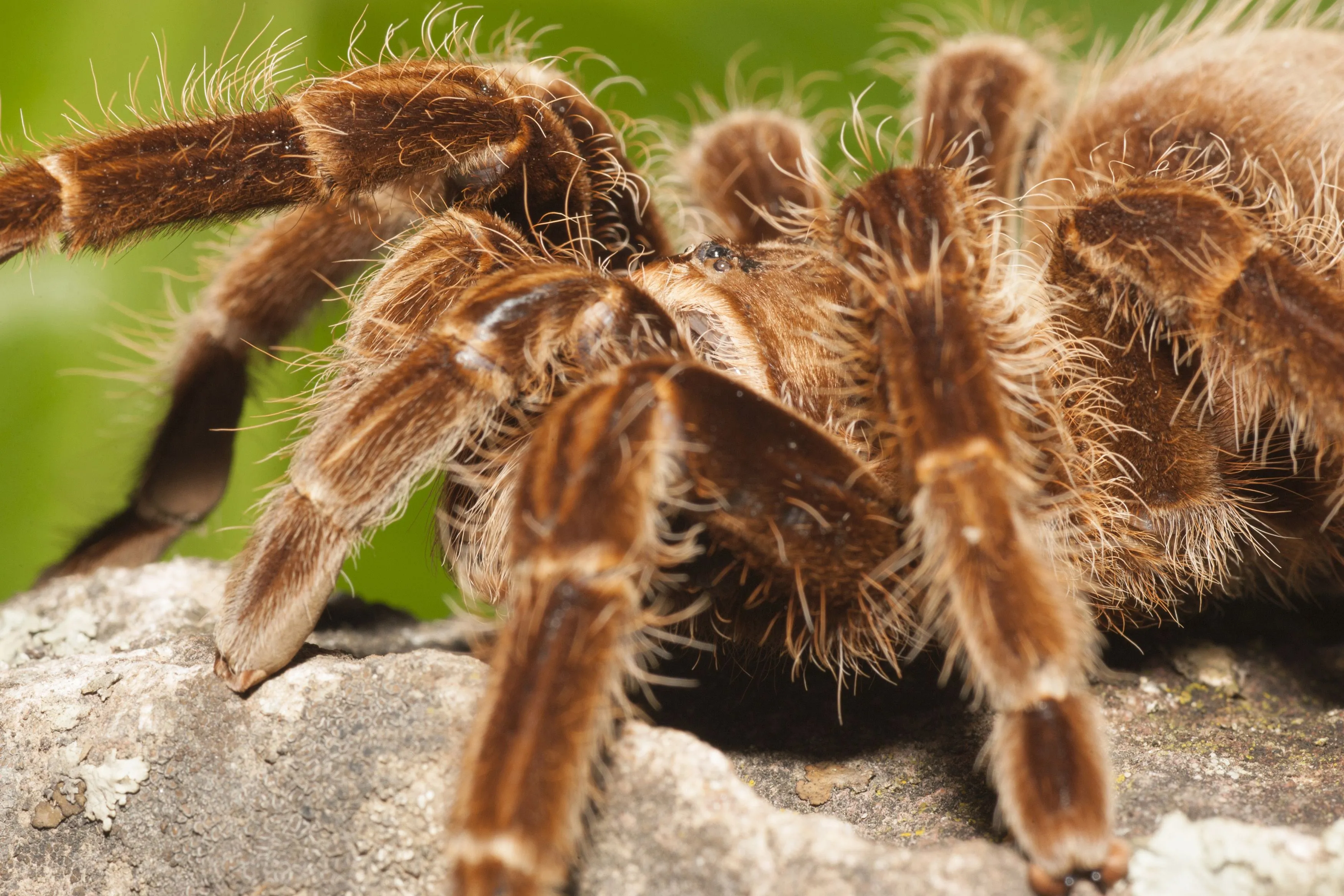
Florida is home to several species of tarantulas, large, hairy spiders that are often misunderstood. These fascinating creatures play an essential role in the ecosystem, controlling insect populations and providing food for other animals. Understanding these spiders is key to appreciating their role in the environment and ensuring their survival. They are generally nocturnal hunters, spending their days in burrows or under cover and venturing out at night to hunt for insects, small reptiles, and even amphibians. Despite their fearsome appearance, most Florida tarantula species are not aggressive towards humans. They prefer to avoid conflict, but like any wild animal, they will defend themselves if they feel threatened. Their bite, while painful, is not typically dangerous to humans, though it can cause localized pain, swelling, and itching. The presence of tarantulas in an area can be a sign of a healthy ecosystem, highlighting the importance of conservation efforts to protect their natural habitats and ensure the balance of nature.
Identifying Characteristics
Size and Appearance

Tarantulas in Florida can vary in size, but they are generally large spiders with a robust build. Their bodies are divided into two main parts the cephalothorax (head and chest) and the abdomen. The cephalothorax houses the spider’s eyes, mouthparts, and legs, while the abdomen contains its internal organs. They have eight legs, each covered in fine hairs that help them sense their surroundings. The legs also have claws at the tips, which aid in climbing and gripping. The size of a tarantula is usually measured by its leg span, the distance from the tip of one leg to the tip of the opposite leg on the same side. Some species can have a leg span of up to 6 inches or more. Their bodies are covered in a layer of hair, which varies in density and color depending on the species. This hair serves several functions, including sensory perception, protection from the environment, and camouflage.
Coloration and Markings
The coloration and markings of Florida tarantulas are diverse and can be used to help identify different species. Some species are plain, while others have intricate patterns and colors. The base color of a tarantula can range from shades of brown and tan to black and even purple or white. These colors often provide camouflage, helping the spider blend in with its surroundings and avoid predators. Markings, such as stripes, spots, or bands, can further aid in identification. Some tarantulas have distinct patterns on their legs or abdomen. The intensity and distribution of colors and markings can also vary within a species. This variation can be due to factors such as age, sex, and geographic location. By observing the coloration and markings, you can often narrow down the possible species of a tarantula you encounter.
Habitat and Behavior
Burrowing Habits

Most Florida tarantula species are burrowing spiders, meaning they create and live in underground burrows. These burrows provide shelter from the sun, predators, and harsh weather conditions. The spiders dig their burrows using their fangs and legs, often in loose soil or under rocks. The burrows typically consist of a single tunnel that extends down into the earth, sometimes with side chambers or expansions. The depth and complexity of the burrow can vary depending on the species and the environment. Tarantulas often line their burrows with silk to stabilize the walls and provide a smooth surface for movement. They spend most of their time inside their burrows, only venturing out at night to hunt for prey. The entrance to the burrow is usually marked by a silken web, which the spider uses to detect the presence of potential prey or predators.
Defensive Behavior
Despite their imposing size, Florida tarantulas are generally not aggressive. They prefer to avoid confrontation and will typically flee if threatened. However, when cornered or feeling threatened, tarantulas have several defensive mechanisms. One of these is the urticating hairs. These are small, barbed hairs located on the abdomen of some species. When a tarantula feels threatened, it can flick these hairs towards the perceived threat, causing irritation and itching. Another defense mechanism is a bite. While their venom is not typically dangerous to humans, it can be painful and cause localized swelling and discomfort. Tarantulas also may raise their front legs and fangs in a threat display, a warning signal to potential predators. It’s important to respect their space and avoid provoking them to minimize the risk of a defensive response.
Top 5 Florida Tarantula Species
Florida Tan Tarantula

Appearance and Habitat
The Florida Tan Tarantula (Genus: Aphonopelma) is a common species, characterized by its tan to light brown coloration. They are typically found in open, grassy areas and scrub habitats. They are known for their relatively docile temperament, making them a popular choice for some tarantula keepers. These tarantulas are burrowers, constructing their homes in the soil. Their leg span can reach up to 5 inches. They prefer drier environments, often avoiding areas with high humidity. They contribute to the ecosystem by controlling insect populations, playing a vital role in the food chain. The Florida Tan Tarantula is a fascinating example of how these creatures adapt to their specific environments.
Behavioral Traits
The Florida Tan Tarantula is generally calm and less prone to defensive behavior compared to some other species. They are nocturnal hunters, emerging from their burrows at night to search for prey. Their diet typically consists of insects such as crickets, grasshoppers, and beetles. They are sit-and-wait predators, ambushing their prey from their burrow entrances. When threatened, they may flick urticating hairs as a defense mechanism. Understanding their behavior is essential for both appreciating these spiders and ensuring their conservation. They are an important part of the Florida ecosystem.
Florida White Tarantula

Distinctive Features
The Florida White Tarantula (Cyrtopholis species) is a stunning spider with a pale, almost white coloration. They can be identified by their distinctive appearance, which sets them apart from other species. They are medium to large in size, often with a leg span of up to 6 inches. Their carapace and legs are covered in fine white hairs, giving them a unique, ethereal look. They inhabit diverse habitats and are frequently encountered in the wild. The Florida White Tarantula is a visually striking spider, making it a favorite among enthusiasts and a remarkable part of the Florida tarantula population. They add diversity to the state’s arachnid fauna.
Habitat and Diet
These tarantulas are found in various habitats, including forests and scrublands, where they construct burrows for shelter. They typically feed on insects, spiders, and other invertebrates they can catch. Like most tarantulas, they are nocturnal hunters, actively searching for prey at night. These spiders play a crucial role in their environment, helping to control populations of insects. The Florida White Tarantula is a unique and captivating species. Its presence in an area is indicative of the health of the local ecosystem. Their white coloration aids in camouflage.
Other Common Florida Tarantula Species

Florida Purple Tarantula
The Florida Purple Tarantula (Cyrtopholis portoricae) is known for its striking purple coloration, primarily on its legs and carapace. The spider’s size can range, with a leg span reaching approximately 5 inches. They are typically found in wooded areas, where they dig burrows in the soil. They are burrowing spiders, often creating complex underground homes. They feed on various insects and other invertebrates, serving as natural pest control. Their unique coloration and behavior make them a fascinating species. The purple color is a stunning characteristic among Florida tarantulas, a testament to the biodiversity of the state’s arachnid population.
Everglades Tarantula
The Everglades Tarantula (Aphonopelma species) is a medium-sized spider, often with a brown or tan appearance. This species is specifically adapted to the unique environments within the Everglades. They burrow in the ground, using these burrows to stay safe from the harsh conditions of the Everglades. They have developed strategies to survive in the extreme humidity and fluctuating water levels of the Everglades, marking them as an important indicator of the Everglades ecosystem. They are nocturnal hunters, preying on insects and other small creatures. Their presence reflects the ecological balance of the Everglades, a testament to the complex web of life.
Florida Ivory Tarantula

The Florida Ivory Tarantula (Aphonopelma species) features a striking ivory or light-colored appearance. They are typically found in the sandy soils of Florida. This tarantula species prefers drier habitats and builds burrows for shelter. Their size varies depending on age, but they can have a leg span of up to 5 inches. They primarily feed on insects and other invertebrates. Their ivory color gives them a unique look. The Florida Ivory Tarantula contributes to the richness of Florida’s tarantula diversity, adapting to their unique environments to thrive.
How to Identify
Physical Examination
Examining the Carapace
The carapace, the top portion of the cephalothorax, is a crucial part to examine when identifying a tarantula. Observe its shape, color, and any distinct markings. The presence or absence of specific patterns, hairs, or textures on the carapace can help differentiate between various species. Color can range from solid shades to complex patterns. Pay close attention to the size and shape of the carapace as these can distinguish between different species. The presence of hairs can give clues to the species as well. Take note of the overall appearance to aid in the identification process.
Leg Span Measurement
Measuring the leg span is a fundamental step in identifying a tarantula. Carefully measure the distance from the tip of one front leg to the tip of the opposite leg on the same side. Be gentle and avoid causing any stress or harm to the spider. Comparing the leg span to known species sizes will provide helpful information. Size is not always a determining factor, as size can vary among individuals. Record the measurement accurately and consult with a field guide or expert to confirm the species. Accurate leg span measurements are essential for correct identification. Using this information will narrow down possibilities for the species.
Habitat Analysis
Searching in Burrows
The habitat where a tarantula is found offers valuable clues for identification. Examine the burrows to determine their characteristics. The burrows are typically made in the ground in various types of habitats. The surrounding soil, vegetation, and other environmental factors can narrow down the possibilities. Observe the burrow’s entrance size, shape, and any silk linings or webs. The presence or absence of these features can help identify the species. Take notes on the specific location and any other organisms found nearby. Understanding the habitat will assist in the correct identification.
Checking for Webs
The webs can provide useful information when identifying tarantula species. Some species create elaborate webs around their burrows, while others may have minimal silk structures. Observe the type of web, its structure, and any patterns or characteristics. The presence or absence of silk linings at the burrow entrance or the surrounding area can be an identifying trait. Note the size, color, and texture of the silk, as these may help. The use of webs varies among species, offering valuable clues for accurate identification of Florida tarantulas. Examine the webbing carefully to improve identification.
Conservation and Safety
Conservation Status
The conservation status of Florida tarantulas varies. Some species may be more vulnerable than others due to habitat loss, climate change, or human activities. Understanding the threats facing these spiders is critical to ensure their survival. Many species are not yet officially evaluated for conservation status, and further research is needed to understand the effects of habitat loss, pesticide use, and climate change. Supporting conservation efforts is essential to protect these fascinating creatures. Consider supporting conservation organizations and local initiatives.
Threats to Tarantulas
Florida tarantulas are facing several threats that could negatively impact their populations. Habitat loss is a primary concern, as their natural environments are destroyed by development and agriculture. Pesticide use can also impact these spiders, as the chemicals can affect their food sources. Climate change is another threat, as changes in temperature and rainfall can disrupt their habitats and food chains. They are also sometimes collected for the pet trade. Efforts to protect tarantulas include habitat preservation, responsible land use, and public education.
Safety Precautions
Avoiding Bites and Irritation
While tarantulas are not typically aggressive, it is still important to take precautions to avoid bites or irritation. Never handle a tarantula unless you are an experienced handler or expert. Avoid getting too close to burrows or webs. If you encounter a tarantula, observe it from a safe distance. Tarantulas may flick urticating hairs, causing irritation. If you are in an area known for tarantulas, wear long sleeves, long pants, and closed-toe shoes. If you are bitten, seek medical attention and clean the wound. Respecting their space ensures both your safety and the spiders’ well-being. Proper precautions help minimize any potential risks.