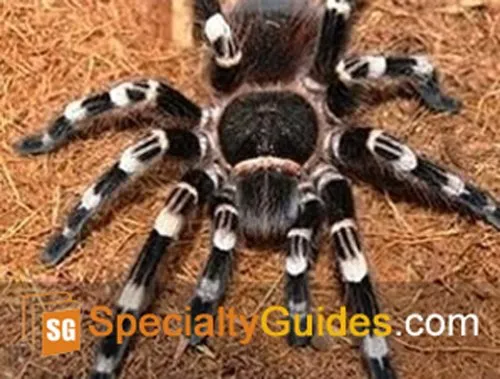
Choosing Your Brazilian Giant White Knee Tarantula
The Brazilian Giant White Knee Tarantula (Acanthoscurria geniculata) is a striking and relatively docile species, making it a popular choice for tarantula enthusiasts of all experience levels. Known for its impressive size and distinctive white markings on its knees, this tarantula can be a fascinating pet. However, successful care begins with making informed choices, starting with selecting a healthy specimen. Understanding the basics of their needs is the first step towards providing the best possible care.
Selecting a Healthy Tarantula
Choosing a healthy tarantula is crucial for its longevity and well-being. A healthy tarantula is active, alert, and exhibits no signs of illness or injury. When selecting a tarantula, take your time to observe several individuals. Look for a tarantula that is alert and responsive to its surroundings. Avoid specimens that appear lethargic, uncoordinated, or have any visible injuries, such as missing limbs or damaged pedipalps. The abdomen should be plump, not shriveled or overly distended.
Identifying a Healthy Tarantula

A healthy White Knee tarantula should have a plump abdomen, indicating it is well-fed and hydrated. Examine the legs and body for any signs of parasites, such as mites, or any physical damage. Ensure the tarantula is not displaying any unusual behaviors, such as tremors or difficulty moving. The fangs should be intact and in good condition. Ensure the tarantula is active and moves with relative ease within its enclosure. A healthy tarantula generally demonstrates a strong appetite and is eager to feed.
Where to Buy Your Tarantula
Purchase your White Knee Tarantula from a reputable breeder or a pet store specializing in exotic pets. Reputable sources can provide information about the tarantula’s origin, age, and any relevant care history. Verify the tarantula’s species to avoid misidentification. Check online reviews and ask for recommendations from other tarantula keepers to find reliable sources. This will improve your chances of acquiring a healthy, well-cared-for specimen and will also give you access to support in the future.
Setting Up the Perfect Enclosure
Creating a suitable enclosure is essential for the health and well-being of your Brazilian Giant White Knee Tarantula. The enclosure should mimic its natural habitat as closely as possible, providing a comfortable and safe environment. A well-designed enclosure allows the tarantula to thrive, reducing stress and promoting natural behaviors. The proper setup will also make maintenance easier for you, ensuring your tarantula’s long-term health.
Choosing the Right Enclosure Size

The size of the enclosure should be appropriate for the tarantula’s size. A juvenile tarantula can start in a smaller enclosure, such as a 5-gallon tank, to make finding food and maintaining humidity easier. As the tarantula grows, it will need more space. An adult White Knee Tarantula needs at least a 10-gallon tank, but a 20-gallon long tank is preferable to provide ample room for movement. Ensure the enclosure has a secure lid to prevent escape.
Substrate Selection and Depth
The substrate, or bedding, is the base of the enclosure and provides a comfortable surface for the tarantula to walk on. The ideal substrate for a White Knee Tarantula is a mixture of peat moss, coconut fiber, and a bit of vermiculite. This combination helps to retain moisture while also allowing for burrowing. The substrate should be at least 4-6 inches deep to allow the tarantula to burrow if it chooses. Do not use sand or gravel, as these can be harmful.
Providing Hiding Places
White Knee Tarantulas are terrestrial and enjoy having a safe place to hide. Provide a hide, such as a cork bark, half log, or artificial cave. The hide should be large enough for the tarantula to comfortably fit inside but not so large that it makes the tarantula feel exposed. This will help reduce stress and make the tarantula feel more secure in its environment. Place the hide on the substrate in a way that provides some security, such as against a side of the enclosure.
Maintaining Temperature and Humidity

Maintaining the correct temperature and humidity levels is critical for the health of your White Knee Tarantula. These conditions impact their metabolism, molting process, and overall well-being. Regularly monitor these parameters using a thermometer and hygrometer placed inside the enclosure.
Optimal Temperature Range
The ideal temperature range for a White Knee Tarantula is between 75-85°F (24-29°C). Maintain a consistent temperature day and night. You can use a heat mat placed on the side of the enclosure to provide supplemental heat if necessary, but be careful not to overheat the enclosure. Avoid placing the heat mat directly under the enclosure, which can cause the substrate to dry out too quickly. Ensure proper ventilation to prevent the buildup of excessive heat.
Humidity Levels for White Knee Tarantulas
White Knee Tarantulas thrive in a humidity range of 60-70%. To maintain this, mist the enclosure with dechlorinated water a few times a week, depending on your environment. The frequency of misting will also depend on the ventilation in the enclosure. Ensure that the substrate is moist but not soggy. Too much humidity can lead to mold growth, while too little can cause problems with molting.
Feeding Your Giant White Knee Tarantula

Feeding your White Knee Tarantula the correct diet is important for its growth and overall health. Providing a nutritious and varied diet will help the tarantula thrive in captivity. It is also important to feed the tarantula in a way that minimizes any risks, such as injury from live prey. Understanding what and how to feed your tarantula will contribute to a long and healthy life.
What to Feed Your Tarantula
The primary food source for a White Knee Tarantula should be live insects. Suitable insects include crickets, roaches, mealworms, and superworms. The size of the prey should be appropriate for the size of the tarantula; a general rule is to feed insects that are no larger than the tarantula’s body. Variety in the diet is also beneficial, so alternate between different types of insects. Ensure that the insects are gut-loaded before feeding them to the tarantula to increase their nutritional value.
Feeding Frequency and Portion Sizes
Juvenile White Knee Tarantulas should be fed 2-3 times a week. Adult tarantulas can be fed once a week or every other week, depending on their appetite. The frequency can vary based on the individual tarantula’s metabolism and activity level. Remove any uneaten prey within 24 hours to prevent stress to the tarantula and the potential for the insects to cause injury. Always monitor your tarantula’s abdomen; if it appears plump, it is well-fed.
Providing Water

Clean water should be available to your tarantula at all times. This can be provided using a shallow water dish filled with fresh, dechlorinated water. The water dish should be shallow enough to prevent the tarantula from drowning. Replace the water regularly, at least once or twice a week, to prevent bacterial growth. Additionally, misting the enclosure helps to provide moisture for hydration, especially during molting.
Handling and Safety Precautions
Handling a White Knee Tarantula is generally not recommended unless absolutely necessary, as they can be skittish and defensive. While their venom is not considered medically significant to humans, a bite can still be painful and cause local reactions. The safety of both the tarantula and the handler should always be the top priority. If you must handle your tarantula, always be prepared and take necessary safety precautions.
Safe Handling Techniques
If handling is necessary, do so cautiously and over a soft surface, such as a bed or a carpet, to prevent injury if the tarantula falls. Use a soft brush or a piece of cardboard to gently guide the tarantula. Never grab or squeeze the tarantula; this can cause it to feel threatened and bite. Wash your hands thoroughly before and after handling the tarantula. Handle the tarantula for a short time to minimize stress.
Recognizing Signs of Stress
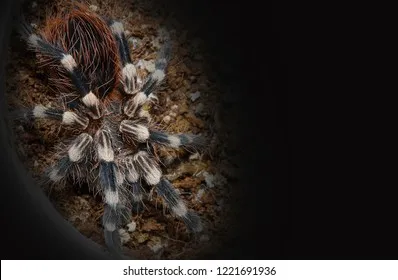
Recognizing signs of stress is crucial when handling or interacting with your tarantula. A stressed tarantula may adopt a defensive posture, raising its front legs, and showing its fangs. It might also flick hairs from its abdomen as a defense mechanism. Avoid handling a tarantula that appears stressed. Give it space and allow it to retreat to its hide. If a tarantula is constantly defensive, review its environment and make adjustments to reduce its stress.
Common Health Issues and Solutions
Like all living creatures, White Knee Tarantulas can experience health issues. Recognizing potential problems early and taking prompt action is essential for their well-being. Regular monitoring of the tarantula’s behavior, appearance, and overall health is critical for early detection of problems. With proper care, most issues can be avoided or resolved effectively.
Moulting and What to Expect
Moulting is a natural process where tarantulas shed their exoskeleton to grow. This process can be stressful for the tarantula, and it is important to provide the right conditions to support it. Understanding the moulting process will allow you to recognize when the tarantula is about to moult and how to assist during and after the moult.
Recognizing a Tarantula in Premolt
Before moulting, a White Knee Tarantula will typically stop eating and become less active. The abdomen may appear darker, and the tarantula may be seen lying on its back or side. Look for a change in color of the abdomen, sometimes becoming darker and more translucent. The tarantula may also build a web mat. Provide a humid environment, and do not disturb it during this time. Avoid feeding the tarantula.
Post-Molt Care
After moulting, the tarantula’s new exoskeleton will be soft and vulnerable. Do not disturb the tarantula for a few days to allow the exoskeleton to harden. Once the exoskeleton has hardened, you can offer the tarantula food. Start with smaller prey items, as the tarantula’s fangs will still be soft. Continue to provide a humid environment. Avoid handling the tarantula until its fangs are completely hardened. The color of the tarantula will become more vibrant after a moult.
Identifying and Addressing Common Problems
Common health issues in White Knee Tarantulas include mites, fungal infections, and injuries. Mites can often be identified as tiny moving dots on the tarantula’s body. Isolate the affected tarantula and clean the enclosure to prevent the spread. Fungal infections can occur if the enclosure is too humid; improve ventilation and substrate. Injuries can be caused by falls or encounters with live prey; ensure the enclosure is safe and the prey is appropriately sized.
Conclusion
Caring for a Brazilian Giant White Knee Tarantula can be a rewarding experience. By providing the right environment, a suitable diet, and careful handling, you can ensure your tarantula thrives. Remember to research thoroughly, monitor your tarantula regularly, and address any health issues promptly. With the right care, your White Knee Tarantula can be a fascinating and long-lived pet. Enjoy the unique experience of keeping this beautiful and intriguing species.