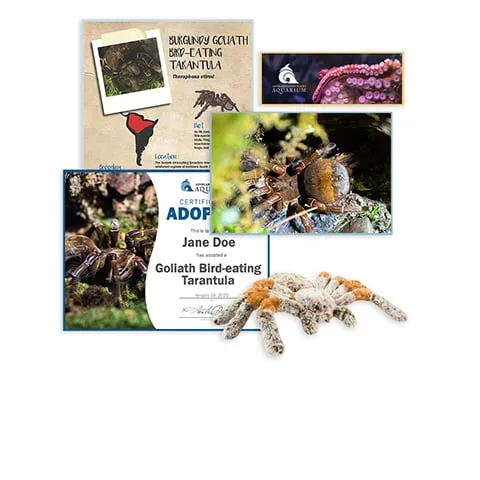
What is a Goliath Bird Eating Tarantula (and Why is it Awesome)?
The Goliath Bird Eating Tarantula (Theraphosa blondi) is one of the largest spider species in the world, and it’s a fascinating creature for anyone interested in exotic pets. Contrary to its name, this spider rarely eats birds, but its impressive size and appearance make it a captivating subject. Native to the rainforests of South America, these spiders are a marvel of the arachnid world. Owning one is a unique experience, offering a glimpse into the diverse world of invertebrates. If you’re considering an exotic pet, understanding this tarantula is the first step.
Size and Appearance The Giants of the Spider World
The Goliath Bird Eating Tarantula is famous for its massive size. They can have a leg span of up to 12 inches, making them one of the biggest spiders on Earth. This size, coupled with their impressive weight, gives them a commanding presence. Their bodies are covered in hair, which can range in color from brown to tan. These hairs serve multiple purposes, including sensory perception and defense. The sheer size alone is enough to make anyone appreciate the natural world’s diversity.
Physical Characteristics

The Goliath Bird Eating Tarantula boasts a robust body structure, with powerful legs designed for both movement and burrowing. Their chelicerae (fangs) are quite substantial, used for injecting venom into prey. The body is divided into two main parts the cephalothorax and the abdomen. The cephalothorax houses the spider’s head and other essential organs. Their eyes, though not their primary sensory tool, are located on the cephalothorax. The abdomen is where the digestive and reproductive organs reside. Their overall appearance is a testament to their evolutionary adaptation to survive in their environment.
Size Comparison
To put their size into perspective, a Goliath Bird Eating Tarantula can be as large as a dinner plate. Their leg span often exceeds that of a human hand. When compared to other tarantula species, they are significantly larger, making them stand out in the arachnid family. The weight can range from several ounces to nearly half a pound, truly making them a giant in the spider world. This size comparison helps underscore the unique appeal of these tarantulas to enthusiasts.
Habitat and Natural Environment Where do they Live?
Goliath Bird Eating Tarantulas are native to the rainforests of northern South America, specifically in countries like Brazil, Venezuela, Guyana, and Suriname. They thrive in humid, tropical environments, preferring to dwell in burrows or under rocks and logs. Their natural habitat provides a wealth of insects and other small creatures that serve as their food source. Understanding their natural environment is crucial for providing the correct care in a captive setting.
Native Habitats

In the wild, these tarantulas typically inhabit burrows, often found near swamps or marshy areas. They construct their homes using silk and utilize the surrounding environment for concealment. The dense foliage and humid climate of the rainforests provide an ideal setting for their survival. They are well-adapted to their surroundings, blending in with the forest floor and patiently waiting for their prey.
Ideal Environment in Captivity
Creating a suitable habitat in captivity is essential for the health and well-being of a Goliath Bird Eating Tarantula. This includes a large enclosure with a substrate of peat moss, coconut fiber, or a similar material to allow burrowing. Humidity levels should be maintained between 75% and 85%, with a consistent temperature in the range of 75-80°F (24-27°C). Providing a water dish and hiding places are also crucial for replicating their natural habitat as much as possible. The correct setup makes all the difference for the pet.
Diet What Do Goliath Bird Eaters Consume?
Despite their name, Goliath Bird Eating Tarantulas rarely consume birds in the wild. Their diet primarily consists of insects, but they are opportunistic feeders and will also consume other invertebrates and small vertebrates if the opportunity arises. They are ambush predators, waiting patiently for prey to come within striking distance. A balanced diet is vital for their health and development, ensuring they receive all the necessary nutrients.
Food Preferences

Insects such as crickets, mealworms, and cockroaches form the core of their diet. They are also known to consume small rodents, lizards, and amphibians, especially in the wild. They show preferences based on their age and the availability of prey. Juvenile tarantulas are typically fed smaller insects, while adults can handle larger prey. It is important to provide a variety of food to ensure they receive a complete diet.
Feeding Frequency
Feeding frequency depends on the tarantula’s age and size. Young tarantulas should be fed more frequently, around two to three times a week. Adult Goliath Bird Eating Tarantulas can be fed once every one to two weeks, depending on their appetite and condition. Overfeeding can lead to obesity, so it’s essential to monitor their food intake and body condition. Always remove any uneaten prey from the enclosure to prevent mold growth.
Behavioral Traits of the Goliath Bird Eating Tarantula
These tarantulas are generally nocturnal, being most active during the night. They are ambush predators, meaning they wait for their prey to come to them. They are not aggressive spiders, but they can be defensive and will readily flick urticating hairs from their abdomen if they feel threatened. Understanding their behavior is crucial for responsible pet ownership, ensuring both the tarantula’s and the owner’s safety.
Temperament and Handling

While Goliath Bird Eating Tarantulas are not naturally aggressive, they should be handled with caution. Their urticating hairs can cause skin irritation, and their bite, though not lethal to humans, can be painful. Handling should be kept to a minimum, and only by experienced keepers. It’s better to observe these fascinating creatures in their habitat, appreciating their natural behaviors.
Lifespan and Growth
Goliath Bird Eating Tarantulas have a relatively long lifespan, with females living for up to 25 years, while males typically live for about 3-6 years. The growth process involves molting, during which they shed their exoskeletons to grow larger. Proper care, including appropriate diet and habitat, is essential to ensure they live a long and healthy life. Understanding their lifecycle is critical for providing adequate care.
Interesting Facts You Probably Didn’t Know
There are several fascinating facts about Goliath Bird Eating Tarantulas. For instance, the name is misleading, as they rarely eat birds. They have tiny hooks on their legs that allow them to climb smooth surfaces. They have the ability to produce silk, which they use to line their burrows and create webs. These facts highlight the remarkable adaptations of these creatures and their place in the ecosystem. If you’re seeking an extraordinary pet, the Goliath Bird Eating Tarantula certainly fits the bill, offering a glimpse into the wonders of the natural world.