Understanding the Goliath Birdeater’s Lifespan
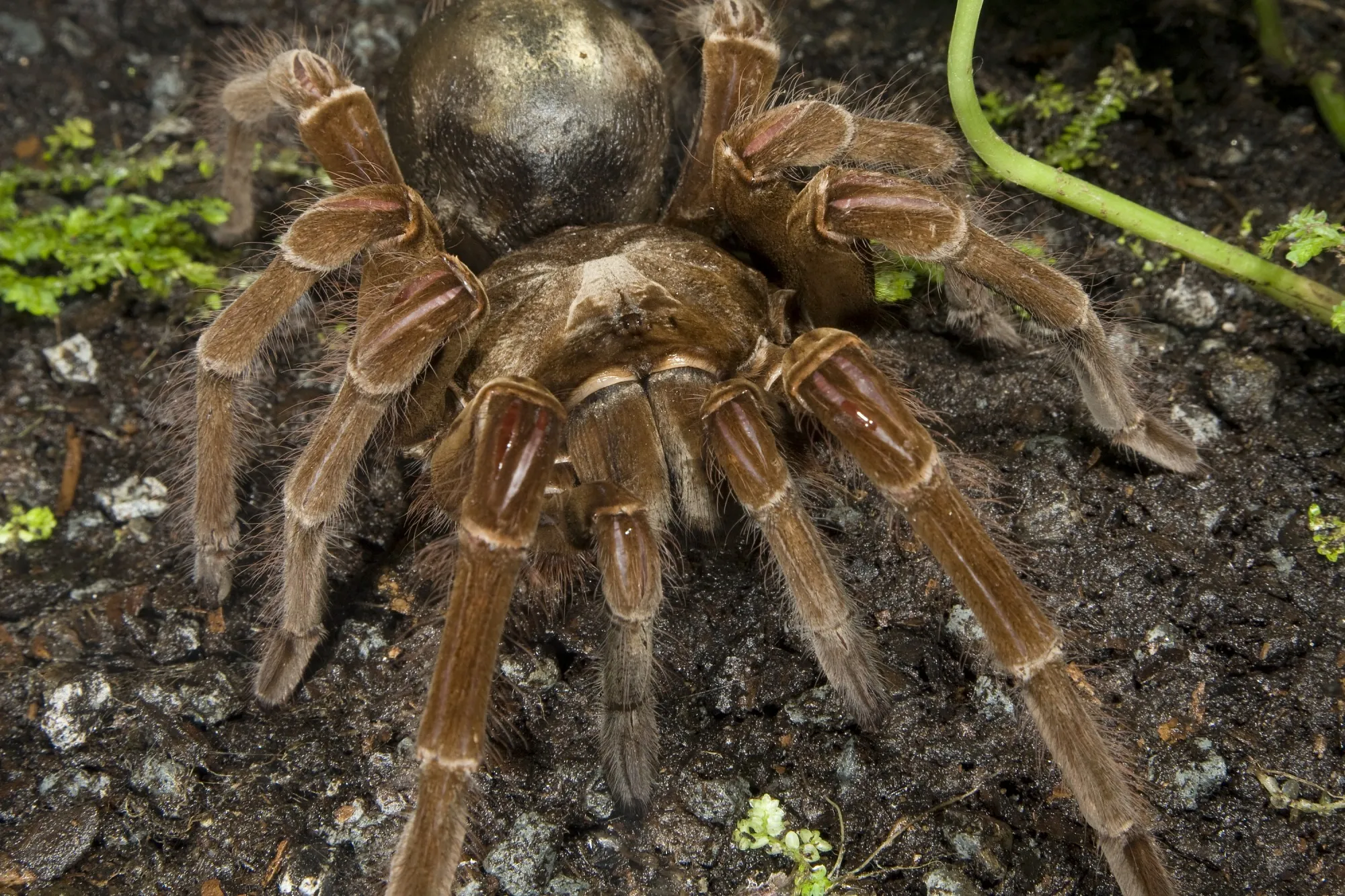
The Goliath Birdeater (Theraphosa blondi) is the world’s largest tarantula, a fascinating creature that captivates many. Understanding the lifespan of these impressive arachnids is crucial for anyone considering them as pets or simply interested in their biology. Unlike some smaller spiders, Goliath Birdeaters have a relatively long lifespan, making them a long-term commitment. Several factors influence how long a Goliath Birdeater will live, including its sex, diet, and the conditions in which it is kept. This article delves into the key aspects of a Goliath Birdeater’s lifespan, providing insights into their longevity and how to maximize their well-being. From the average lifespan to the specific needs that contribute to a healthy life, this guide offers a comprehensive overview.
Factors Influencing Goliath Birdeater Lifespan
Several factors significantly impact a Goliath Birdeater’s lifespan. Understanding these elements can help owners create an environment that promotes longevity and health. The primary factors include genetics, sex, diet, and environmental conditions. Genetic predisposition plays a role, although less understood than other factors. The quality of care provided directly influences lifespan; poor diet, inadequate housing, or exposure to stress can shorten a Goliath Birdeater’s life. Providing a stress-free environment and regular health checks are essential. Additionally, the tarantula’s habitat plays a crucial role, needing to mimic the tarantula’s natural environment and temperature, humidity, and appropriate substrate.
What is the Average Goliath Birdeater Lifespan?

The average lifespan of a Goliath Birdeater can vary, but it typically ranges between 12 to 25 years. Female Goliath Birdeaters generally live much longer than males. This is due to the biological demands of reproduction and the overall stress males experience. The lifespan can also depend on the quality of care, including diet and environmental conditions. A well-cared-for Goliath Birdeater in a stable environment has a higher chance of reaching the upper end of its lifespan. In contrast, tarantulas kept in suboptimal conditions may have a significantly reduced life expectancy. It’s important to note that these are estimates; individual tarantulas may live shorter or longer lives based on a variety of factors.
Male vs Female Goliath Birdeater Lifespan
There’s a significant difference in lifespan between male and female Goliath Birdeaters. Females typically live much longer, often exceeding 20 years under optimal conditions. Males, however, have a significantly shorter lifespan, typically living only 3 to 6 years. This difference is largely due to the biological demands of reproduction for females. Males die shortly after reaching maturity and mating. Their primary purpose is to reproduce, and their bodies are not designed for long-term survival after this process. Understanding this difference is crucial for pet owners, as it impacts the long-term commitment associated with owning a Goliath Birdeater. When considering a Goliath Birdeater as a pet, it’s important to understand the implications of the animal’s sex.
How to Provide Optimal Conditions for Longevity
Creating optimal conditions is essential to maximizing a Goliath Birdeater’s lifespan. This involves providing a suitable habitat, maintaining appropriate temperature and humidity levels, and ensuring a proper diet. A spacious enclosure with a substrate that allows for burrowing, such as a mix of peat moss and coco fiber, is crucial. The enclosure should mimic the tarantula’s natural environment, including hiding places like cork bark or artificial plants. Regular monitoring of the environment is essential to ensure these conditions are maintained. Also, minimize stress through careful handling and by avoiding sudden loud noises or vibrations. By paying close attention to these details, you can create an environment that promotes the health and longevity of your Goliath Birdeater.
Diet and Nutrition for a Healthy Goliath Birdeater

A balanced diet is essential for the health and longevity of a Goliath Birdeater. The primary food source for these tarantulas should be insects, such as crickets, roaches, and mealworms. The size of the prey should be appropriate for the tarantula’s size, avoiding insects that are too large or too small. Supplementing the diet with occasional treats like small mice (pinkies) can provide additional nutrients, but this should be done sparingly. Make sure the insects are gut-loaded before feeding them to the tarantula, ensuring the tarantula gets essential vitamins and minerals. Fresh water should always be available in a shallow dish. Overfeeding should be avoided; a healthy Goliath Birdeater will typically eat a few times a week, especially when young.
Impact of Habitat and Environment
The habitat and overall environment play a critical role in the Goliath Birdeater’s lifespan. The enclosure should be appropriately sized to provide enough space for the tarantula to move and burrow. The substrate should be deep enough to allow for burrowing behavior, which is natural for these tarantulas. Maintaining the correct temperature and humidity levels is also crucial. Goliath Birdeaters thrive in a warm, humid environment, typically between 75-85°F (24-29°C) and 70-80% humidity. Proper ventilation is important to prevent mold and mildew. The enclosure should be kept clean; uneaten food and molted exoskeletons should be removed regularly to maintain a healthy environment. Mimicking their natural habitat helps reduce stress and support the tarantula’s well-being.
Common Health Issues Affecting Goliath Birdeater Longevity
Like all living creatures, Goliath Birdeaters are susceptible to certain health issues that can affect their lifespan. Common problems include parasitic infections, fungal infections, and injuries sustained during molting. Poor environmental conditions, such as excessive moisture or unsanitary enclosures, can increase the risk of fungal infections. Injuries can occur if the tarantula falls or gets trapped during molting. Providing a clean and stable environment can mitigate many of these risks. Regular health checks can help detect potential problems early, and proper handling techniques can minimize the risk of injury. Owners should be vigilant in observing any unusual behavior and seek veterinary care if necessary, even if specialized knowledge might be required.
Molting and Its Significance

Molting is a crucial process for Goliath Birdeaters, enabling them to grow and replace damaged body parts. During molting, the tarantula sheds its exoskeleton, revealing a new, larger one underneath. The frequency of molting decreases as the tarantula ages; younger tarantulas molt more often than older ones. Molting is a vulnerable time for the tarantula, as its new exoskeleton is soft. Providing a stress-free environment during molting is essential. The tarantula may stop eating and become reclusive before molting, which is normal behavior. Maintaining appropriate humidity levels helps the tarantula shed its old exoskeleton successfully. Never disturb a tarantula during molting; any interference can lead to injury or death. After molting, the tarantula will be more colorful and larger.
Ensuring Longevity: Top 5 Tips
Provide a Suitable Habitat
Creating a suitable habitat is the cornerstone of ensuring your Goliath Birdeater lives a long and healthy life. This involves selecting an appropriately sized enclosure with enough space for the tarantula to move freely and burrow. The substrate should be deep and of the right type, such as a mix of peat moss and coco fiber, to allow for natural burrowing behavior. Providing hiding places, such as cork bark or artificial plants, helps the tarantula feel safe and secure, reducing stress. Maintaining proper ventilation and cleanliness in the enclosure is also vital.
Maintain Optimal Temperature and Humidity

Maintaining optimal temperature and humidity levels is critical for the Goliath Birdeater’s health and longevity. Use a thermometer and hygrometer to monitor the environment regularly. The ideal temperature range is typically between 75-85°F (24-29°C). Humidity levels should be maintained between 70-80%. This can be achieved by misting the enclosure with water or using a humidifier. Avoid sudden changes in temperature or humidity, as these can stress the tarantula and compromise its health. Adjust the environment as needed to maintain these conditions consistently.
Offer a Balanced Diet
A balanced diet is essential for a healthy Goliath Birdeater. The diet should primarily consist of live insects, such as crickets, roaches, and mealworms, ensuring the tarantula receives essential nutrients. The size of the prey should be appropriate for the tarantula’s size. Gut-load the insects before feeding them to your tarantula to provide additional nutrients. While an occasional treat, like a pinky mouse, can be provided, it should not be a regular part of the diet. Make sure fresh water is always available in a shallow dish. Avoid overfeeding, and adjust the frequency based on the tarantula’s age and size.
Regularly Monitor Health
Regularly monitoring the Goliath Birdeater’s health is key to identifying and addressing potential problems early. Observe the tarantula’s behavior, appetite, and overall appearance. Look for signs of illness, such as lethargy, loss of appetite, or unusual changes in appearance. Inspect the tarantula for any signs of parasites or injuries. Check the enclosure for any potential hazards that might harm the tarantula. Regular health checks should be part of the routine, and any concerns should be addressed promptly. Being observant and attentive to your tarantula’s health will significantly contribute to its lifespan.
Handle with Care

Handling a Goliath Birdeater should be done with care and consideration for the tarantula’s well-being. While they are generally docile, they can still bite if they feel threatened. It is generally recommended to handle the tarantula as little as possible, especially during molting. If handling is necessary, do so gently and slowly, avoiding sudden movements. Always wash your hands thoroughly before and after handling to prevent the spread of any potential contaminants. Never handle a tarantula if you are unfamiliar with their behavior or are unsure of their temperament. Prioritize the tarantula’s safety and well-being during any interaction.
In conclusion, understanding and catering to the specific needs of a Goliath Birdeater is paramount to maximizing its lifespan. From providing a suitable habitat and balanced diet to monitoring its health and handling with care, every aspect of the tarantula’s environment contributes to its longevity. By adhering to these top five tips and consistently providing optimal care, owners can ensure their Goliath Birdeaters lead long, healthy, and fulfilling lives. The journey of owning a Goliath Birdeater is a rewarding experience, filled with the wonder of observing one of nature’s most impressive creatures.